


Georgian Table Snuff Box
A georgian table snuff box sits upon the board to hold ground tobacco, bringing solid silver, brass and papier-mâché to your desk.
Georgian Table Snuff Box
A georgian table snuff box is a substantial container designed to rest upon a parlour or library table rather than travel in a pocket. These vessels served the social ritual of taking snuff, keeping the dry tobacco close at hand during gatherings.
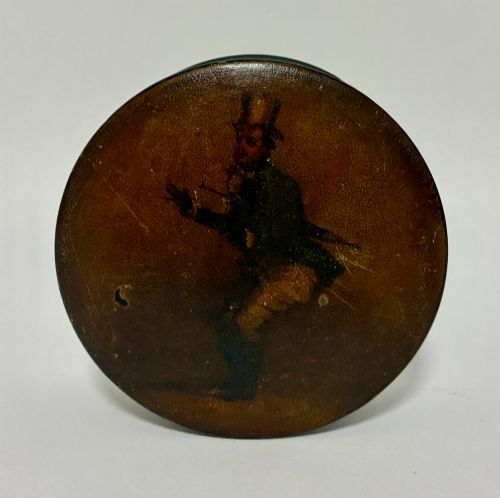
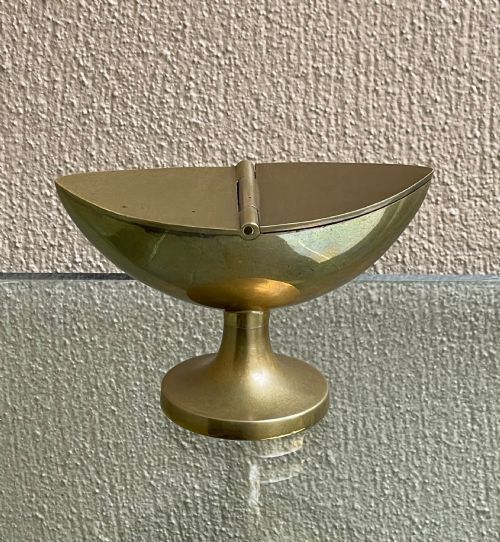
The pieces seen here range from the eighteenth century through the regency and william iv periods, spanning diverse forms such as navette shapes, shells and octagonal containers. Sterling silver, silver gilt, papier-mâché, brass, walnut and turtle shell make up the primary bodies of these desk accessories.
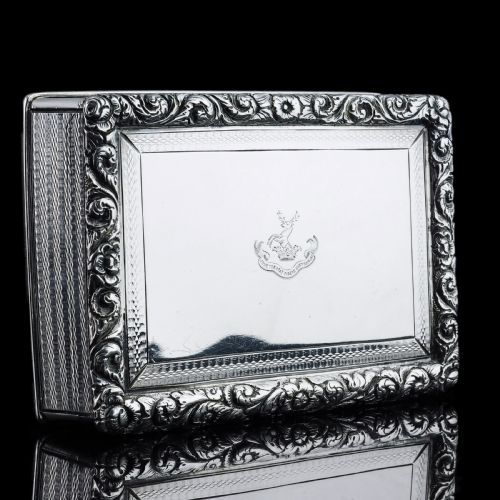
You are most likely to meet solid silver examples bearing floral chased borders or engine-turned decoration, alongside dark papier-mâché items and carved hard woods with rich patinas. Makers such as joseph willmore, thomas shaw and edward farrell appear among the recorded silver boxes.
How they were made
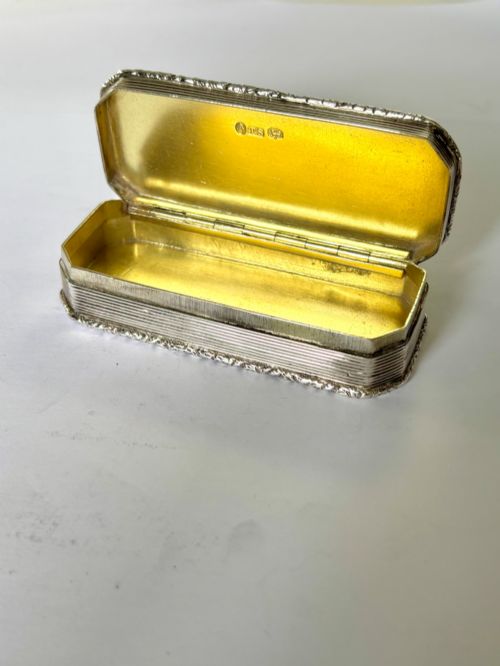
Silversmiths constructed sterling silver and silver gilt boxes by hammering, casting and chasing metal into heavy bodies, often adding gilt interiors to resist the corrosive nature of moist tobacco. Makers utilised techniques like engine-turning to engrave geometric patterns across the lids.
Papier-mâché and lacquer boxes required layers of paper pulp pressed into moulds, dried and finished with painted or polished surfaces, exemplified by works from makers such as stobwasser. Hard wood and turtle shell examples relied on careful carving and mounting with silver hinges and bezels.
Georgian Table Snuff Box Retail Price Guide 2026
Typical asking prices for georgian table snuff box among the pieces listed under this phrase on Sellingantiques today, from the lower quarter to the upper quarter. They describe what is for sale here now, not the wider market.
Materials recorded across the archive include sterling silver, silver gilt, brass, papier-mâché, lacquer, paint, walnut and turtle shell.
What varies in quality
The weight of the metal and the crispness of the chased floral borders or rococo motifs separate standard containers from exceptional commissions. Maker marks stamped into the silver provide clear attribution to prominent silversmiths like nathaniel mills or thomas edwards.
The depth of the hand-carved patina on hard wood pieces and the preservation of painted lacquer on papier-mâché influence the character of each box. Hinges that close flush and secure lids without play indicate careful assembly by the original craftsman.
Thomas Shaw·Joseph Willmore·Edward Farrell·Edward Edwards·William Parker·Thomas Edwards·Nathaniel Mills·Stobwasser
The Georgian Table Snuff Box Glossary
- Silver gilt
- Sterling silver that has been coated with a thin layer of gold on its interior or exterior surfaces. This treatment protected the silver from tarnishing through contact with tobacco.
- Navette shaped
- A boat-shaped vessel form featuring pointed ends and an elongated oval body. This profile was popular for small desk containers during the georgian era.
- Engine turned
- A geometric pattern mechanically engraved into metal using a rose engine or straight-line machine. It created repeating textured lines across silver box lids.
- Papier-mâché
- A composite material made from paper pulp mixed with glue and resin, pressed into moulds and baked until hard. It provided a smooth base for lacquer and painted scenes.
- Bezel
- The rim or collar on a box that secures the lid tightly to the base when closed. A well-fitted bezel kept the stored tobacco fresh.
Georgian Table Snuff Box: Frequently Asked Questions
How were these boxes used?
Hosts placed these containers on tables during social gatherings so guests could help themselves to pinches of snuff. The heavy construction allowed the boxes to sit firmly on a desk surface.
Lids lifted easily to reveal compartments that kept the aromatic tobacco blends dry and accessible.
How do I clean a silver snuff box?
Dust the exterior gently with a soft cloth and avoid aggressive metal polishes that wear away chased details and hallmarks. Preserving the natural surface patina maintains the historical character of the object.
Keep moisture away from the interior linings, particularly on papier-mâché or wood-lined pieces.
How can I tell the age of a box?
Hallmarks stamped on silver examples provide city marks, date letters and maker initials that pinpoint the year of creation. Stylistic clues like rococo motifs or regency shapes help date unmarked brass and papier-mâché versions.
Material choices, such as turtle shell or early walnut, also point to specific manufacturing decades.