
Antique Collector Box
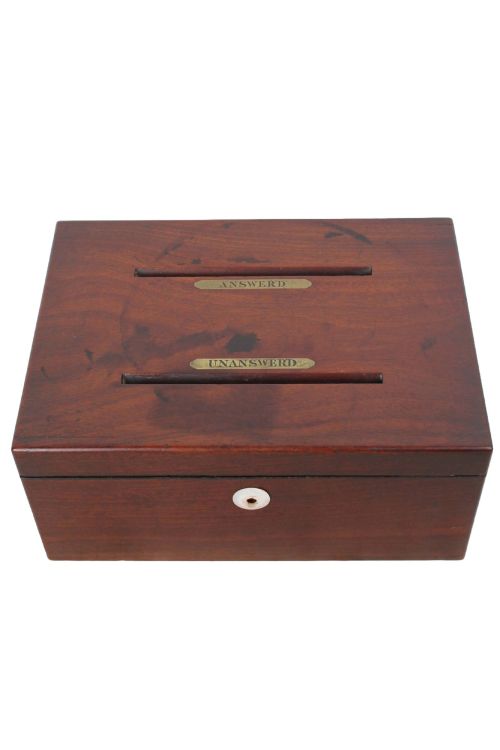
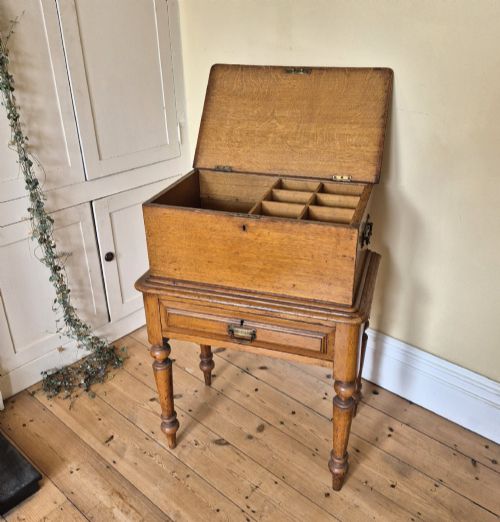
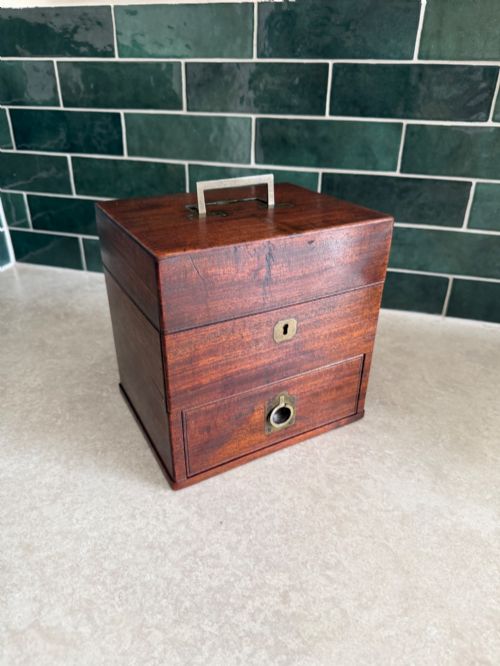
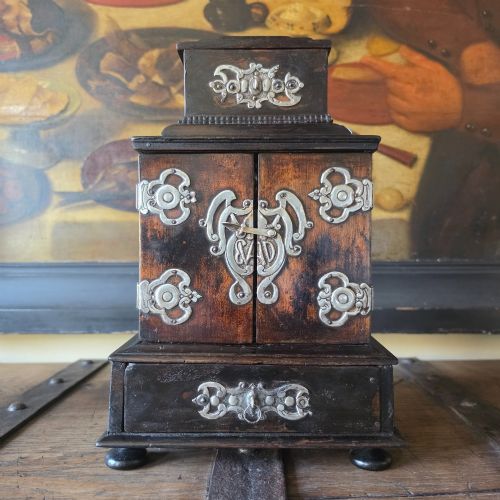
An antique collector box holds the tangible passions of the past, from miniature chests of drawers to tabletop display cabinets.
Antique Collector Box
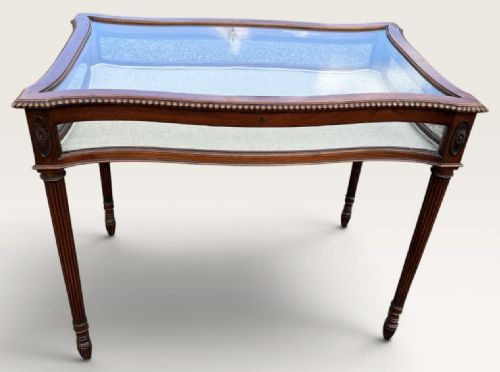
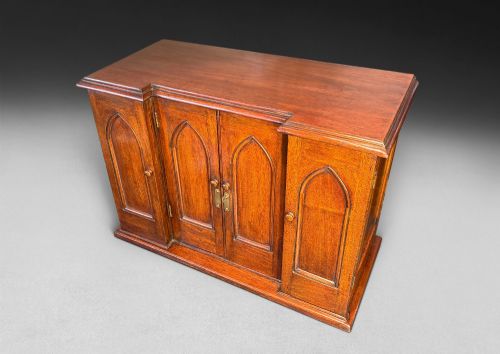
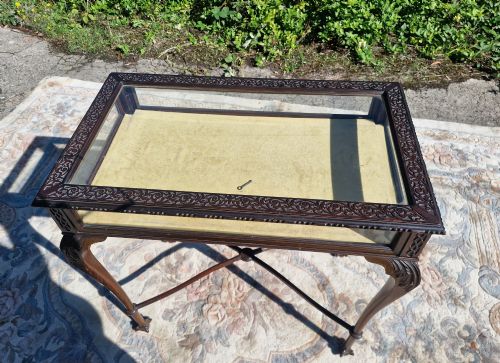
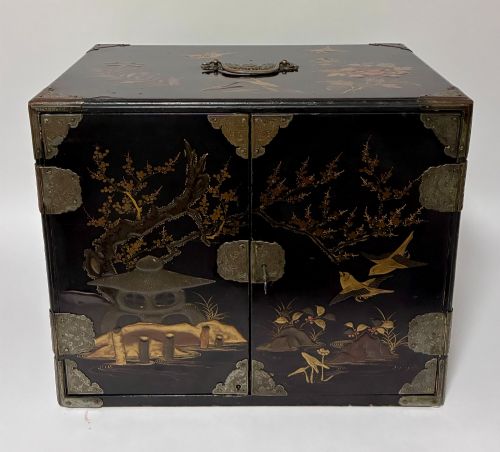
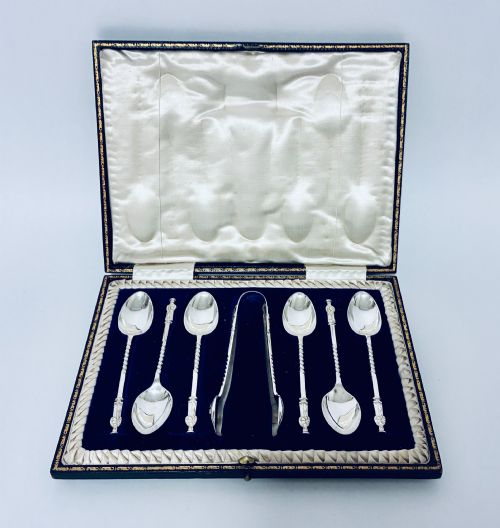
An antique collector box encompasses a broad range of vessels designed to house specimens, jewellery, correspondence, and precious objects. The pieces seen here span the eighteenth, nineteenth, and early twentieth centuries, reflecting changing domestic habits and hobbies.
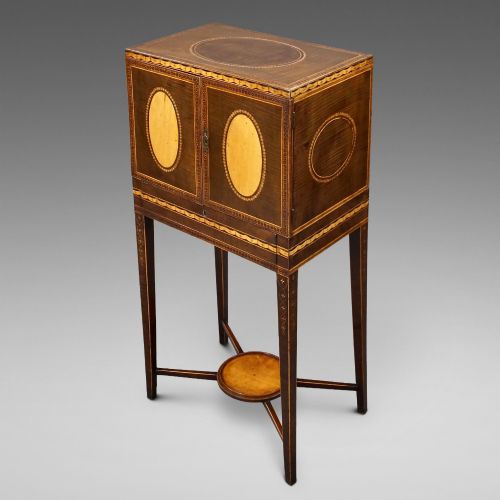
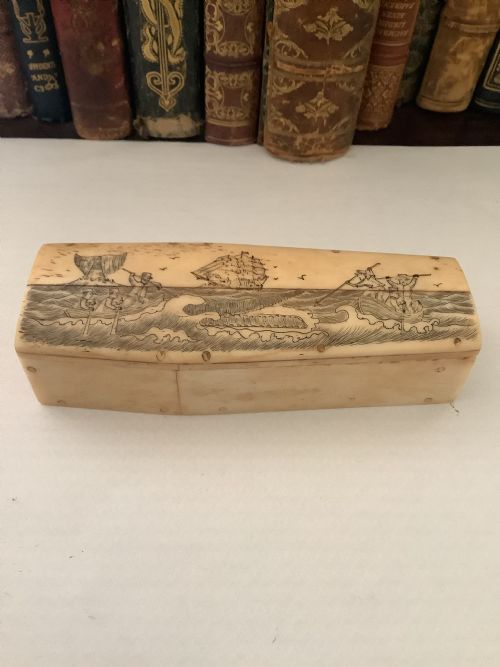
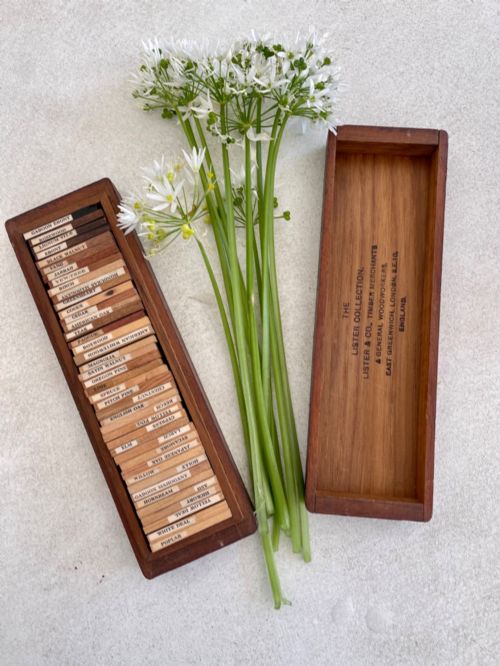
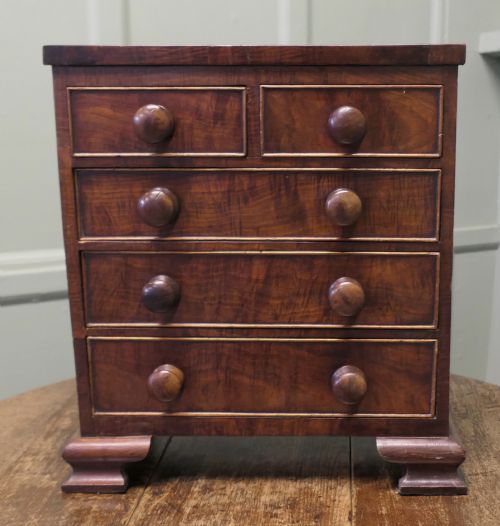
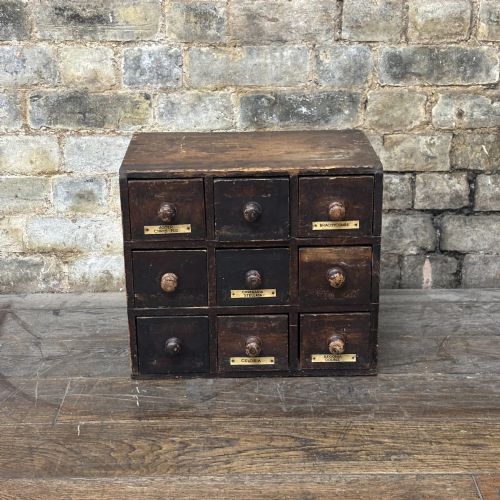
The most common forms on this page include tabletop cabinets, miniature chests of drawers, spice drawers, and specialised snuff boxes or specimen cases. These items emerge from periods such as the Georgian, Victorian, and Edwardian eras.
Makers utilised various regional styles, including Gothic Revival, Regency, and Louis XVI, shaping vessels from oak, mahogany, walnut, and burr veneers. Each form served a distinct purpose, from medical carrying chests to display tables and bijouterie cases.
Materials and Construction
Cabinet makers constructed these vessels using hardwoods like mahogany, oak, walnut, and elm, frequently applying decorative veneers such as burr walnut and harewood. Inlays of boxwood and brass banding added surface definition to many of the larger cabinets and storage boxes.
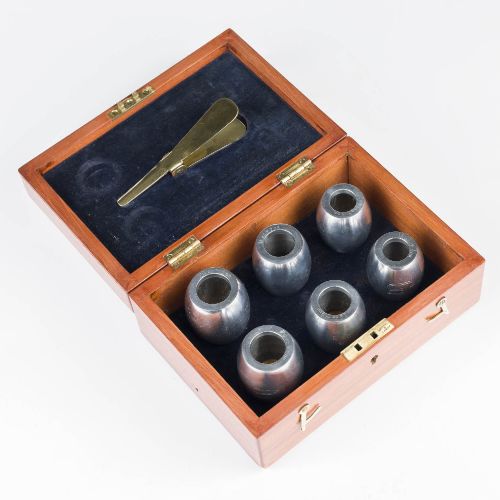
Smaller portable items incorporate organic materials such as bone, mother of pearl, velvet linings, and sterling silver mounts. Surface finishes rely on traditional polishing methods that highlight the natural grain and patina of the wood over centuries of handling.
Judging Quality
The distinction between standard utility boxes and exceptional collector pieces lies in the precision of the joinery and the selection of timber figures. Fine examples demonstrate tight dovetail joints, carefully matched burr veneers, and intact original hardware.
Interior fittings strongly influence overall merit, particularly velvet linings, fitted partitions, and working locks with matching keys. Superior pieces maintain their original structural integrity and uncompromised surface patina, distinguishing them from heavily restored or altered equivalents.
De Grave Short And Co·Nathaniel Mills
The Antique Collector Box Glossary
- Bijouterie table
- A glass-topped display table designed for showcasing small ornaments, jewellery, and curiosities. These pieces became particularly popular during the Victorian and Edwardian periods.
- Vinaigrette
- A small metal box containing a perforated grill, used to hold a sponge soaked in aromatic vinegar. These portable accessories were common in the eighteenth and nineteenth centuries.
- Treen
- Small handmade wooden objects for domestic or personal use. Collectors prize early examples fashioned from burr ash, elm, or specimen woods.
- Apothecary box
- A fitted wooden chest containing glass bottles, scales, and medical preparations. They reflect the domestic reliance on self-medication in the eighteenth and nineteenth centuries.
Antique Collector Box: Frequently Asked Questions
What were antique collector boxes used for?
These vessels stored specialised items ranging from natural history specimens and microscope slides to jewellery, letters, and medical equipment. Collectors used them to organise and protect delicate objects away from dust and light.
Larger tabletop cabinets and miniature chests of drawers served as permanent fixtures in studies and drawing rooms. Portable boxes allowed owners to transport personal effects and collections safely while travelling.
How do I date an antique collector box?
Dating relies on examining construction methods, timber choices, and hardware styles across different design periods. Georgian pieces often display restrained lines in mahogany or oak, while Victorian examples frequently feature elaborate burr walnut veneers and brass mounts.
Secondary woods inside drawers, the style of hinges and locks, and any maker marks or collector labels offer further chronological clues. Comparing the piece to documented examples from the eighteenth and nineteenth centuries confirms its era.
How should I clean a wooden collector box?
Maintenance requires gentle dusting with a soft, dry cloth to prevent surface grit from scratching the aged polish. Avoid modern chemical sprays, silicone polishes, and excess water, which can damage historic timber and lift fragile veneers.
Period surfaces benefit occasionally from traditional beeswax applied sparingly and buffed thoroughly. Keeping the box away from direct sunlight and fluctuating radiator heat preserves the wood and interior velvet linings.
Are keys usually included with these boxes?
Many antique boxes survive without their original working keys due to centuries of displacement during house moves. When a key is present, it is often noted in the description as a desirable attribute.
Specialist locksmiths can sometimes provide replacement keys for decorative or locking purposes if required. The absence of a key does not detract from the historical integrity of the piece.