


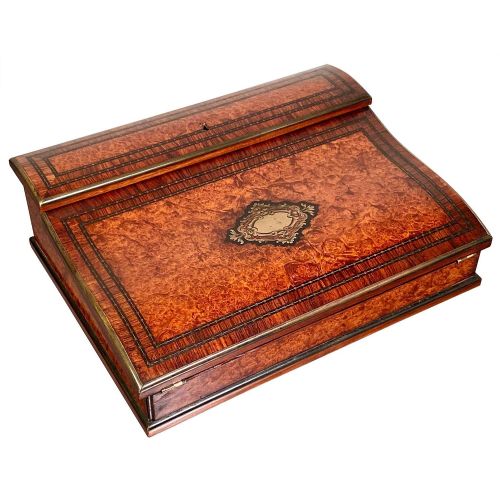


Vintage Burr Walnut Box
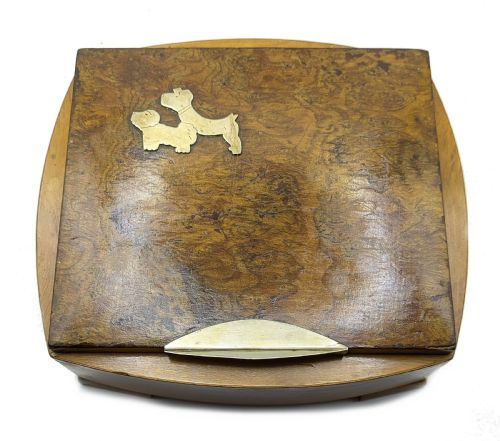
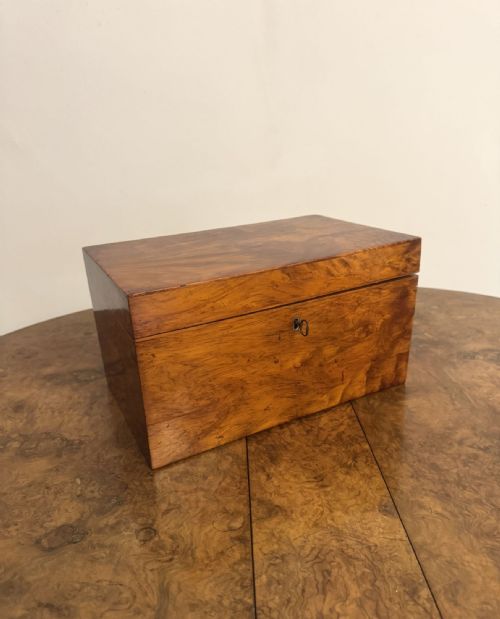
A vintage burr walnut box brings rich, swirling grain and deep warmth to a desk or table, crafted to hold letters, tea, or valuables.
Vintage Burr Walnut Box
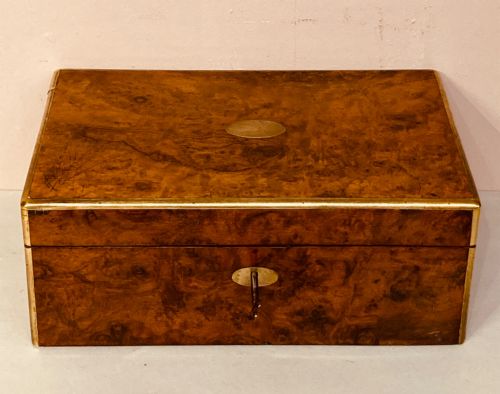
A vintage burr walnut box is a container shaped by periods from the eighteenth century through the Edwardian era, utilising highly figured timber known for its swirling burl patterns. The listings show these pieces serving various practical purposes, appearing most frequently as tea caddies, writing slopes, and decorative storage containers.
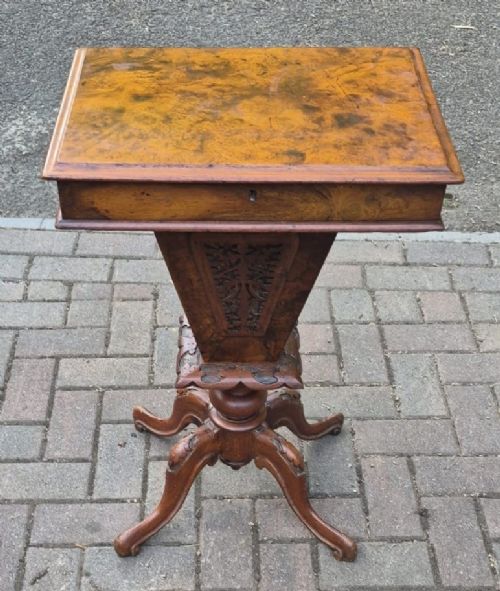
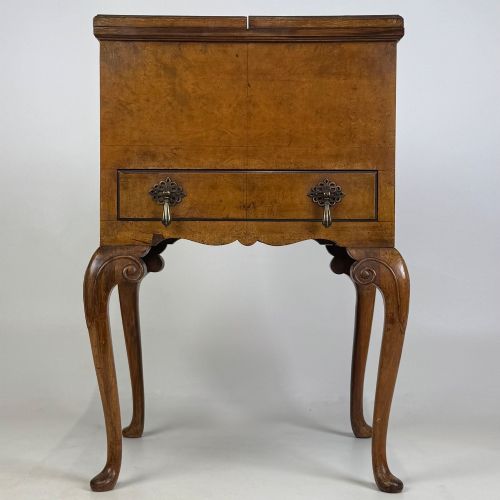
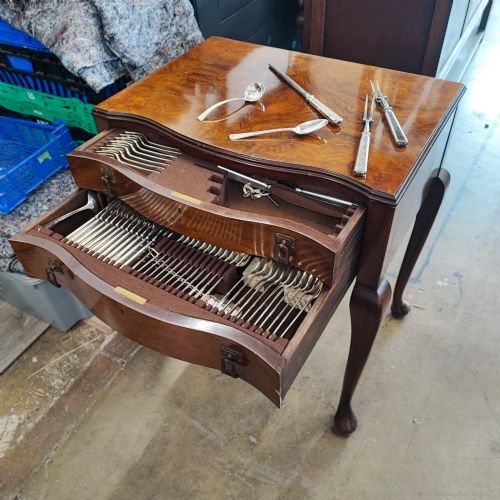
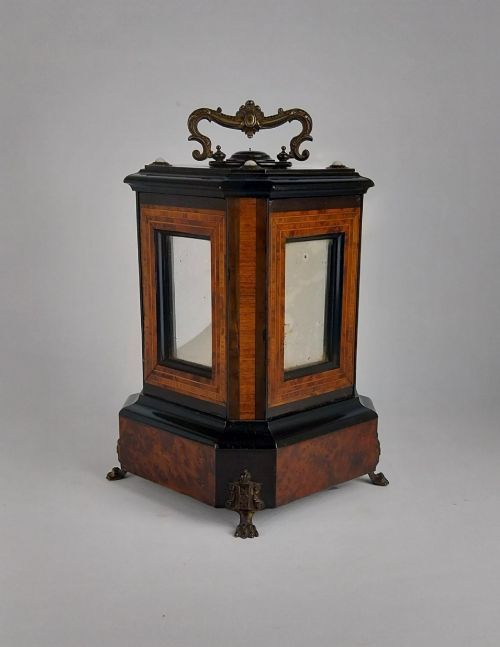
Buyers seeking this phrase encounter forms ranging from compact Georgian tea caddies to substantial Victorian jewellery cabinets and cigar humidors. The selection on this page also includes larger furniture pieces like work tables and music cabinets featuring walnut construction.
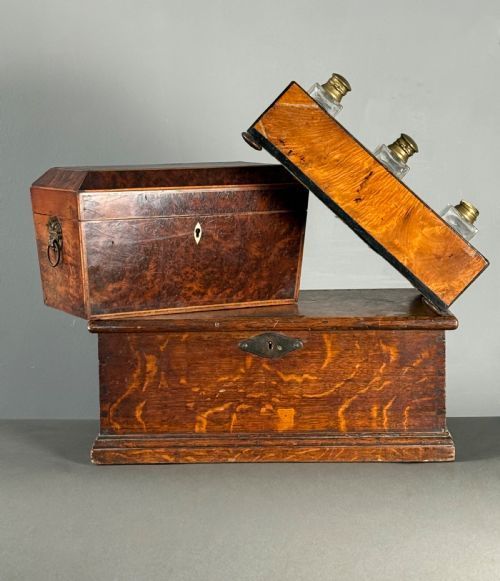
Origins span English workshops alongside nineteenth century French makers, incorporating brass hardware, glass, and ebonised wood details. These objects combine utility with decorative presence, designed to sit upon side tables or dressing mirrors.
What varies in quality
Quality rests primarily in the density and visual impact of the burr walnut figuring across the exterior surfaces, alongside the precision of the cabinet work. Superior pieces display continuous, well-matched veneer grain that wraps smoothly over the edges of the box.
The integrity of the internal fittings and the original hardware, such as functioning locks with matching keys or heavy brass campaign mounts, elevate the standing of a piece. Finer examples maintain their original polished finish and structural tightness without warping or veneer lifting.
Object forms recorded in the evidence range from tea caddies and writing slopes to music cabinets, cigar humidors, and decanter boxes.
B A Bremond·Chubb·Waring & Sons·Waring & Gillow
The Vintage Burr Walnut Box Glossary
- Burr walnut
- A veneer sliced from the deformed growth or burl of a walnut tree, prized for its complex, swirling grain patterns. It creates highly decorative surfaces on luxury furniture and boxes.
- Tea caddy
- A container designed specifically to store loose tea leaves securely. They often feature internal lidded compartments and were made in various geometric and oval forms during the Georgian period.
- Writing slope
- A portable desk featuring a hinged, slanted writing surface that folds flat for storage. Inside, they typically provide compartments for inkwells, pens, and correspondence.
- Escutcheon
- A flat plate of brass or bone surrounding a keyhole. It protects the surrounding wood from wear caused by the insertion of a key.
- Campaign box
- A piece of furniture or container built for travel, typically featuring recessed brass handles and reinforced corners. These items were constructed to withstand the rigours of military movement.
Vintage Burr Walnut Box: Frequently Asked Questions
What did people store in a vintage burr walnut box?
These boxes served multiple domestic purposes depending on their internal configuration, holding luxury commodities like tea, tobacco, cigars, and playing cards. Many were tailored for correspondence, containing slots for stationery, ink, and pens.
Others functioned as secure repositories for jewellery, sewing implements, or sewing accessories, keeping valuable personal items organised and protected on dressing tables.
How do I date a burr walnut box?
Dating relies on observing the construction methods, hardware styles, and overall form relative to known periods like the Georgian, Victorian, or Edwardian eras. Georgian examples often lean towards simpler tea caddies or writing slopes, while Victorian pieces frequently incorporate heavier brass mounts, more ornate veneer work, and fitted compartments.
Internal linings, lock mechanisms, and the presence of maker stamps or paper labels also provide concrete chronological markers. Comparing the style of the feet and handles helps narrow down the decade of manufacture.
How should I care for burr walnut furniture?
Burr walnut requires stable environmental conditions away from direct sunlight and strong heat sources, which can dry out the timber and cause the veneer to warp or crack. Dusting with a soft, dry cloth is usually sufficient for routine maintenance.
Occasional application of appropriate furniture wax helps nourish the wood and preserve the depth of the polished finish without building up heavy residue. Avoid using chemical sprays or excessive moisture on antique wood surfaces.
Are these boxes still functional today?
Most antique burr walnut boxes retain full mechanical utility for storing modern items like watches, trinkets, stationery, or keepsakes. Writing slopes and jewellery cabinets provide practical compartments that easily adapt to contemporary desktop or dresser use.
While some locking mechanisms require professional attention or replacement keys, the structural integrity of the timber boxes generally allows for continued everyday enjoyment in a modern home.