
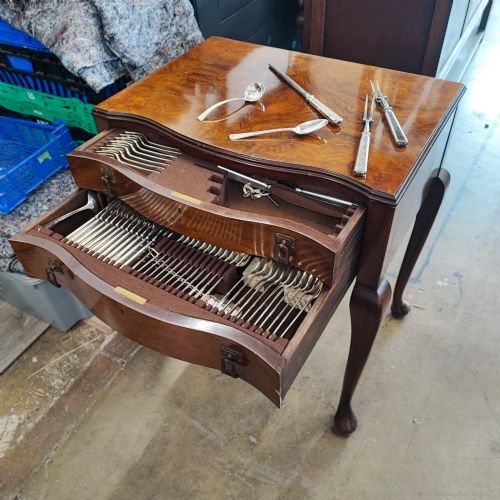


Georgian Walnut Box
A georgian walnut box brings tactile warmth and period utility to a room, offering a tangible link to eighteenth-century craftsmanship through fitted interiors and figured timber.
Georgian Walnut Box
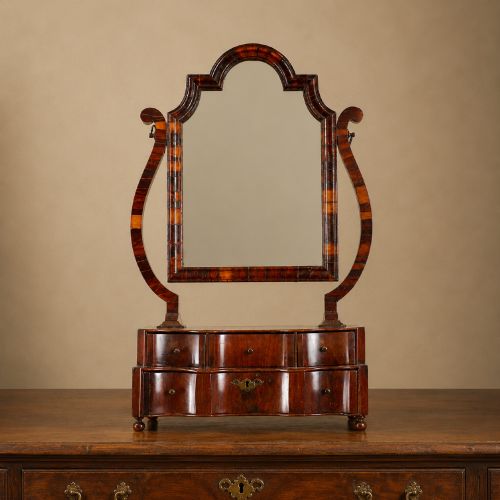
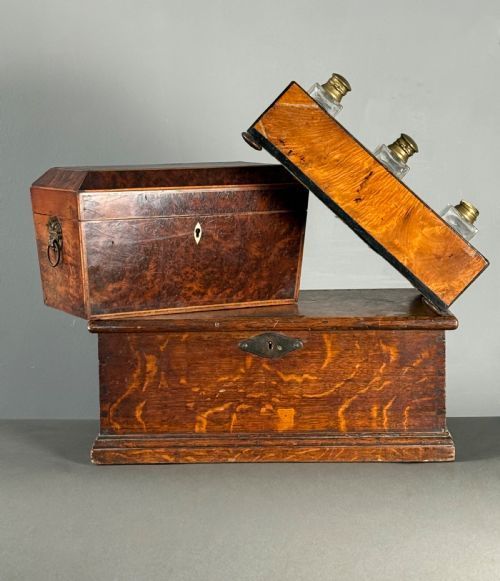
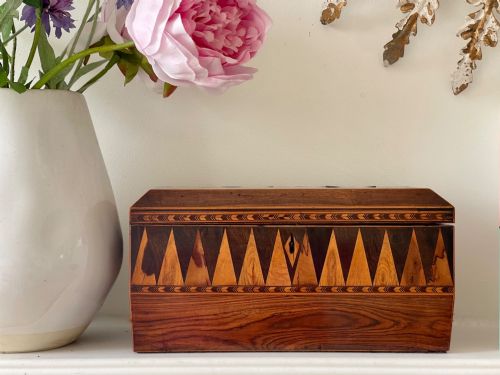
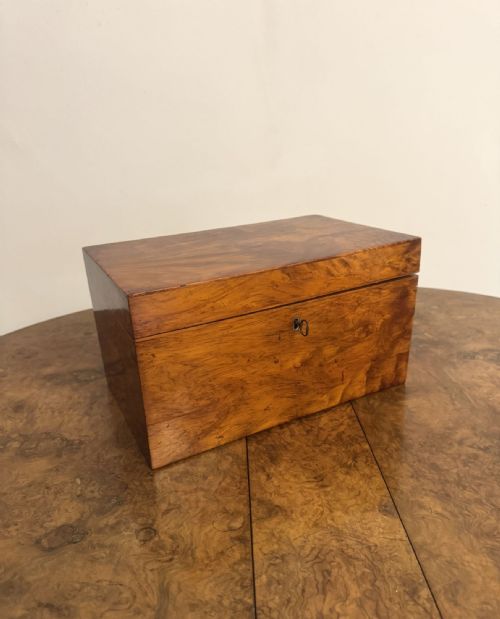
When you search for a georgian walnut box, you encounter a diverse range of functional receptacles spanning the eighteenth and early nineteenth centuries. The selection encompasses tea caddies, writing slopes, jewellery cabinets, and dressing table mirrors fashioned in timber from the period.
You are most likely to meet tea caddies and dressing table mirrors dating from the Georgian, Queen Anne, and Regency eras on this page. These containers served specific domestic purposes, from storing precious leaf tea to organising correspondence and personal adornments.
The objects reflect the domestic habits of past centuries, utilising dense hardwoods for everyday utility and display. Surviving examples demonstrate how homeowners kept valuables secure before modern banking practices became widespread.
How they were made
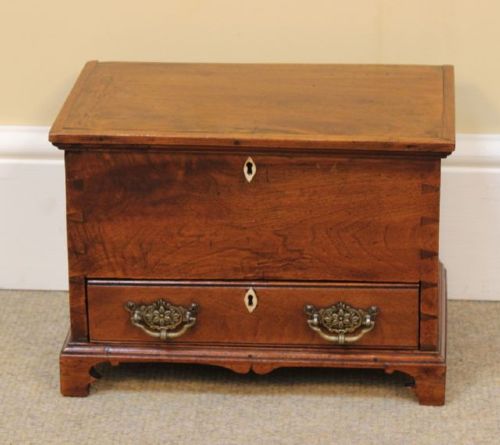
Cabinetmakers constructed these pieces using solid walnut, burr walnut veneers, and oak secondary timbers, joined with dovetails and secured with brass hinges, escutcheons, and carrying handles. Timber selection depended on the desired finish, employing highly figured grains for primary visible surfaces.
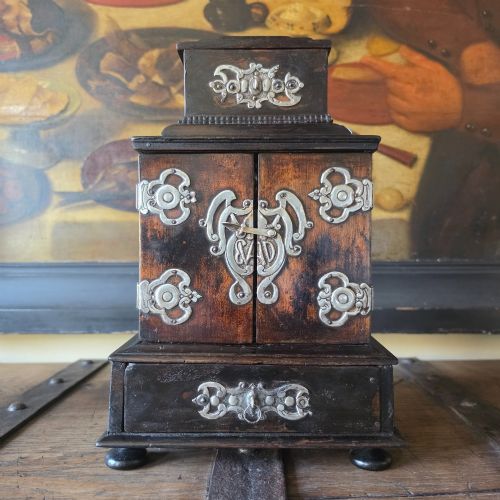
Surface decoration involved careful grain matching, inlay, and boxwood stringing, alongside brass corner mounts for campaign or travel pieces. Internal fittings relied on miniature drawer construction and velvet or silk linings tailored to hold specific items.
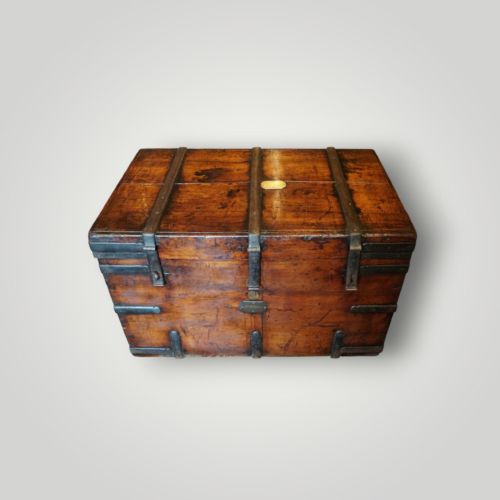
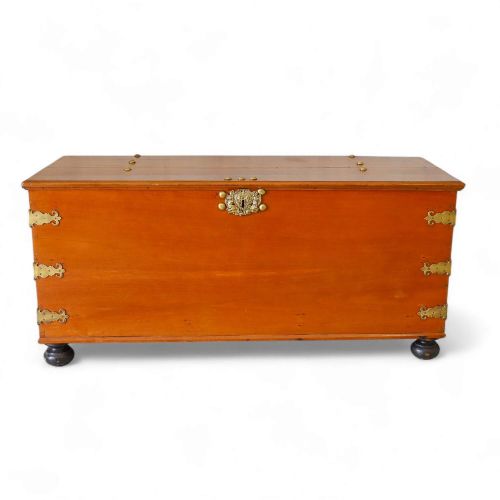
Sir Randolph Isham Routh carried an iron-bound trunk through the Waterloo campaign, proving that even a commissary general needed a sturdy box for his gear.
What varies in quality
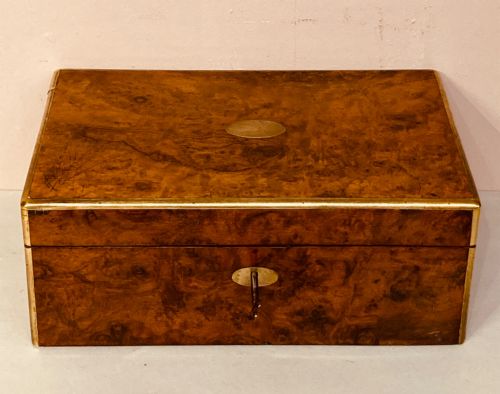
The quality of a piece rests upon the choice of timber figure, the precision of the dovetail joints, and the integrity of the internal fittings. Burr walnut surfaces with dramatic grain patterns command attention for their visual depth.
Original hardware, working locks with matching keys, and intact secondary linings elevate an object above those with replaced hinges or compromised interiors. Structural harmony between the primary walnut exterior and internal compartments defines the standard of the maker's workshop.
William Austin·Joseph Egg·J Robinson
The Georgian Walnut Box Glossary
- Burr walnut
- A specialised timber harvested from the tree's growth growths, yielding complex, swirling grain patterns. It was sliced into thin veneers for decorative furniture and box exteriors.
- Writing slope
- A portable desk featuring a hinged, slanted lid that opens to reveal a flat writing surface, inkwell compartments, and secret drawers. These were essential for travellers and writers.
- Tea caddy
- A small container designed to store precious loose tea leaves securely under lock and key. Many period examples feature internal lidded canisters.
- Dovetail
- A traditional interlocking corner joint formed by interlocking pins and tails. It provides exceptional tensile strength for box construction without relying solely on metal fasteners.
- Escutcheon
- A decorative metal plate surrounding a keyhole that protects the surrounding wood from wear. They are typically cast in brass on period pieces.
Georgian Walnut Box: Frequently Asked Questions
What were tea caddies used for?
Tea caddies served as secure containers for storing high-value loose tea leaves in eighteenth-century households. Because tea was an expensive commodity, these boxes were routinely fitted with working locks to prevent pilfering by domestic staff.
Inside, divided compartments or removable canisters kept different tea varieties separated. The homeowner kept the key close at hand, guarding the precious supply from everyday access.
How do I identify a writing slope?
A writing slope typically appears as a rectangular wooden box that opens along a central hinge to form a slanted writing surface. Inside, you will find partitioned spaces for inkwells, pens, and stationery.
Many examples include a leather-lined writing flap that lifts to reveal secret compartments underneath. These portable desks allowed owners to write letters comfortably while travelling or moving between rooms.
What is burr walnut?
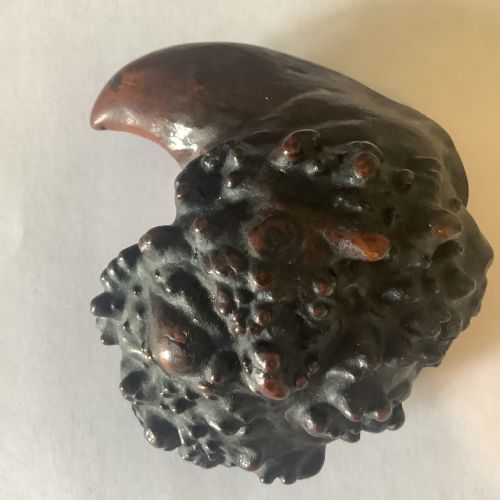
Burr walnut is a decorative wood veneer derived from a growth knot on the walnut tree. It produces swirling, concentric grain patterns that create a dramatic visual texture on box lids and drawer fronts.
Cabinetmakers prized this material for high-status items because no two sections of grain matched. It was applied over a stable secondary timber carcass to prevent warping while displaying maximum ornamentation.
How should I care for a walnut box?
Maintain your box by placing it away from direct sunlight and sudden temperature fluctuations, which can cause old timber to dry and crack. Applying a light coat of appropriate wax periodically helps preserve the finish of the wood.
Avoid using modern liquid polishes or chemical sprays that may damage historic surface patination. Gentle dusting with a dry, soft cloth remains the safest method for routine maintenance.