

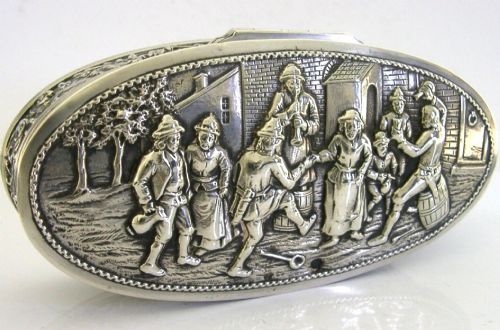

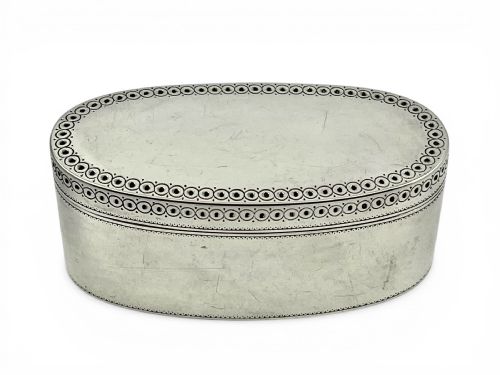


Oval Tobacco Box
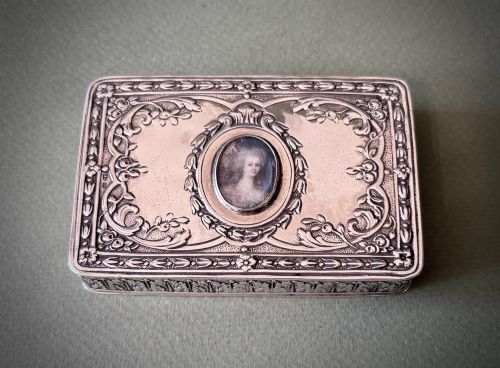
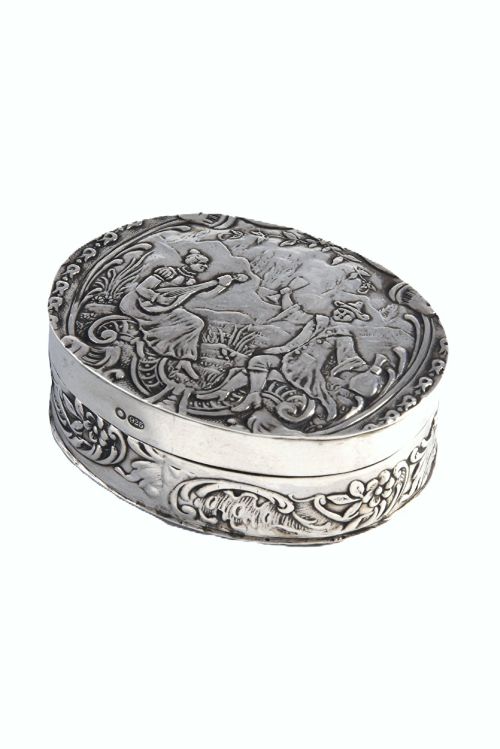
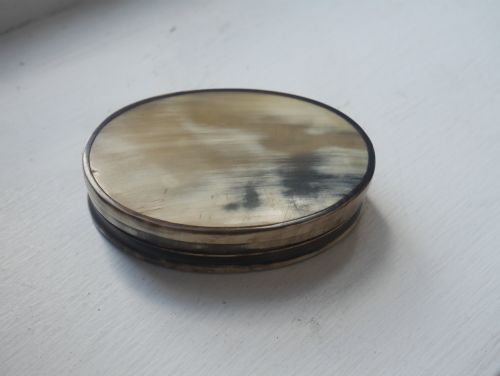
An oval tobacco box is a pocket or table container designed for loose leaf, meeting you in brass, silver, horn, and walnut across Georgian and Edwardian periods.
Oval Tobacco Box
An oval tobacco box is a compact lidded container created to hold smoking leaf or snuff, encountered frequently on this page in Georgian and Edwardian iterations. These pieces span small pocket formats and heavier table boxes designed for desk use.
The materials recorded in the evidence range from solid silver and brass to natural horn, walnut, and leather. Buyers searching for an oval tobacco box encounter items shaped by Dutch traditional, French neoclassical, and Rococo revival styles.
Construction and materials
Makers utilised metals such as brass and solid silver alongside organic substances like natural horn, walnut, and leather. Heavy gauge brass and hand wrought techniques appear frequently in Dutch examples.
Engraving and vari-coloured gold enrichment demonstrate the decorative methods applied to metal surfaces during the eighteenth and early twentieth centuries.
Oval Tobacco Box Retail Price Guide 2026
Typical asking prices for oval tobacco box among the pieces listed under this phrase on Sellingantiques today, from the lower quarter to the upper quarter. They describe what is for sale here now, not the wider market.
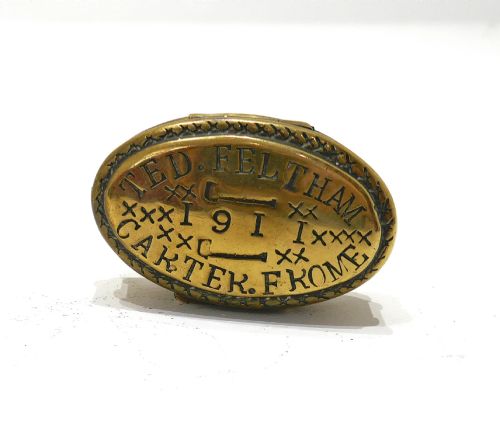
One brass snuff box carries the engraved name Ted. Feltham from 1911, preserving a specific owner's identity across the decades.
Measures of quality
Quality rests on the weight of the metal and the precision of the engraving, distinguishing heavier desk boxes from lighter pocket containers. The choice of material, from plain brass to solid silver or 18ct gold, sets the baseline.
The clarity of period hallmarks and the crispness of hand-wrought details separate standard production from superior examples.
Joseph Ash
The Oval Tobacco Box Glossary
- Snuff box
- A small pocket container specifically made to hold powdered tobacco. These items often feature hinged lids and engraved decoration.
- Georgian
- Pertaining to the period from 1714 to 1830 spanning the reigns of the first four Georges. Pieces from this era show distinct classical proportions.
- Edwardian
- Relating to the reign of King Edward VII between 1901 and 1910. Items often reflect revived eighteenth-century motifs.
- Repoussé
- A metalworking technique where the artisan hammers the design from the reverse side to form a raised relief on the front. This method appears on brass and silver containers.
- Hallmark
- An official stamp applied to precious metals indicating purity, origin, and maker. These marks help date silver and gold items accurately.
Oval Tobacco Box: Frequently Asked Questions
What is an oval tobacco box used for?
These containers served to store leaf tobacco or powdered snuff securely in pockets or on desks. Their tight lids kept the contents fresh and dry.
Over time, many survived as decorative desk accessories or portable pocket keepsakes rather than functional smoking items.
How do I date an antique box?
Dating relies on official hallmarks for silver items, stylistic cues, and recorded maker details. Georgian and Edwardian pieces exhibit distinct decorative traits.
Materials such as natural horn, walnut, and specific brass casting techniques also provide clear chronological markers.
What is the difference between a tobacco box and a snuff box?
Tobacco boxes were traditionally larger, intended to hold leaf tobacco for smoking pipes, whereas snuff boxes were pocket-sized for powdered tobacco. However, terms overlap significantly in historical listings.
Both forms utilise similar hinged lids and materials like brass, silver, and wood.
How should I clean a silver or brass box?
Cleaning requires minimal intervention to preserve the original surface and age patination. Heavy polishing removes historical character.
Consulting a specialist conservator ensures that delicate engravings on silver or brass remain undamaged.