

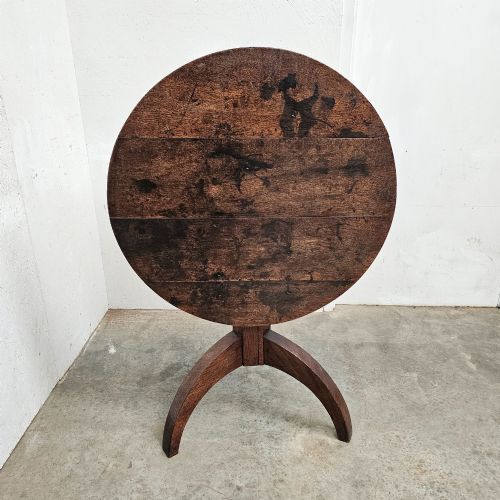
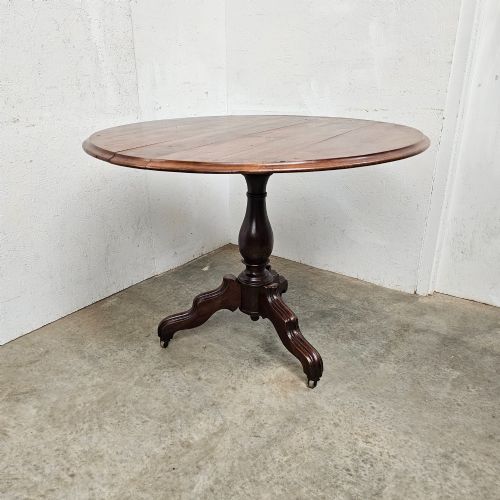

Antique Supper Table
An antique supper table provides a versatile dining surface with folding or tilt-top forms rooted in centuries of entertaining.
What an antique supper table is
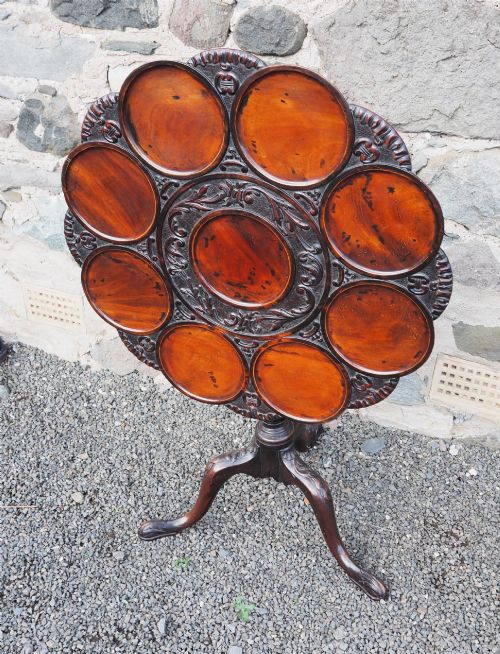
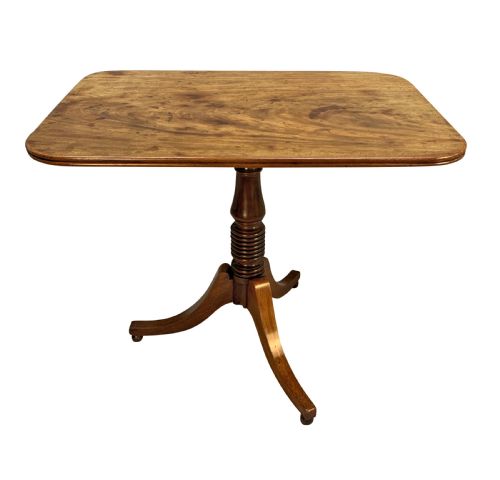
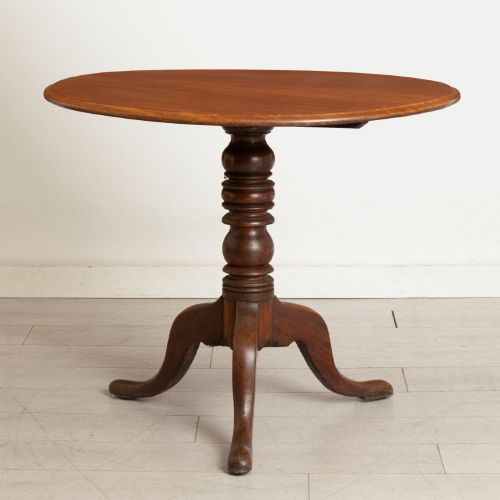
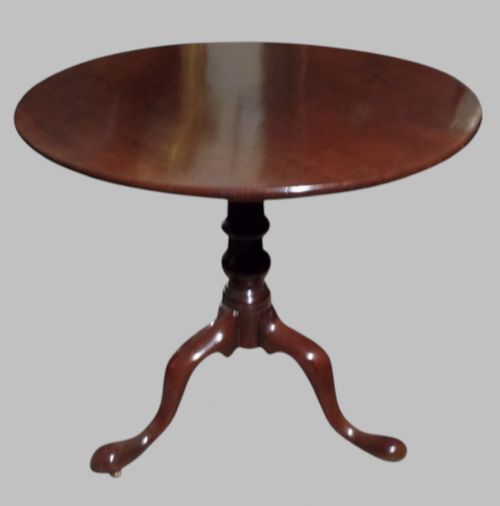
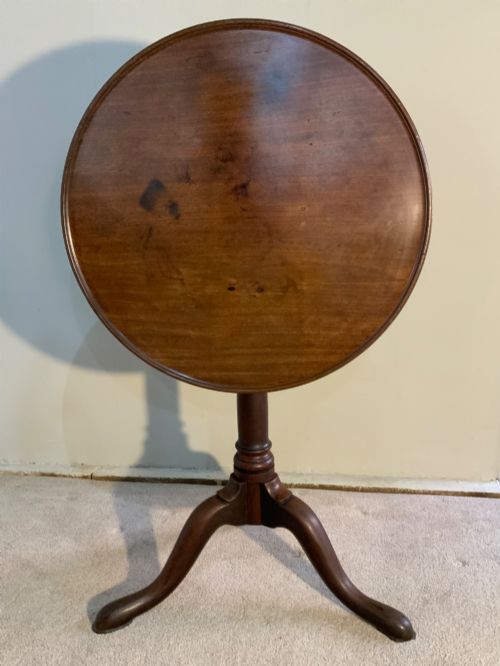
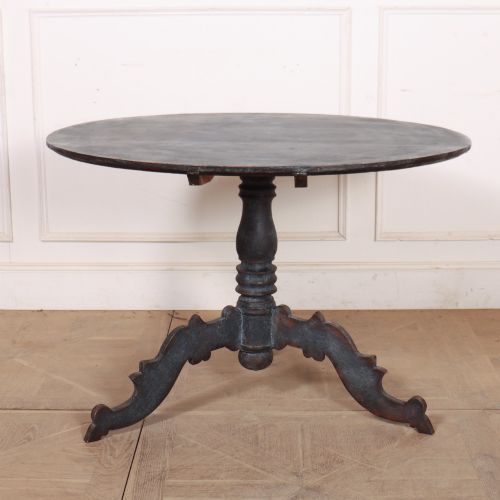
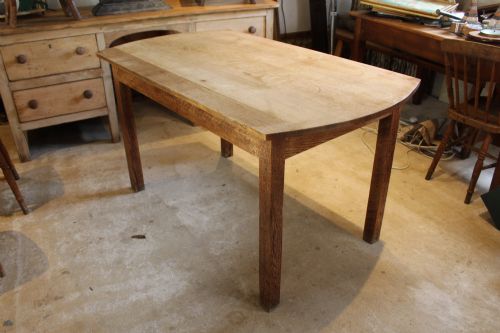
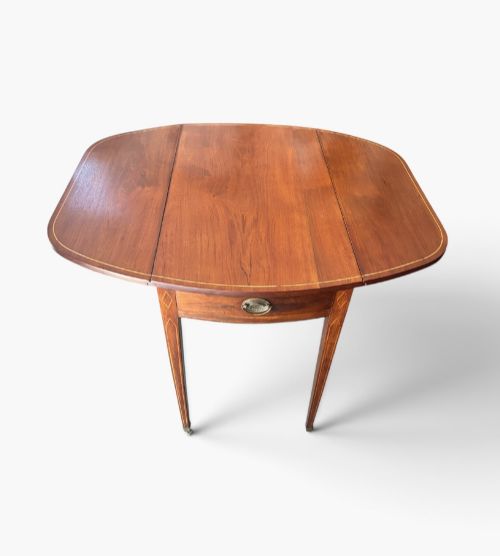
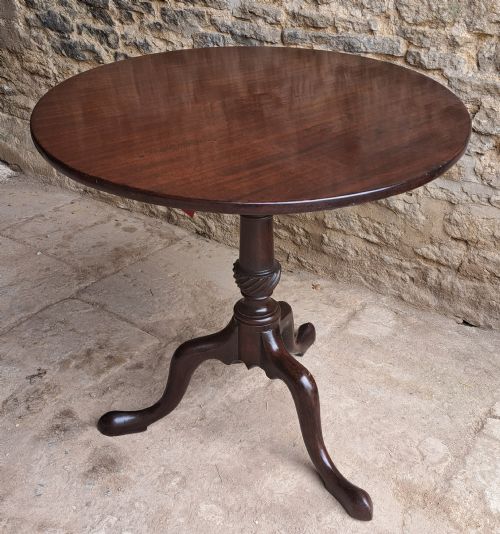
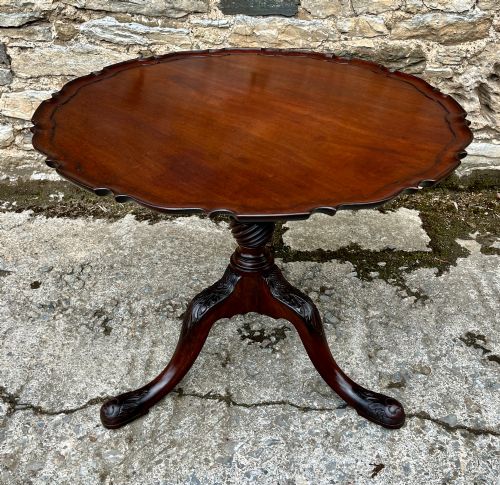
An antique supper table comprises various historical forms designed for evening dining and social gatherings, spanning Georgian, Regency, and Victorian periods. Buyers encounter round tripod tables with tilt tops alongside rectangular folding or drop-leaf versions suitable for smaller spaces.
The material palette leans heavily towards mahogany and oak, supplemented by walnut, rosewood, pine, fruitwood, and papier-mâché. These pieces function as occasional dining surfaces, display tables, or card and games tables depending on their mechanism.
How they were made
Cabinet makers utilised solid timber and veneers, incorporating boxwood inlay, brass mounts, and hand-decorated surfaces on papier-mâché variants. Construction methods include tripod bases with birdcage mechanisms, gateleg supports, and fold-over leaves.
Joinery methods such as drop leaves and folding hinges allow specific tables to transform from compact console formats into circular or oval dining surfaces.
Retail Price Guide 2026
Typical UK retail prices for supper table, calculated from the Sellingantiques database of over a million retail prices indexed since 2003. This retail price guide relies exclusively on Sellingantiques data; no external sources or auction records are used, so the figures do not describe the wider market.
Listings feature mahogany, oak, walnut, rosewood, and papier-mâché across Georgian, Regency, and Victorian periods.
What varies in quality
The grade of timber selection and complexity of internal mechanisms separate standard utilitarian pieces from high-status examples. Finely turned tripod columns, intricate boxwood stringing, and well-fitted brass mounts denote superior workshop output.
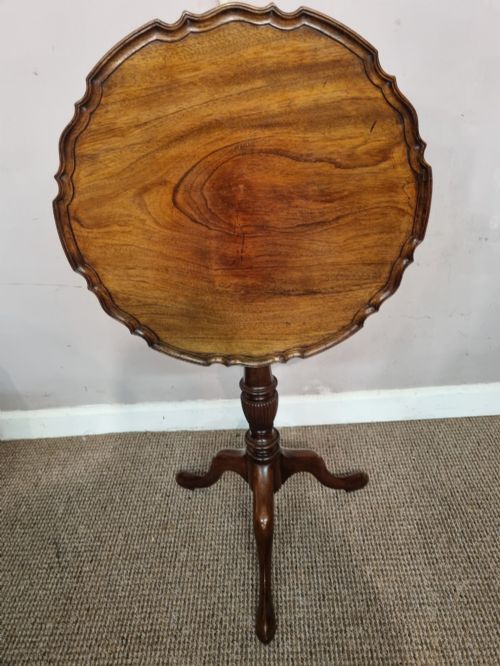
The crispness of carved edges, such as piecrust borders on tilt-tops, indicates the maker's skill level and the amount of hand-labour invested in the piece.
Wylie and Lochhead Ltd
The Antique Supper Table Glossary
- Tilt-top
- A tabletop hinged to a central pillar, allowing the surface to fold vertical when not in use. This mechanism saved floor space in smaller period rooms.
- Tripod table
- A small table supported by a pillar above three splayed legs. This form gained widespread popularity during the Georgian era for occasional use.
- Drop leaf
- A table featuring fixed centre panels and hinged flaps on the sides. These leaves drop down to reduce the furniture footprint.
- Gateleg table
- A table with hinged flaps supported by extra legs that swing out like a gate. This design provides sturdy support for folding leaves.
- Birdcage
- A rotating wooden framework beneath a tilt-top table that permits the surface to spin as well as pivot. It represents an elevated level of joinery.
Frequently Asked Questions
How did people use an antique supper table?
These tables served flexible roles in period homes, functioning primarily for evening meals, tea, or card games when social visitors arrived.
Their folding leaves or tilting mechanisms allowed households to clear floor space quickly after the meal concluded.
What is a tilt-top mechanism?
The tilt-top mechanism connects the tabletop to a central pillar via a hinged block, enabling the surface to rotate flat or stand upright.
This design originated to store the table against a wall when not in active use during the day.
How do I date a Georgian supper table?
Dating relies on timber choices, leg profiles, and structural hardware such as hand-cut screws or pivot blocks. Georgian examples frequently employ solid mahogany or oak with tripod pillar supports.
Details like boxwood inlay or specific foot shapes help narrow the manufacturing decade.
Can I use an antique supper table daily?
Many surviving examples remain structurally sound for everyday domestic use as dining or occasional surfaces. Regular maintenance involves gentle cleaning and avoiding excessive moisture on historic timber finishes.
Careful handling of folding leaves and tilt mechanisms preserves their operational integrity.