
Folding Drop Leaf Table
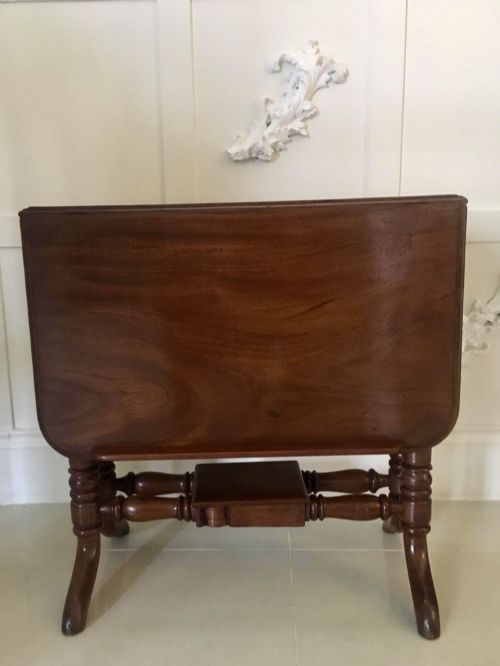
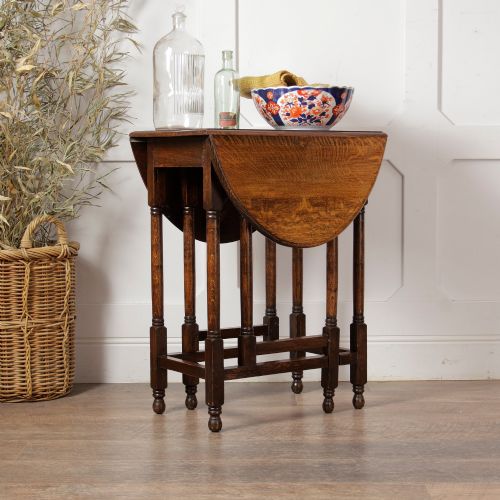
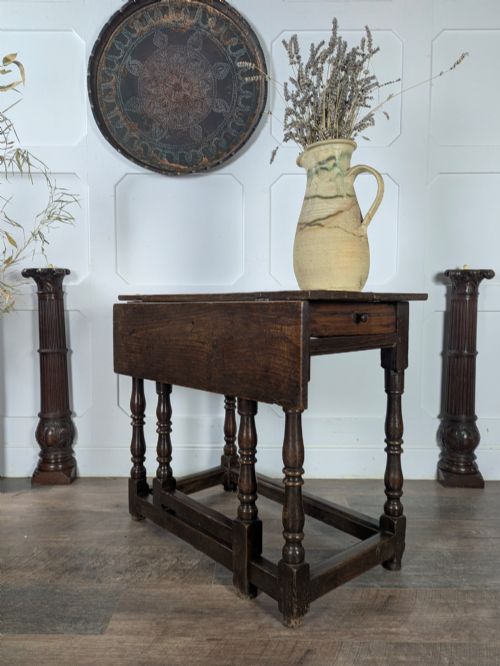
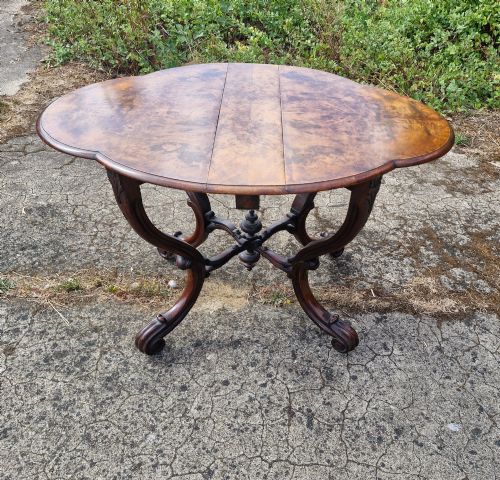
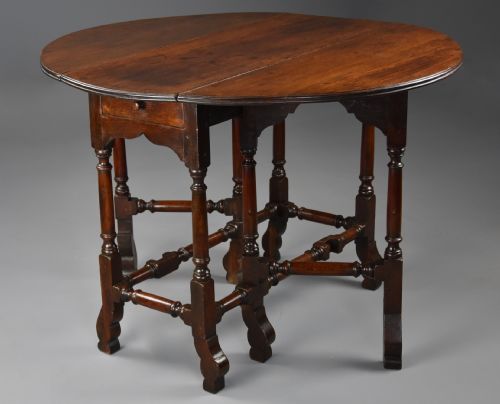
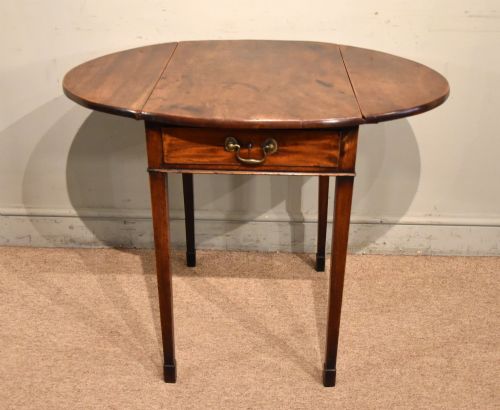
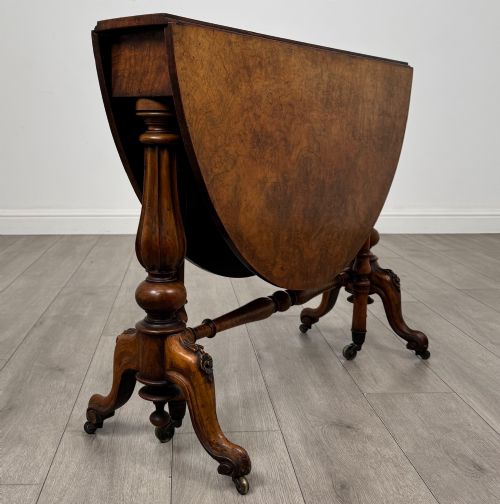
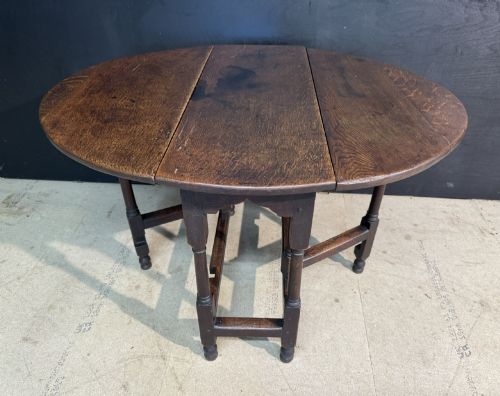
These folding drop leaf table examples combine timber framing with hinged flaps, offering surfaces that expand for dining and drop away to save floor space.
What these pieces are
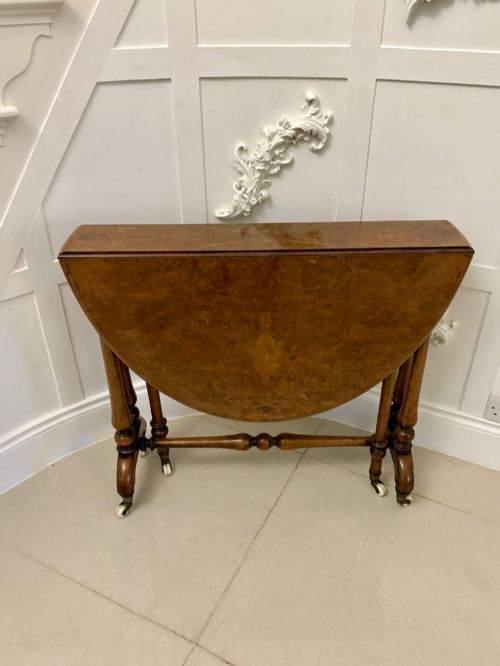
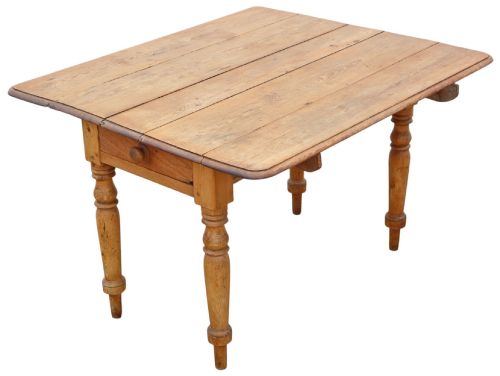
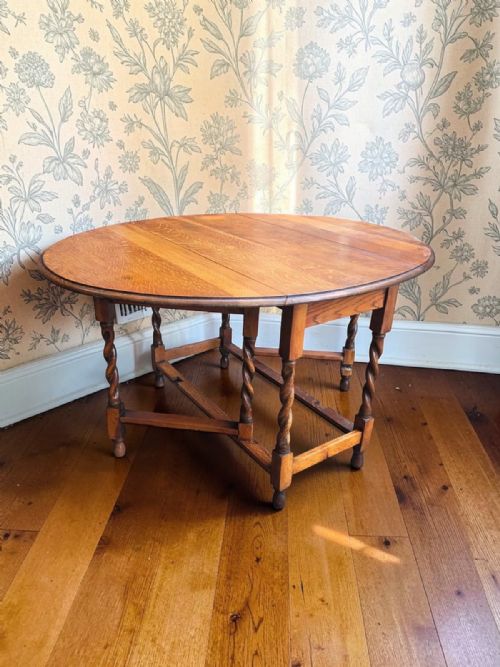
A folding drop leaf table sits in rooms where space shifts through the day, using hinged flaps to alter its footprint. The pieces on this page span the Georgian, Edwardian, and 1920 periods, showing how domestic furniture adapted from formal dining to occasional use.
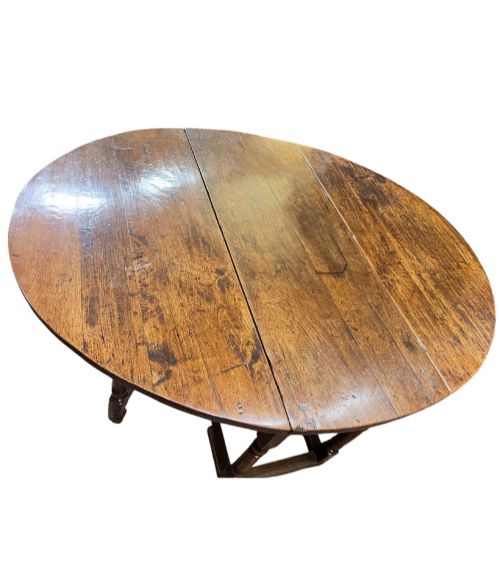
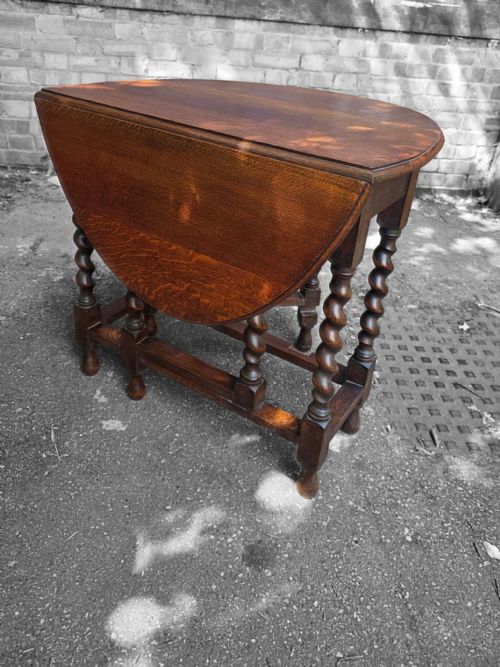
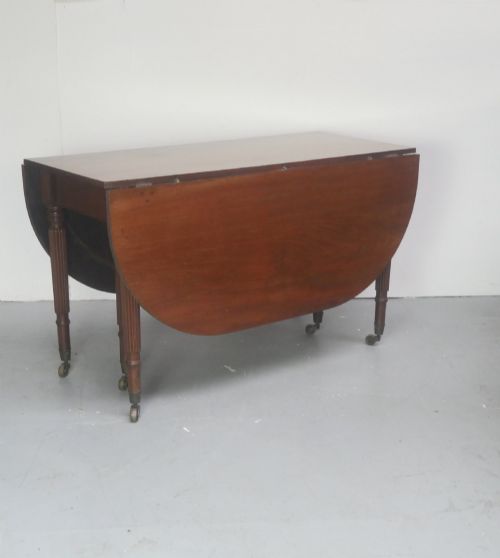
You will encounter forms ranging from George III mahogany Pembroke and cellarette tables to Edwardian tea tables and Italian green painted occasional pieces. Earlier examples often employ oak and fruitwood gate leg constructions, while later items introduce satinwood and walnut veneers.
The materials and styles reflect regional workshops and shifting tastes across the eighteenth, nineteenth, and early twentieth centuries. Whether intended for supper, tea, or display, each item relies on folding mechanisms to balance utility with compact storage.
How they were made
Cabinetmakers constructed these tables primarily in solid mahogany, oak, and fruitwood, sometimes applying satinwood and burr walnut veneers to prominent surfaces. Brass hinges, castors, and drop handles appear across various periods to support the movable flaps and drawers.
Joinery techniques include pegged joints on gate leg frames and dovetailing for drawers within Pembroke and tea tables. Surfaces receive hand-applied finishes, polish, or in certain instances like the Italian green painted example, decorative pigments.
Retail Price Guide 2026
Typical UK retail prices for folding drop leaf table, calculated from the Sellingantiques database of over a million retail prices indexed since 2003. This retail price guide relies exclusively on Sellingantiques data; no external sources or auction records are used, so the figures do not describe the wider market.
Several tables include hidden compartments or clever four-flap folding designs meant to surprise guests at tea time.
What varies in quality
Quality separates pieces through the selection of timber figures, such as highly figured mahogany or burr walnut, matched against the precision of the underlying joinery. Superior examples maintain stability in their folding leaves and gate legs without undue slack in the hinge alignments.
Refined pieces incorporate subtle decorative elements like satinwood stringing, inlay, or carved bracket feet rather than relying solely on plain utility. The integration of functional compartments, such as drawers or dumb waiter tiers, distinguishes finer workshops from basic domestic items.
The Folding Drop Leaf Table Glossary
- Drop-leaf table
- A table with a fixed central section and hinged flaps that fold down at the sides. These leaves are supported by swing legs or brackets when raised.
- Gate leg table
- A table with hinged legs that swing out like a gate to support the drop leaves. This construction provides robust support for large dining surfaces.
- Pembroke table
- A small rectangular table featuring two folding flaps on opposite sides and usually one or two small drawers. It gained popularity during the Georgian period for occasional use.
- Sutherland table
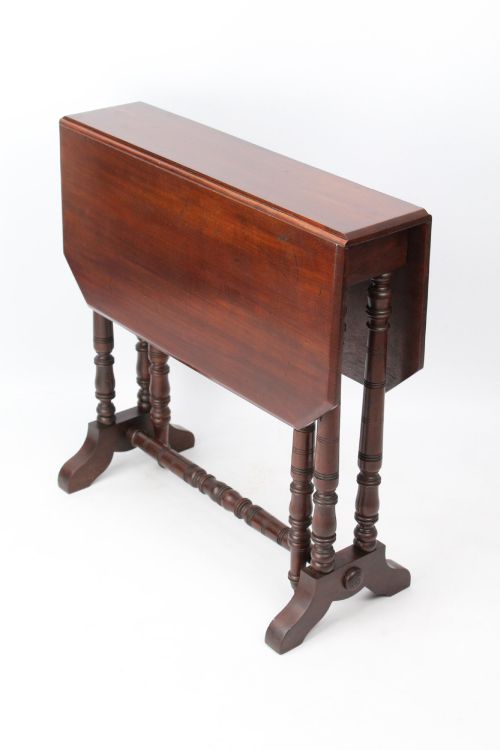
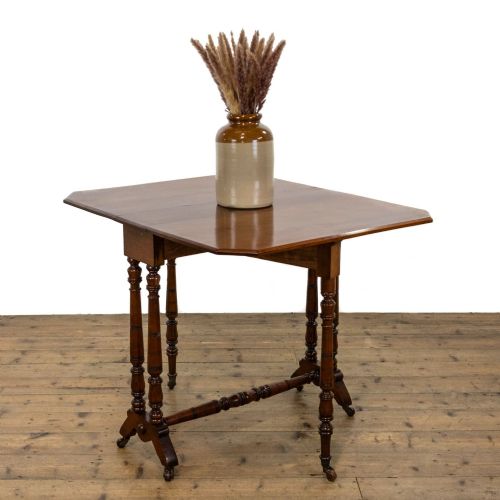
- A narrow drop-leaf table with exceptionally slender leaves and low-set legs connected by a stretcher. It folds down into a very compact footprint.
- Dumb waiter
- A tiered piece of furniture with rotating or folding shelves used to hold dishes or serving items without domestic staff present. Georgian iterations often feature folding sides.
Frequently Asked Questions
How do I support the drop leaves?
Drop leaves are typically held up by swinging gate legs, pivoting wooden brackets, or sliding wooden arms housed beneath the top.
You simply lift the leaf and rotate the supporting member outward until it clicks or locks into position beneath the edge.
Where were these tables used?
These tables served multiple rooms including dining spaces, sitting rooms, and parlours where furniture needed to adapt quickly.
Smaller occasional and tea tables moved easily beside seating, while larger gate leg and Pembroke formats functioned as primary dining surfaces.
How do I date a folding table?
Dating relies on timber choices, hardware types, leg profiles, and construction methods characteristic of specific periods like Georgian or Edwardian.
Examining secondary woods inside drawers and the style of hinges provides further clues to the decade of manufacture.
Are these tables sturdy enough for daily dining?
Most antique folding tables were built for active household use and handle everyday dining when the hinges and joints remain secure.
Care should be taken not to lean excessive weight on unsupported outer edges of the drop leaves.