


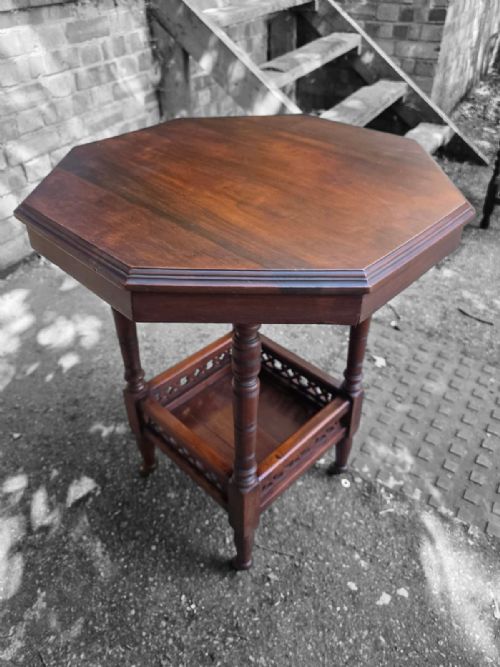
Brown Mahogany Accent Table
These brown mahogany accent table pieces offer rich timber tones and versatile forms that suit any period interior.
What these brown mahogany accent table examples are
A brown mahogany accent table brings traditional craftsmanship and rich timber grain to domestic spaces, functioning as a practical surface for daily use. The examples gathered under this search phrase span centuries of cabinet making, from Georgian designs to Edwardian interpretations.
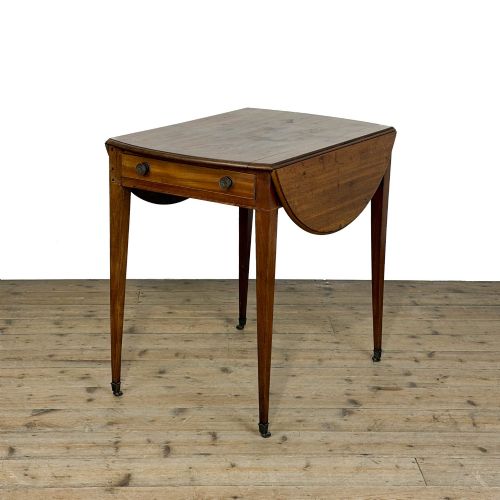
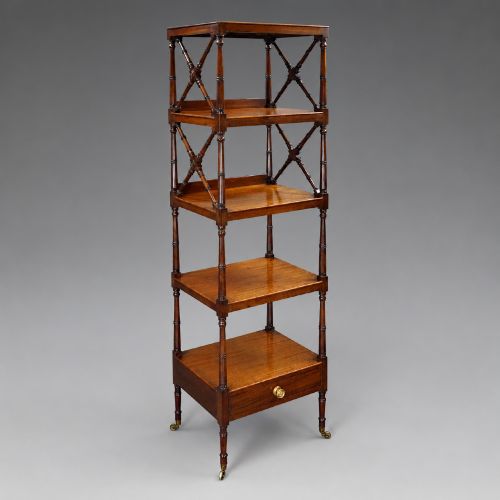
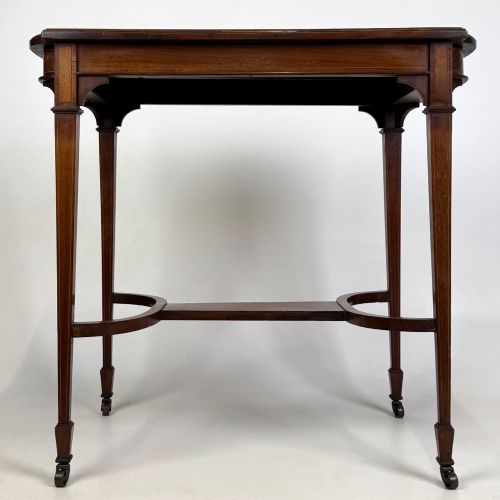
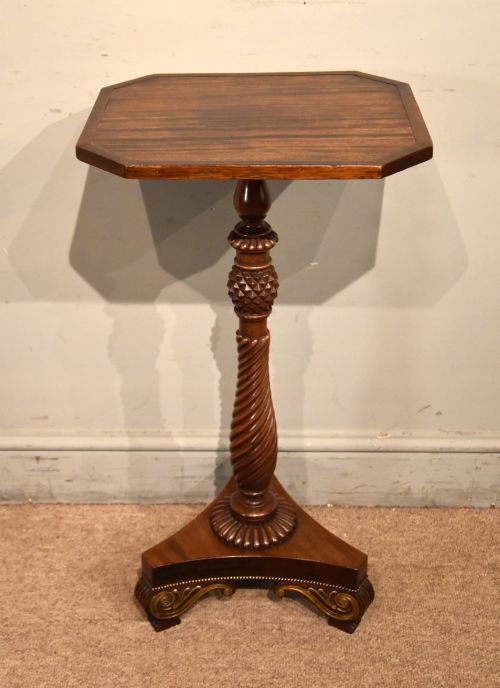
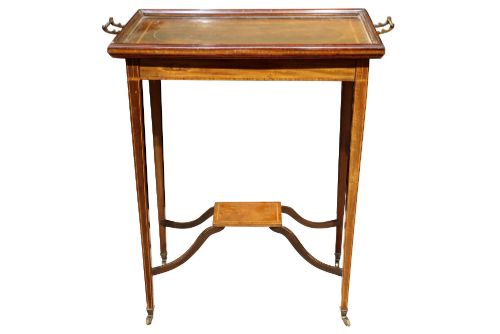
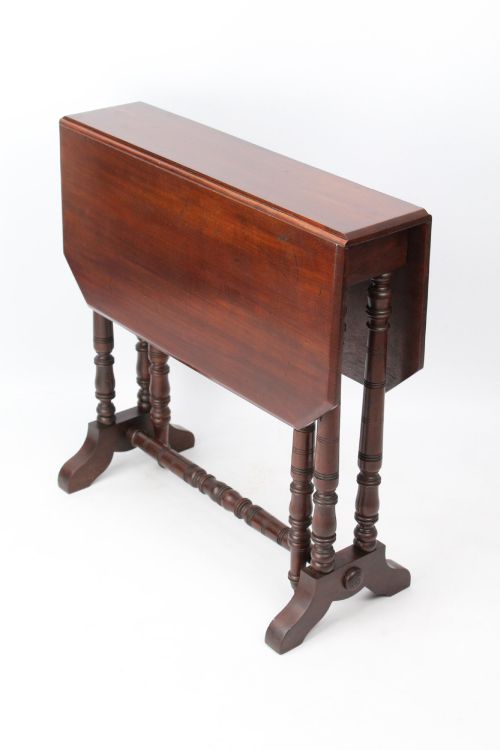
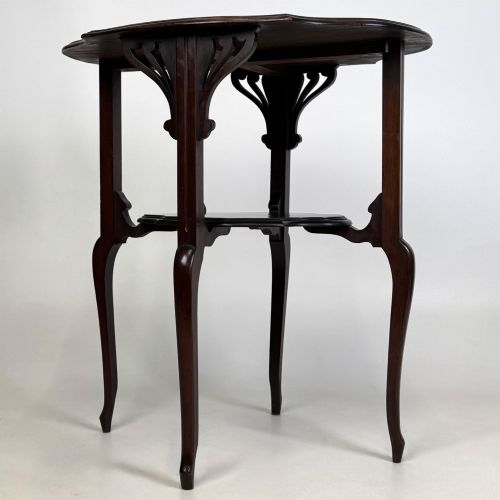
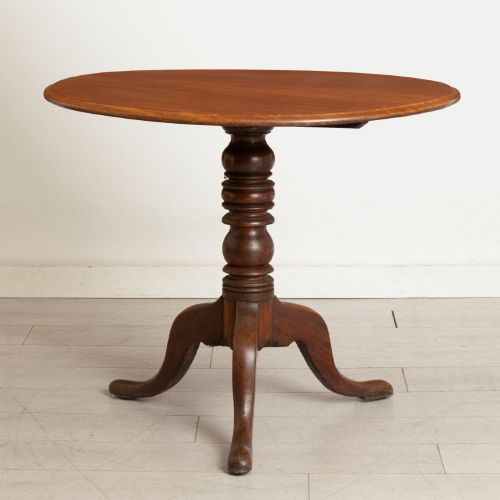
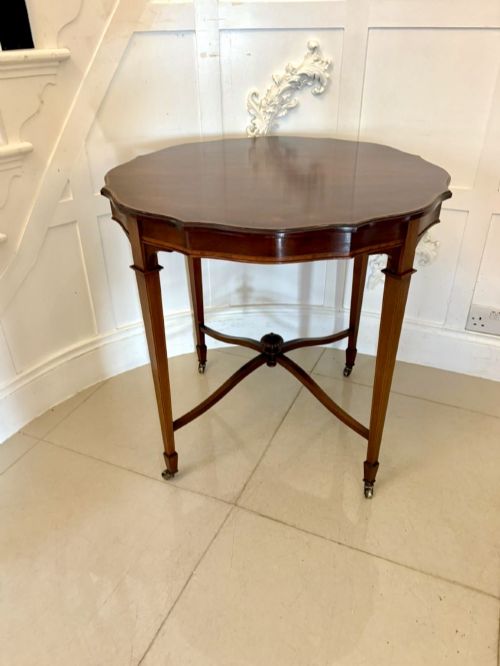
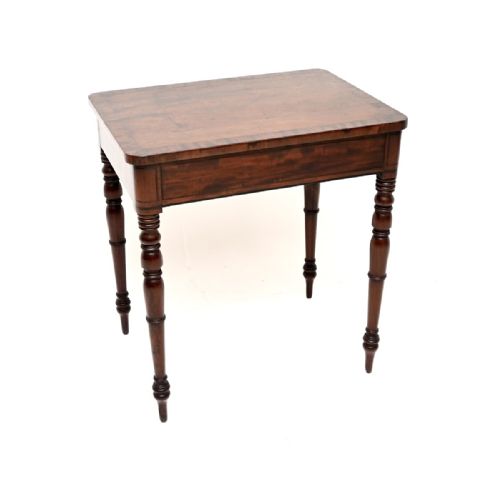
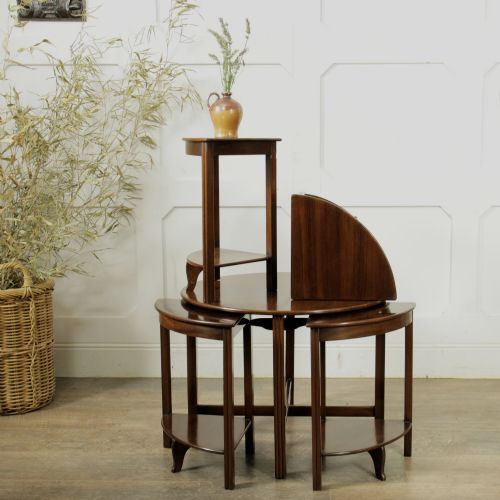
The pieces presented here include side tables, occasional tables, wine tables and Pembroke tables. Buyers regularly encounter compact forms alongside drop-leaf variations designed to expand when needed.
Origins represented in this selection reach across the Victorian and Edwardian eras, as well as the Georgian period. Each piece reflects the evolving domestic requirements of its time while retaining the warm character of mahogany.
How they were made
Cabinet makers constructed these tables using solid mahogany and carefully selected veneers, sometimes incorporating contrasting timbers such as satinwood for decorative inlay work. Structural stability was achieved through traditional joinery techniques suited to the particular form of each table.
Metal components such as brass hardware appear on specific designs, notably on tea tables and Pembroke tables with folding leaves or operating drawers. Surfaces received hand-finished polishes that enhanced the natural figure and depth of the wood.
Retail Price Guide 2026
Typical UK retail prices for brown mahogany accent table, calculated from the Sellingantiques database of over a million retail prices indexed since 2003. This retail price guide relies exclusively on Sellingantiques data; no external sources or auction records are used, so the figures do not describe the wider market.
Several tea tables hide four flapping leaves designed to expand surface area instantly when unexpected guests arrived for afternoon refreshment.
What varies in quality
Quality in these pieces rests upon the selection of timber grain, the precision of the joinery and the subtlety of any inlay work. Finer examples display harmonious figure matching across tabletops and well-proportioned turned or carved supports.
The integrity of the construction, from the movement of drop leaves to the fit of drawer components, separates standard utilitarian items from superior cabinet work. Original surface patination and restrained decorative details further elevate the standing of an individual table.
The Brown Mahogany Accent Table Glossary
- Pembroke table
- A small occasional table featuring two hinged flaps on opposite sides that can be raised or lowered. These versatile tables often include a single drawer and delicate legs.
- Wine table
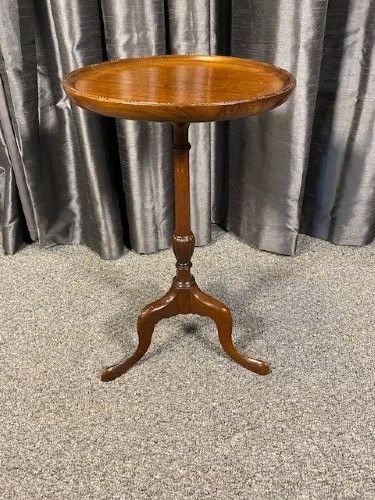
- A compact single-pedestal table historically designed to hold a bottle and glasses during evening gatherings. They typically feature a circular top supported by a central pillar and tripod base.
- Satinwood
- A pale, lustrous hardwood sourced from tropical regions, frequently utilised for contrasting stringing and decorative inlay on dark mahogany surfaces.
- Inlay
- A decorative technique where pieces of contrasting timber are fitted into recessed areas of the primary surface to create geometric or floral patterns.
Frequently Asked Questions
What is a pembroke table?
A Pembroke table is a small rectangular table fitted with two hinged drop leaves on opposing sides. It often includes a single drawer and was designed for flexible use in sitting rooms and parlours.
Cabinet makers produced these tables throughout the Georgian and Victorian periods, adapting their proportions and leg styles to suit changing domestic fashions.
How do I use a wine table?
A wine table provides a small, stable surface suited to holding a drink, a book or a small lamp beside a chair. Its compact footprint allows it to fit into tight corners where larger furniture cannot go.
These pieces bring period character to modern rooms while serving an active role in daily living.
What is mahogany?
Mahogany is a durable tropical hardwood valued for its rich reddish-brown colour and stable working properties. It became the dominant timber for British cabinet making from the eighteenth century onwards.
The wood accepts hand polishing exceptionally well, developing a deep patination over decades of use.
How do I identify the period?
Period identification relies on observing the structural form, leg profiles, timber selection and construction methods used in the piece. Georgian items often display restrained classical proportions, while Victorian and Edwardian examples show distinct changes in decorative vocabulary.
Comparing the specific hardware and joinery details against known stylistic markers helps narrow down the decade of manufacture.