



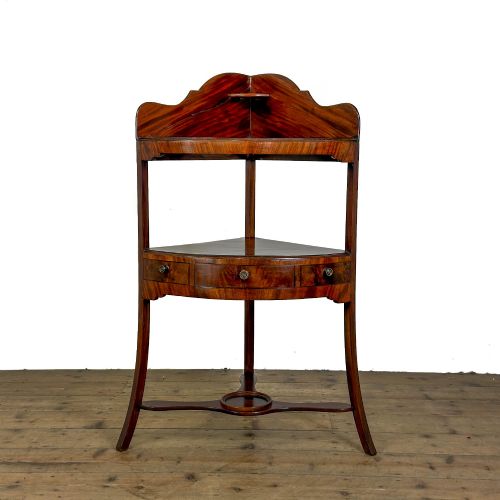
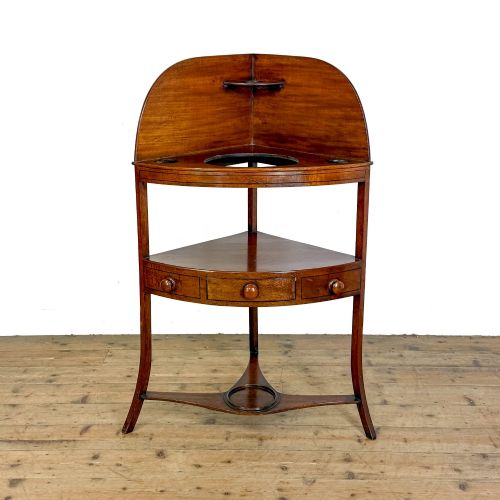
Georgian Corner Table
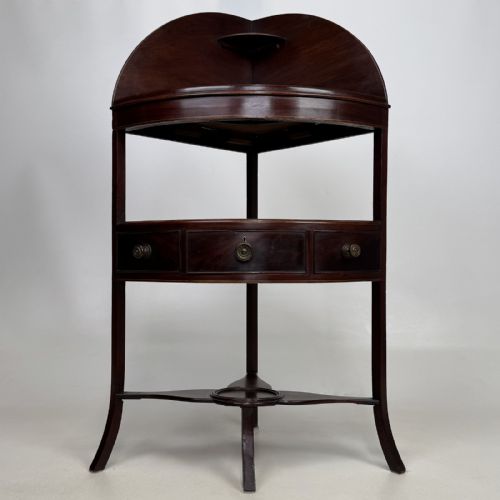
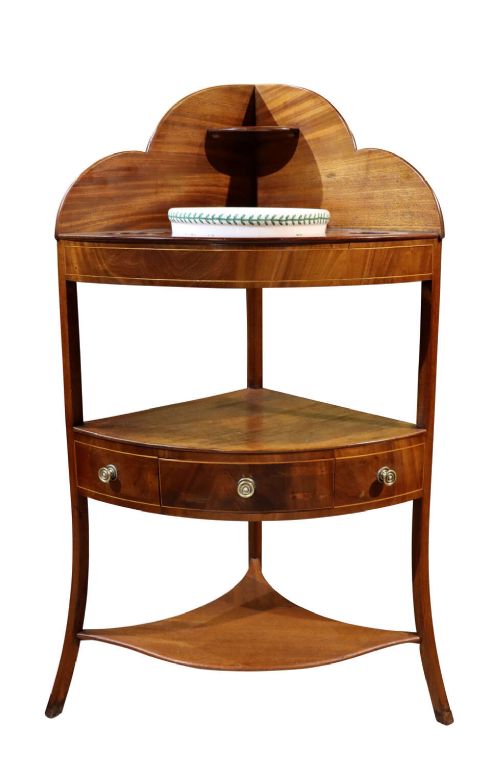
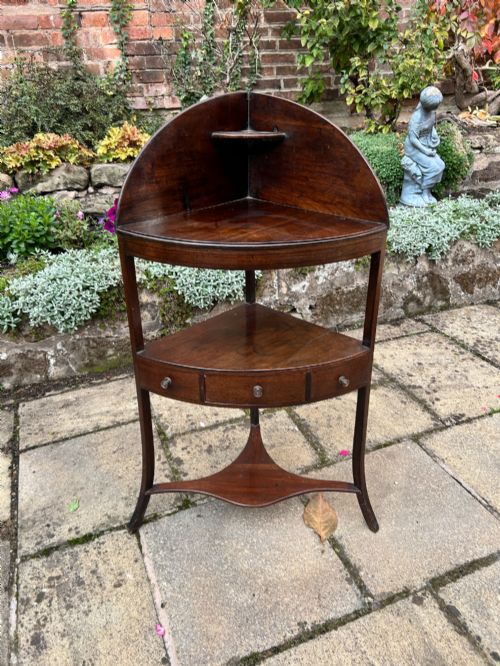
A georgian corner table makes clever use of awkward spaces, bringing mahogany timber and period joinery directly into empty room junctions.
Georgian Corner Table
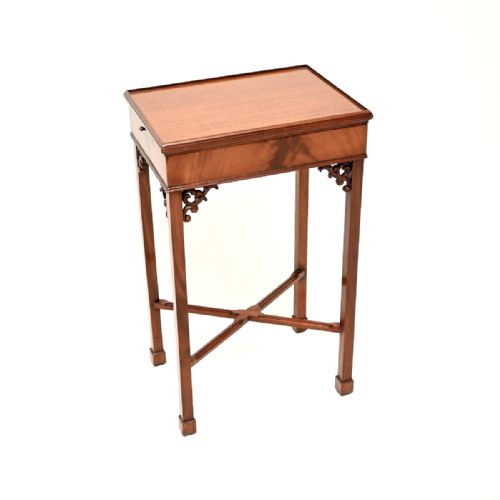
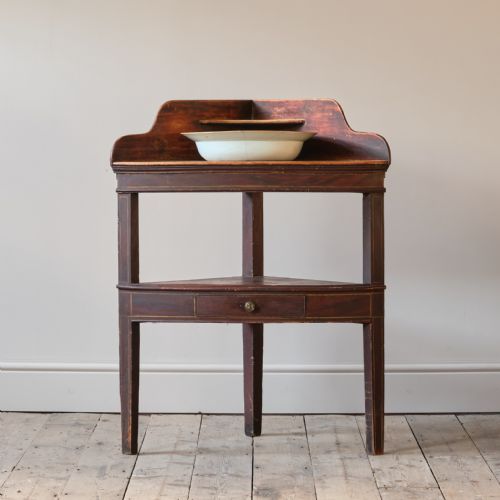
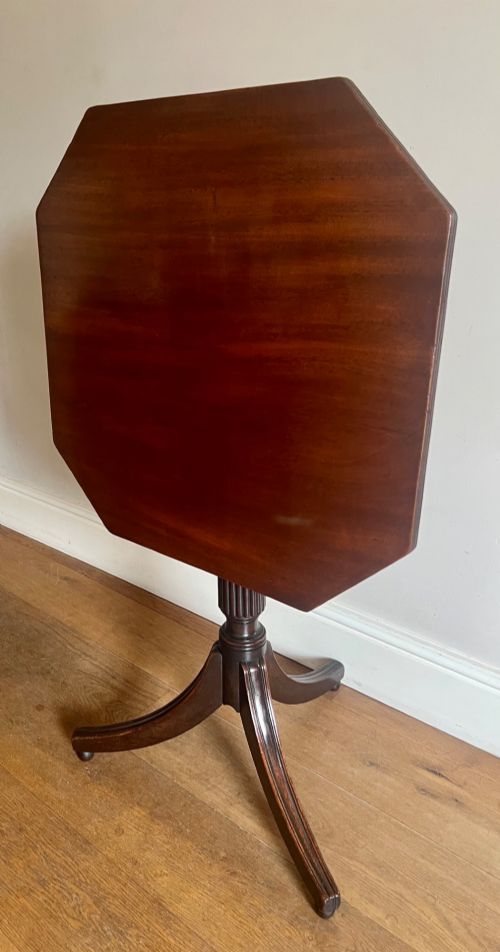
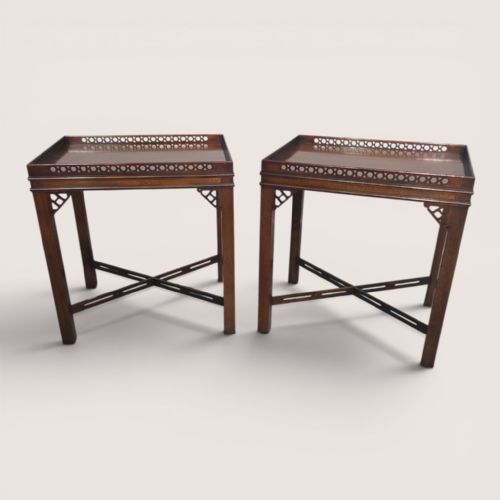
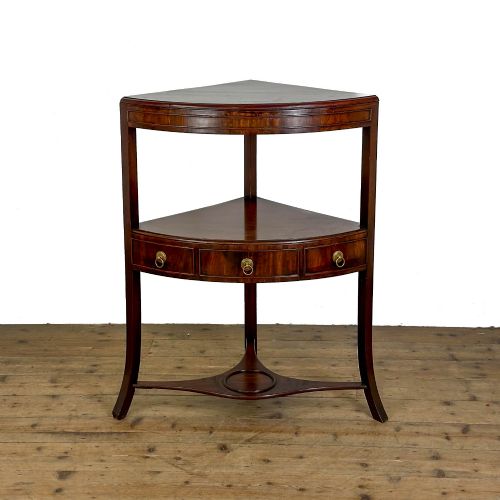
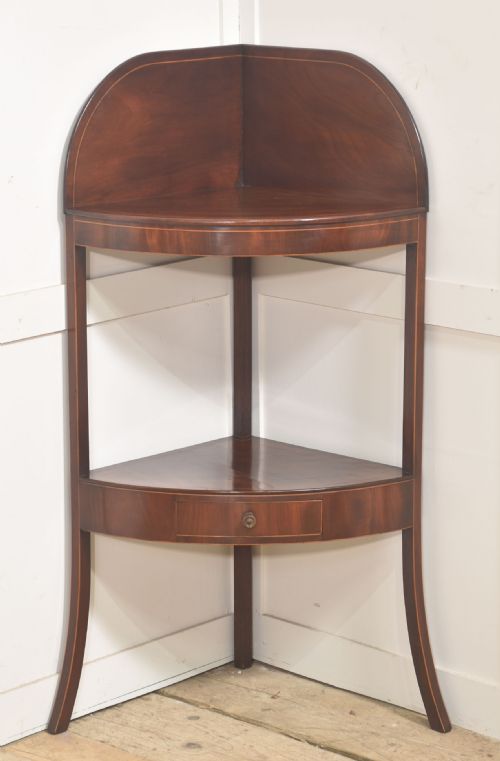
A georgian corner table is designed to fit snugly into the ninety-degree angle of a room, saving floor space while providing a functional surface. The pieces listed under this search phrase include drop leaf tables, folding tables, and specialised washstands constructed during the eighteenth and nineteenth centuries.
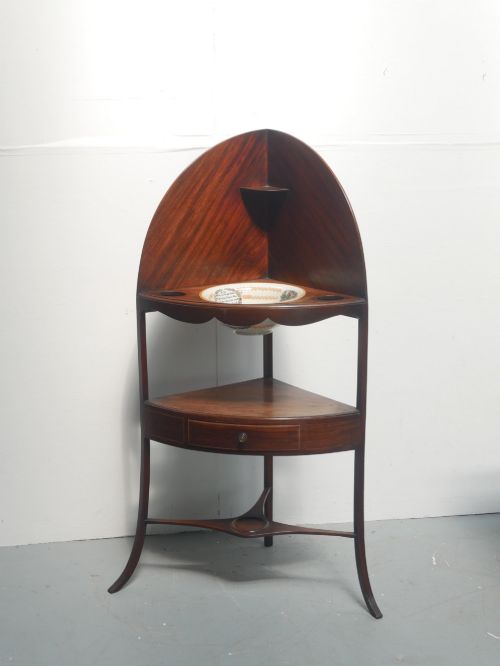
Mahogany is the dominant wood seen across these examples, often shaped with bow fronts or fitted with inlaid boxwood and satinwood details. Surviving items bridge the gap between utilitarian wash stands and decorative occasional lamp tables.
Materials and Construction
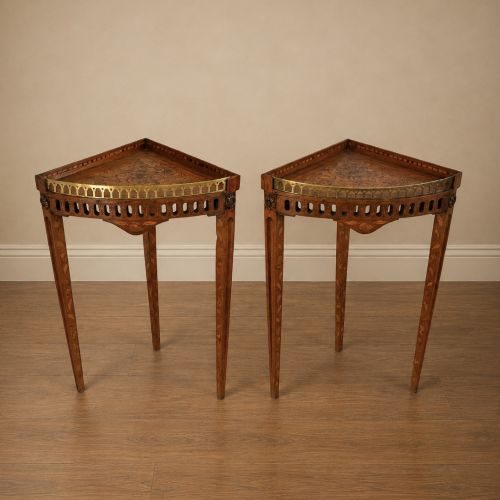
Makers utilised solid timbers like mahogany, walnut, and yew, frequently pairing them with contrasting veneers such as satinwood and rosewood. Brass hardware, including galleries and drop handles, appears alongside original paint surfaces and intricate marquetry inlay.
Joinery methods of the period relied on sturdy corner blocks and precise bracket feet to support the triangular carcasses. Folding and drop leaf mechanisms required tight hinge fitting to ensure stability when the surfaces extended.
Georgian Corner Table Retail Price Guide 2026
Typical asking prices for georgian corner table among the pieces listed under this phrase on Sellingantiques today, from the lower quarter to the upper quarter. They describe what is for sale here now, not the wider market.
Some washstands hide their utility beneath clever folding lids, ready to transform a basin stand into a polite lamp table.
Craftsmanship and Survival
The standard of a georgian corner table depends heavily on the crispness of its carved details, such as bracket feet, edge moulding, and inlaid stringing. Better examples retain their original brass galleries, fitted washstand interiors, or unblemished timber patination.
Proportion and utility separate ordinary items from superior survivals. Pieces displaying unusual configurations, such as folding leaves or hoof feet, demonstrate higher ambition from the original cabinetmaker.
The Georgian Corner Table Glossary
- Corner table
- A triangular furniture item built to fit directly into the intersection of two walls. These items save floor space while offering a display or utility surface.
- Washstand
- A specialised table fitted with basins or cut-outs designed for personal hygiene. Many corner washstands feature tiered shelves and splash guards.
- Marquetry
- Decorative patterns formed by fitting contrasting veneers into wooden surfaces. This technique creates detailed geometric or floral motifs.
- Drop leaf
- A hinged table section that folds down when not in use. It allows the furniture footprint to expand or contract depending on the room layout.
- Tripod table
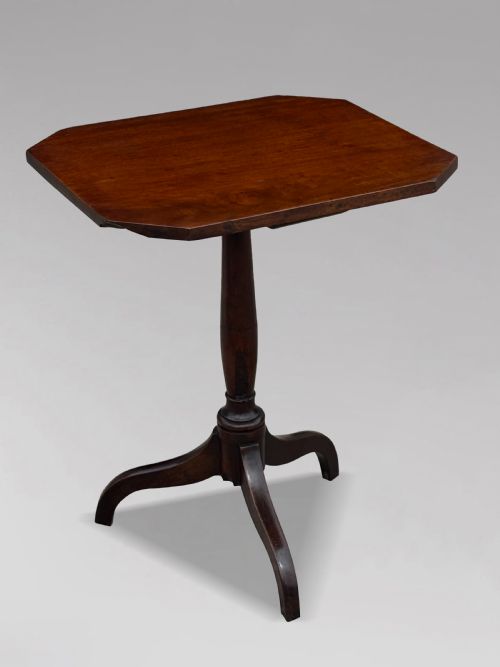
- A small freestanding table supported by a central pillar and three splayed legs. They appear frequently in occasional and lamp table formats.
Georgian Corner Table: Frequently Asked Questions
How were corner tables used?
These triangular pieces served multiple domestic functions depending on their internal fittings. Many acted as washstands for basins, while others functioned as lamp tables, plant stands, or corner drop leaf surfaces.
Their specific design allowed households to utilise dead space in room angles without blocking pathways. Owners placed them in parlours, bedrooms, and hallways for daily convenience.
How do I identify a Georgian piece?
Look for timber choices like solid mahogany, walnut, and red walnut combined with period construction methods. Cabinetmakers of the era relied on hand-cut joinery, bracket feet, and distinct patination that develops over centuries.
Proportions tend to be restrained and balanced, reflecting the architectural standards of the eighteenth century. Secondary woods and fastener types further help confirm the manufacturing era.
Are these tables sturdy?
The triangular footprint inherently provides a stable base when placed firmly against two intersecting walls. Solid timber construction and tight corner blocking ensure the frame handles everyday weights securely.
Items with folding leaves or drop mechanisms require careful handling at the hinges. Regular placement on uneven floors can strain the rear leg joints over time.
What is a brass gallery?
A brass gallery is a small decorative railing fitted around the upper perimeter of a tabletop or shelf. It prevents items from sliding off the surface during use.
These metal additions appear frequently on lamp tables and wash stands from the period. They introduce a bright metallic contrast to the dark mahogany wood.