

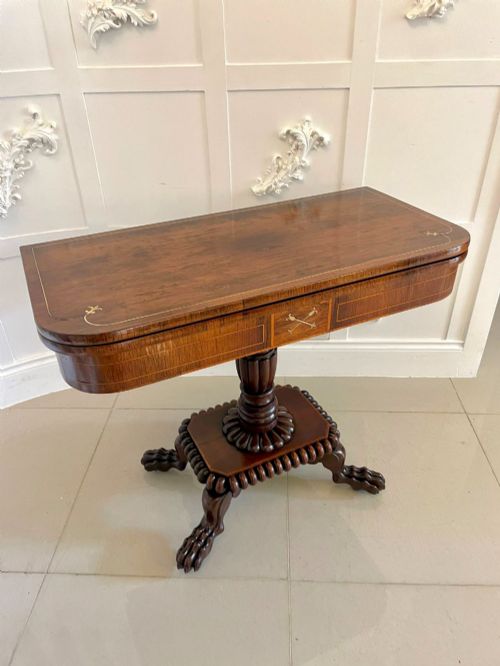
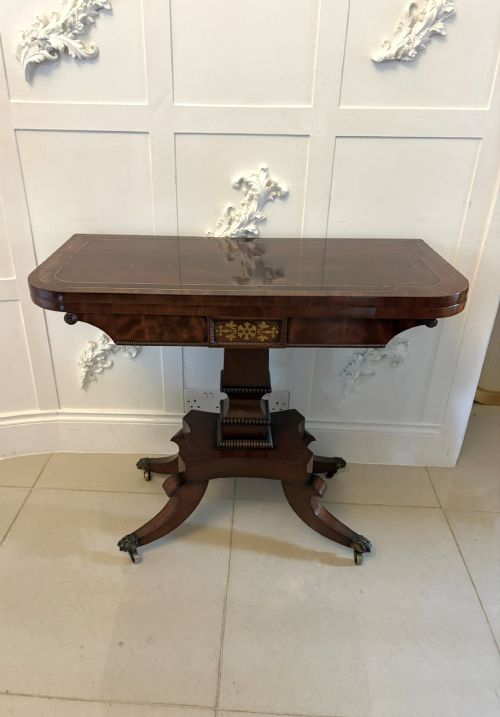
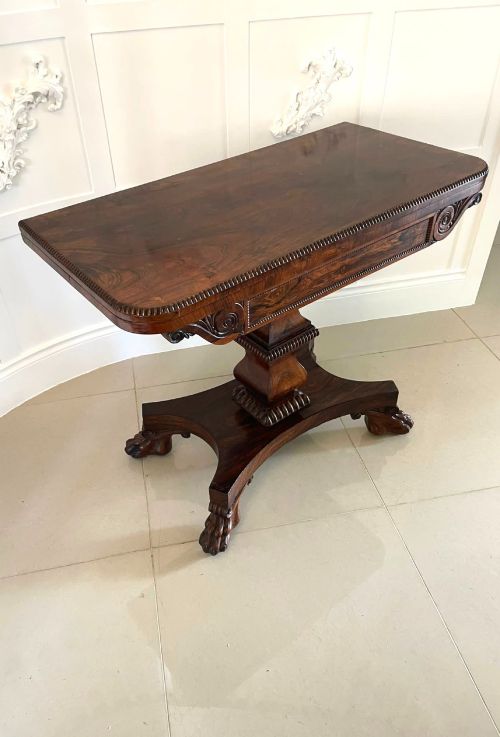
Pedestal Console Table
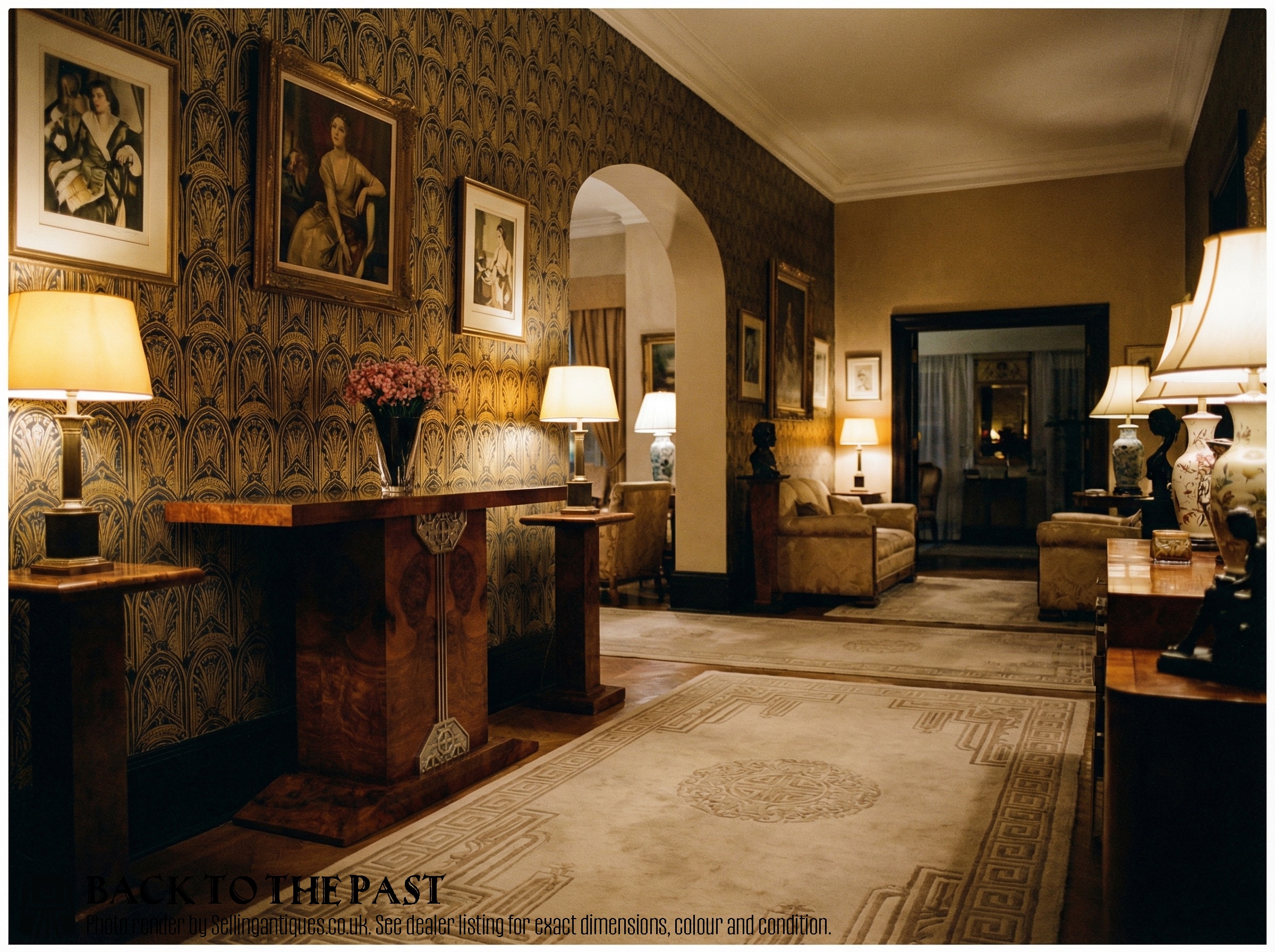
These pedestal console table examples bring striking architectural forms and rich timbers directly to your hall or principal room.
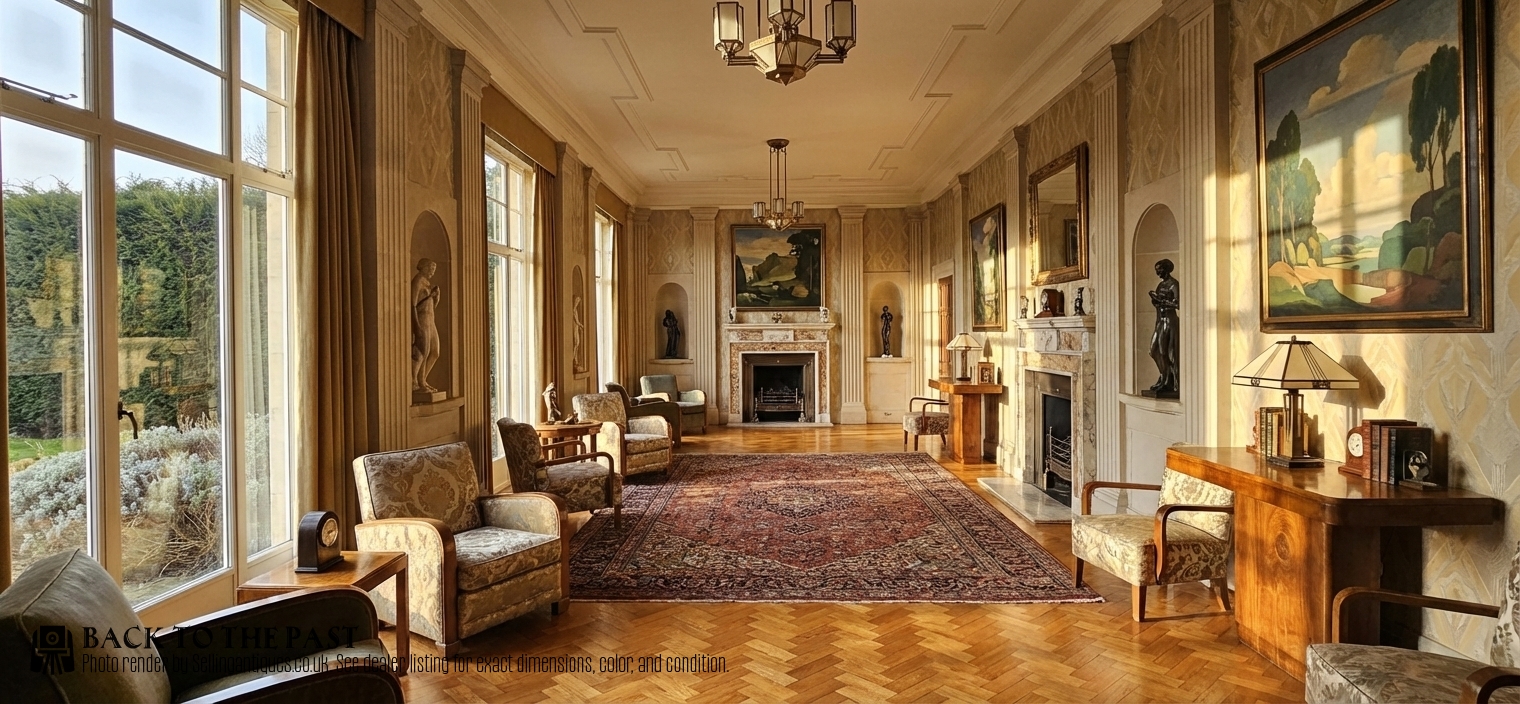
What a pedestal console table is
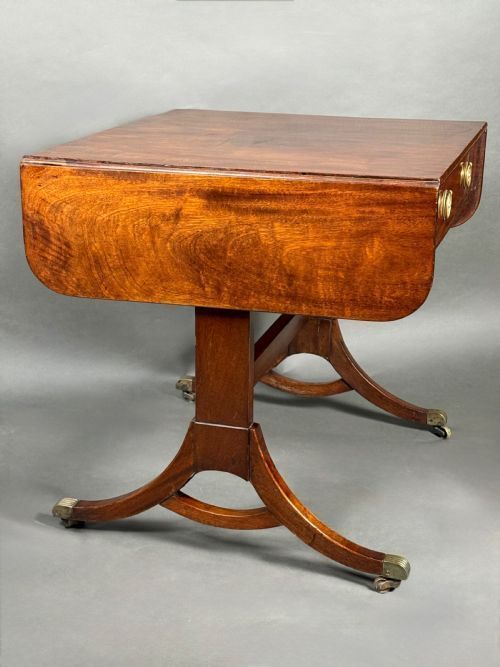
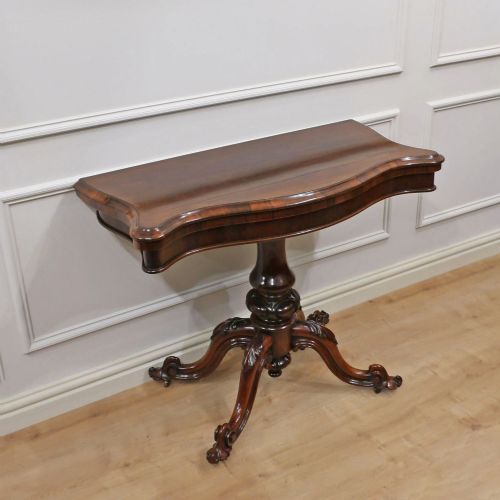
A pedestal console table is a substantial architectural furnishing designed to anchor a hallway, salon, or principal reception room. These pieces combine single or twin central supports with flat tops, serving both decorative and practical functions.
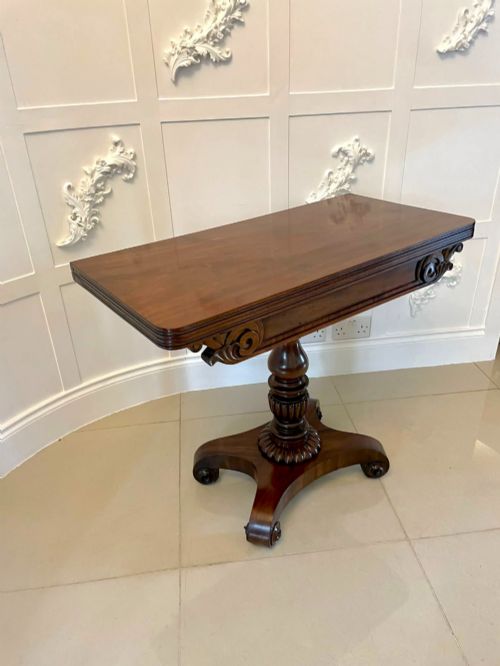
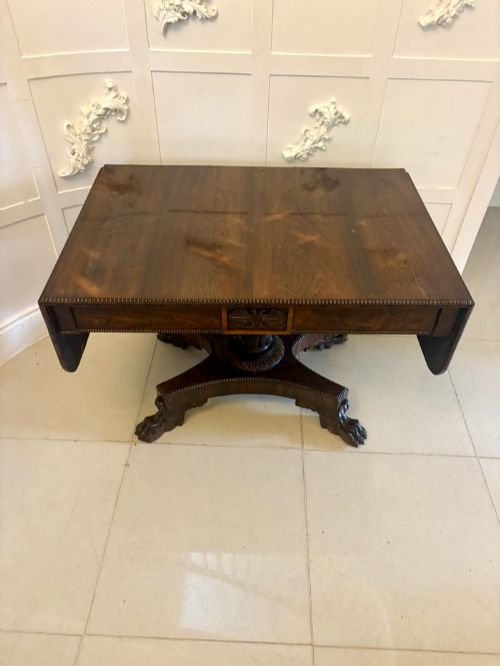
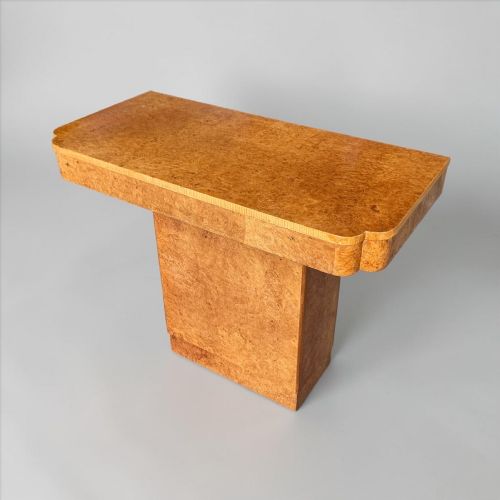
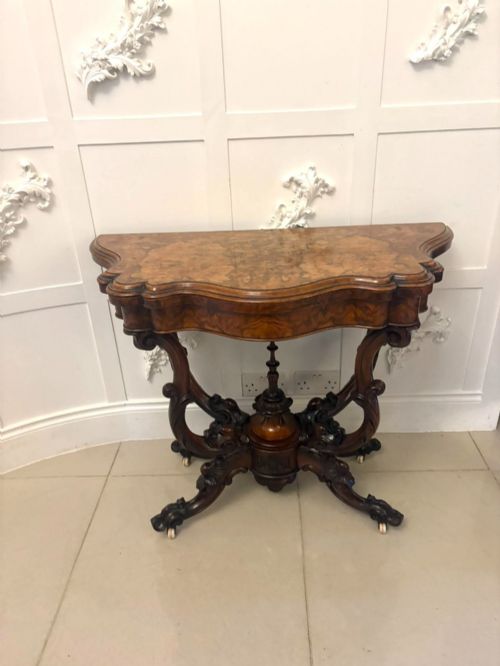
The selections available here span several distinct eras, including the Regency, William IV, and Art Deco periods. You are most likely to encounter mahogany and rosewood timber constructions, alongside striking burl walnut veneered surfaces from the nineteen thirties.
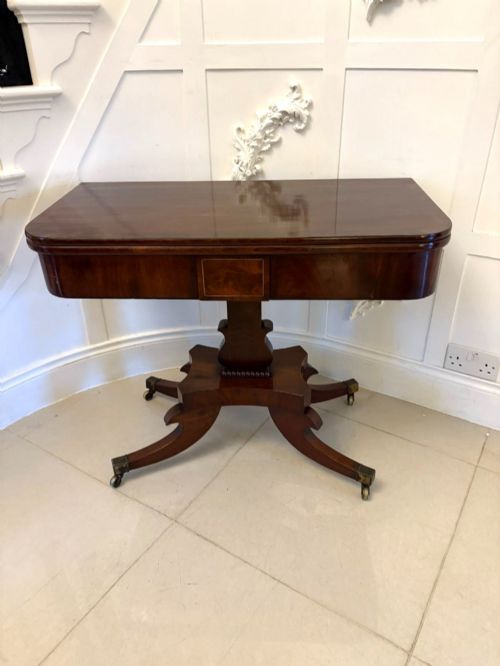
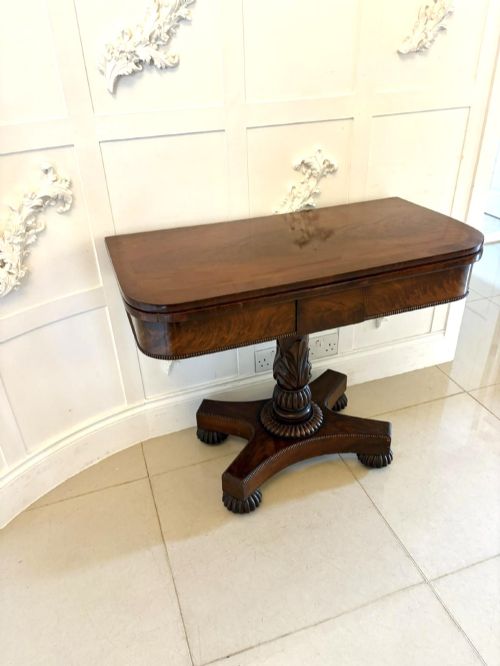
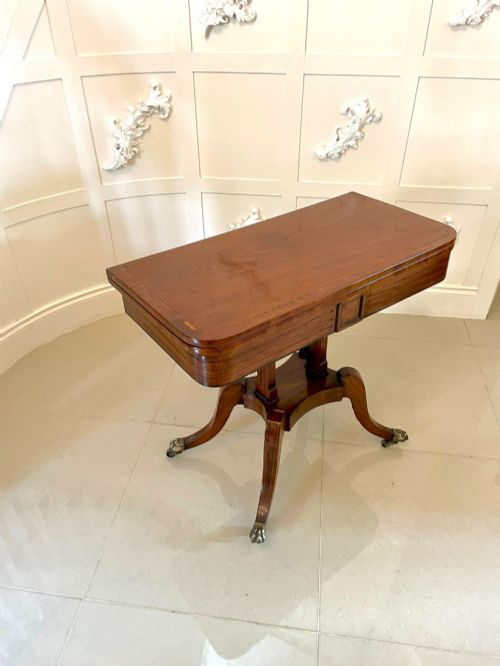
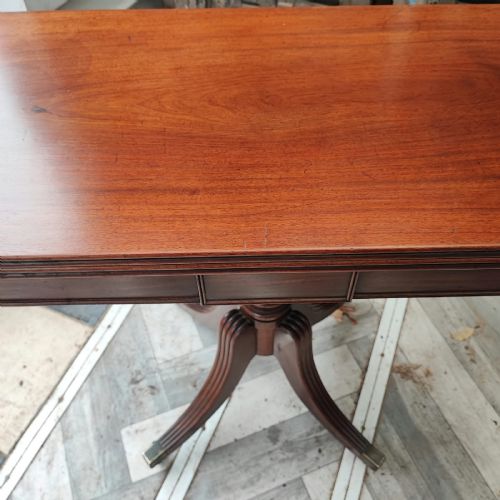
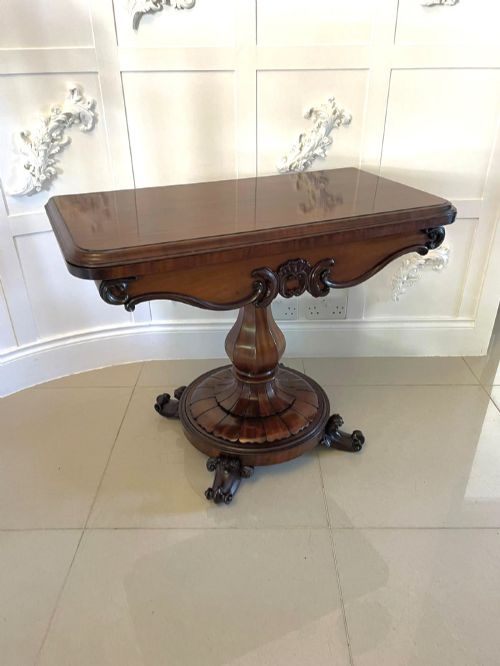
Many examples in this category double as fold-over tea tables or card tables with pedestal bases. These versatile forms offer clever duality, functioning as compact consoles against a wall or opening up for dining and games.
Materials and construction methods
Cabinet makers utilised dense native and exotic hardwoods, frequently applying burr walnut and flame mahogany veneers over secondary timbers. These figured surfaces create striking grain patterns across the main tabletops and pedestal bases.
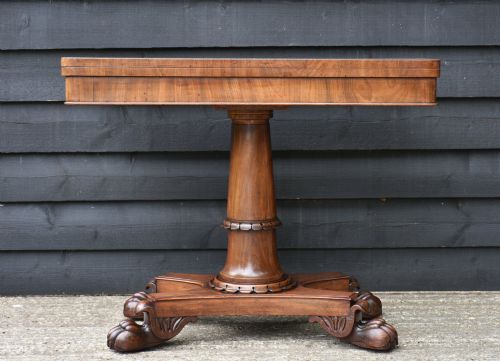
Craftsmen incorporated fine decorative details such as brass inlay, gilt metal mounts, and carved claw feet. The structural integrity relies upon sturdy central pedestals resting on shaped platform bases or multi-tiered plummets.
Retail Price Guide 2026
Typical UK retail prices for pedestal console table, calculated from the Sellingantiques database of over a million retail prices indexed since 2003. This retail price guide relies exclusively on Sellingantiques data; no external sources or auction records are used, so the figures do not describe the wider market.
Some nineteenth-century tables hide their clever fold-over mechanisms in plain sight, ready to expand for an impromptu cup of tea.
Distinguishing quality across the range
Quality rests upon the selection and matching of wood veneers, where symmetrical grain alignment elevates the visual impact. Superior pieces display crisp, deep carving on the central pedestals and feet rather than superficial machine shaping.
The sophistication of secondary materials also dictates the tier of the piece, particularly the precision of brass inlay and the weight of structural mounts. Finer examples show meticulous joinery in the fold-over mechanisms and stable, heavy-gauge timber plinths.
William Trotter of Edinburgh·Gillows
The Pedestal Console Table Glossary
- Pedestal
- A single central support or column rising from a platform base to carry the weight of the tabletop. This architectural form replaced traditional four-legged designs in many nineteenth-century rooms.
- Console Table
- A table designed to stand against a wall, frequently secured or supported at the front by pillars or brackets. These pieces fill hallway spaces and reception walls without obstructing traffic.
- Fold-Over Table
- A hinged tabletop that doubles its surface area when opened, commonly serving as a tea or card table. The pivoting leaf rests upon the open frame or a rotating pivot.
- Veneer
- A thin layer of figured wood applied to a stable underlying timber body. Cabinet makers selected burr walnut and flame mahogany for their decorative grain patterns.
- Claw Feet
- Carved animal paws terminating the base of a pedestal or table leg. This classic decorative motif appeared frequently on Regency and William IV furniture.
Frequently Asked Questions
What is a pedestal console table used for?
These tables traditionally occupy hallway spaces, entryways, or principal reception rooms as architectural focal points. They provide a surface for decorative objects, lamps, or letters.
Many variations also function as fold-over tea or card tables, offering expandable surfaces for dining or social gatherings.
How do I identify a Regency pedestal console?
Regency pieces often feature classical architectural motifs, rosewood timbers, and precise brass inlay work. Look for balanced proportions inspired by ancient Greek and Roman design.
Makers from this period frequently incorporated central pillars and platform bases with subtle carving rather than heavy ornamentation.
How should I care for timber veneers?
Keep these pieces away from direct sunlight and strong heat sources to prevent the wood veneers from drying out and cracking. Maintain a stable indoor climate to protect the polished finish.
Dust gently with a dry, soft cloth and avoid chemical polishes that can damage historic surfaces.