



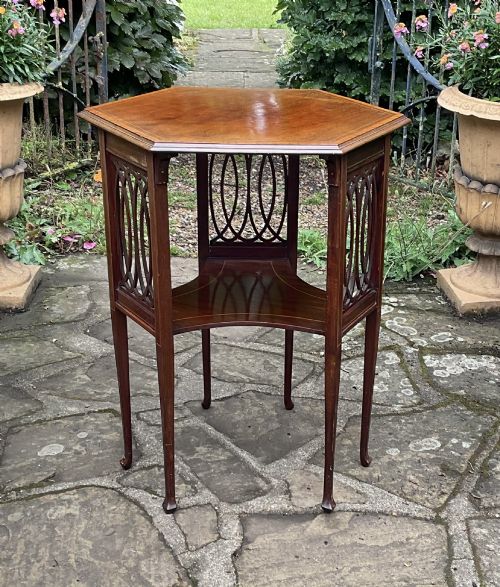
Octagonal Plant Stand
An octagonal plant stand holds greenery with geometric balance, offering a compact display piece built for corners and alcoves.
Octagonal Plant Stand
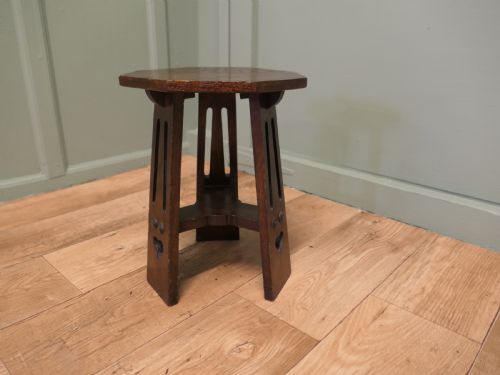
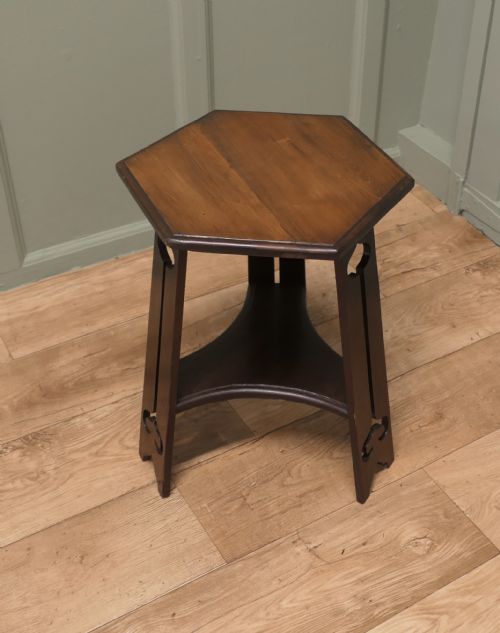
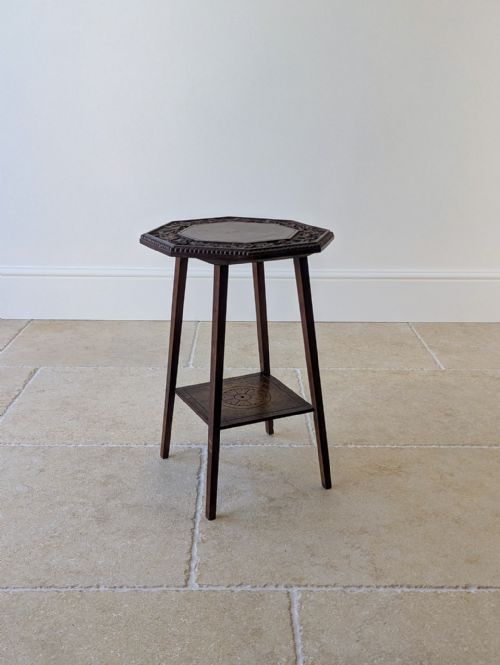
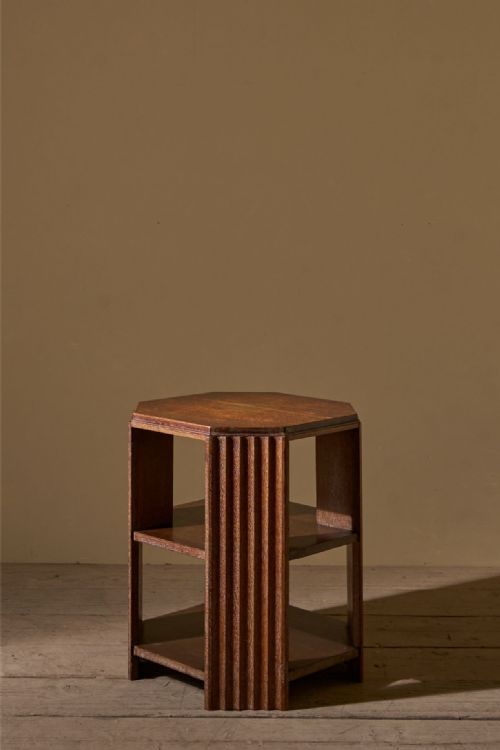
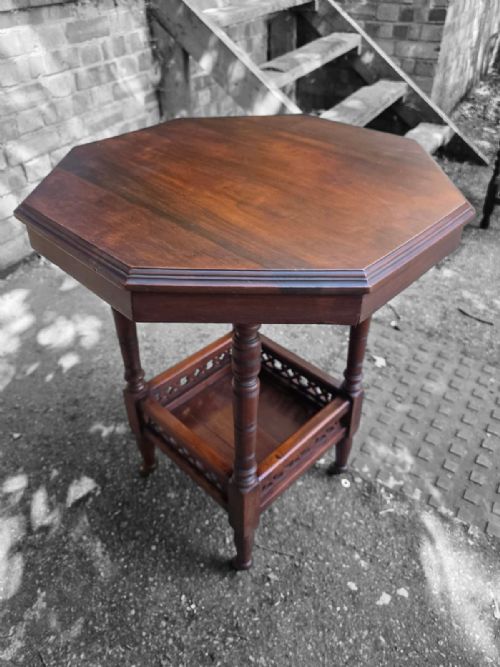
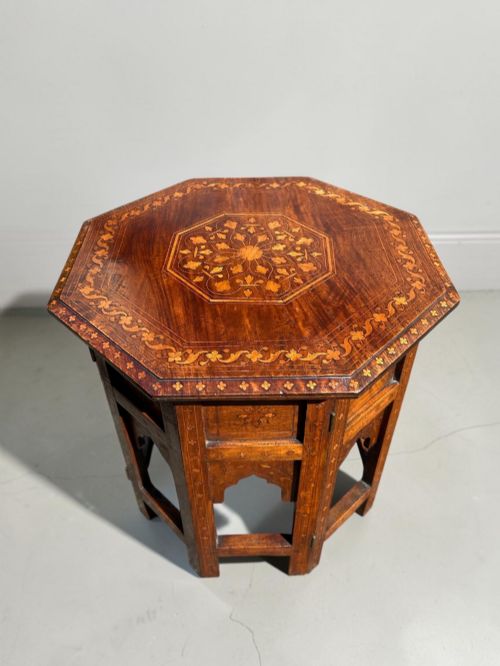
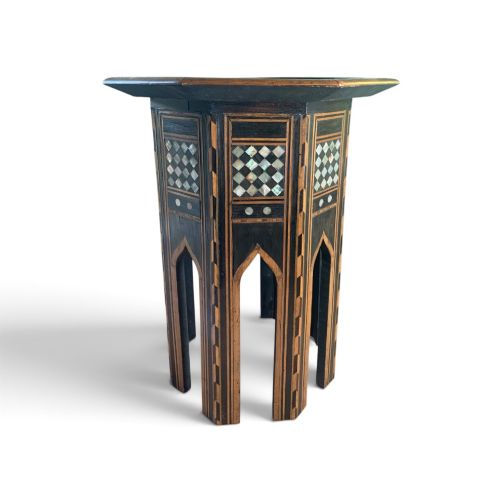
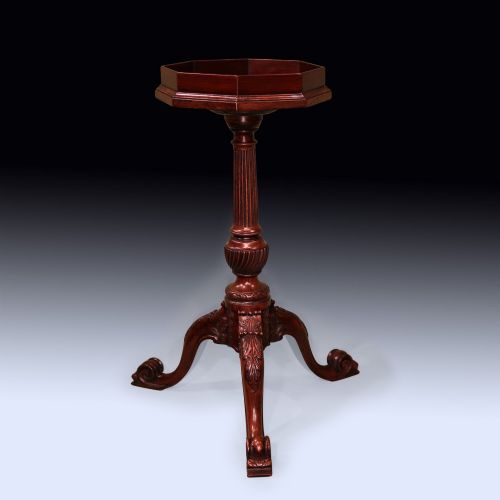
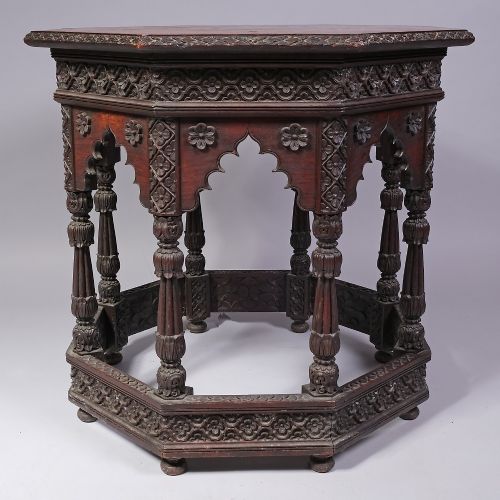
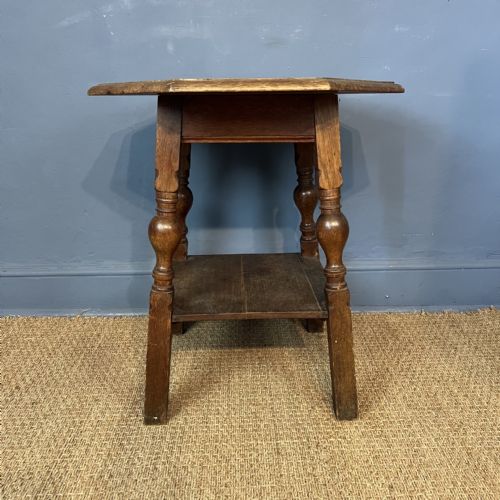
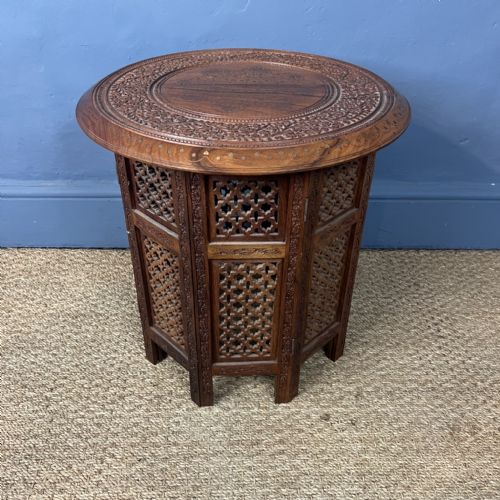
The octagonal plant stand appears in various iterations across the nineteenth and twentieth centuries, functioning equally as an occasional table, lamp holder or pedestal. You will encounter sturdy oak examples from the Arts and Crafts period alongside intricately carved Anglo-Indian pieces in teak and hardwood.
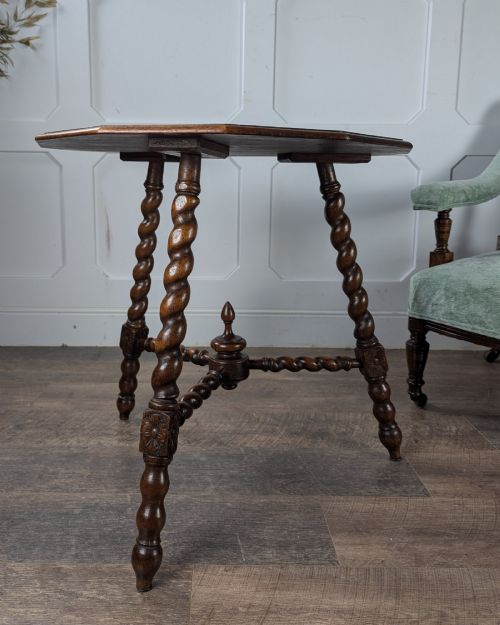
Makers from the Victorian and Edwardian eras utilised the eight-sided top to present foliage, lamps or decorative objects within domestic interiors. These pieces range from simple barley twist oak designs to heavily inlaid Moorish tables bearing brass or bone details.
Materials and Construction
Cabinetmakers constructed these stands using solid timbers such as mahogany, walnut, oak and exotic Indian hardwoods, often selecting grain-painted pine or satinwood for specific decorative effects. Joinery techniques varied from traditional mortise and tenon frames to folding structural designs intended for portability.
Surface ornamentation defines many pieces in this category, incorporating hand carving, turned barley twist legs, marble inserts and intricate geometric inlay work using brass, bone and contrasting woods.
Octagonal Plant Stand Retail Price Guide 2026
Typical asking prices for octagonal plant stand among the pieces listed under this phrase on Sellingantiques today, from the lower quarter to the upper quarter. They describe what is for sale here now, not the wider market.
The listings feature woods including mahogany, oak, teak, walnut, satinwood and padauk across diverse styles from Georgian to Art Deco.
Evaluating the Pieces
Quality rests upon the crispness of the carving and the precision of the inlay, where hand-cut brass and bone demonstrate superior craftsmanship compared to simpler stamped or painted decoration. The choice of timber and stability of the frame further distinguish workshop standards.
Condition of the timber surface and the integrity of joints dictate the structural merit of each stand, with original polish and minimal restoration preserving the historic character of the piece.
Liberty and Co·Shoolbred
The Octagonal Plant Stand Glossary
- Octagonal
- Having eight sides and eight angles. This geometry provides the defining shape for the tabletops in this selection.
- Barley twist
- A spiral turning resembling a twisted rope. This technique frequently appears on the legs of nineteenth and twentieth-century wooden tables.
- Torchere
- A tall stand or candlestick holder designed to elevate a light source or decorative object. Examples in the record include slender wooden columns.
- Inlay
- A technique where pieces of contrasting material are inserted into a recessed wooden surface. Common materials include brass, bone and light-coloured woods.
- Occasional table
- A small, versatile table moved easily for specific tasks. These serve multiple functions within a room alongside primary seating.
Octagonal Plant Stand: Frequently Asked Questions
What periods do these plant stands cover?
The available selection spans from the eighteenth century through the Victorian and Edwardian eras into the Art Deco period of the nineteen-thirties.
Earlier pieces often exhibit Georgian mahogany craftsmanship, while later examples showcase Arts and Crafts oak or Moorish influence.
Were these always used for plants?
Historic listings demonstrate that these pieces served multiple domestic functions beyond holding greenery, operating frequently as lamp tables or occasional side tables.
Their sturdy tops and compact footprints made them suitable for displaying ceramics, lighting and ornaments.
How do I identify Anglo-Indian examples?
Anglo-Indian pieces are typically characterised by dense regional timbers such as teak and padauk, combined with intricate hand carving and inlay work.
Many incorporate traditional motifs alongside folding frames or brass and bone ornamentation sourced from workshops in regions like Hoshiarpur.
How do I care for antique wooden stands?
Maintain the timber by keeping the piece away from direct heat sources and sudden temperature fluctuations that can cause wood to split.
Apply a suitable wax polish periodically to nourish the surface and preserve the historic finish of the wood.