
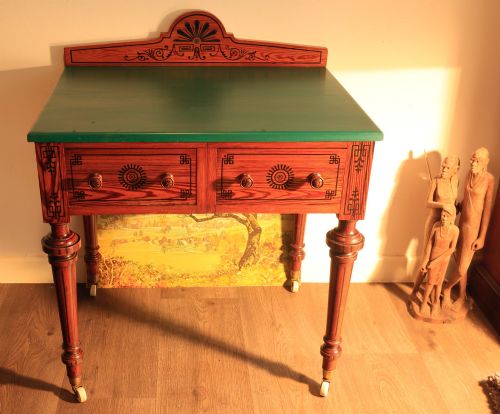

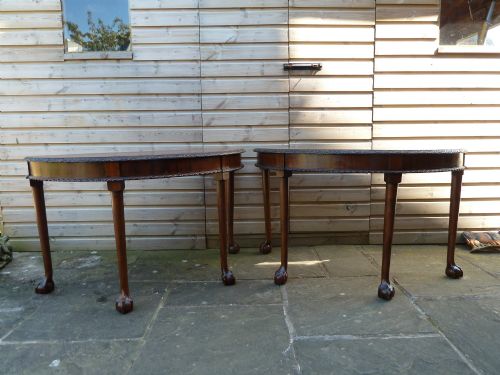

Late Victorian Hall Table
These late victorian hall table pieces are narrow entrance furniture designed for narrow spaces, offering practical surface space and period character.

What They Are
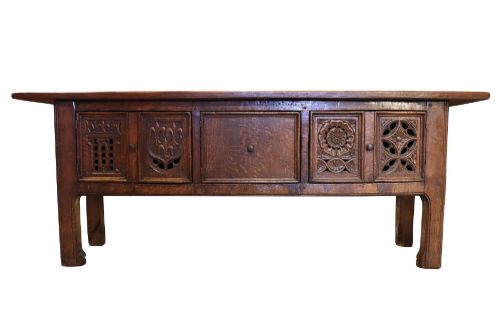
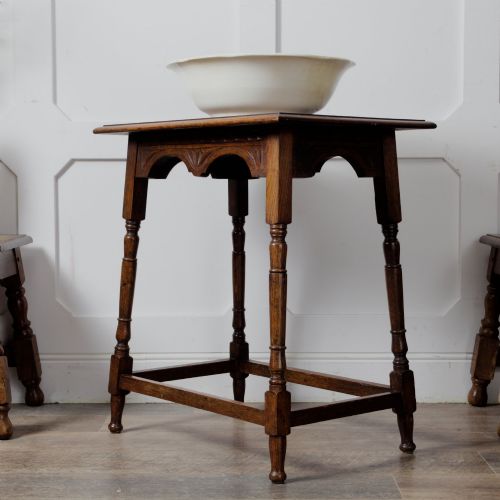
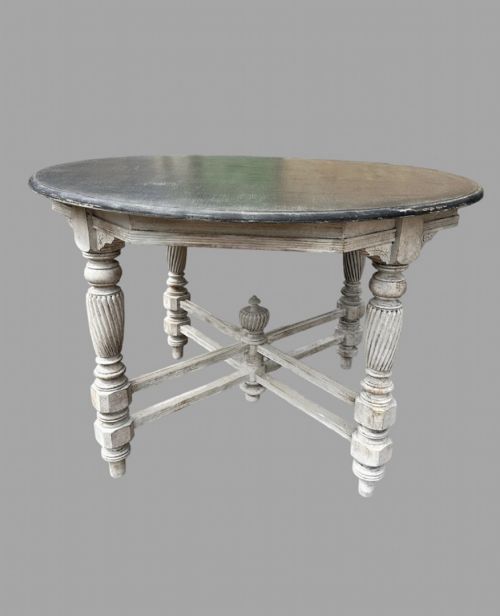
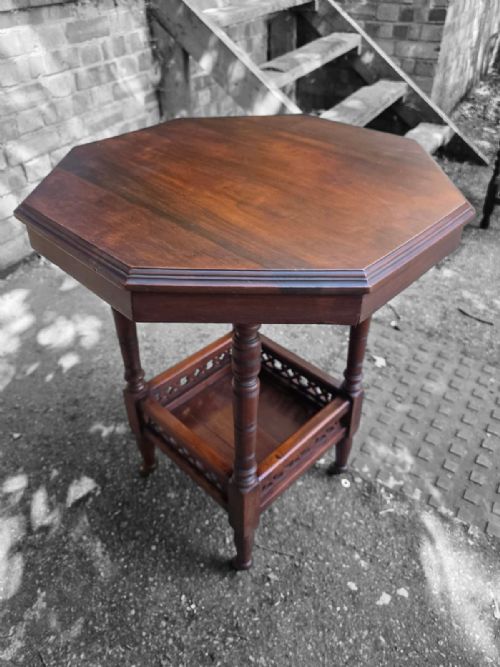
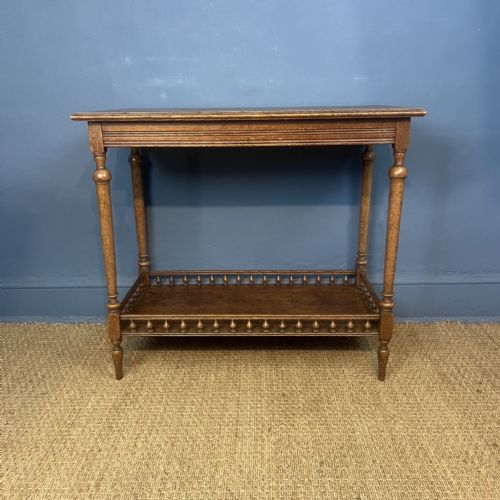
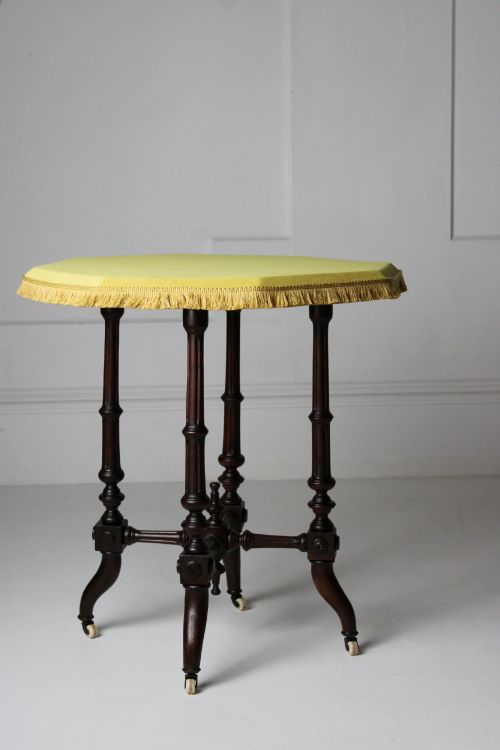
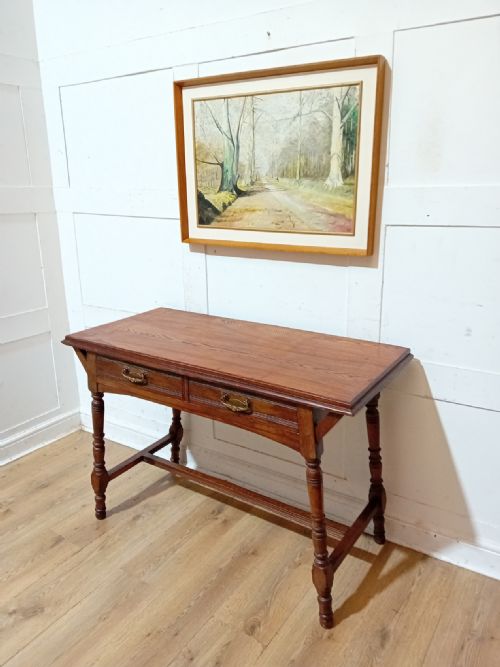
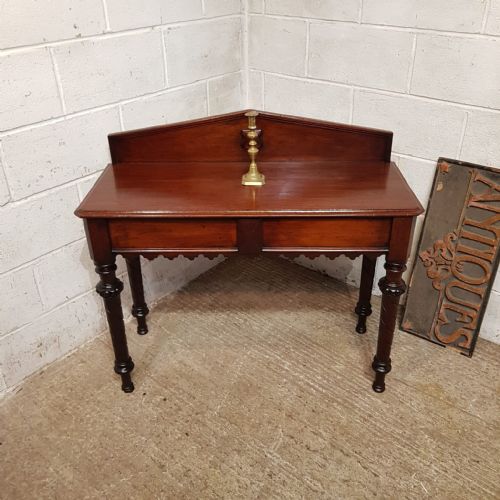
A late victorian hall table provides a narrow surface for an entrance or hallway, designed to fit compactly against walls without obstructing passage. The selection on this page includes side tables, occasional tables, centre tables, and console tables.
The forms span multiple stylistic influences including Jacobean Revival, Aesthetic Movement, and Georgian Revival. Pieces originate from the Victorian, late 19th Century, 1900, and Edwardian periods.
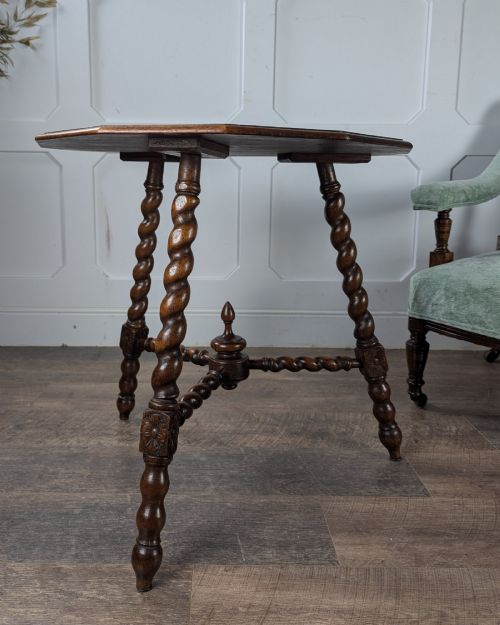
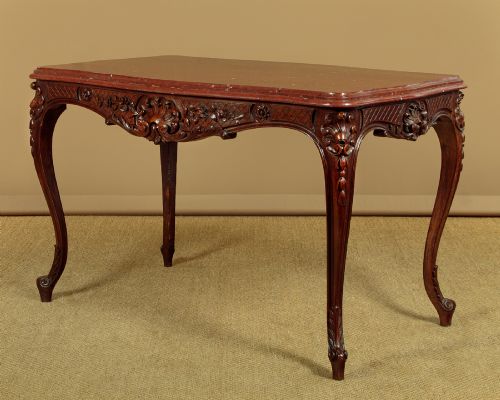
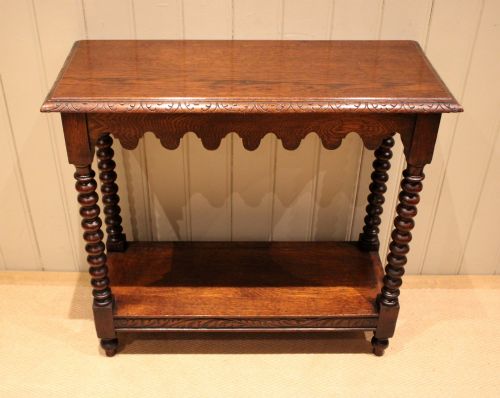
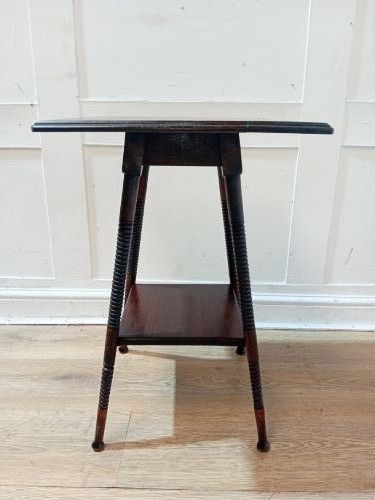
Buyers frequently encounter variants featuring solid oak, mahogany, or walnut construction. Some examples incorporate specialist elements such as marble tops, carved bases, barley twist legs, or umbrella stands.
How They Were Made
Cabinet makers utilised dense hardwoods including mahogany, walnut, and solid oak for structural integrity and longevity. Secondary materials such as brass, fabric, and leather appear in specific surface details or fittings.
Retail Price Guide 2026
Typical UK retail prices for late victorian hall table, calculated from the Sellingantiques database of over a million retail prices indexed since 2003. This retail price guide relies exclusively on Sellingantiques data; no external sources or auction records are used, so the figures do not describe the wider market.
Listings feature mahogany, walnut, solid oak, and marble alongside brass, fabric, and leather elements.
What Varies in Quality
Distinction across the range rests on timber selection and the ambition of the carving. Solid oak and figured mahogany with crisp, deep relief work represent the upper tier of execution.
Structural complexity also defines merit, moving from plain occasional forms to specialised hall tables equipped with marble inserts, umbrella stands, or identified maker provenance.
Walker & Hall
The Late Victorian Hall Table Glossary
- Barley twist
- A turned wooden column resembling a spiral rope. This decorative turning method appears frequently on table legs.
- Console table
- A wall-mounted or freestanding narrow table designed for hallways. These pieces anchor entrance spaces efficiently.
- Aesthetic Movement
- A late 19th-century design style emphasising visual beauty over narrative subject matter. Pieces in this taste display distinct artistic refinement.
Frequently Asked Questions
Where should a hall table go?
These tables fit narrow entranceways and corridors where floor space is limited. Their shallow depth allows passage while providing a surface for daily items.
They also function in living spaces as occasional or lamp tables when hallway placement is unavailable.
What woods were used?
Cabinet makers primarily utilised mahogany, walnut, and solid oak for these pieces. Golden oak and various other timber types also appear across the selection.
Secondary materials like brass, leather, and marble provide functional or decorative contrast on specific surfaces.
Are these tables heavy?
Weight depends entirely on the timber and construction style. Solid oak and marble-topped variants require more effort to move than lighter occasional tables.
Most examples remain manageable for repositioning within a room during cleaning or redecoration.
How do styles differ?
Styles range from plain utilitarian forms to ornate revival designs. Jacobean Revival brings heavy turning, while Aesthetic Movement pieces offer distinct artistic lines.
Georgian Revival examples draw upon 18th-century proportions applied to late 19th-century manufacturing methods.