


Victorian Circular Table
When you need a victorian circular table, you are looking at substantial round tables designed for dining, breakfast, or as a centrepiece in a reception room.
Victorian Circular Table
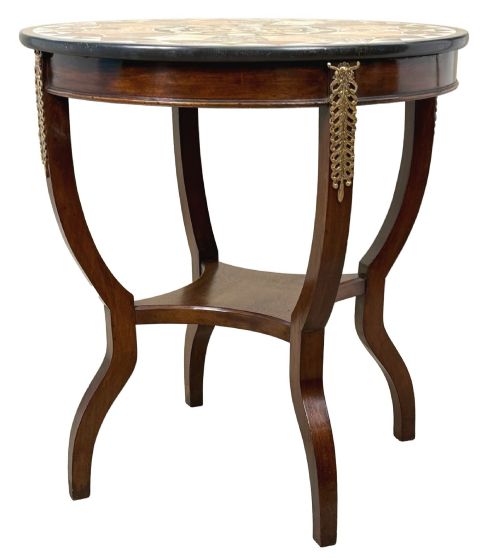
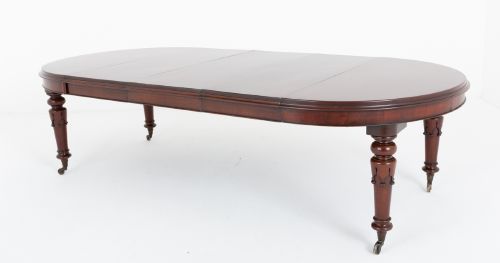
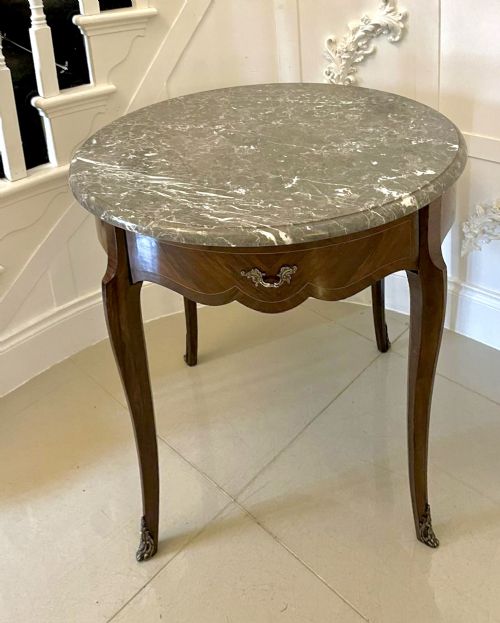
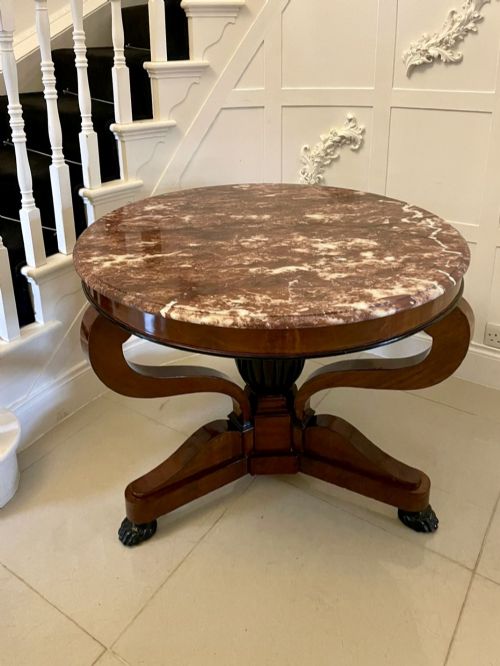
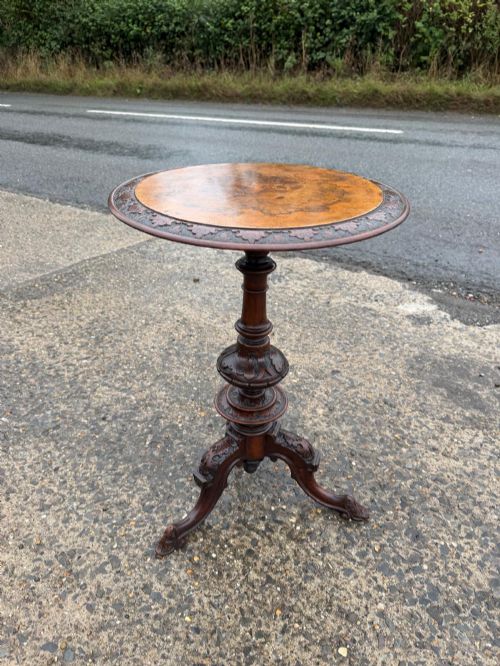
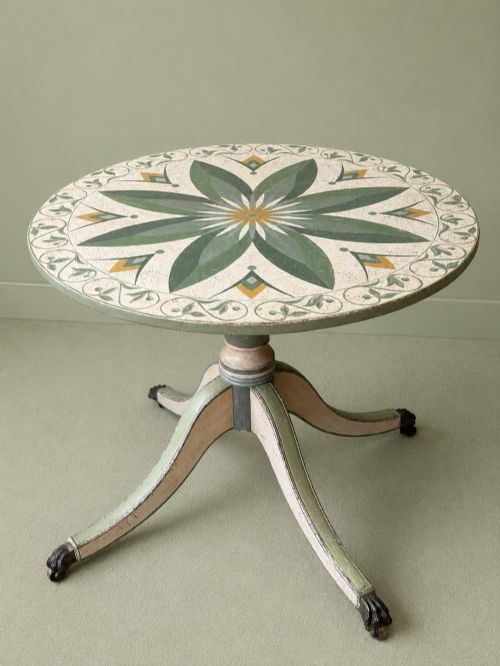
A victorian circular table serves multiple functions across different domestic spaces, appearing primarily as large dining tables, breakfast tables, centre tables, or smaller lamp and wine tables. The pieces span periods from the early nineteenth century through the Victorian era and into the early twentieth century, reflecting shifting tastes in domestic furniture.
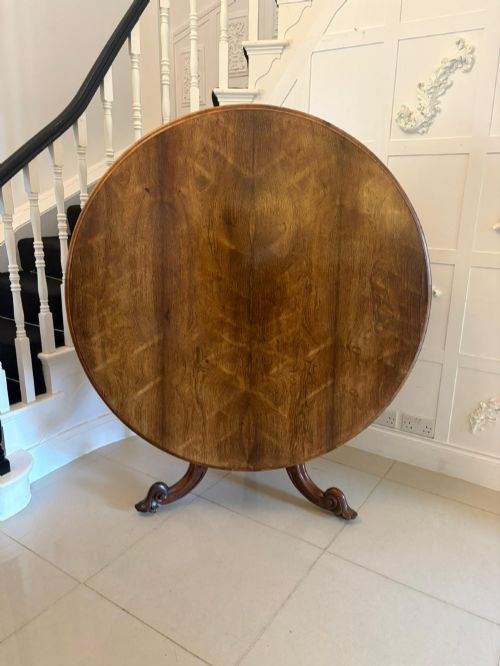
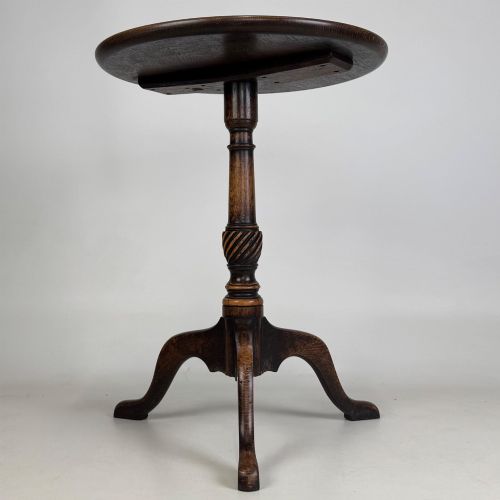
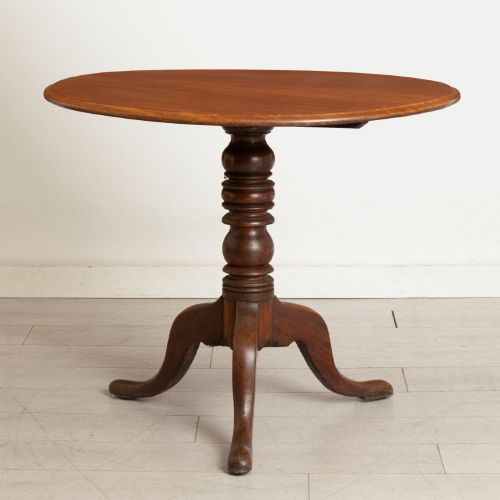
Dining and breakfast variants often feature central pedestals with tripod or platform bases, allowing comfortable seating without corner legs getting in the way. Smaller occasional tables, lamp tables, and side tables utilise similar circular tops supported by carved columns or slender legs.
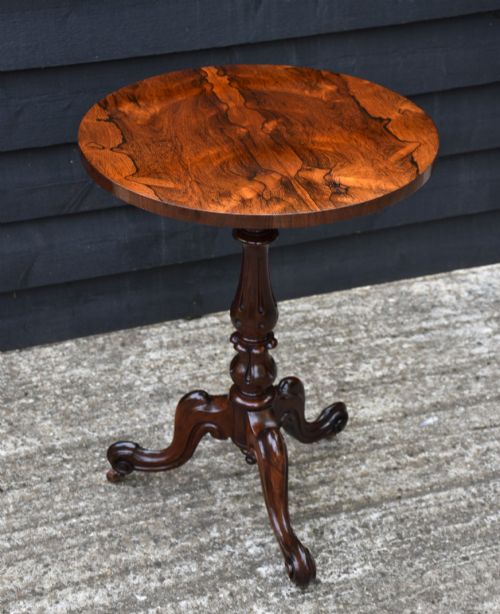
The materials reflect the global trade networks of the period, with native timbers like mahogany, walnut, and oak appearing alongside exotic hardwoods including rosewood, kingwood, and calamander. Marble inserts and specimen marble tops also feature heavily on centre and occasional tables from the period.
How they were made
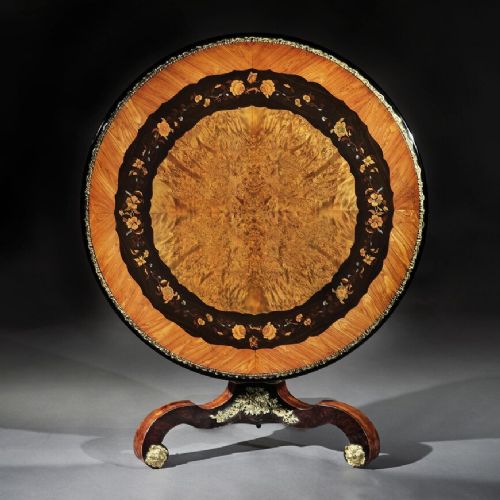
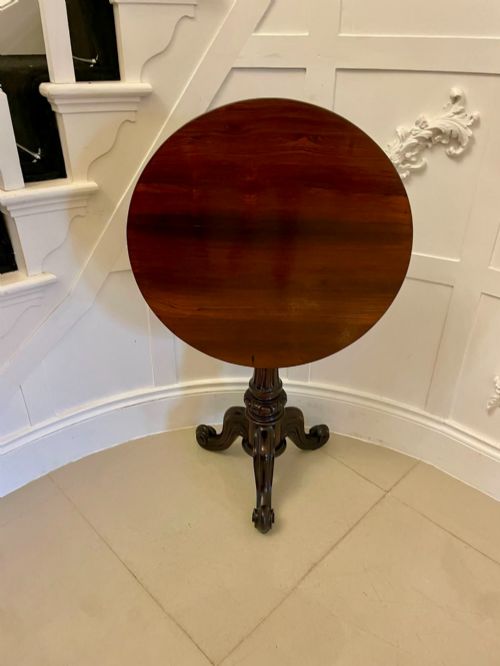
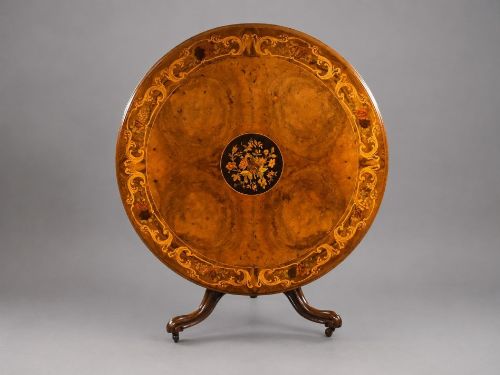
Makers constructed circular tabletops using solid timbers or applied veneers over secondary woods, often arranging figured mahogany, burr walnut, or rosewood in radial patterns to emphasise the grain. Tilt-top mechanisms, where the surface pivots vertically on the pedestal, required robust brass catches and hinges to secure the heavy top in place.
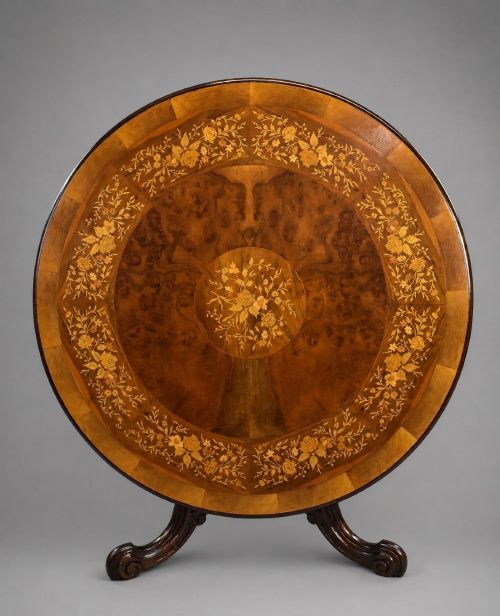
Pedestals and bases frequently involved turning on a lathe to create substantial central columns, paired with carved cabriole legs or tripartite platform feet. Marquetry, parquetry, and bone inlay added decorative surface detail, set directly into the wood substrate using traditional animal glues.
Victorian Circular Table Retail Price Guide 2026
Typical asking prices for victorian circular table among the pieces listed under this phrase on Sellingantiques today, from the lower quarter to the upper quarter. They describe what is for sale here now, not the wider market.
What varies in quality
Quality rests in the selection of the timber and the precision of the joinery connecting the circular top to its central pedestal. Superior examples display highly figured veneer matched symmetrically from the centre outwards, with tight, stable joints that prevent warping across the wide expanse of the top.
Carving depth and sharpness separate standard production pieces from workshop masterpieces, particularly on the knees of pedestal legs and around the frieze. The integration of complex mechanisms, such as smooth extending dining frames or well-fitted tilt-top catches, marks the difference between utilitarian furniture and high-status cabinet work.
James Shoolbred·Edward Holmes Baldock·Christopher Dresser·Liberty & Co
The Victorian Circular Table Glossary
- Tilt-top table
- A table with a hinged top that can be pivoted into a vertical position when not in use. This design allowed furniture to be stored against walls to save floor space in smaller rooms.
- Centre table
- A freestanding piece finished on all sides, intended to sit in the middle of a room rather than against a wall. These often held lamps, books, or decorative objects.
- Marquetry
- Decorative veneer work where pieces of wood, bone, or shell are fitted together to form pictorial or geometric designs. Craftsmen applied these patterns directly to the primary surface of the tabletop.
- Breakfast table
- A medium-sized pedestal table originating in the Georgian and Victorian eras for morning meals or light dining. They frequently featured tilt tops supported by robust central pillars.
Victorian Circular Table: Frequently Asked Questions
What is a tilt top table used for?
Tilt top tables allowed households to pivot the circular surface vertically when the room needed to be cleared for other activities. They stood compactly against the perimeter walls until required for dining or writing.
In daily use, the mechanism provided a sturdy flat surface while offering flexibility in tighter domestic spaces. Many examples served as breakfast tables or occasional wine tables.
How do I care for a rosewood table?
Protect antique rosewood from direct sunlight and sudden temperature changes to prevent the wood from drying out and the veneers from lifting. Regular dusting with a soft, dry cloth maintains the finish without needing heavy polishes.
Avoid placing damp items or hot vessels directly on the polished surface. Using coasters and table mats safeguards the historic timber and maintains the natural lustre of the grain.
Where should I place a centre table?
Centre tables are designed to be viewed from all angles, making them ideal for the middle of a reception room, library, or large hallway. Because they lack a designated front or back, they anchor an open space effectively.
Ensure there is enough clearance around the perimeter for comfortable movement. They often function best beneath a central ceiling rose or hanging light fixture.
How do I tell mahogany from walnut?
Mahogany typically displays a reddish-brown hue with a straight, uniform grain that can take on a deep sheen over time. Walnut tends to be darker and richer in colour, frequently featuring complex swirling figures known as burr.
Examining the weight and density also helps distinguish the timbers. Burr walnut usually carries intricate patterning created from tree growths, whereas mahogany relies on linear grain patterns.