

Floral Inlaid Table
These floral inlaid table pieces bring intricate timber work into a room, offering both decorative surface detail and practical placement.
What They Are
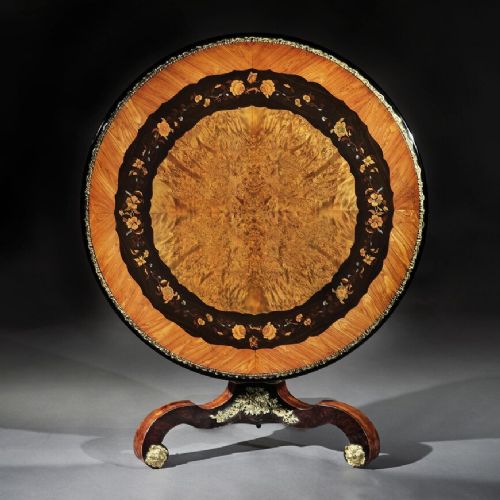
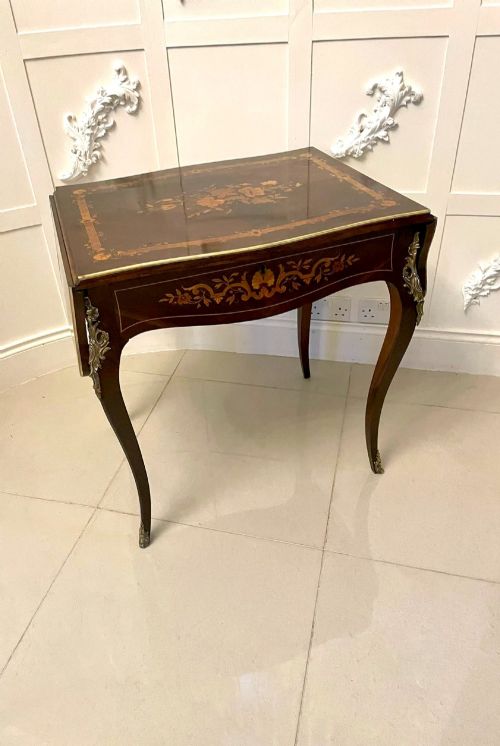
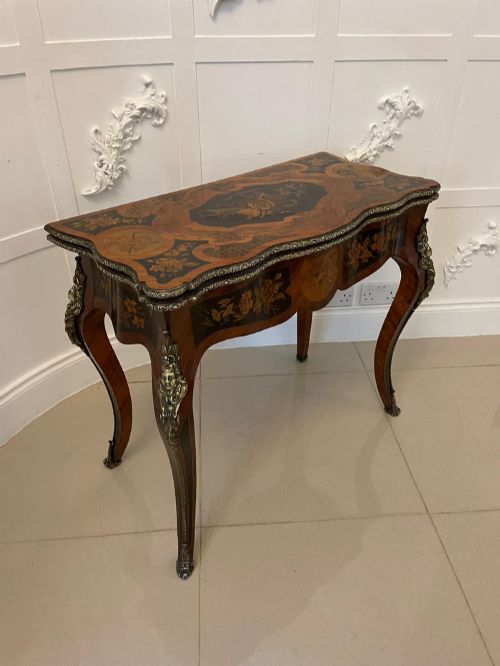
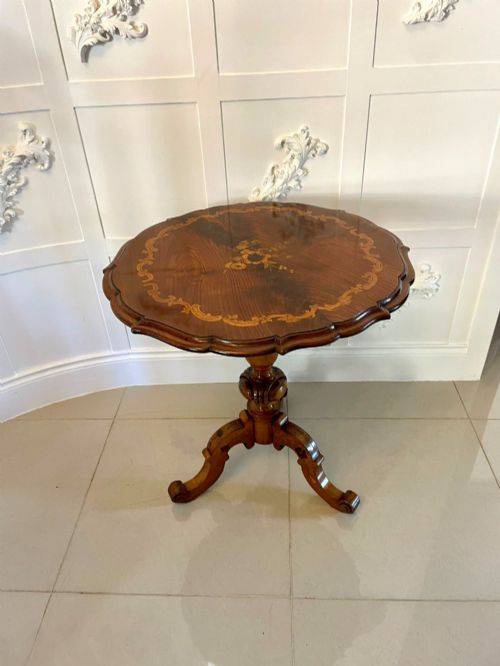
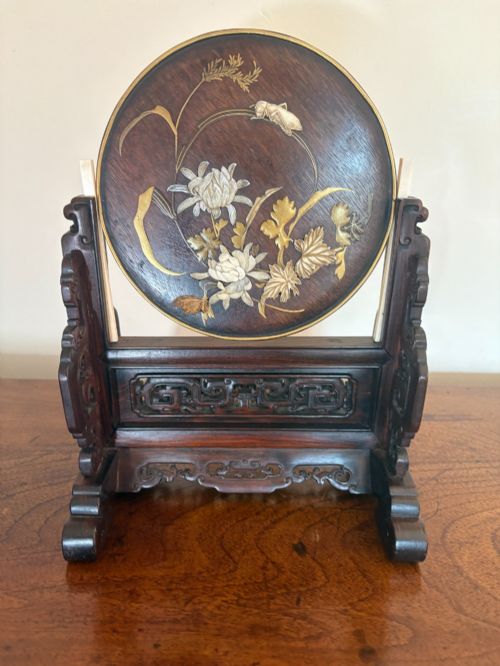
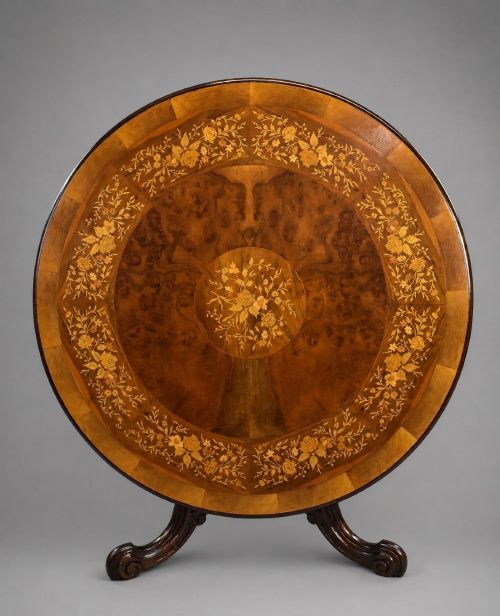
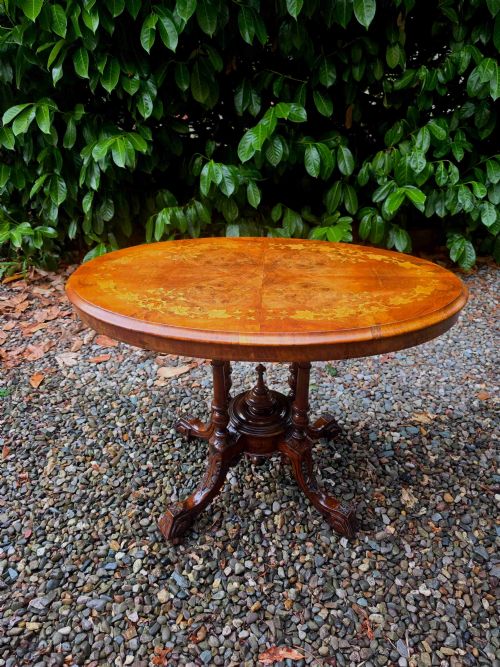
A floral inlaid table brings together varied timber veneers to form detailed botanical patterns across the top surface. Most examples found here date from the nineteenth century, reflecting periods such as Victorian and French Rococo Revival styles.
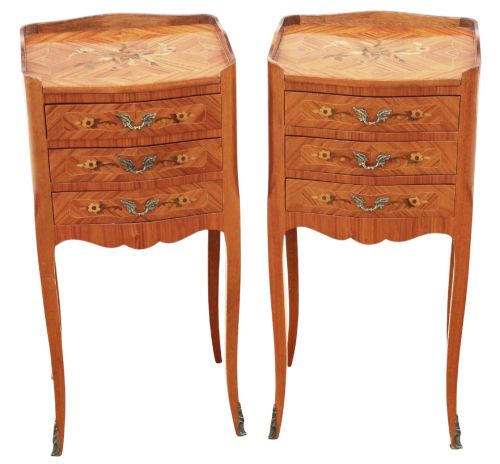
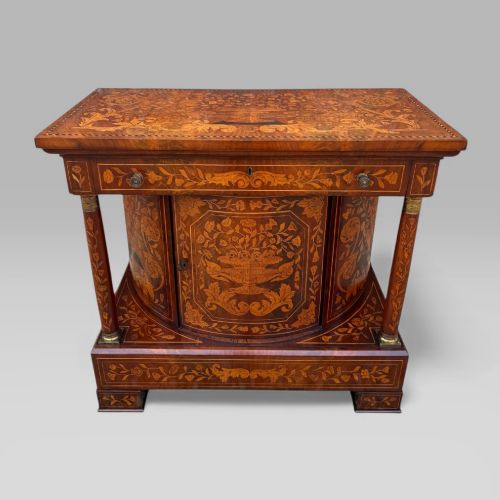
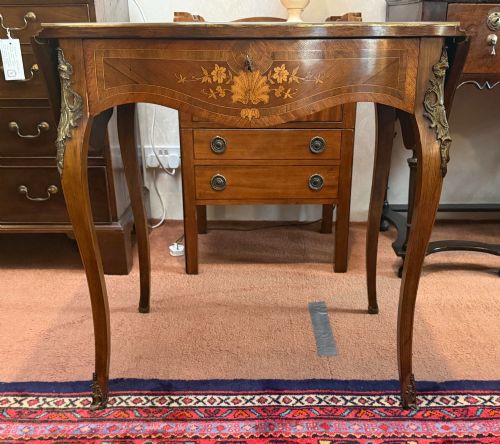
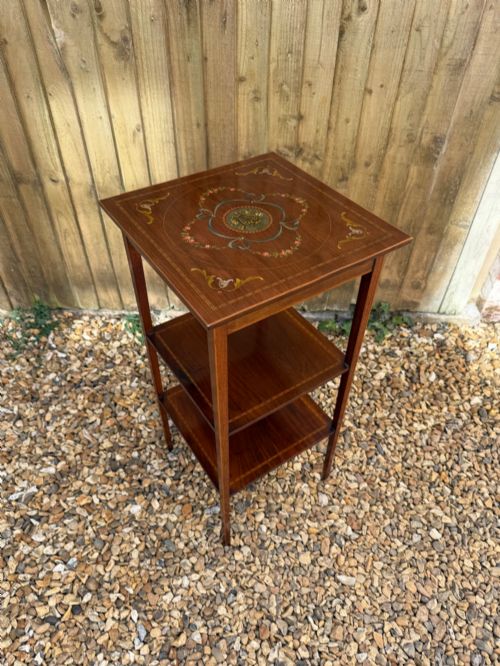
The forms vary across centre tables, occasional tables, card tables, console tables, etageres, and drop-leaf tables. Walnut, burr walnut, rosewood, and kingwood frequently form the primary structure and background for these inlaid designs.
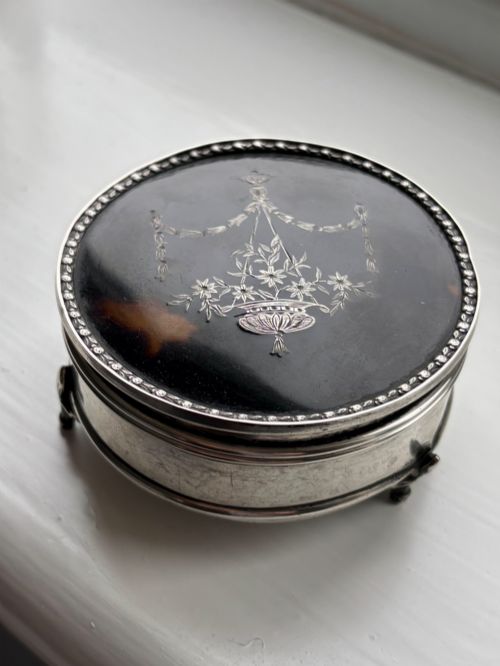
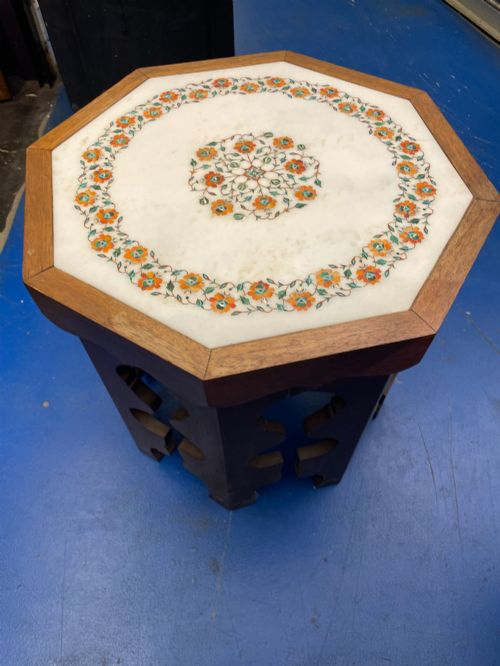
Buyers seeking a floral inlaid table will encounter both English craftsmanship and French pieces influenced by continental designs. These surfaces combine functional furniture forms with elaborate marquetry panels depicting flowers and foliage.
How They Were Made
Craftsmen built these tables using solid timber carcases overlaid with fine veneers of walnut, rosewood, kingwood, and satinwood. Hardwood and mixed wood veneers were carefully cut and fitted together to form pictorial floral marquetry motifs.
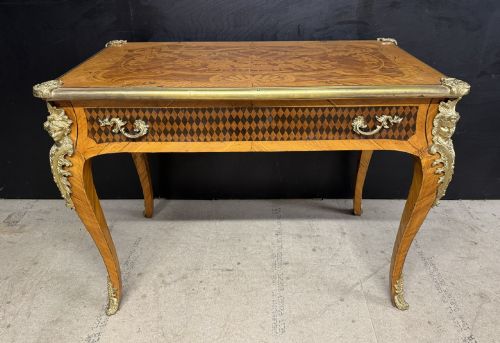
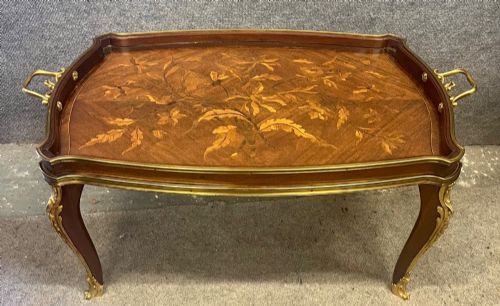
Gilt bronze and ormolu mounts frequently accent the timber frames, particularly on French revival pieces. Structural elements include multi-tiered etagere designs, folding card table tops, and occasional table pedestals or legs.
Retail Price Guide 2026
Typical UK retail prices for floral inlaid table, calculated from the Sellingantiques database of over a million retail prices indexed since 2003. This retail price guide relies exclusively on Sellingantiques data; no external sources or auction records are used, so the figures do not describe the wider market.
The listings combine nineteenth-century English walnut pieces with French revival tables featuring rosewood, kingwood, and ormolu mounts.
What Varies in Quality
Quality rests upon the precision of the marquetry cutting and the choice of timbers used for contrast and depth. Finer examples utilise burr walnut, kingwood, and satinwood to create shaded botanical details that hold the eye.
The refinement of the supporting structure and mounts elevates certain pieces above standard production. Hand-chased ormolu mounts and sophisticated table mechanisms mark the upper tier of these examples.
Edward Holmes Baldock
The Floral Inlaid Table Glossary
- Marquetry
- The art of applying pieces of veneer to a structure to form decorative patterns and pictures. This technique defines the floral designs seen across these table tops.
- Kingwood
- A dense, richly coloured timber featuring dark violet-brown tones with lighter streaks. Cabinet makers valued this wood for high-status veneer work.
- Etagere
- A set of open shelves or tiers used for displaying small objects. Examples here feature multi-tiered floral marquetry construction.
- Ormolu
- Gilded bronze ornamentation applied to furniture mounts and accents. It frequently appears alongside French-influenced marquetry tables.
Frequently Asked Questions
What is a floral inlaid table used for?
These pieces serve as decorative centre surfaces, occasional stands, or functional card and console tables within a room. Their detailed marquetry tops make them suitable for central placement where the surface pattern remains visible.
Many designs incorporate folding tops or multiple tiers, allowing them to adapt to different domestic uses while displaying fine woodwork.
How do I identify a French style table?
French revival and Rococo pieces often incorporate rosewood, kingwood, and satinwood alongside cast ormolu mounts and curved cabriole lines. The marquetry tends to feature elaborate floral arrangements across the entire top.
English nineteenth-century versions typically rely on walnut and burr walnut with more restrained framing around the central floral panels.
Are these tables solid wood?
The primary frames and carcases use timbers such as walnut and mahogany, but the decorative surfaces consist of fine veneers applied over a stable base. This technique prevented warping while permitting complex pictorial marquetry designs.
Different woods like satinwood and rosewood were selected specifically for their contrasting natural colours within the floral motifs.
How do I care for inlaid veneer surfaces?
Keep these tables away from direct sunlight and heat sources to prevent the natural timber veneers from drying out or lifting. Regular dusting with a soft, dry cloth helps maintain the polished finish without harming the marquetry.
Avoid using harsh chemical polishes that can seep into the fine joints between the individual veneer pieces.