

Victorian Walnut Loo Table
A victorian walnut loo table is a grand centrepiece featuring a tilt top, designed for card games and gatherings.
Victorian Walnut Loo Table
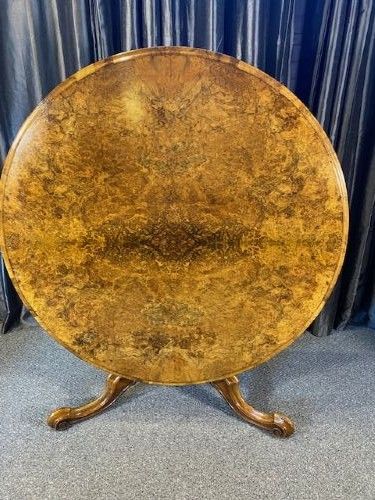
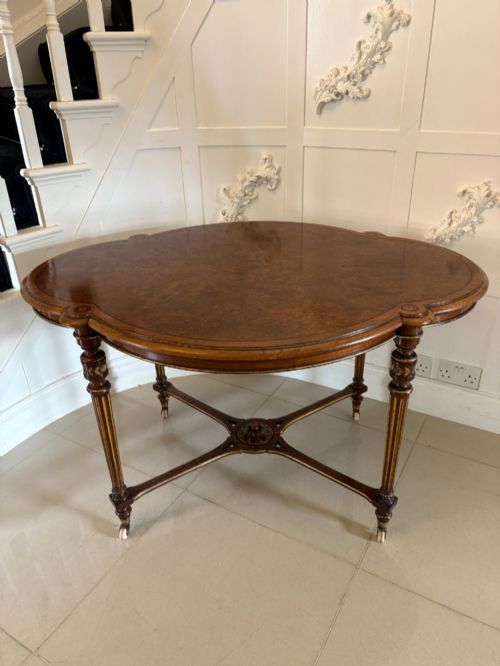
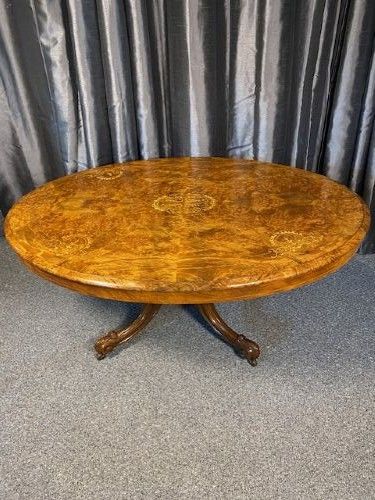
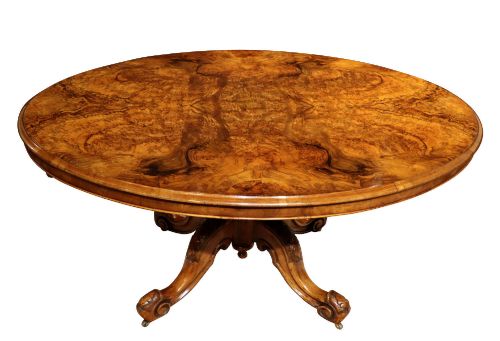
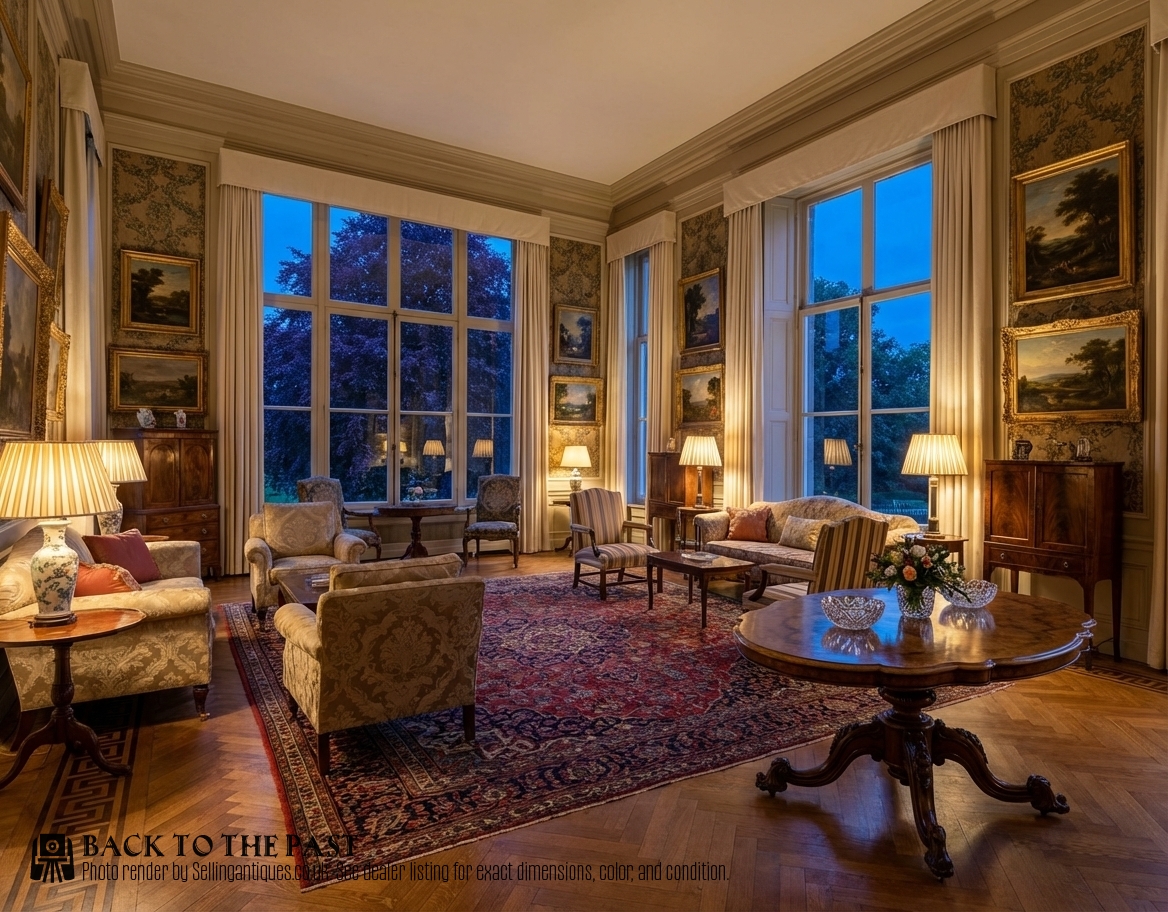
A victorian walnut loo table is a large multi-purpose table created for the Victorian parlour, utilised for hosting guests and playing the card game loo. The version most commonly met on this page is the oval tilt top table shaped from rich timber veneers.
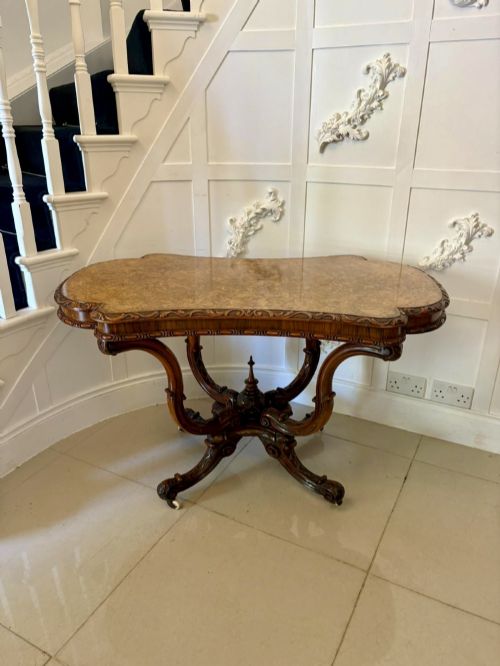
These tables appear primarily in Victorian forms spanning the mid to late nineteenth century, including pieces dated to the eighteen-fifties, sixties, and seventies. Makers built them as centre tables, breakfast tables, and occasional tables with heavy carved bases.
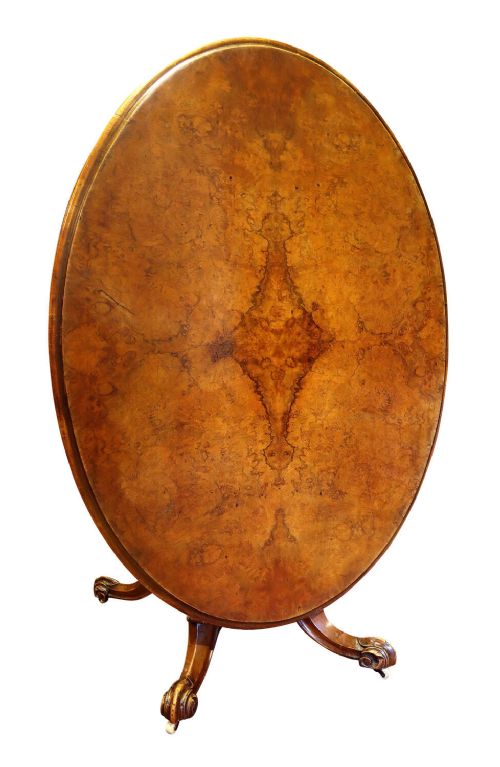
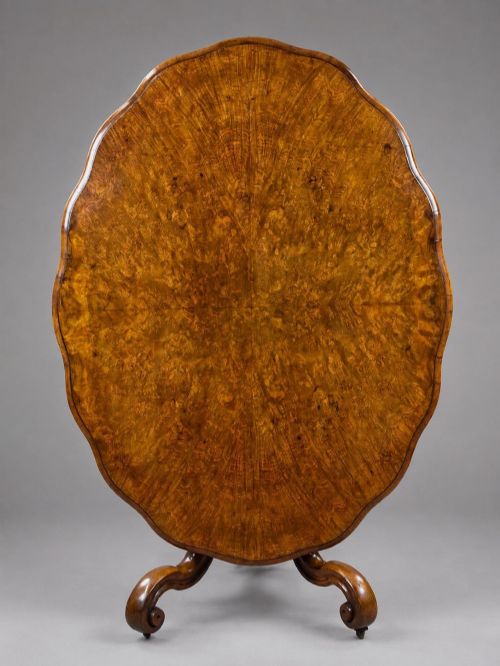
Many examples feature an ingenious mechanism allowing the large top to snap vertically when not in use, saving valuable floor space in a drawing room. They survive in various dimensions, accommodating anywhere from four to six seats around the perimeter.
How They Were Made
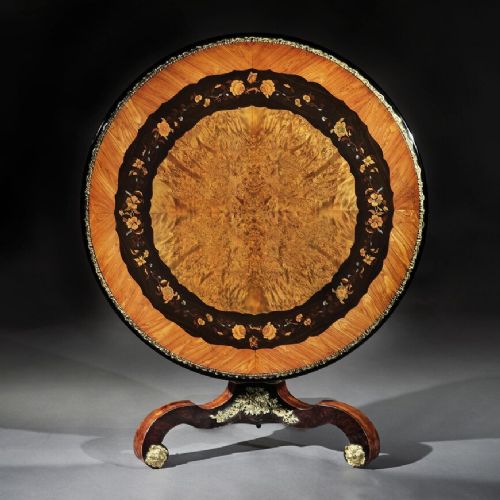
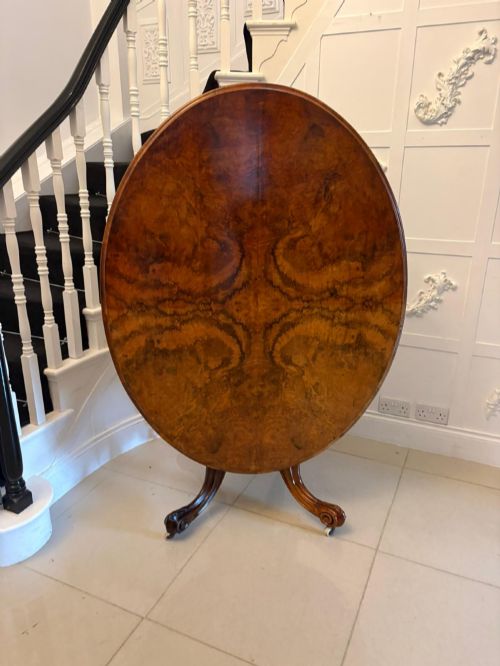
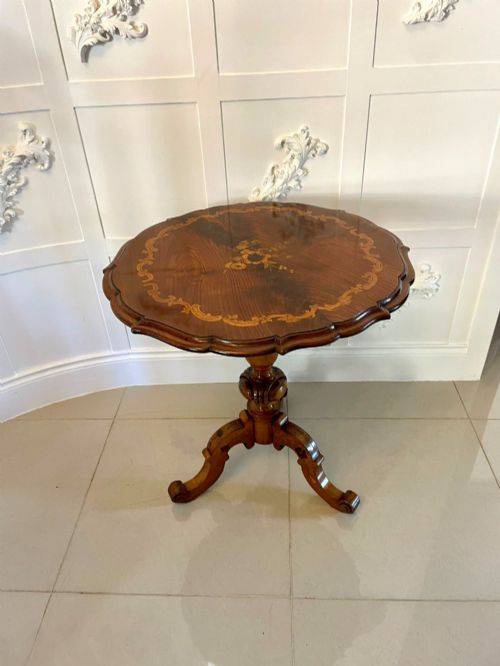
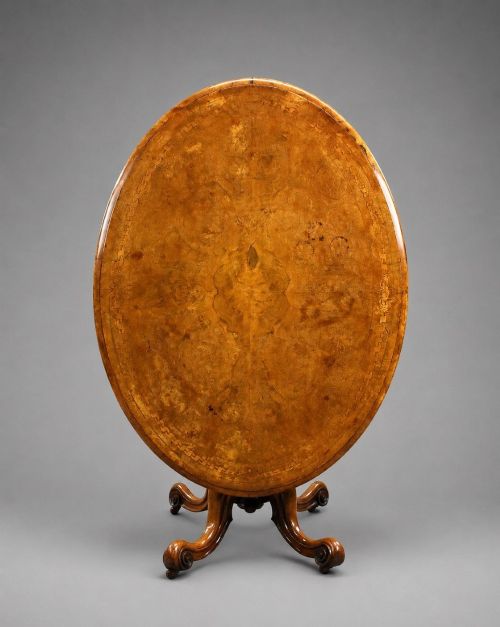
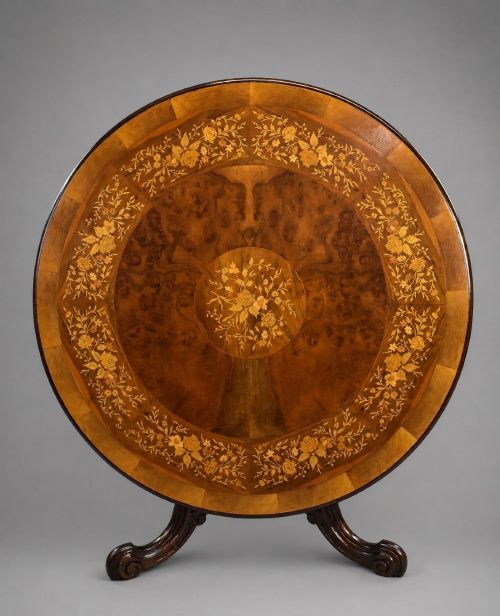
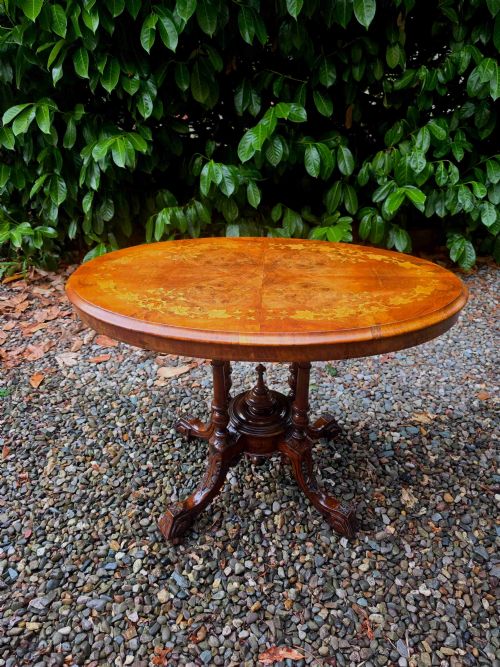
Cabinet makers constructed these pieces using solid wood framing overlaid with highly figured burr walnut veneers to create striking symmetrical patterns across the wide surface. They incorporated contrasting timbers such as boxwood and fruitwood for intricate marquetry and inlaid floral motifs.
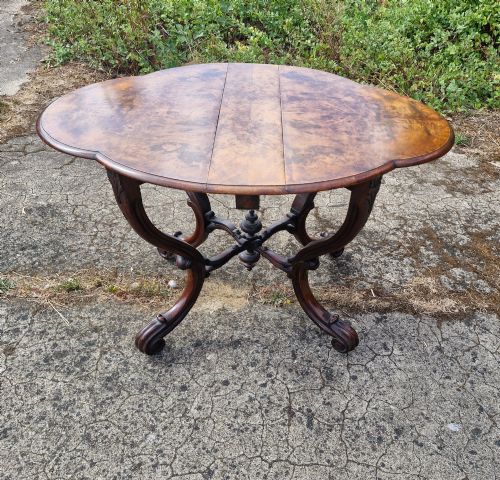
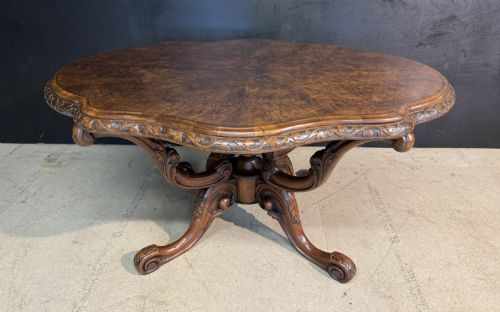
The heavy tops rest upon solid carved pedestals, often featuring triple or quadrapod legs supported by brass castors for mobility. Mechanisms rely on sturdy timber blocks and iron scissor action or snap top catches to secure the tilting top.
Victorian Walnut Loo Table Retail Price Guide 2026
Typical asking prices for victorian walnut loo table among the pieces listed under this phrase on Sellingantiques today, from the lower quarter to the upper quarter. They describe what is for sale here now, not the wider market.
Victorian card players took their games so seriously they needed custom tables with tilting tops just to reclaim their parlour floor space.
What Varies In Quality
Quality rests heavily on the selection and matching of the burr walnut veneer, where superior examples display rich, swirling grain patterns across the entire oval top without interruption. Finer pieces elevate the design through elaborate boxwood inlay and detailed marquetry rather than relying on plain timber.
The execution of the carved pedestal separates standard production from exceptional work, with top-tier examples showing deep, crisp hand-carving on the pillar and legs. The precision of the tilt top mechanism and the stability of the quadrapod base also indicate superior workshop standards.
Edward Holmes Baldock
The Victorian Walnut Loo Table Glossary
- Burr Walnut
- A figured wood grain harvested from the growth warts of walnut trees. It creates highly decorative patterns prized by nineteenth-century cabinet makers.
- Tilt Top
- A hinged table top design that pivots ninety degrees. This feature allows the furniture to be stored flat against a wall.
- Marquetry
- Decorative veneer work arranged in pictorial patterns. Artisans inlay contrasting woods like boxwood and fruitwood into the surface.
- Quadrapod
- A four-legged pedestal base. It provides sturdy support for large dining and centre tables.
- Loo
- A popular nineteenth-century card game. Tables were specifically proportioned and named for this parlour pastime.
Victorian Walnut Loo Table: Frequently Asked Questions
What was a loo table used for?
These tables served as versatile furniture pieces in Victorian homes, primarily utilised for social gatherings and card games like loo. When not in use for entertaining, families placed them in the centre of the room to display decorative objects.
The tilting mechanism allowed the large surface to fold flat, making it convenient to push against the perimeter of the parlour. They doubled as breakfast or dining tables when extra surface area was required.
How do I spot burr walnut?
Burr walnut exhibits distinctive swirling patterns, tiny knots, and mottled grain formations that look completely different from straight-cut timber. Cabinet makers sliced these decorative growths into thin veneers to create symmetrical patterns across table tops.
This material catches the light differently depending on the angle, giving the wood a deep, shimmering appearance. It forms the defining visual characteristic of mid-nineteenth-century parlour furniture.
Why does the top tilt?
The tilting mechanism was an ingenious space-saving device designed for nineteenth-century drawing rooms. By releasing a catch underneath, the massive wooden top pivots vertically so the furniture occupies minimal floor space.
This practical engineering allowed homeowners to clear the centre of the room for dancing or other activities. It remains a defining functional feature of authentic nineteenth-century examples.
How many people can sit at one?
Standard oval tables comfortably accommodate four to six diners depending on the overall dimensions of the top. The generous width provides adequate knee clearance around the central carved pillar.
Because the pedestal sits directly underneath in the centre, chairs tuck neatly beneath the rim when the table is not in active use.