



Mid Victorian Centre Table
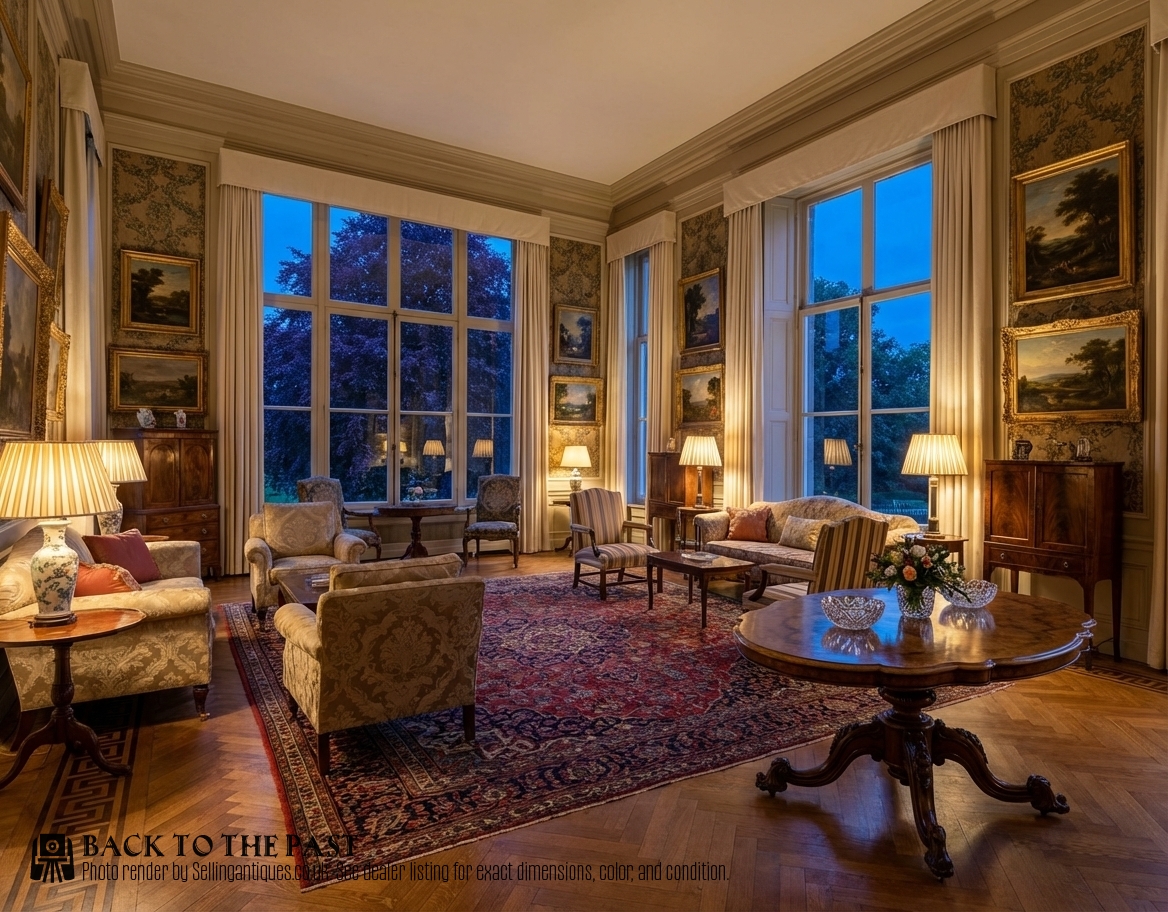
A mid victorian centre table sits in the middle of a room, built to hold lamps and books rather than hug the wall.
What a mid victorian centre table is
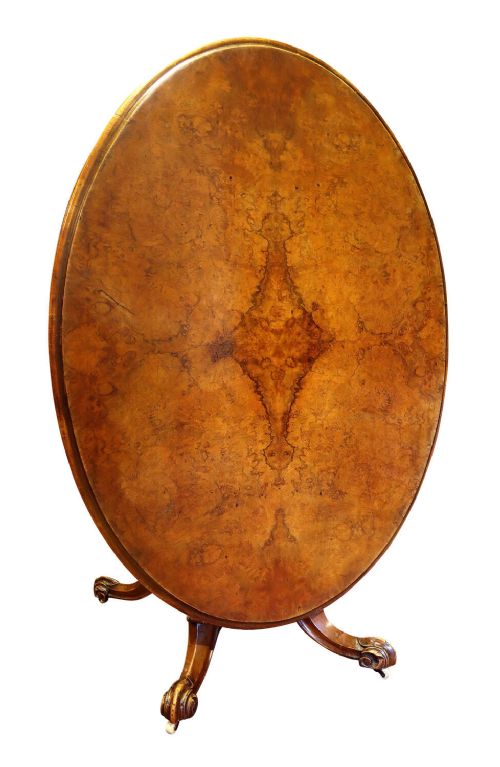
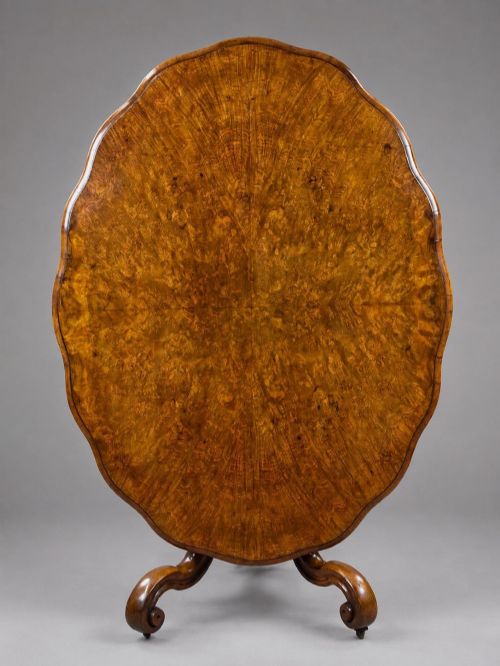
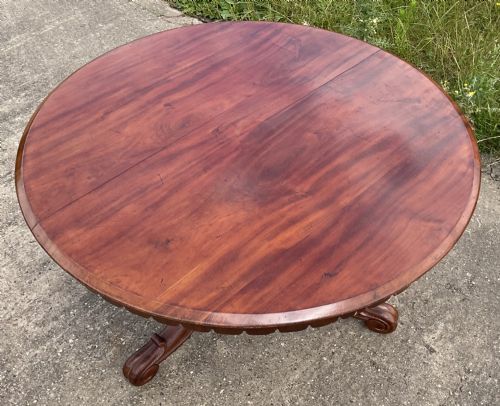
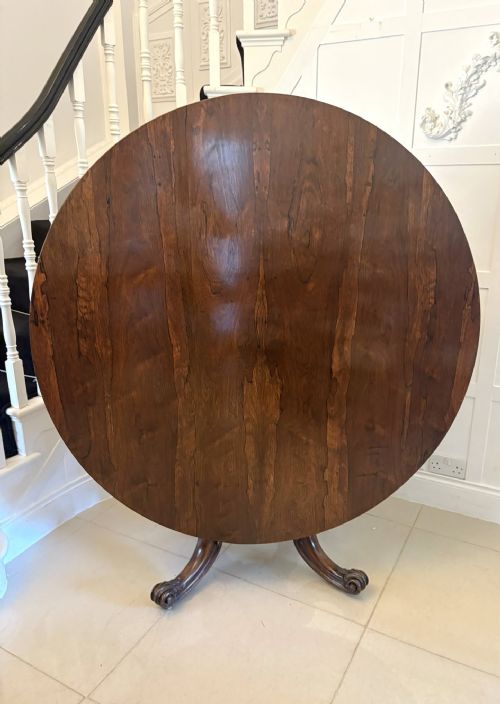
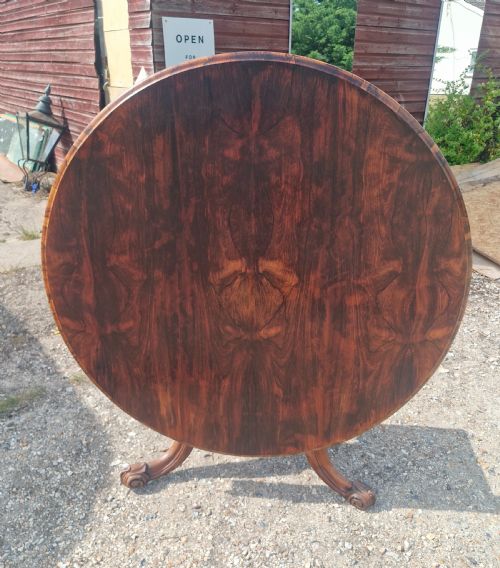
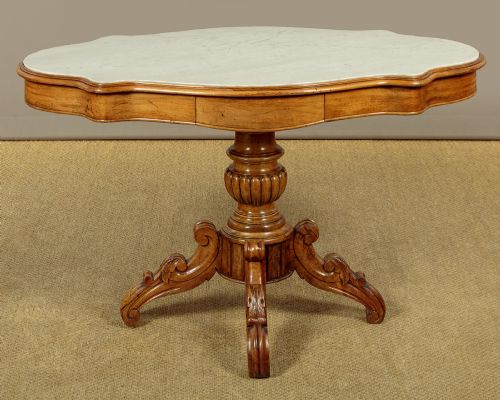
A mid victorian centre table stands as a freestanding piece designed to be viewed from all sides in the middle of a room. These forms include circular tops, oval loo tables, octagonal shapes, and library tables.
Makers fashioned these pieces during the nineteenth century, with specific dates clustering around eighteen fifty, eighteen sixty, and eighteen eighty. The evidence shows works belonging to the Victorian period.
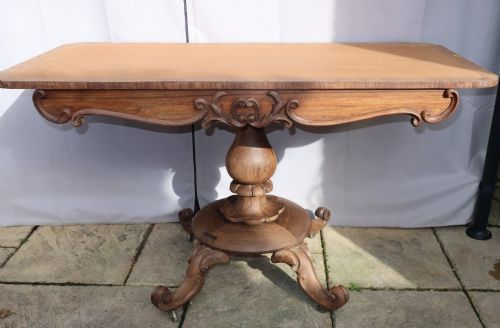
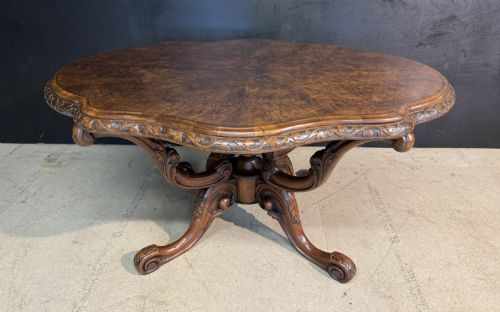
Buyers meet circular, oval, and octagonal variants supported on pedestal bases or cabriole supports. Some examples incorporate a tip up action for convenient storage when not in use.
How they were made
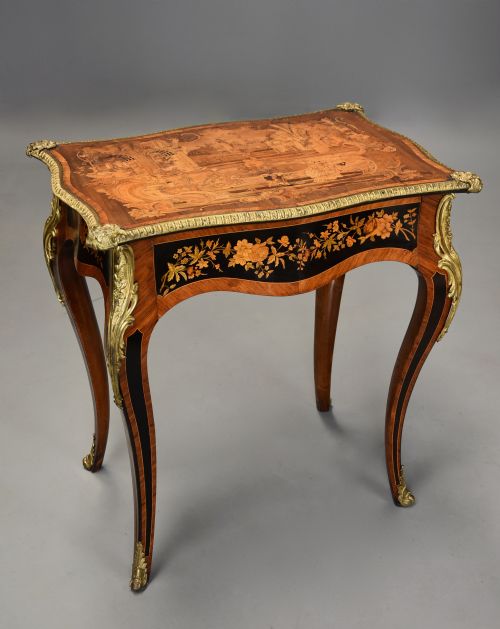
Craftsmen built these tables using timbers such as walnut, burr walnut, figured walnut, mahogany, and rosewood. Decorative elements include boxwood inlay and marquetry work.
Structural components often utilise brass hardware, while bases feature carved wooden pedestal supports or cabriole legs. Circular and oval tops rest upon these central pillars for stability.
Retail Price Guide 2026
Typical UK retail prices for mid victorian centre table, calculated from the Sellingantiques database of over a million retail prices indexed since 2003. This retail price guide relies exclusively on Sellingantiques data; no external sources or auction records are used, so the figures do not describe the wider market.
Listings feature nineteenth century pieces made from walnut, burr walnut, mahogany, rosewood, and boxwood.
What varies in quality
Quality rests upon the choice of timber figure, such as highly figured burr walnut against plain mahogany. The crispness of carved details on pedestal supports and cabriole bases also separates standard work from finer production.
Complexity of decoration defines the upper tiers, seen through marquetry and boxwood inlay on table tops. Structural ingenuity, such as a well executed tip up action, adds sophistication to the design.
The Mid Victorian Centre Table Glossary
- Centre table
- A freestanding piece finished on all sides to stand in the middle of a room rather than against a wall.
- Burr walnut
- A prized timber cut from the abnormal growths on walnut trees, showing swirling grain patterns.
- Loo table
- A large round or oval table originally used for nineteenth century card games like loo.
- Marquetry
- Decorative veneer applied in patterns to wood surfaces, using different woods and materials.
- Cabriole support
- A curving furniture leg shaped like an animal's curving leg with an outward knee and inward ankle.
Frequently Asked Questions
Where should a centre table go?
A mid victorian centre table belongs in the middle of a room where people can walk around it freely.
Because these tables are finished on all sides, they work well in large reception rooms or entrance halls.
What is a loo table?
A loo table is an oval or circular variant designed for card playing during the Victorian era.
Many examples feature a tip up action so the top can be folded vertically when not in use.
How do I identify a Victorian table?
Victorian pieces use nineteenth century timbers like burr walnut, rosewood, and mahogany.
Look for pedestal bases, cabriole supports, and decorative boxwood inlay characteristic of the period.
What is marquetry?
Marquetry involves arranging thin pieces of veneer to form decorative pictures or geometric patterns on the table top.
This technique highlights the skill of nineteenth century cabinet makers.