

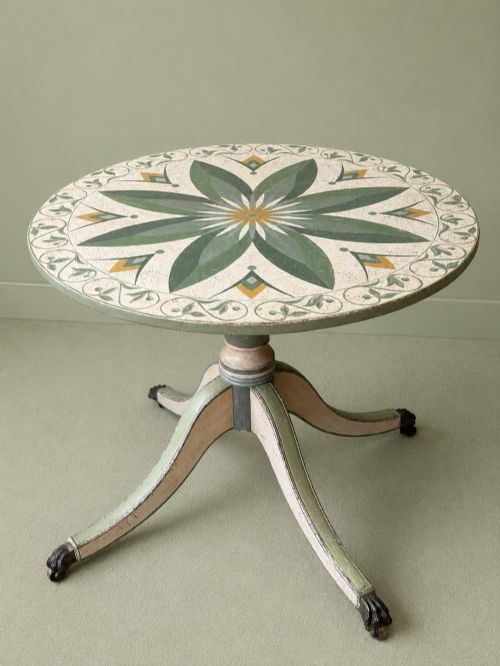
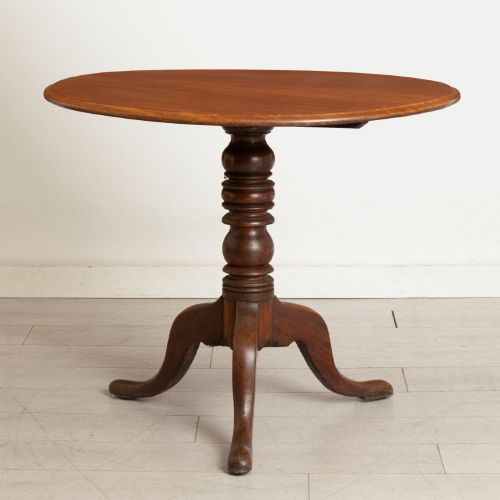
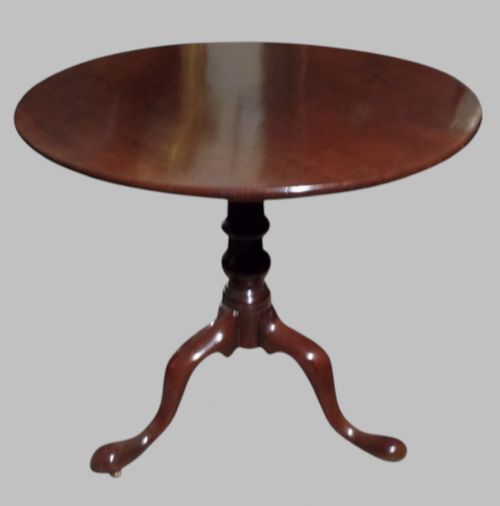
Round Tilt Top Table
When you want a versatile piece that folds away neatly, a round tilt top table delivers clever historic engineering alongside striking timber grain.
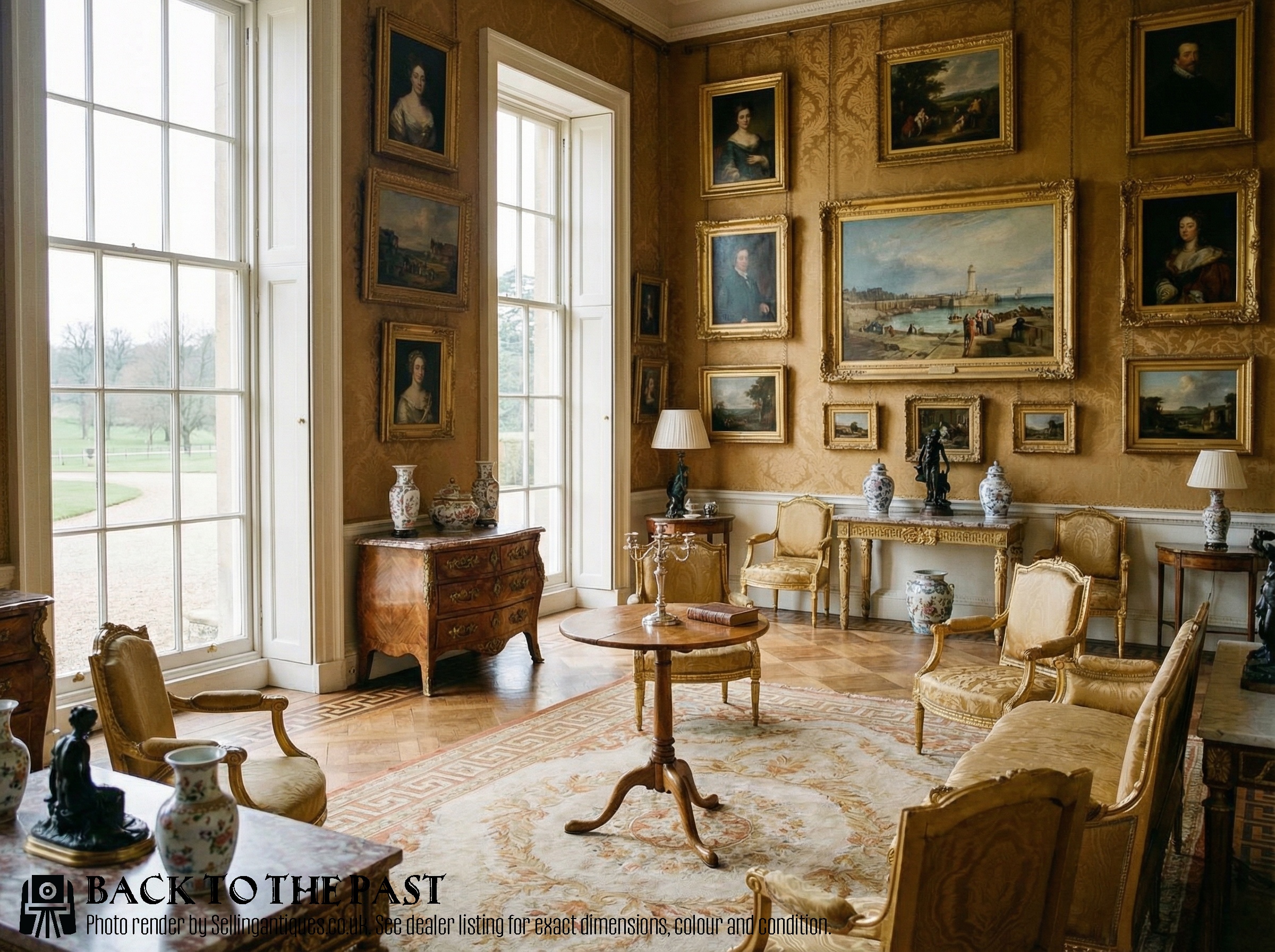
Round Tilt Top Table
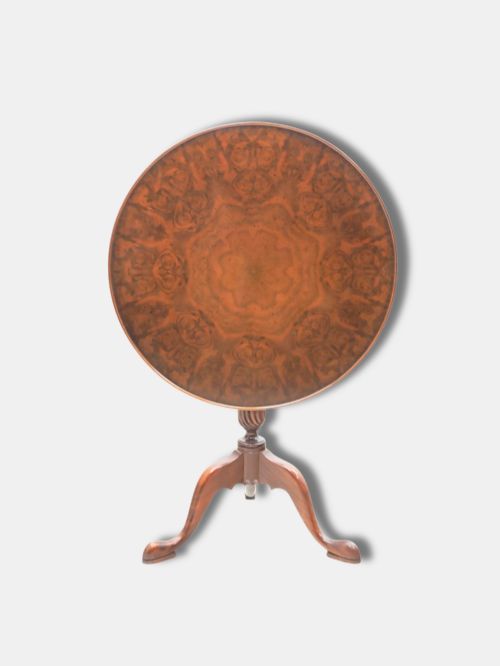
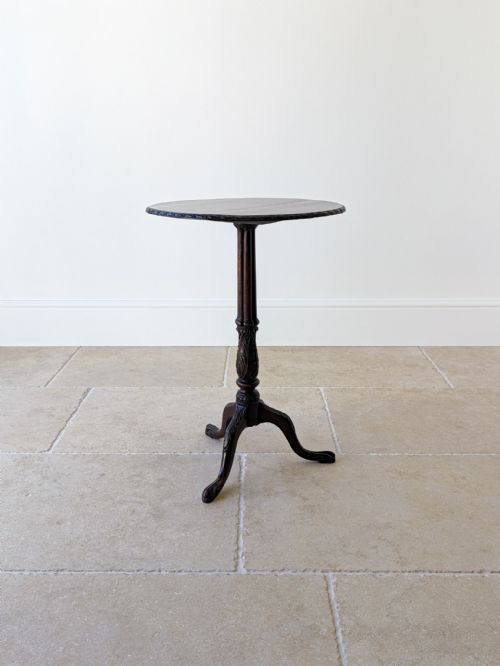
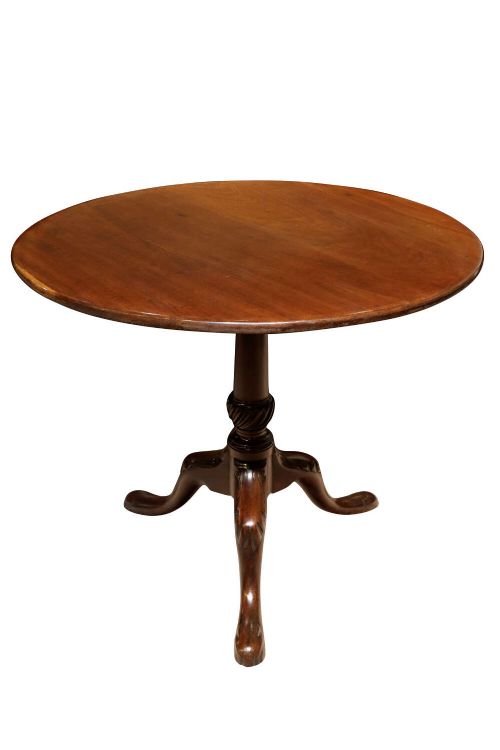
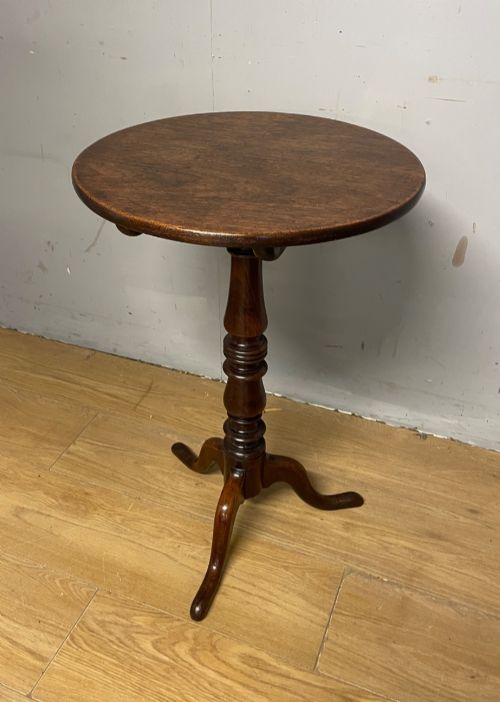
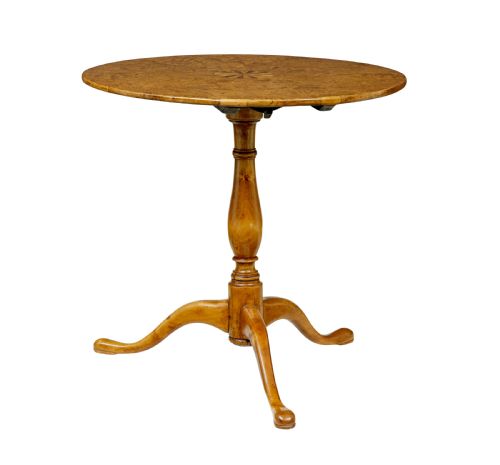
A round tilt top table is designed with a clever mechanism beneath the circular surface, allowing the top to pivot vertically when not in use so it can rest flat against a wall or tuck into a corner. These pieces function historically as wine tables, supper tables, breakfast tables, and larger dining formats depending on their diameter and height. The selection spans compact tripod designs meant for holding a single lamp to grand pedestal formats built for communal dining.
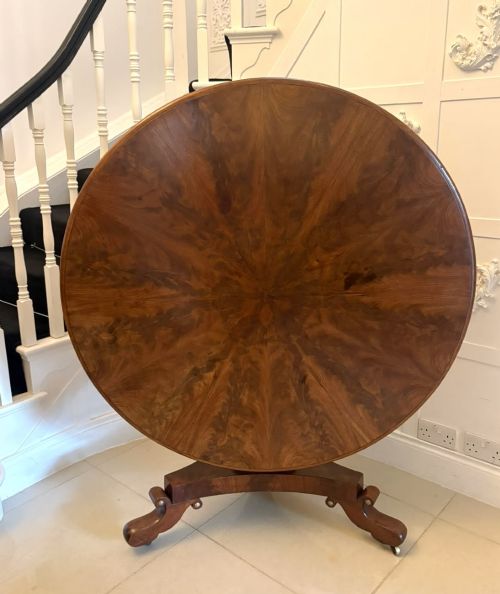
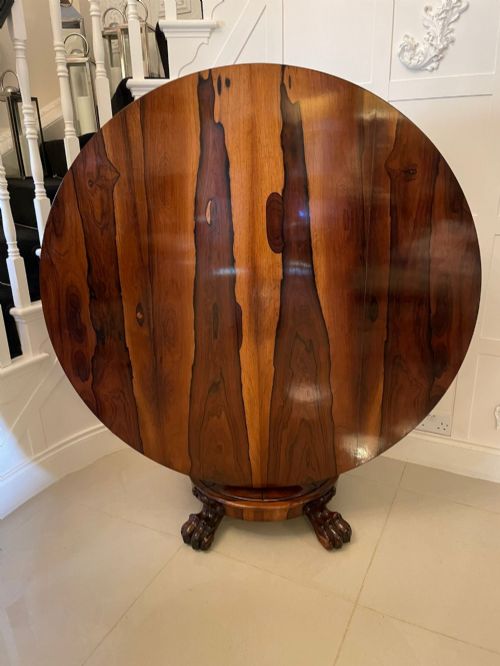
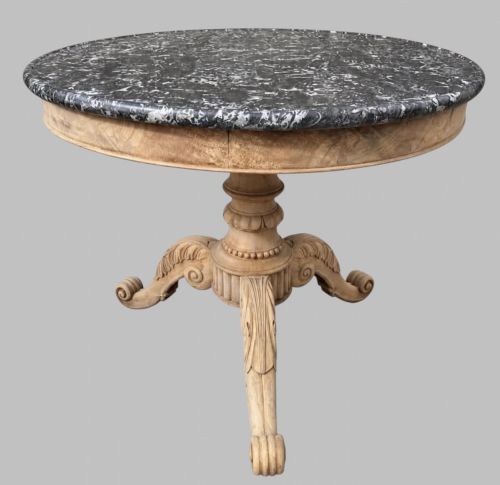
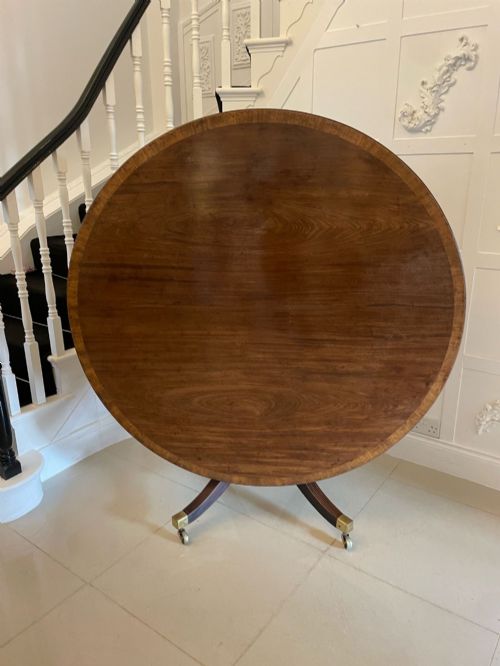
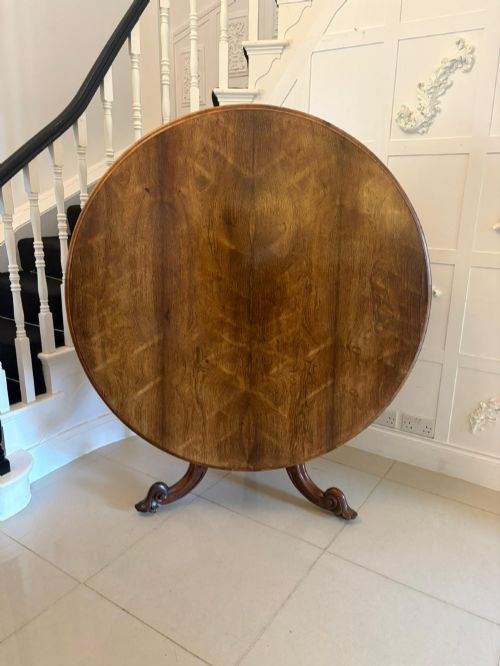
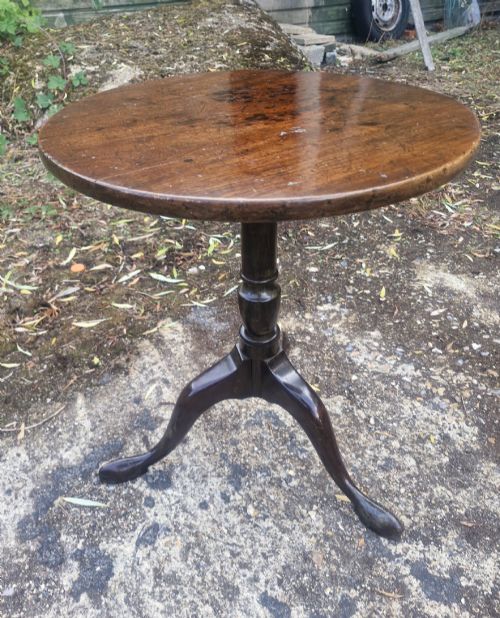
Georgian and Victorian examples dominate the available selection, often resting on a central pillar supported by three splayed legs or a heavy platform base. You will frequently encounter rich timbers like mahogany, rosewood, and walnut, frequently shaped into circular tops with moulded edges or raised rims. The pivot mechanism typically relies on a wooden catch or a brass latch, securing the top firmly into place when lowered horizontally for service.
Timber selection and construction methods
Cabinet makers utilised dense, richly figured hardwoods like mahogany, rosewood, walnut, and oak to construct these pieces, often selecting single wide planks or arranging matched veneer leaves around a central point. Timber preparation required careful seasoning to prevent warping across the wide circular expanse, while turning lathes shaped the central pedestals and support columns.
The pivoting action depended on sturdy block mechanisms, birdcage framing, or metal hinges that connected the underside of the top directly to the vertical shaft. Tripod bases were joined using traditional mortise and tenon joints, ensuring the splayed legs could bear the weight of the tilting mechanism and the downward pressure placed upon the edges.
Round Tilt Top Table Retail Price Guide 2026
Typical asking prices for round tilt top table among the pieces listed under this phrase on Sellingantiques today, from the lower quarter to the upper quarter. They describe what is for sale here now, not the wider market.
Listings feature mahogany, rosewood, walnut, and oak across Georgian, Regency, and Victorian periods.
Distinguishing quality and craftsmanship
Superior examples of a round tilt top table display exceptional timber choice, featuring unbroken grain patterns, rich natural colour, and finely figured veneers such as burr walnut or flame mahogany. The cabinet maker's skill is evident in the crispness of the turned pedestal, the smooth operation of the tilting catch, and the stability of the tripod base when the top is lowered.
Lesser pieces often utilise simpler secondary timbers, plainer grain alignments, or heavier, less refined pedestal turnings that lack proportion. The integrity of the pivoting mechanism and the tightness of the joinery where the legs meet the shaft ultimately separate utilitarian workshop output from master cabinet work.
Gillows·Peters of Genoa
The Round Tilt Top Table Glossary
- Tilt top
- A mechanism allowing the circular surface to pivot ninety degrees on its base. This clever design enabled tables to be stored against walls to reclaim floor space in smaller historic rooms.
- Tripod base
- A support structure featuring three splayed legs radiating from a central pillar. These legs frequently terminate in pad feet, claw and ball feet, or brass castors.
- Birdcage
- A revolving wooden framework fitted beneath the tabletop of certain tripod pieces. This assembly allows the top both to tilt and to rotate horizontally on its axis.
- Breakfast table
- A larger scale pedestal format popular during the Regency and Victorian eras. These substantial pieces provided a comfortable surface for morning meals before being cleared.
- Column pedestal
- A central turned wooden pillar supporting the weight of the circular surface. They range from plain cylindrical shafts to heavily carved, reeded, or faceted forms.
Round Tilt Top Table: Frequently Asked Questions
How did people use a round tilt top table?
These tables served multiple domestic purposes throughout the Georgian and Victorian eras, functioning as wine tables, breakfast surfaces, and lamp stands. Their defining feature allowed domestic staff or residents to tilt the surface vertically and push it against a parlour wall when the room needed to be cleared for other activities.
In daily use, smaller tripod versions were easily carried from room to room to hold tea service or reading materials. Larger pedestal formats remained stationary in dining rooms, providing a stable surface for morning meals or evening gatherings before being stowed away.
How do I tell a Georgian piece from a Victorian one?
Georgian examples, particularly those from the eighteenth century, tend to feature cleaner, more restrained lines with slender tripod legs and understated mahogany or oak surfaces. They often incorporate a birdcage mechanism beneath the top to allow both tilting and rotation.
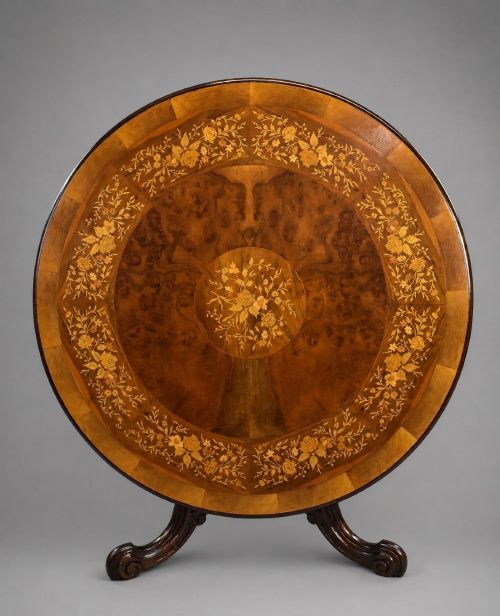
Victorian iterations generally present heavier proportions, darker rosewood or walnut veneers, and more elaborate carving on the pedestal base or legs. The turnings become more robust, and decorative marquetry or intricate brass hardware frequently appear on mid-nineteenth-century formats.
How do I care for the timber surface?
Maintain the finish by dusting regularly with a soft, dry cloth and avoiding placement near direct heat sources or strong sunlight. Applying a traditional beeswax polish occasionally helps nourish historic hardwood surfaces without building up heavy chemical layers.
Protect the polish from moisture by using coasters beneath drinks, as old alcohol or water spills can mark antique finishes. Gentle handling of the tilt mechanism preserves the surrounding wood around the pivot pins and keeps the joint operating smoothly.