

Circular Accent Table
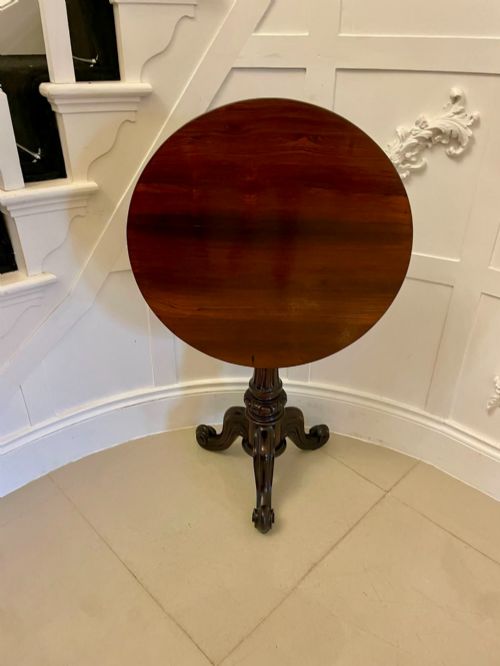
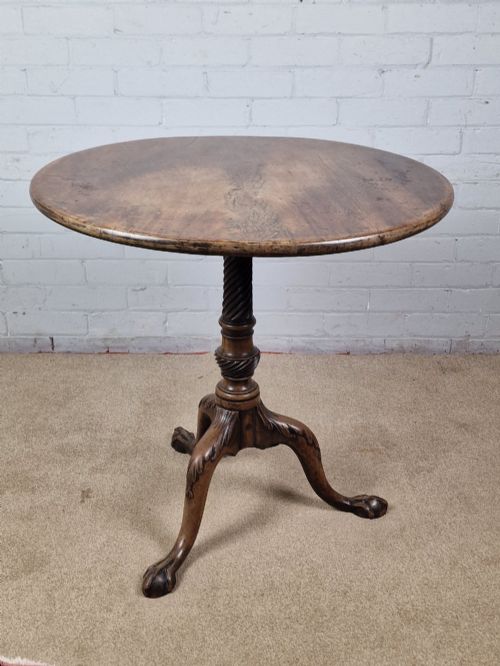
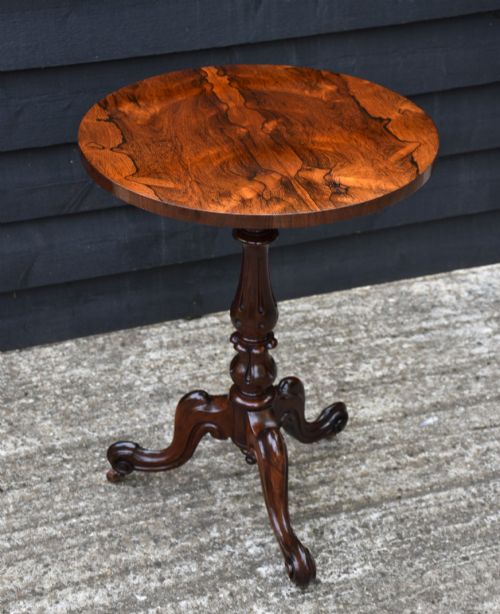
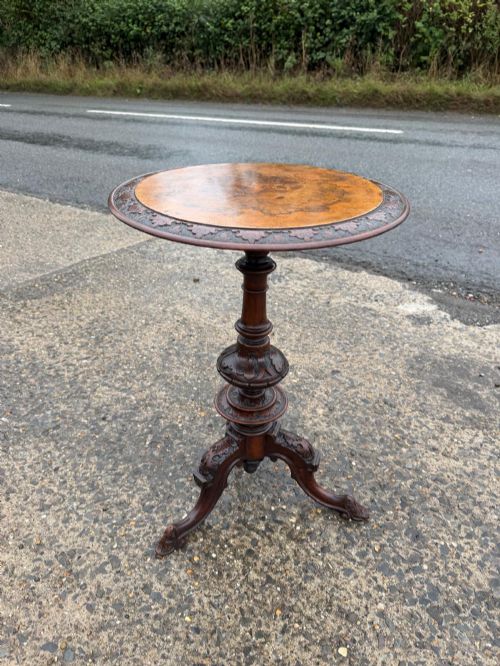
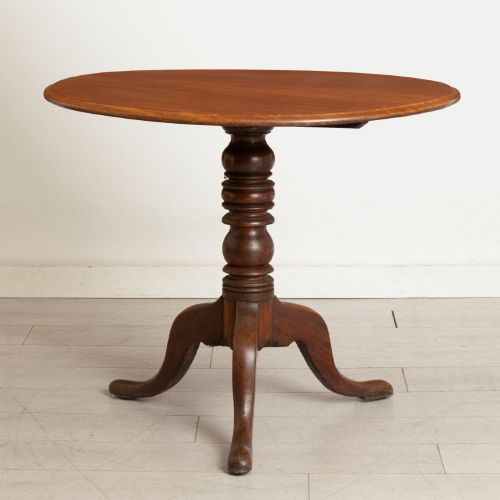
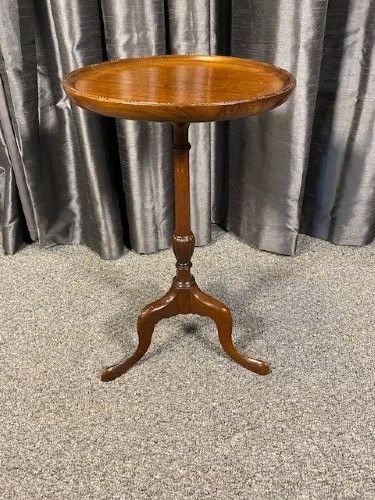
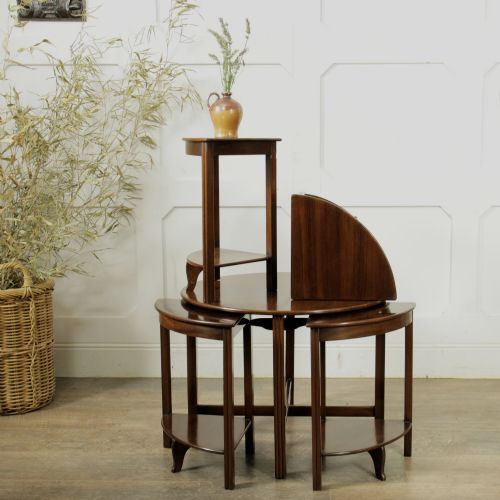
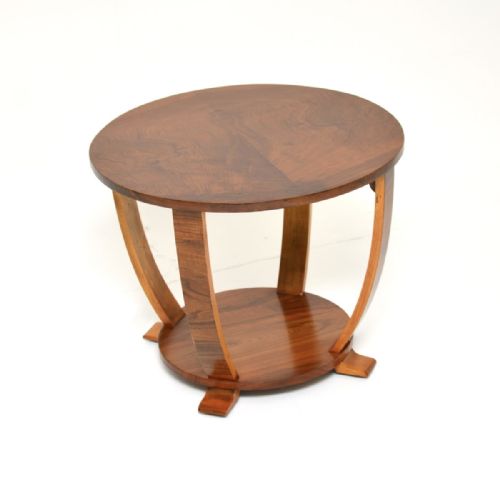
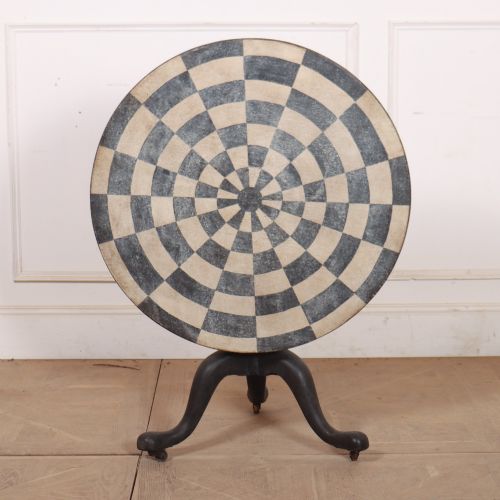
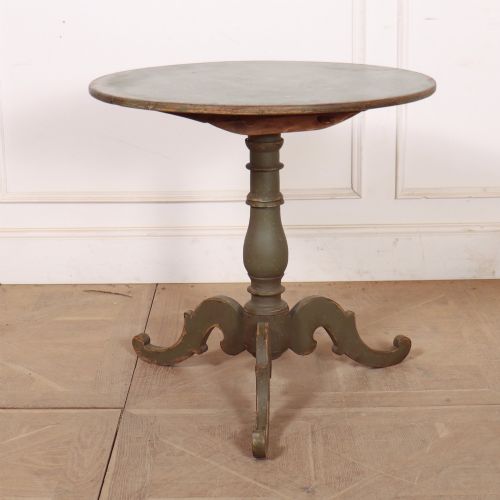
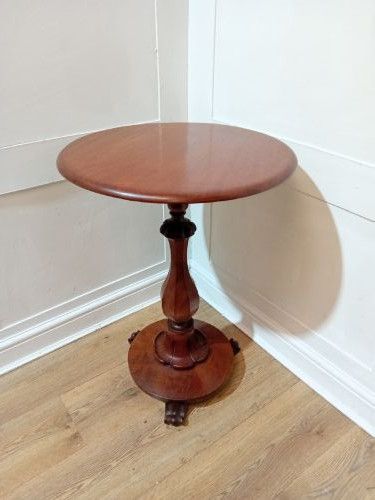
These circular accent table examples span Georgian, Victorian, and Spanish Neoclassical traditions, bringing compact character and rich timber warmth to any corner.
Defining the circular accent table
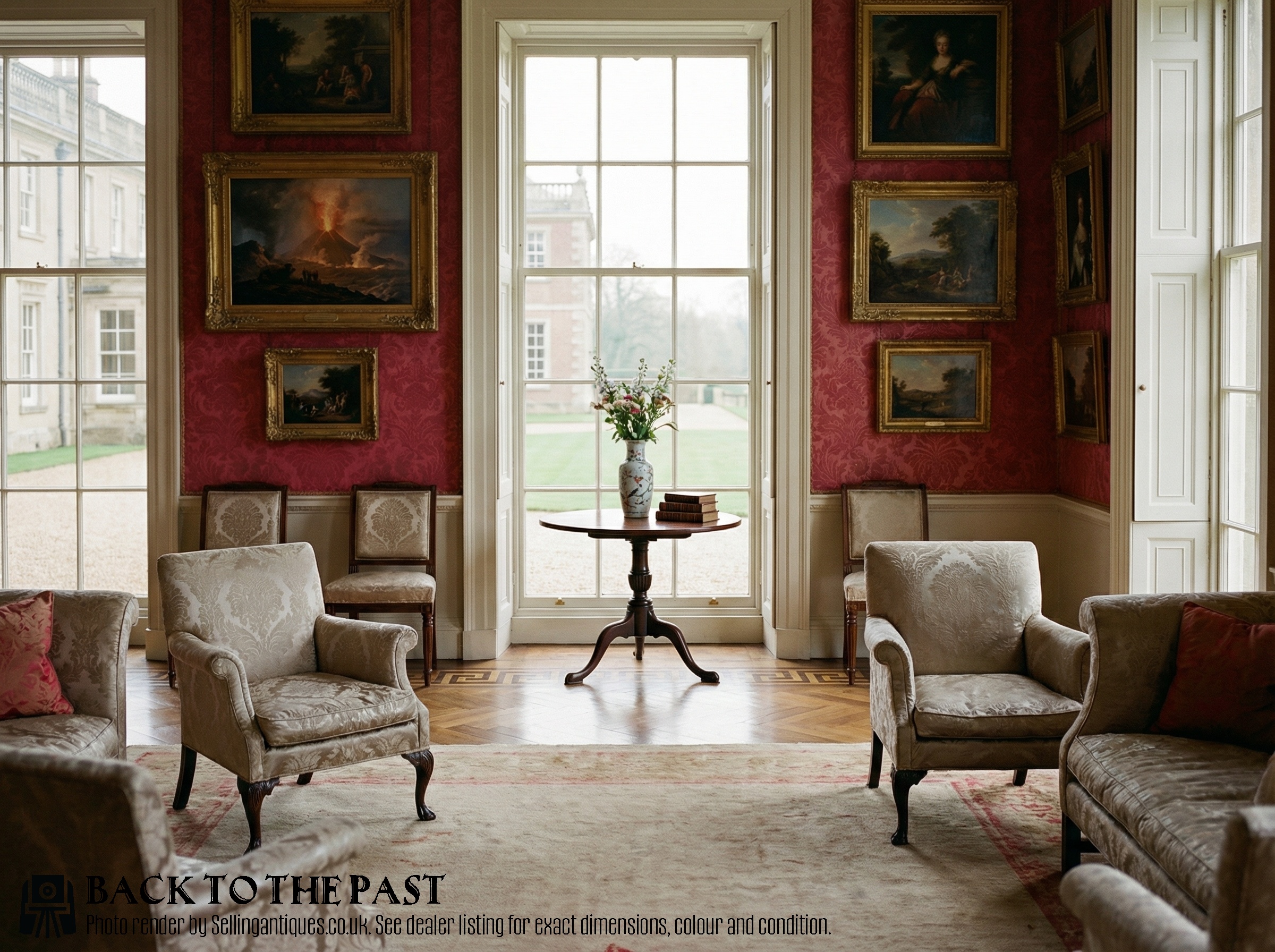
A circular accent table serves as a versatile occasional or wine table, designed for compact spaces and intimate display. These pieces function primarily as movable surfaces for lighting, drinks, or decorative objects within a room.
The selections on this page centre on the classic round top format supported by central columns, pedestals, or tripod legs. They appear in forms ranging from plain timber wine tables to grander occasional pieces featuring marble tops.
Origins span distinct historical eras, including the Georgian and Victorian periods, alongside nineteenth century French and Spanish Neoclassical creations. Buyers encounter diverse stylistic expressions, from ebonised Aesthetic Movement designs to painted wood finishes.
Materials and construction
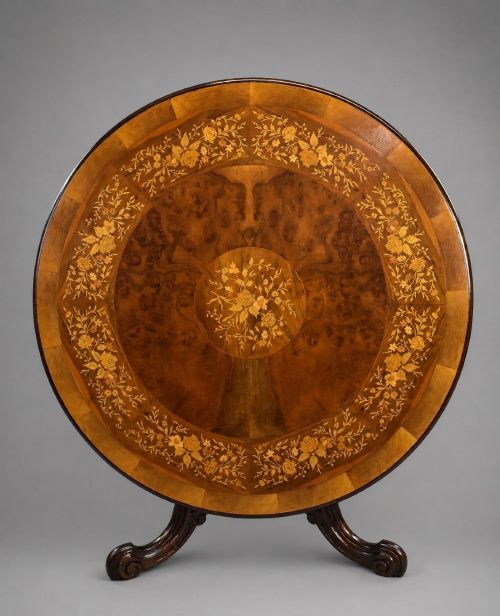
Cabinet makers utilised dense, durable timbers such as mahogany, oak, and burr walnut to construct these tables, frequently employing wood inlay to create decorative surface patterns. Structural integrity relied on turned pedestals and sturdy tripod leg configurations.
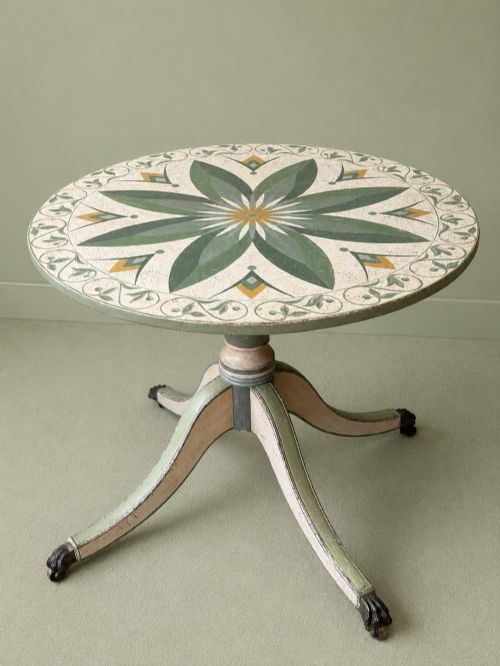
Surface ornamentation involved contrasting materials, including inset marble tops on walnut bases and hand painted finishes on Spanish examples. Details such as brass fittings and finely carved woodwork demonstrated the high level of craftsmanship applied by period artisans.
Retail Price Guide 2026
Typical UK retail prices for circular accent table, calculated from the Sellingantiques database of over a million retail prices indexed since 2003. This retail price guide relies exclusively on Sellingantiques data; no external sources or auction records are used, so the figures do not describe the wider market.
Wine tables were engineered with tilt top mechanisms so servants could fold them flat and stash them behind doors when the port was finished.
Distinguishing quality across the range
Quality in a circular accent table rests upon the crispness of the carving, the selection of figured timber veneers like burr walnut, and the balance of the tripod base. Superior examples exhibit seamless joint work and harmonious proportions that elevate them above utilitarian items.
The integration of specialised materials, such as heavy marble inserts or precise wood inlay work, separates exceptional decorative pieces from simpler vernacular tables. Original painted surfaces and untouched patination carry greater aesthetic weight than later restorations.
The Circular Accent Table Glossary
- Tripod table
- A small freestanding table supported by three legs radiating from a central pillar. This format became popular during the eighteenth century for flexibility.
- Burr walnut
- A highly prized timber veneer showing swirling knot patterns and rich colour variations. Cabinet makers selected it for decorative table tops.
- Aesthetic Movement
- A late nineteenth century design style that promoted art for art's sake. Pieces often featured ebonised finishes and minimalist structural lines.
- Occasional table
- A small, movable table intended for intermittent use rather than a permanent dining or writing setup. These pieces adapt easily to various rooms.
Frequently Asked Questions
Where should I place a circular accent table?
These pieces fit naturally beside armchairs, in tight corners, or as freestanding display surfaces in hallways. Their compact footprint allows them to occupy awkward gaps without overwhelming the floor plan.
Because the tops are round, they ease traffic flow in narrow passages and soften rectangular room layouts by introducing curved lines.
How do I identify a Georgian wine table?
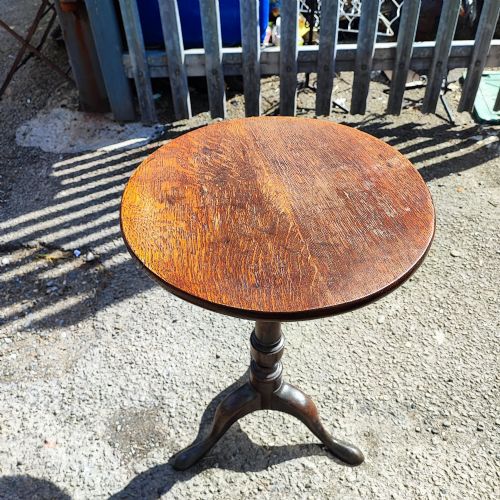
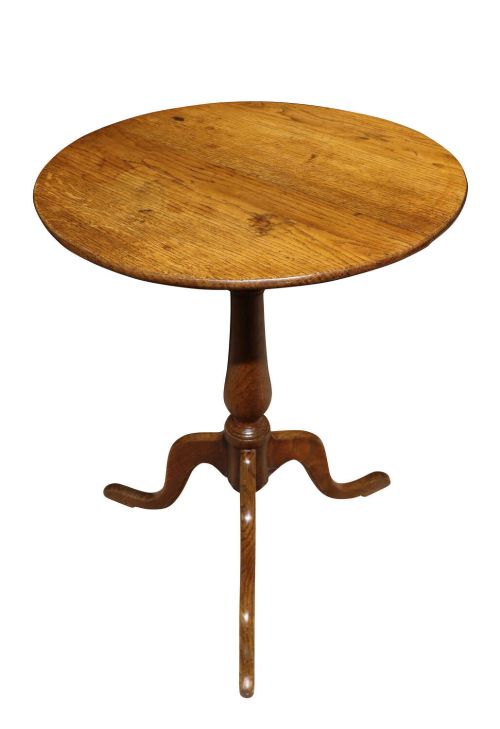
Georgian wine tables typically feature solid timber construction in mahogany or oak, often resting on a slender tripod base with pad or snake feet. The proportions remain understated and functional, prioritising stability for holding glassware.
Inspect the turning on the central column and the method of joining the legs to the pillar for signs of period hand craftsmanship.
Are marble top tables difficult to maintain?
Marble surfaces require basic care to prevent staining from acidic liquids like wine or lemon juice. Regular wiping with a damp cloth and mild soap keeps the stone clean without scratching the polished finish.
Avoid placing abrasive objects directly on the marble to preserve the smooth texture and natural veining pattern over time.
What defines Aesthetic Movement furniture?
Aesthetic Movement pieces depart from heavy Victorian ornamentation by embracing simpler silhouettes and contrasting dark ebonised finishes. They often reflect a renewed interest in decorative arts and Japanese design influences.
These tables trade complex carving for refined surface treatments and subtle geometric accents that suit both traditional and modern interiors.