





Antique Spanish Table
An antique spanish table brings substantial timber and centuries of regional craftsmanship directly into a room.
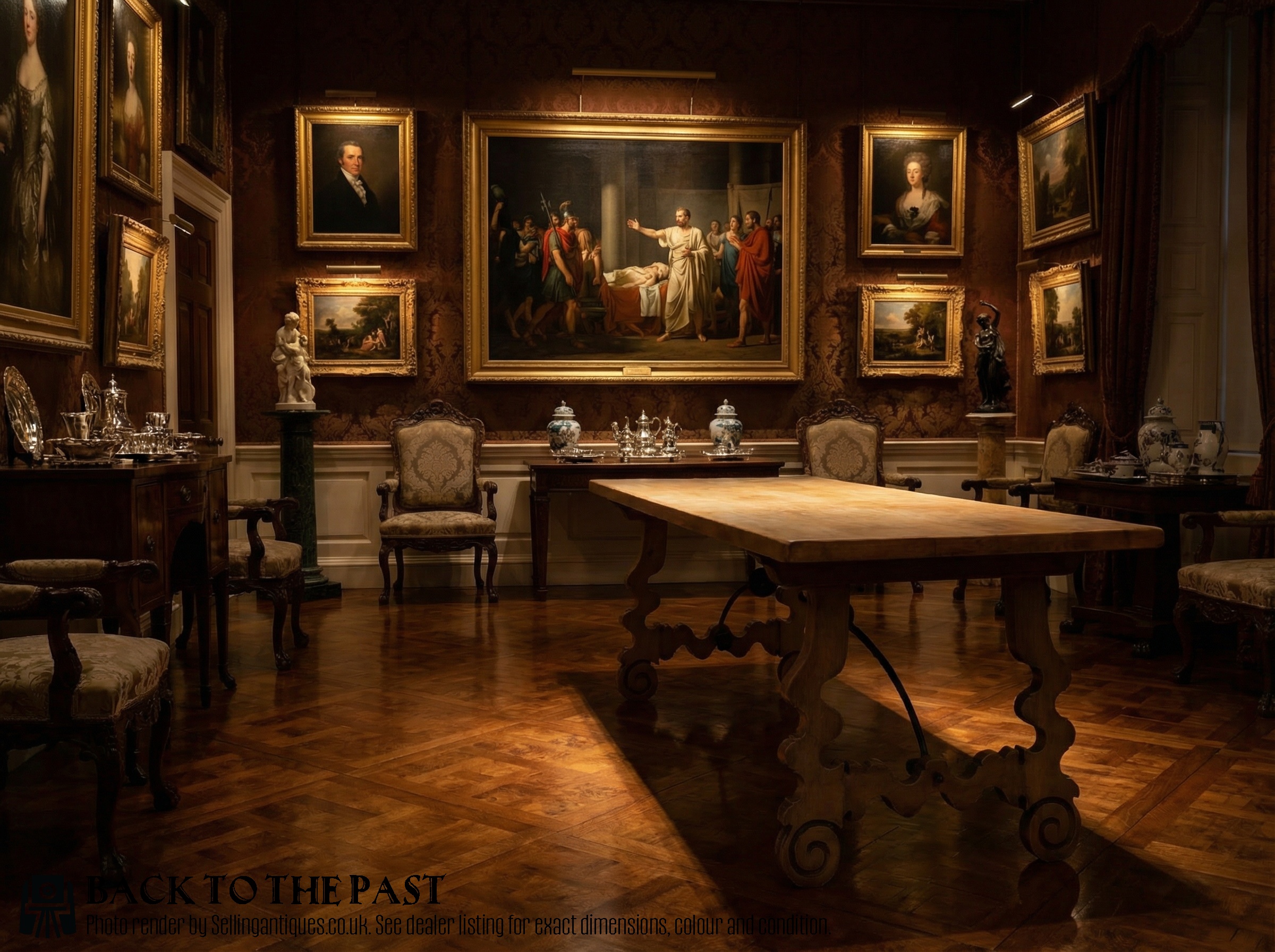
Antique Spanish Table
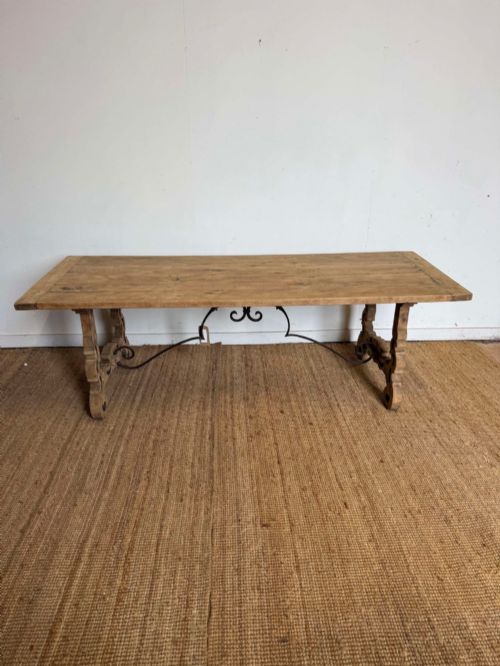
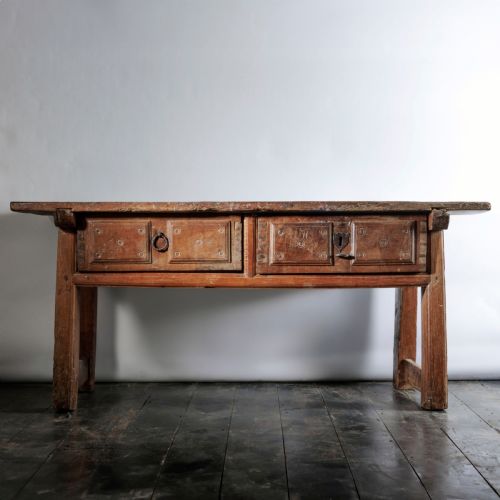
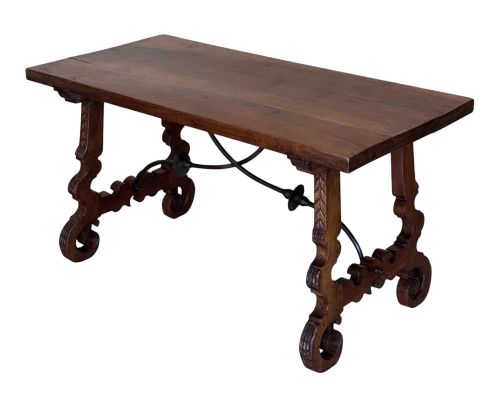
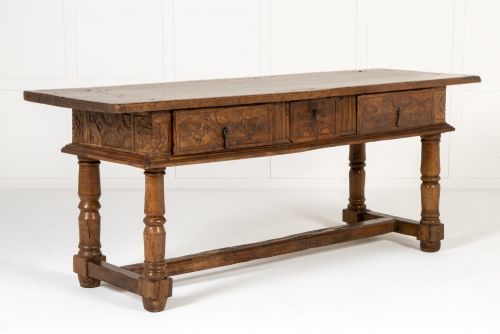
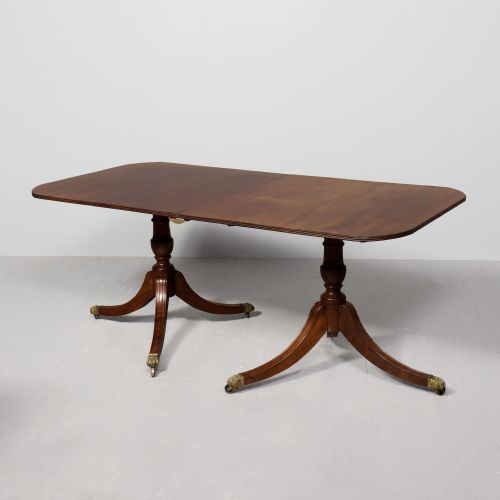
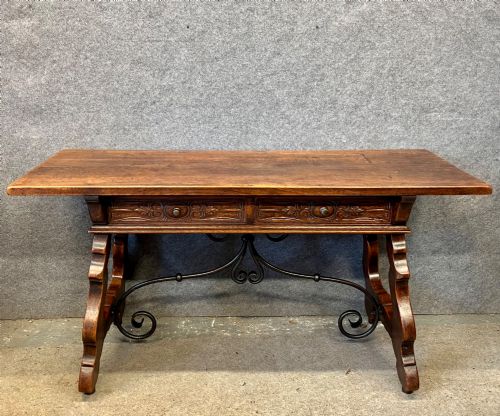
When you search for an antique spanish table, you encounter forms built for utility and endurance across dining rooms, kitchens and halls. The selection ranges from robust refectory and farmhouse formats to compact side, console and centre tables.
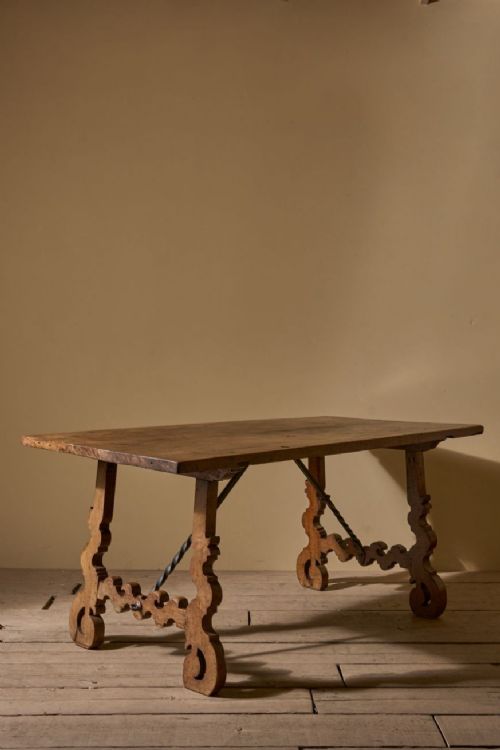
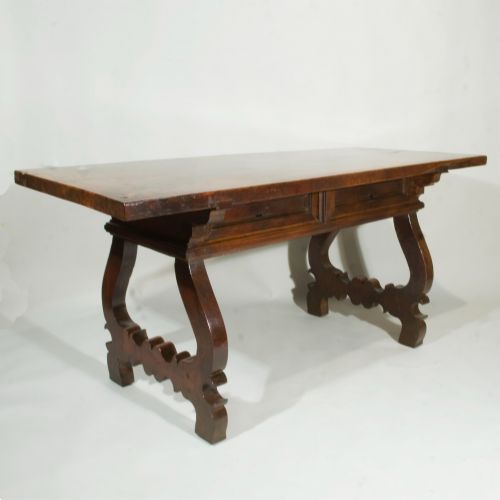
Walnut, oak and chestnut dominate the surviving pieces, often shaped into trestle designs or sturdy four-legged frames. Many examples originate from the seventeenth and eighteenth centuries, while later nineteenth-century revivals and rustic regional pieces also appear frequently.
These tables served foundational roles in domestic and monastic life, designed to withstand heavy daily use. Their presence anchors a modern interior with tangible history and straightforward structural honesty.
How they were made
Carpenters relied on solid hardwoods like walnut, oak, chestnut and elm, selecting thick planks for tops and sturdy timbers for underframes. Joinery prioritised strength, frequently employing pegged mortise and tenon joints to secure the heavy components.
Wrought iron played a vital structural and decorative role, appearing in stretcher bars, braces and hardware that reinforced the wooden framework. Surfaces received simple finishes, allowing the natural grain of the wood to develop character and depth over generations of use.
Antique Spanish Table Retail Price Guide 2026
Typical asking prices for spanish table among the pieces listed under this phrase on Sellingantiques today, from the lower quarter to the upper quarter. They describe what is for sale here now, not the wider market.
Listings feature woods including walnut, oak, chestnut, elm and ebonised timber, spanning the seventeenth to the twentieth centuries.
What varies in quality
The choice of timber sets the baseline for quality, with dense solid walnut and older quarter-sawn oak commanding attention over softer woods like pine or later composite replacements. Originality of construction and timber surface depth separate untouched period examples from heavily restored counterparts.
Proportion and structural integrity dictate the success of the piece, as heavier refectory formats require precise balance to remain stable. Subtle details in stretcher placement, hand-planed top boards and minimal intervention by restorers elevate an ordinary piece into a superior survivor.
The Antique Spanish Table Glossary
- Refectory table
- A long, narrow dining table originally built for monastic dining halls. These pieces typically feature sturdy stretchers placed low between the legs for added stability.
- Trestle table
- A form consisting of two or more support frames connected by a horizontal beam or stretcher. This design maximises legroom along the length of the top.
- Spanish Baroque
- A decorative style prevalent in the seventeenth and early eighteenth centuries, known for dramatic proportions and bold structural silhouettes. Ornamentation remained restrained compared to Italian or French equivalents.
- Basque Folk Art
- Regional craftsmanship originating from the Basque Country, characterised by sturdy construction using local oak and chestnut. Pieces often incorporate simple geometric carvings and practical ironwork.
- Console table
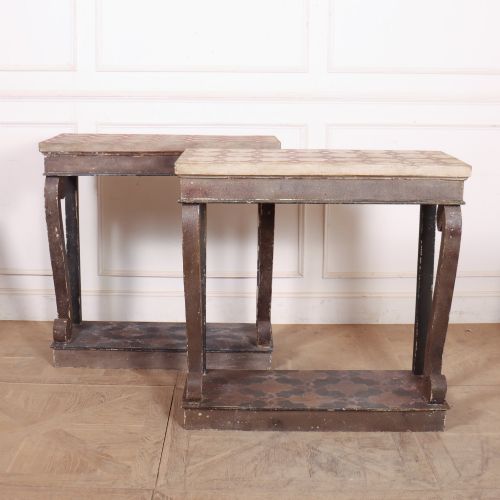
- A wall-mounted or freestanding table designed to stand against a vertical surface. These formats frequently appear in hallways and reception rooms.
Antique Spanish Table: Frequently Asked Questions
How do I care for an antique wooden table?
Maintain a stable room humidity to prevent the timber from splitting or warping over time. Apply natural beeswax occasionally to nourish the grain and protect the surface from daily wear.
Avoid placing the table near direct heat sources or in harsh sunlight. Use felt pads beneath items placed on the wood to safeguard the historic finish.
Can I use an antique table for daily dining?
These tables were originally engineered for heavy daily use in homes and monastic settings. Their robust hardwood construction makes them well-suited for modern dining.
Use protective mats for hot dishes and liquids to preserve the aged surface. The sturdy frames easily accommodate seating for family meals and gatherings.
How do I distinguish seventeenth-century styles?
Seventeenth-century pieces typically feature heavy solid walnut or oak planks with straightforward rectangular silhouettes. Iron stretchers and simple pegged joinery provide structural support without excessive ornamentation.
Later nineteenth-century revivals often replicate these forms but utilise machine-sawn elements or lighter timbers. Examining the underside and joint construction reveals the manufacturing methods of the period.
What is a Spanish farmhouse table?
A farmhouse table is a utilitarian form built from regional timbers like chestnut, elm or oak. These tables prioritised functional workspace for food preparation and communal meals.
They often display thick overhanging tops and sturdy underframes designed for rugged service. The surviving examples carry marks of heavy use that contribute to their rustic appeal.