

Carved Walnut Dining Table
A carved walnut dining table brings warmth and rich grain to a room, offering a sturdy surface shaped by centuries of cabinet-making.
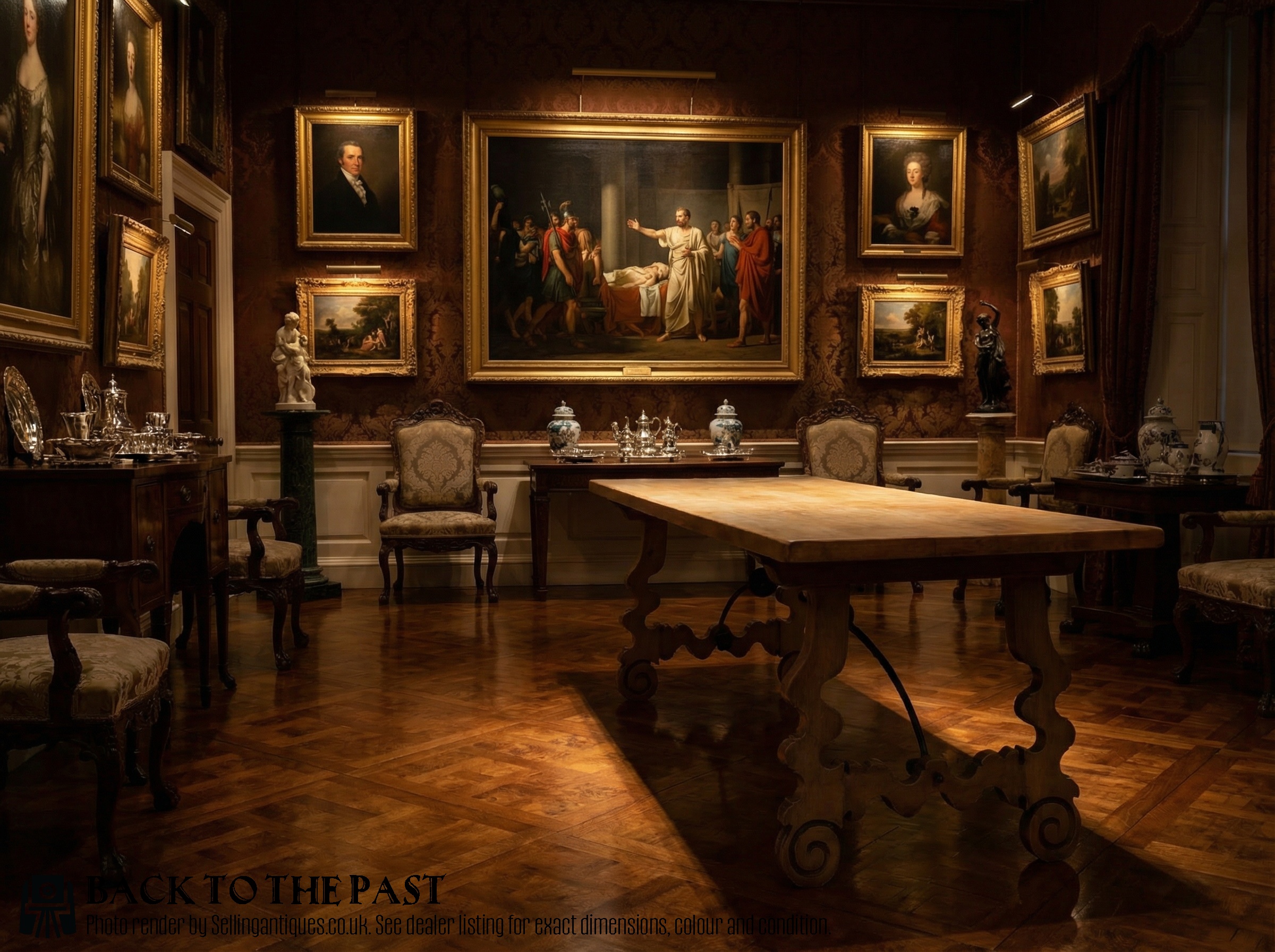
Carved Walnut Dining Table
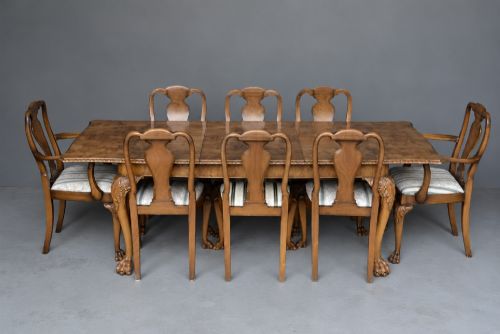
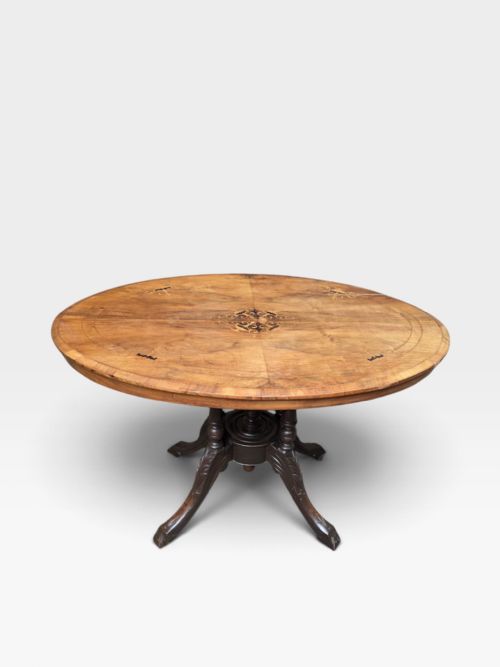
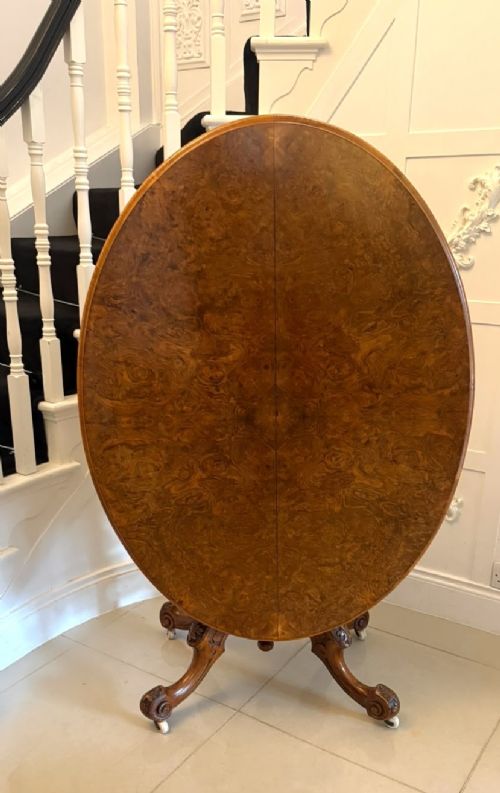
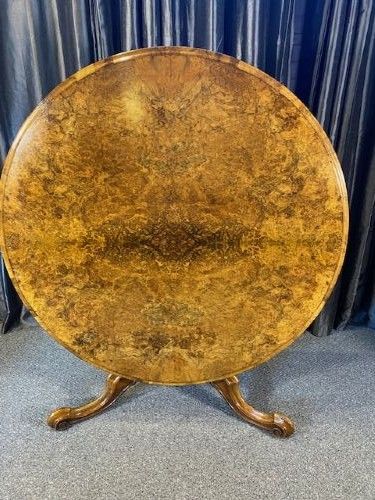
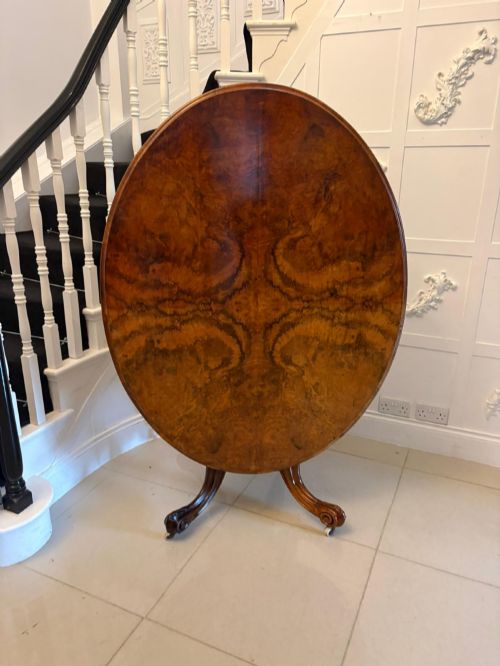
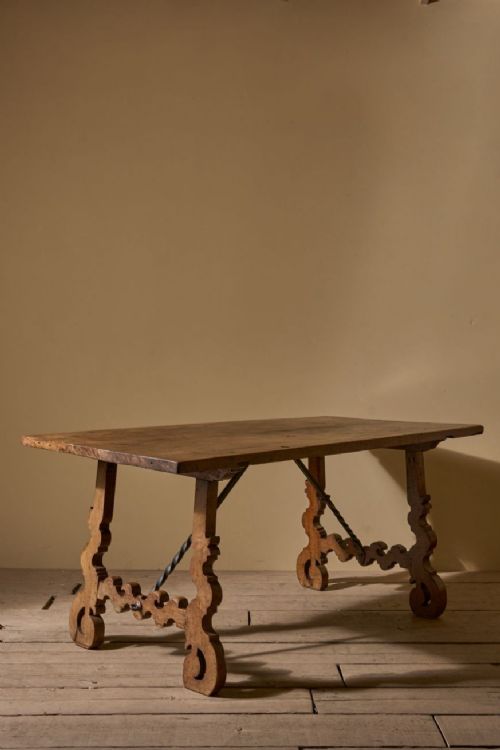
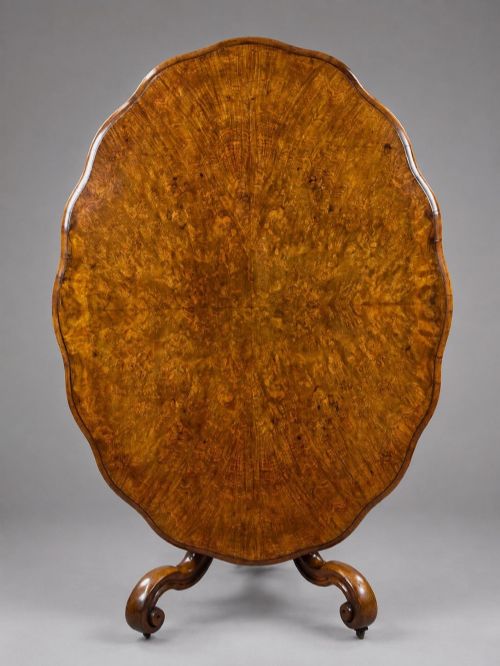
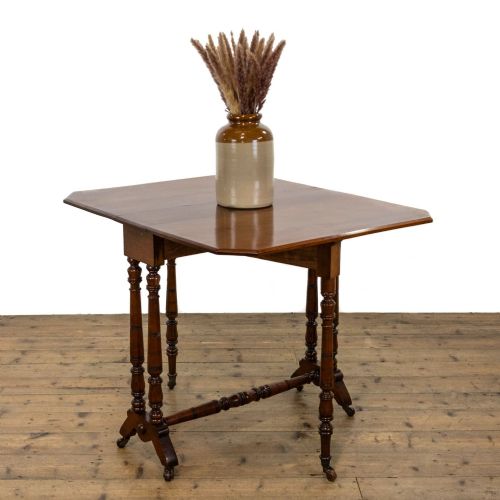
A carved walnut dining table spans eras from the eighteenth century through the Victorian period and into the nineteen-thirties, reflecting shifts in taste from Spanish walnut to elaborate Victorian burr walnut. These pieces frequently appear as oval centre tables, tilt-top loo tables, or extending dining tables set upon carved pedestals and cabriole legs.
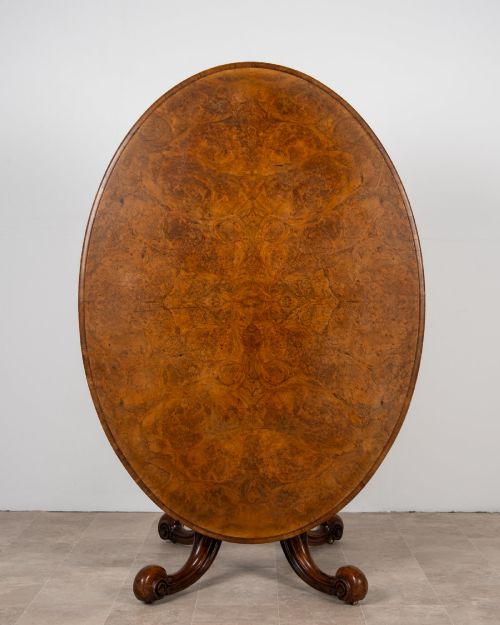
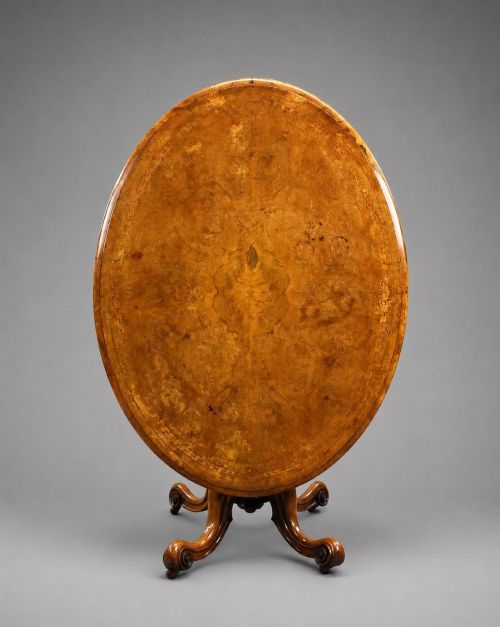
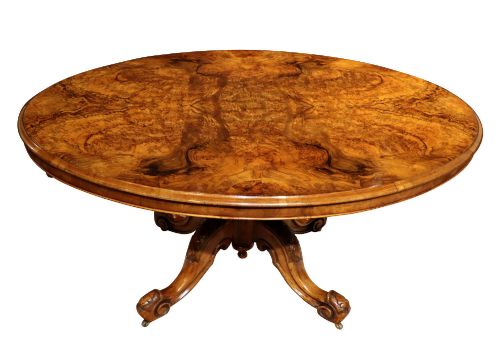
The version most commonly met on this page is the Victorian burr walnut dining or centre table, often featuring an oval top, tilt mechanism, and a carved quadrapod or pedestal base. Pieces from the nineteen-thirties also emerge, showing Queen Anne revival styles and drawer leaf formats.
Buyers seek these forms for their figured wood grain and sculptural bases, which function as central gathering points in both traditional and modern interiors.
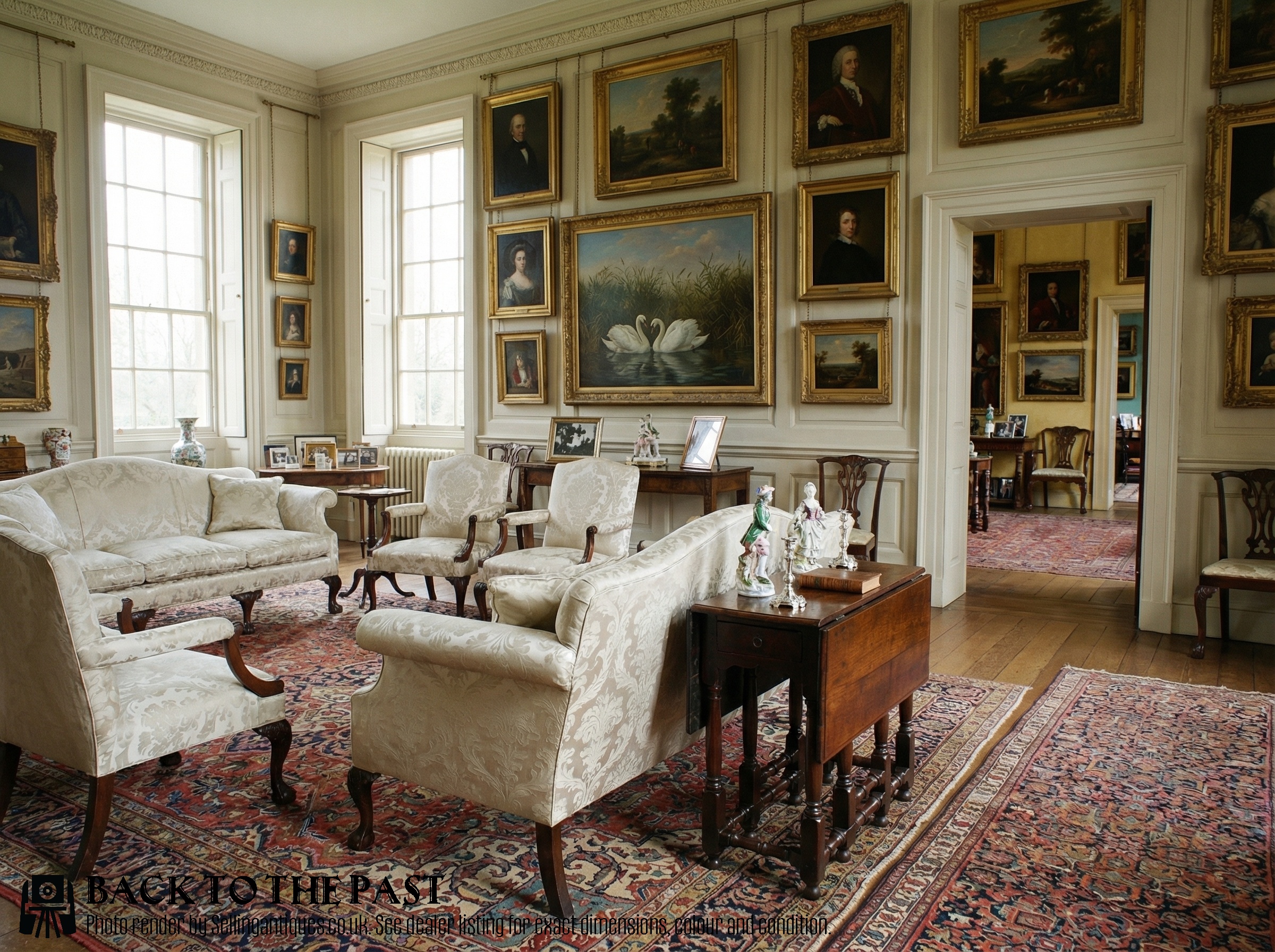
What varies in quality
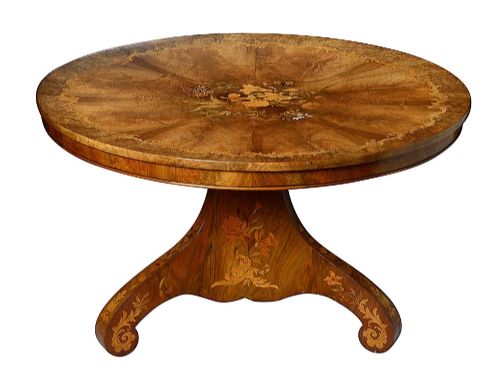
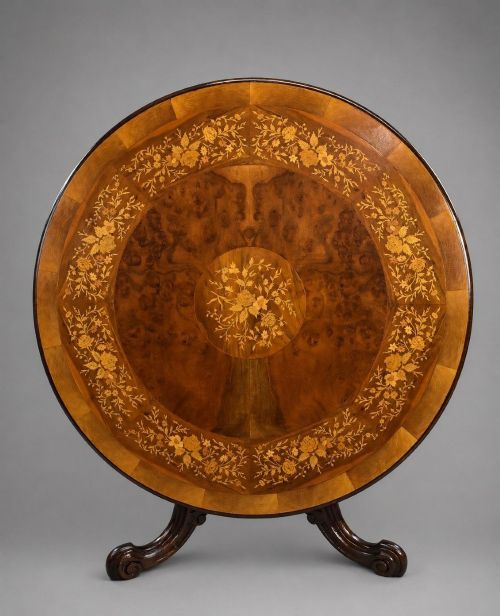
The distinction between standard production and top-tier execution rests on the selection of the burr walnut veneer and the depth of the hand carving on the pedestal and legs. Richly figured timber with balanced marquetry inlay sits above plain surfaces.
Mastery of joinery in the pedestal bases, tilt mechanisms, and extending frames dictates the structural longevity and daily utility of the table. Pieces boasting profuse, crisp carving and substantial solid walnut construction represent the upper tier of the range.
Carved Walnut Dining Table Retail Price Guide 2026
Typical asking prices for carved walnut dining table among the pieces listed under this phrase on Sellingantiques today, from the lower quarter to the upper quarter. They describe what is for sale here now, not the wider market.
Victorian card players needed sturdy tilt-tops so games of loo could be folded away and hidden before morning tea arrived.
Maple & Co·Hille of London·Epstein
The Carved Walnut Dining Table Glossary
- Burr walnut
- A veneer sliced from the wart-like growths on walnut trees, prized for its swirling, mottled grain patterns. It forms the decorative top surfaces on many Victorian tables.
- Tilt-top
- A tabletop hinged to its pedestal so it can tilt vertically for storage when not in use. This mechanism is common on Victorian loo and breakfast tables.
- Marquetry
- Decorative patterns formed by fitting together thin slices of various woods and other materials onto a structural surface. Floral and geometric motifs appear frequently on Victorian examples.
- Cabriole leg
- A furniture leg that curves outward in a convex arc and tapers inward in a concave arc, ending in a pad or carved foot. This shape defines many revival dining tables.
Carved Walnut Dining Table: Frequently Asked Questions
How do I use a tilt-top table?
The top unlocks via a catch beneath the surface, allowing the board to pivot vertically against the pedestal. This mechanism saved floor space in nineteenth-century homes when the table was not needed for dining.
When lowered back to the horizontal position, a brass or wooden drop-latch secures the top firmly to the base for everyday use.
What is a loo table?
A loo table is a multi-purpose nineteenth-century table designed for the popular card game of loo, as well as for breakfast or general centre use. Their tilt-top design made them adaptable for smaller rooms.
These pieces typically showcase heavily figured burr walnut tops supported by carved central pedestals with tripod or quadrapod feet.
How do I distinguish Victorian from later styles?
Victorian examples rely heavily on burr walnut veneers, rich marquetry inlay, and robust pedestals designed for tilt mechanisms. They span the mid to late nineteenth century with deep, dark finishes.
Later pieces from the nineteen-thirties often adopt Queen Anne revival or Art Deco lines, featuring cabriole legs and drawer leaf mechanisms without the heavy tilt hardware.
How should I care for walnut veneer?
Walnut veneer requires stable indoor humidity and protection from direct sunlight to prevent the thin upper layer from drying out or lifting. Gentle dusting with a dry cloth preserves the polished surface.
Avoid placing hot or wet items directly on the wood, using coasters and mats to protect the grain and inlay work from moisture rings.