
Folding Leaf Dining Table
A folding leaf dining table gives you expandable surface space without crowding the room, combining practical adaptability with historic timber character.
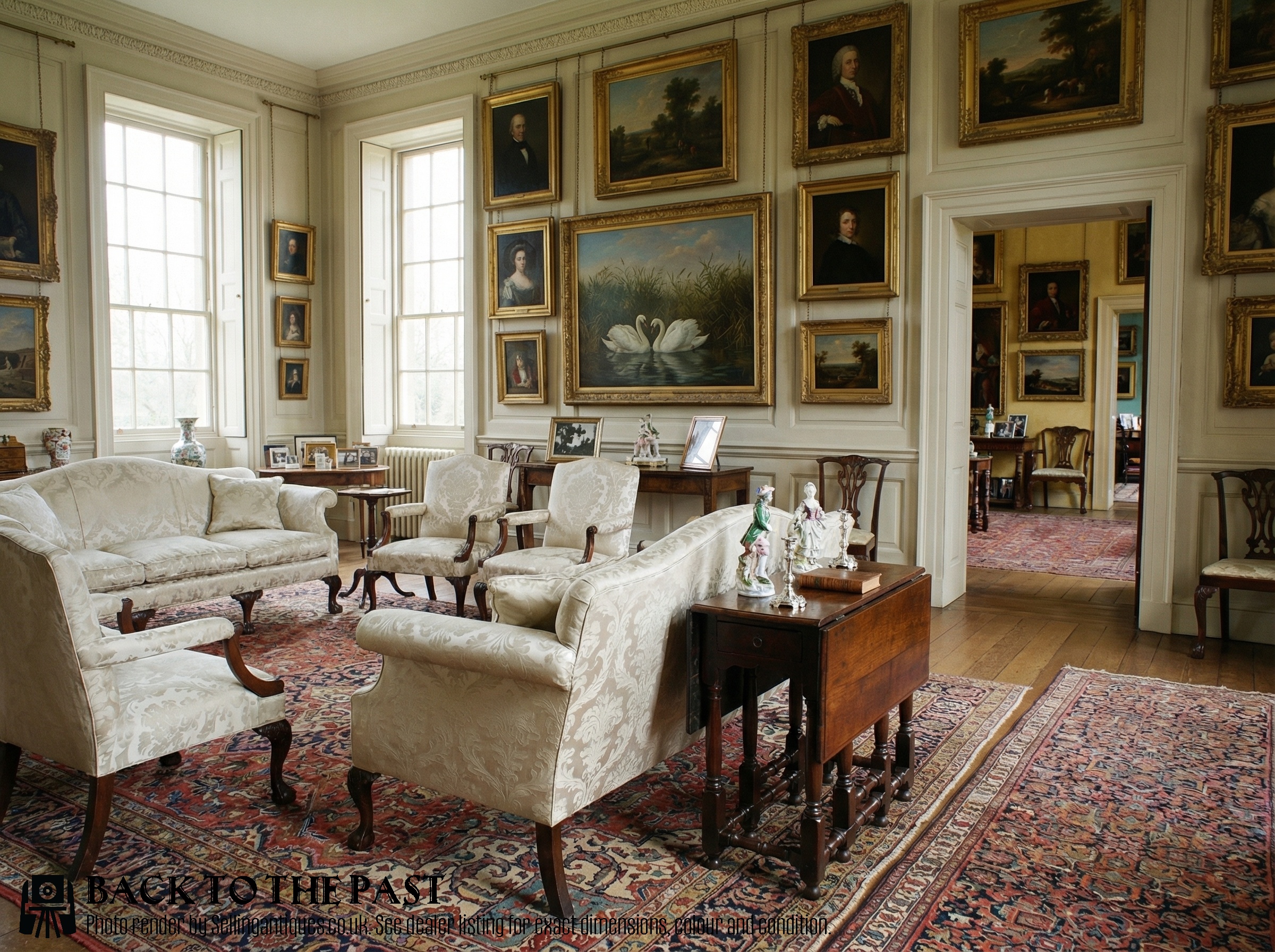
What folding leaf dining tables are
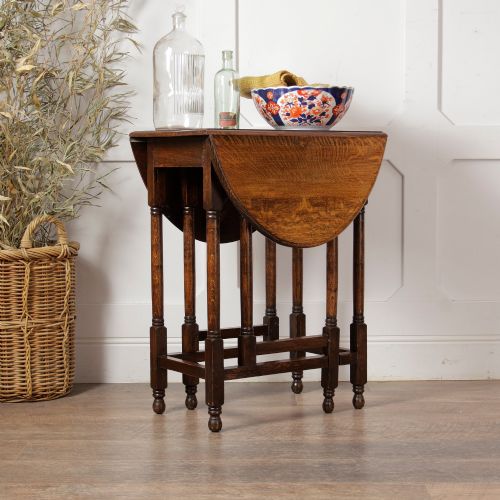
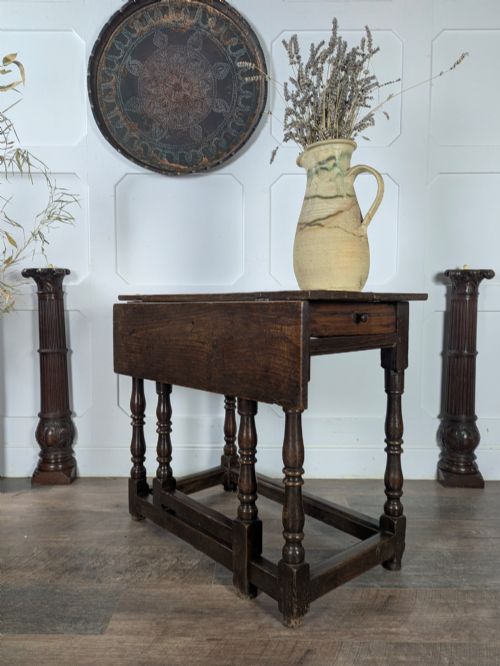
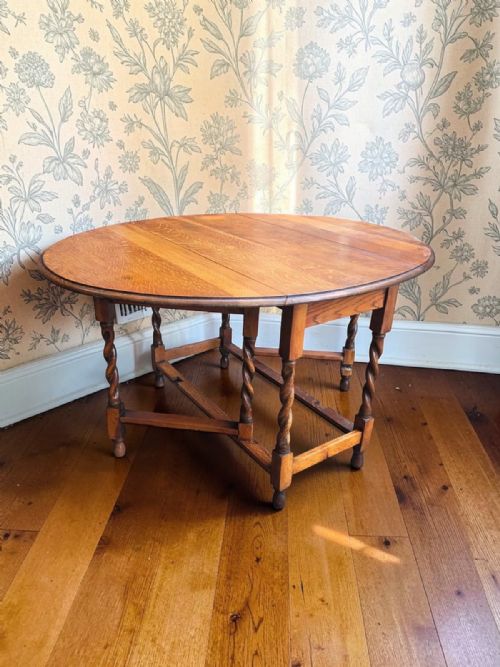
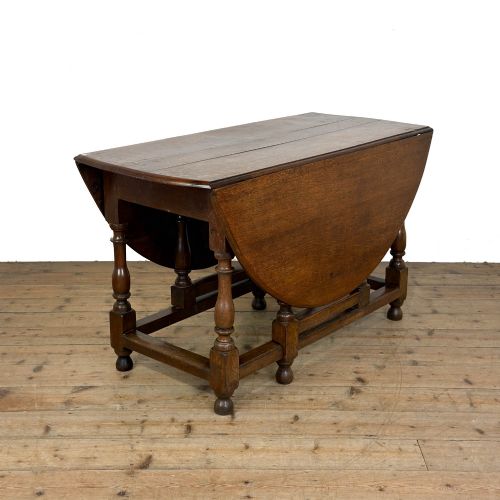
A folding leaf dining table is a versatile surface designed to expand or contract through drop leaves, gate legs, or folding actions. When you search for a folding leaf dining table, you meet pieces built to serve large dinners or fold flat against a wall when floor space is at a premium.
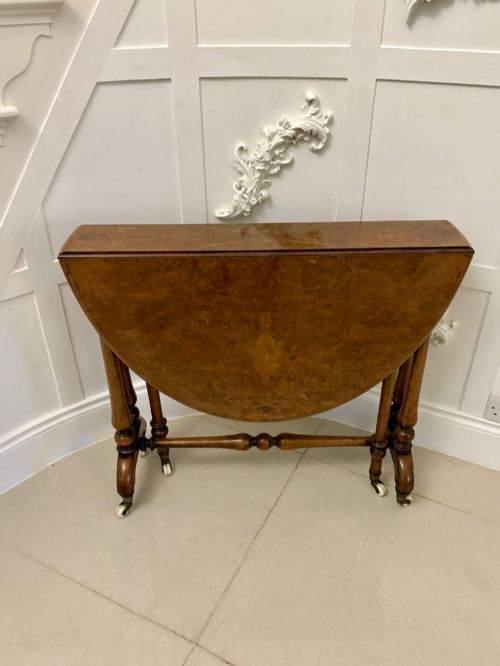
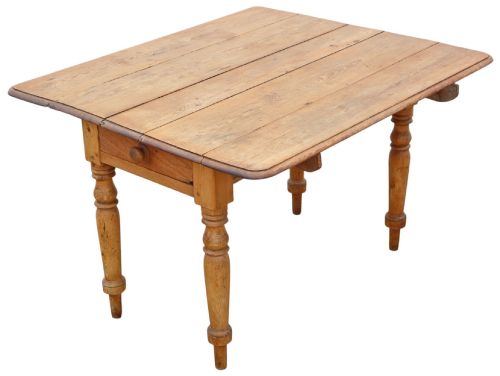
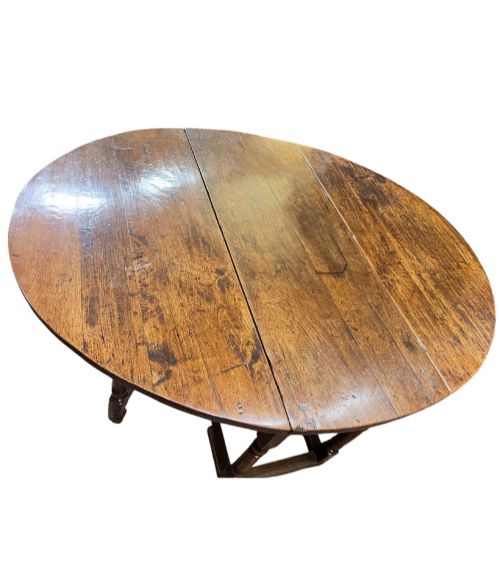
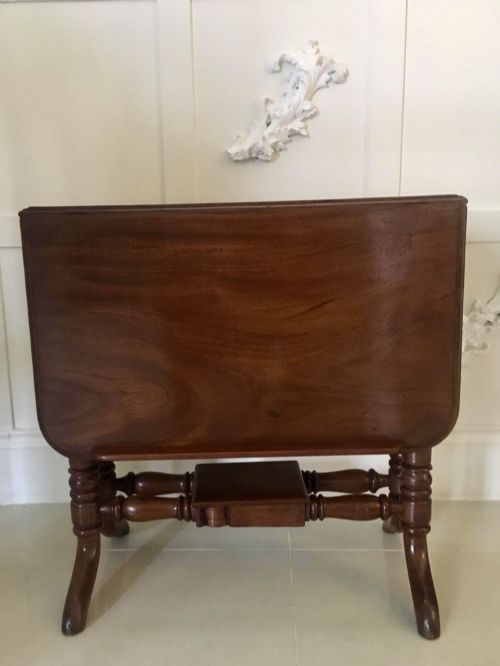
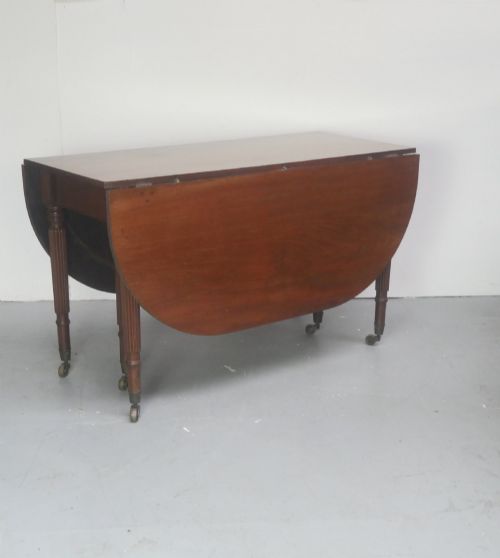
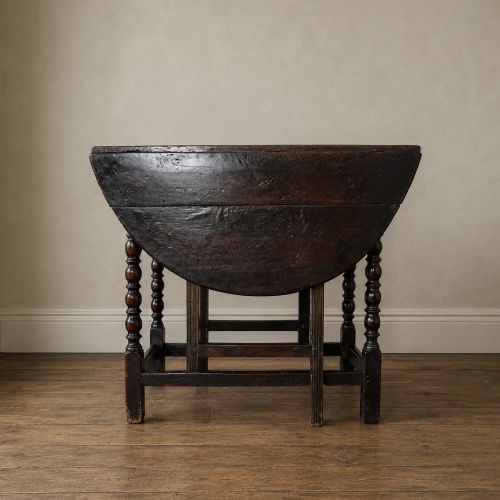
The examples recorded here span several centuries and styles, ranging from late seventeenth-century walnut gateleg tables to Georgian mahogany drop-leaf designs and nineteenth-century Swedish pine variants. Oak, fruitwood, and walnut also appear across the listings, showing how cabinetmakers adapted these expandable formats to changing domestic interiors.
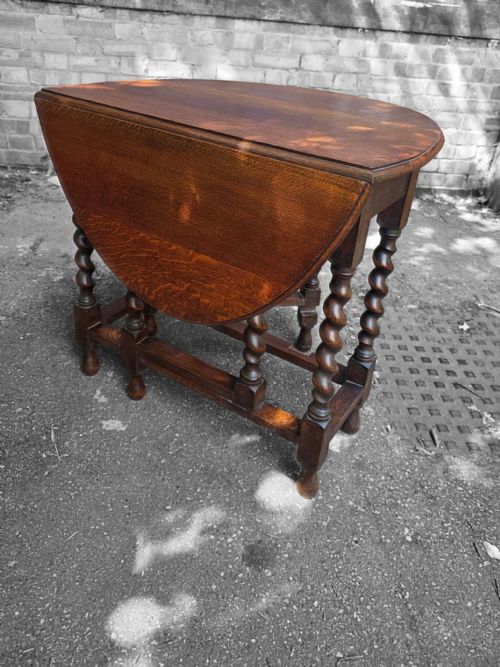
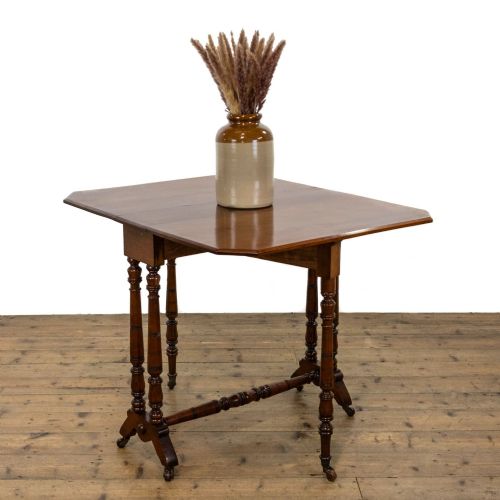
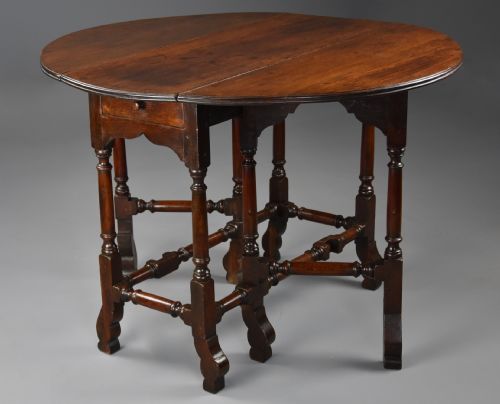
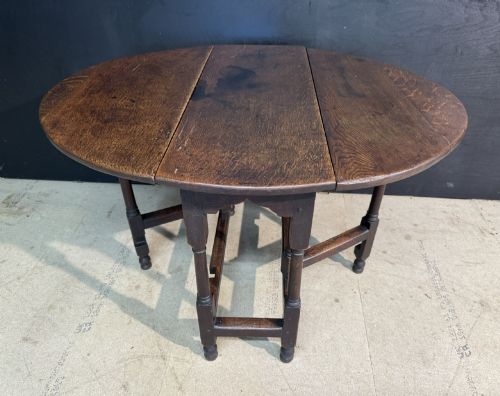
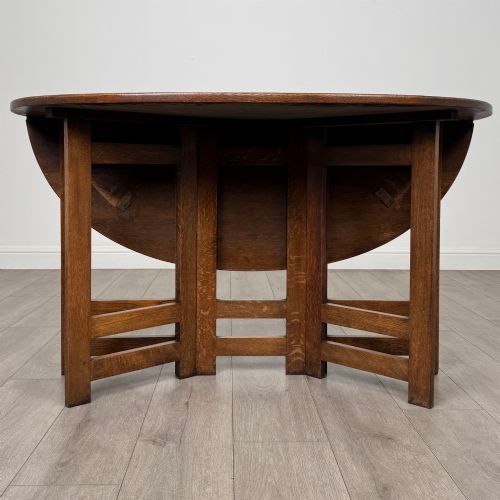
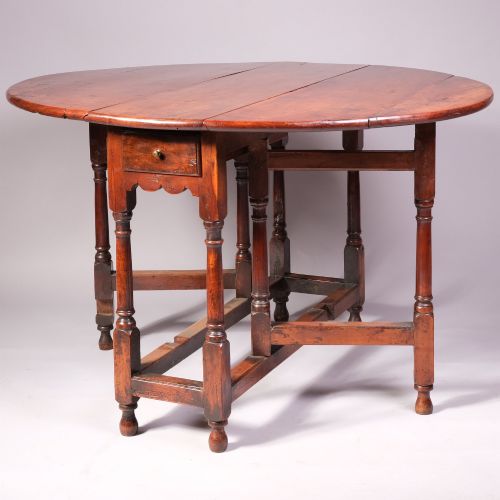
Among these forms, drop-leaf and gate-leg configurations dominate both current stock and past archives. These tables rely on hinged flaps supported by swing-out legs or wooden arms, allowing a compact centre section to transform into an oval or rectangular dining surface.

How they were made
Cabinetmakers constructed these tables using solid native and imported hardwoods alongside softer pines. Mahogany, oak, walnut, fruitwood, and pine form the structural bodies, often complemented by timber inlay for decorative detail.
Joinery techniques focused on stability under weight, utilising robust gate-leg actions, hinged flaps, and sturdy framing to support extending leaves. Surfaces were finished to highlight the natural grain and colour of the timber, occasionally incorporating painted finishes on regional pieces.
Retail Price Guide 2026
Typical UK retail prices for folding leaf dining table, calculated from the Sellingantiques database of over a million retail prices indexed since 2003. This retail price guide relies exclusively on Sellingantiques data; no external sources or auction records are used, so the figures do not describe the wider market.
A seventeenth-century gate-leg table hides a complex wooden dance of swinging legs beneath its top just to hold up your tea.
What varies in quality
Quality in these tables rests on the choice of timber and the precision of the moving mechanisms. Superior examples employ dense, finely figured mahogany, oak, or walnut with tight joints that keep the folding leaves level and stable when opened.
The execution of the gate-leg action and hinge placement distinguishes finer cabinetwork from more utilitarian builds. Smooth movement and well-integrated support arms show a higher level of workshop skill.
The Folding Leaf Dining Table Glossary
- Drop leaf
- A table with a fixed centre section and hinged flaps that fold down at the sides. These leaves extend the surface area when raised.
- Gate leg
- A table design where hinged legs swing out like a gate to support the drop leaves. This provides robust structural support beneath the extended flaps.
- Pembroke table
- A small rectangular table featuring two folding side leaves and usually a single drawer. It was designed for occasional dining or writing.
- Timber inlay
- Decorative wood pieces fitted into the surface of a larger piece to create patterns. This technique enhances the visual richness of the timber.
Frequently Asked Questions
How do I operate a gate leg table?
You lift the hinged flap on either side and swing the pivoted supporting leg outward until it locks beneath the leaf. This transfers the weight securely to the floor.
Ensure the swinging leg rests evenly on the ground before placing items on the extended surface to maintain balance and protect the hinge joints.
Where should I place a drop leaf table?
These tables work well in kitchens, dining rooms, or living spaces where floor area changes throughout the day. With the leaves dropped, they sit compactly against a wall.
When guests arrive, pull the table into the room and raise both leaves to create a full dining surface with ample legroom underneath.
How do I date a wooden folding table?
Examine the timber species, construction joints, and hardware style. Earlier pieces from the seventeenth and eighteenth centuries often feature pegged oak or walnut frames with hand-forged iron hinges.
Nineteenth-century and later examples display machine-sawn components, standardised screws, and denser mahogany or pine stock typical of those periods.
How do I care for historic timber surfaces?
Keep the wood away from direct heat sources and strong sunlight to prevent the timber from drying out or warping. Apply a suitable wax polish periodically to nourish the grain.
Use mats beneath hot dishes or wet glasses to protect the polish and prevent moisture rings from forming on the antique surface.