



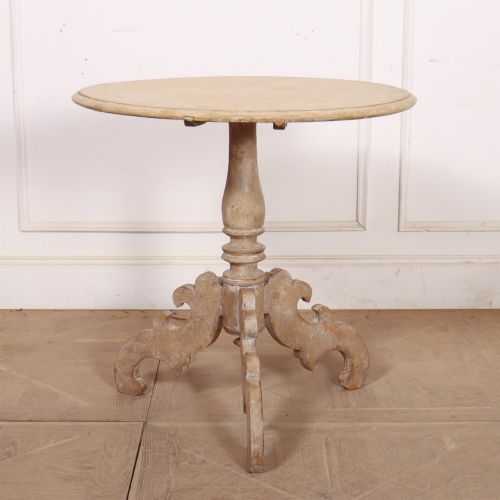
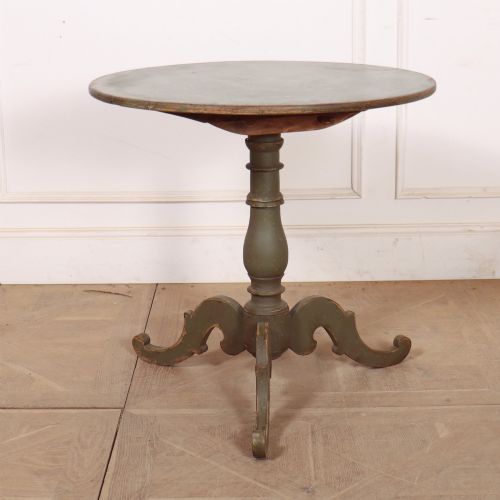
Scandinavian Table
A scandinavian antique table brings northern light and straightforward utility into a room, combining pale woods with disciplined painted surfaces.
Scandinavian Table
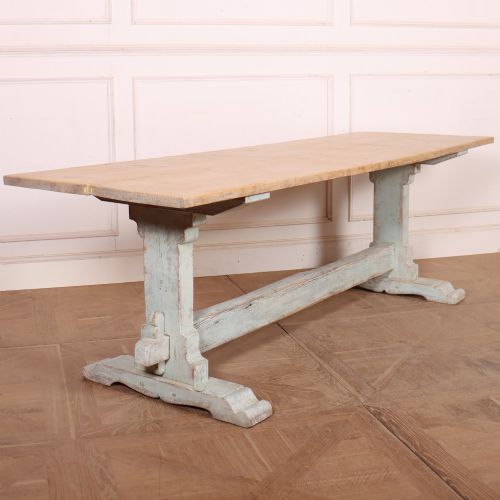
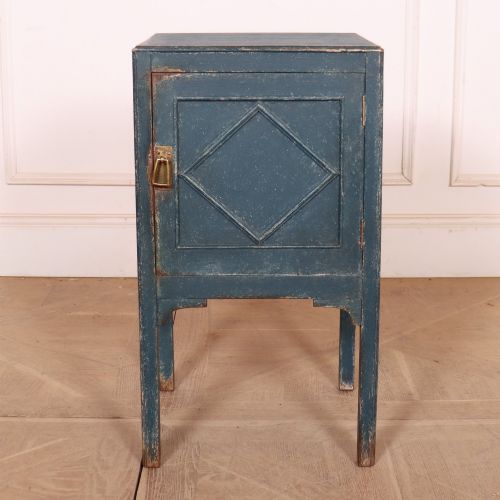
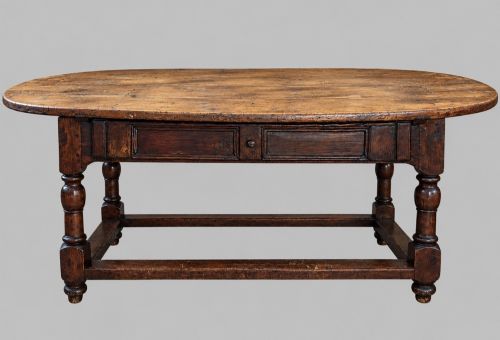
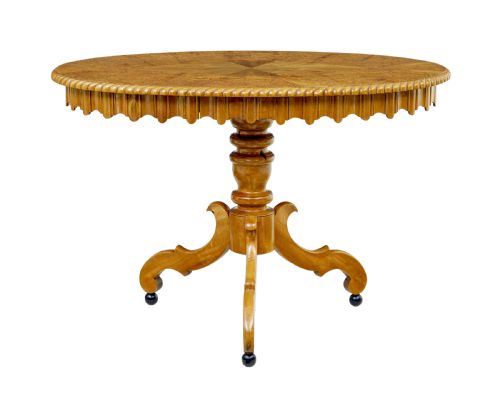
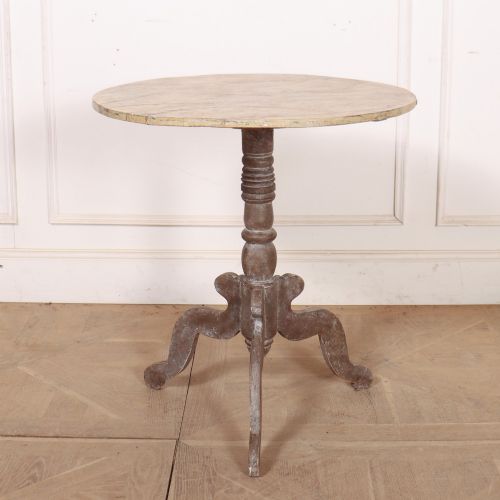
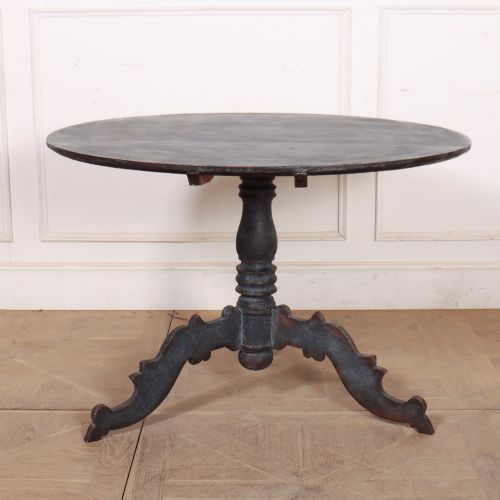
When you search for a scandinavian antique table, you encounter a variety of forms spanning dining tables, console tables, lamp tables, and occasional tables. The nineteenth century yields the highest volume of painted softwood and birch pieces, alongside distinct regional styles such as Gustavian and Scandinavian country.
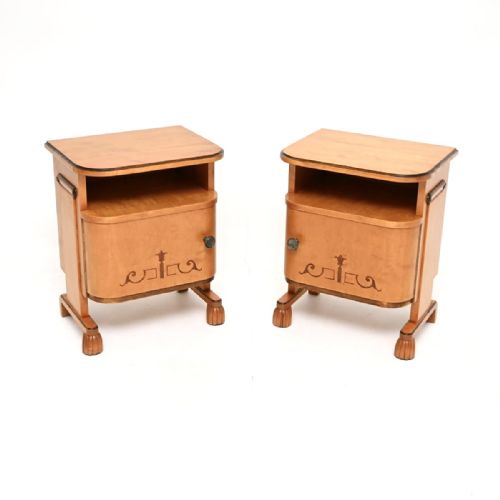
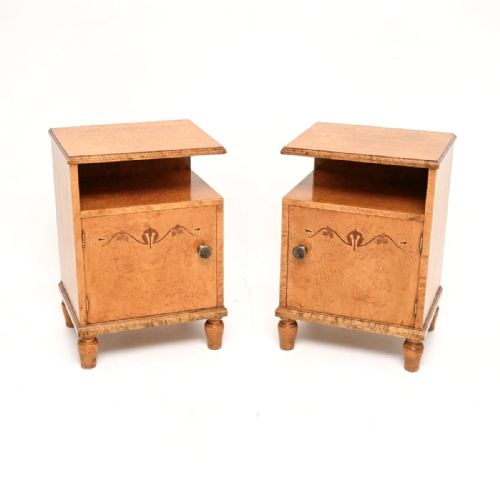
Mid-century iterations introduce twentieth-century modernism through Art Deco occasional and bedside tables, pedestal desks, and elm console tables. The selection moves between rustic painted surfaces and figured timber grains.
Defining Quality in Northern European Furniture
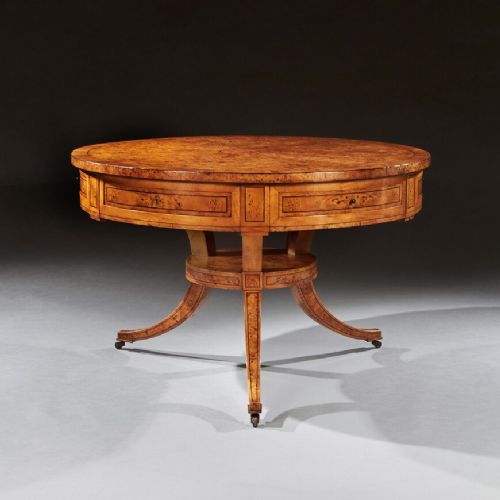
Quality rests upon the preservation of original painted surfaces versus later overpainting, where untouched historic patination commands greater interest. Timber selection dictates value, distinguishing plain softwood boards from finely figured burr birch veneers.
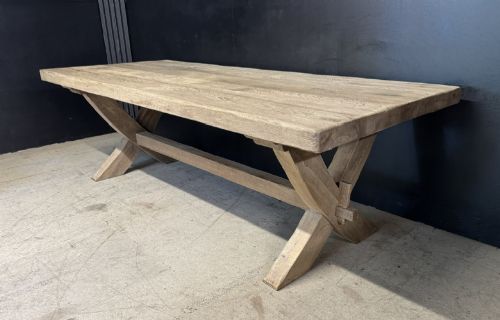
Structural integrity governs utility, separating robust trestle joints and functional drop-leaf mechanisms from compromised framing. Proportion and restraint in carved ornamentation separate refined urban workshops from basic rural utility pieces.
Scandinavian Table Retail Price Guide 2026
Typical asking prices for scandinavian table among the pieces listed under this phrase on Sellingantiques today, from the lower quarter to the upper quarter. They describe what is for sale here now, not the wider market.
Listings span pine, birch, painted wood, and burr birch across nineteenth-century country forms and twentieth-century Art Deco designs.
Georg Jensen·Sigvard Bernadotte
The Scandinavian Table Glossary
- Gustavian
- The Swedish interpretation of neoclassical style, characterised by restrained carving, fluted legs, and pale monochrome paint. It emerged during the late eighteenth century and influenced nineteenth-century design.
- Slagbord
- A traditional Scandinavian drop-leaf dining table supported by swinging wooden gates or legs. These tables offer versatile proportions for everyday domestic use.
- Burr birch
- A figured wooden veneer harvested from birch tree growths, creating swirling grain patterns. Cabinet makers utilised this timber for decorative table tops and drawer fronts.
- Demi-lune
- A half-moon shape applied to console tables designed to sit flush against a wall. These pieces frequently feature painted finishes or veneered borders.
- Falu paint
- A traditional deep red or earthy paint derived from copper mine waste, utilised extensively in Swedish vernacular architecture and rural furniture.
Scandinavian Table: Frequently Asked Questions
How do I identify a Gustavian piece?
Gustavian pieces display neoclassical motifs such as fluting, rosettes, and tapered legs, usually beneath pale grey or cream paint finishes. The design vocabulary draws inspiration from French Louis XVI style interpreted through a northern sensibility.
Proportions remain balanced and light, avoiding heavy ornamentation in favour of architectural symmetry. Surviving examples often show subtle wear through the original paint layers.
Are painted pine tables durable for daily use?
Pine and softwood tables were built for practical domestic tasks in kitchens and farmhouses, making them structurally robust. Historic painted surfaces handle normal daily wear well, provided moisture is managed carefully.
Many retain original layers of paint that demonstrate decades of working use. Regular cleaning with a dry or slightly damp cloth preserves the historic finish.
How do Art Deco Scandinavian tables differ?
Twentieth-century Art Deco pieces introduce geometric silhouettes, streamlined pedestals, and polished elm or birch veneers. These designs depart from nineteenth-century painted country styles by celebrating natural wood grains and modern forms.
Bedside tables, console tables, and desks from this era reflect international modernist movements adapted by northern designers. They integrate easily into contemporary interiors through clean lines.