

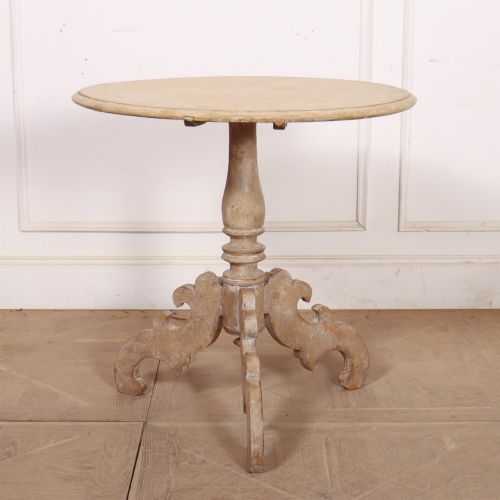
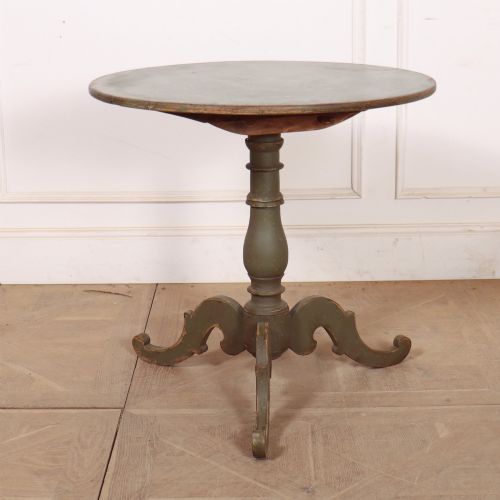
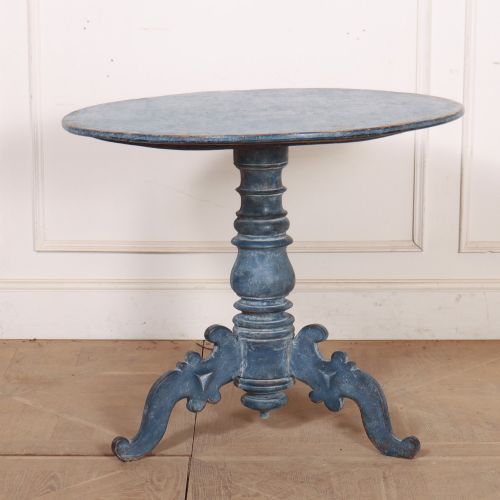


Swedish Accent Table
A swedish accent table brings restrained Nordic proportion to a room, offering functional surface space through painted wood or figured birch.
Swedish Accent Table
When you search for a swedish accent table, you encounter smaller forms designed for specific domestic corners, spanning lamp tables, occasional tables, and tea tables. These pieces emerge predominantly from the nineteenth century, alongside examples from the eighteenth century and the early twentieth century.
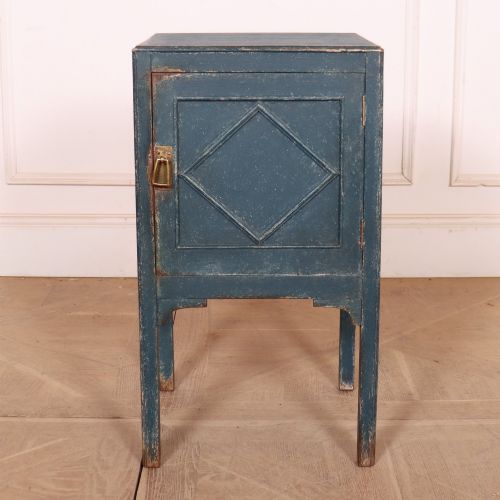
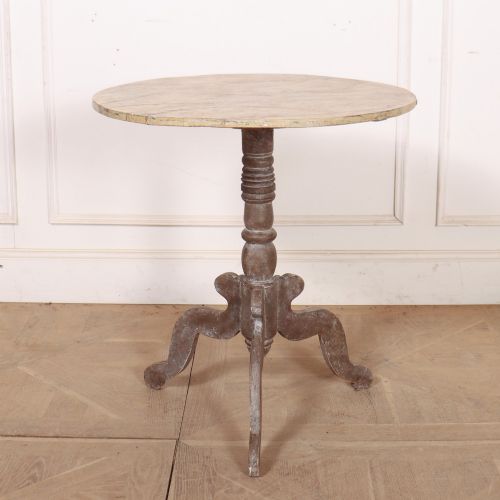
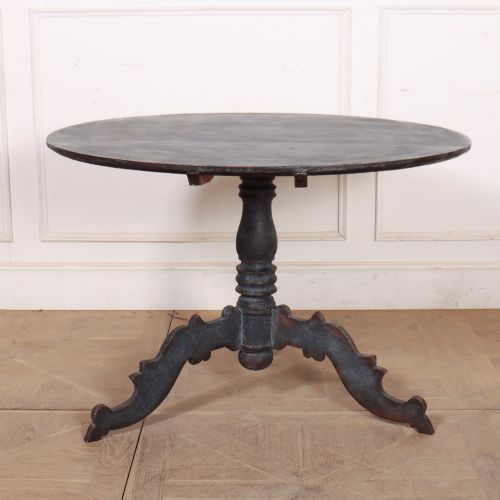
The version you are most likely to meet on this page is the painted lamp table or side table, often rendered in pine, softwood, or birch. These objects reflect regional traditions including Gustavian, Swedish country, and Scandinavian art deco styles.
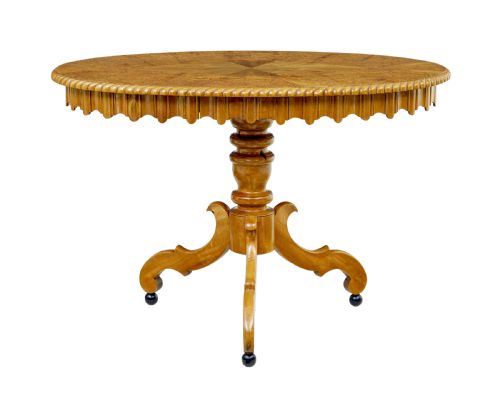
Makers shaped these surfaces for versatility, producing folding tables, tilt-top tables, and stools that functioned flexibly within domestic interiors. The range extends from rustic painted pine to refined burr birch and karelian birch veneered pieces.
How they were made
Carpenters constructed these tables using native timbers such as pine, softwood, birch, and alder root, frequently applying layered paint finishes over the wood. Workshops also utilised decorative veneers, including burr birch and karelian birch, to create patterned surfaces on top timbers.
Structural joints relied on traditional cabinetmaking methods appropriate to the period, while surface decoration incorporated hand-applied paint, ragwork techniques, and subtle brass mounts. These combined materials yielded lightweight yet stable occasional furniture suited to daily use.
Swedish Accent Table Retail Price Guide 2026
Typical asking prices for swedish accent table among the pieces listed under this phrase on Sellingantiques today, from the lower quarter to the upper quarter. They describe what is for sale here now, not the wider market.
Periods represented range from eighteenth-century painted pieces to early twentieth-century art deco designs.
What varies in quality
The distinction between tiers of quality rests on the selection of timber figures and the finesse of the painted surface. Tables featuring choice burr birch veneers or carefully executed ragwork paint finishes display a higher degree of artisan investment.
Proportion and the restraint of revival styles, such as Rococo revival or Empire revival, dictate the refinement of the piece. Tables with integrated details like tilt mechanisms or inlaid borders demonstrate advanced carpentry standards relative to simpler utilitarian forms.
The Swedish Accent Table Glossary
- Lamp table
- A small occasional table traditionally sized to support a lighting fixture beside seating. These surfaces offer compact utility without dominating a room.
- Burr birch
- A timber harvested from birch growths that produces intricate, swirling grain patterns. Cabinetmakers prize this wood for decorative veneer panels.
- Ragwork
- A paint application technique where fabric is manipulated across the wet surface to create mottled texture and pattern. This finish appears on traditional painted furniture.
- Tilt-top table
- A table designed with a mechanism that allows the top surface to pivot vertically when not in use. This feature enabled efficient storage against walls in period interiors.
- Gustavian
- The Swedish neoclassical style developed during the reign of Gustav III, characterised by restrained lines and pale painted finishes. This aesthetic influences many occasional tables on the market.
Swedish Accent Table: Frequently Asked Questions
How were occasional tables used in Swedish homes?
These small surfaces served practical roles beside seating or in hallways, holding lamps, tea equipment, or decorative objects. Their portable nature allowed them to move easily around domestic spaces as needed.
Many designs, such as folding or tilt-top versions, adapted to rooms where space flexibility mattered. They provided functional utility without permanently cluttering the floor plan.
What is the difference between Gustavian and Art Deco Swedish tables?
Gustavian pieces draw on eighteenth-century neoclassical restraint, typically featuring pale painted wood and subtle carved details. They emphasise symmetry and classical proportion.
Art Deco examples, appearing by the early twentieth century, showcase the natural grain of karelian birch or inlaid patterns. These later tables embrace streamlined geometry characteristic of modern design movements.
Are painted pine tables and birch tables from the same period?
Painted pine and softwood tables span both rustic country traditions and refined urban workshops across the nineteenth century. They often reflect regional vernacular styles.
Birch tables frequently align with Empire or Biedermeier revivals, where wood figures were celebrated rather than concealed beneath paint. Both materials coexisted in Swedish domestic interiors.
How do I identify alder root furniture?
Alder root timber displays dense, turbulent grain formations resulting from the growth patterns near the tree base. Cabinetmakers selected these sections specifically for tabletops to create striking visual movement.
Tables featuring alder root often present a rich, variegated surface texture that distinguishes them from straight-grained pine or standard birch pieces.