


Grey Painted Side Table
A grey painted side table brings quiet elegance to a room, offering practical surface space alongside a soft, neutral finish.
Grey Painted Side Table
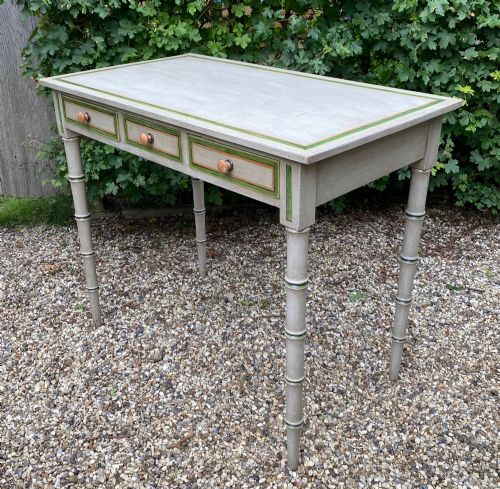
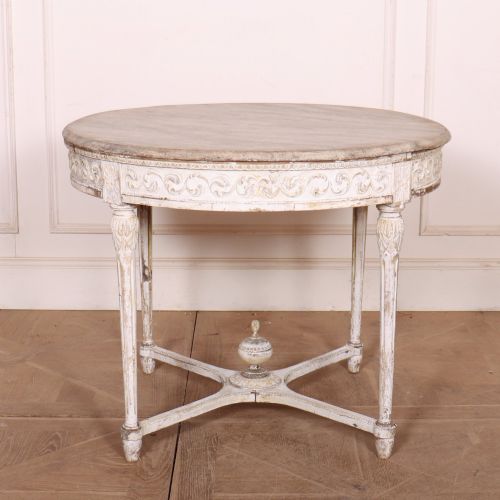
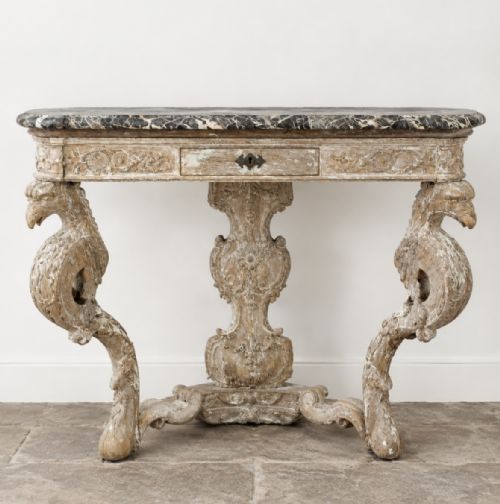
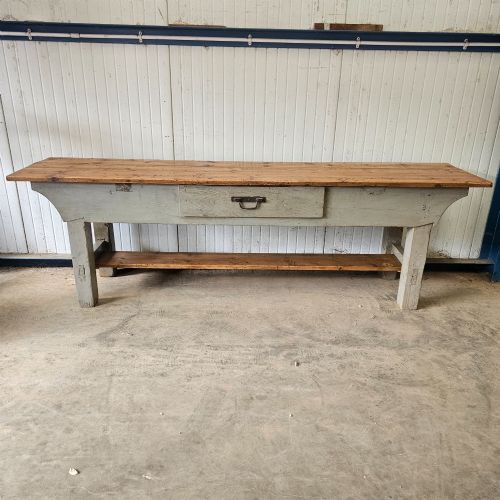
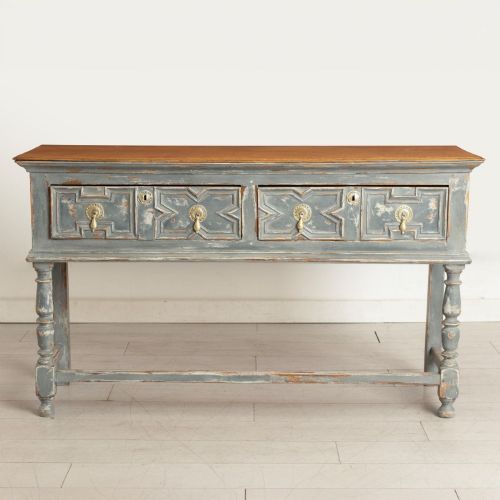
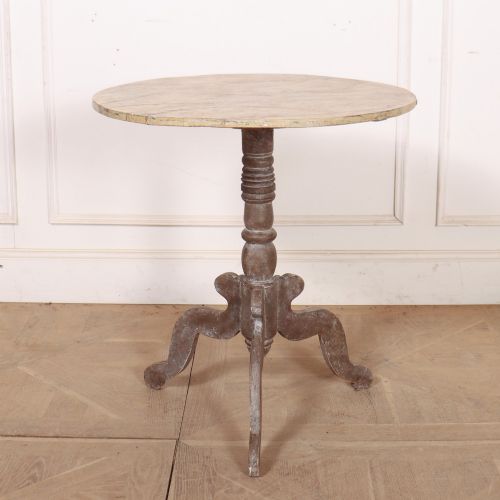
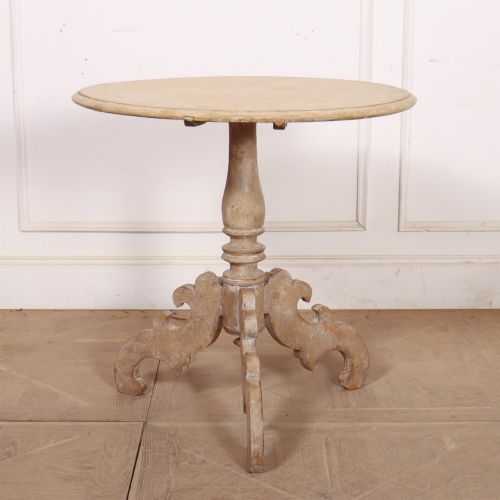
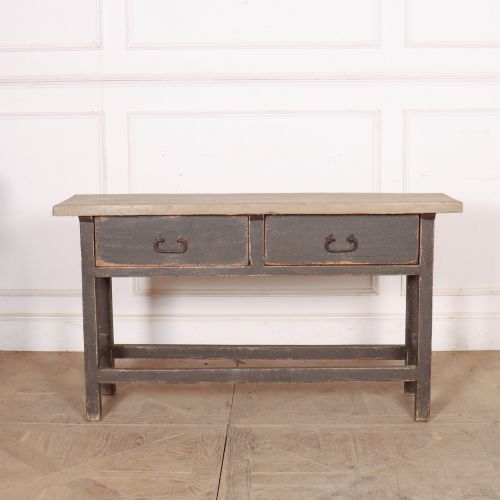
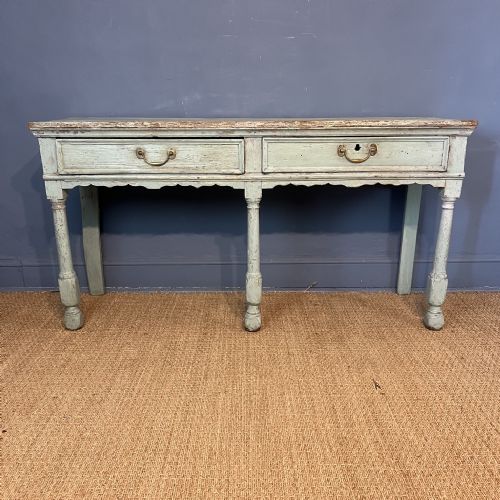
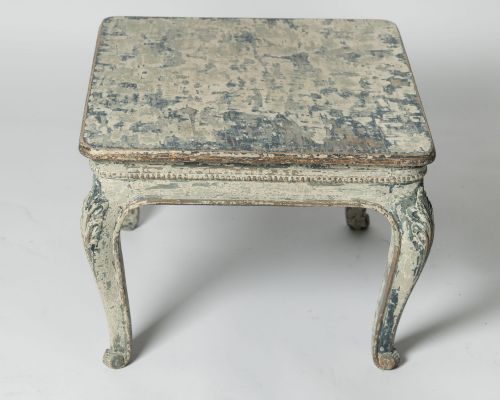
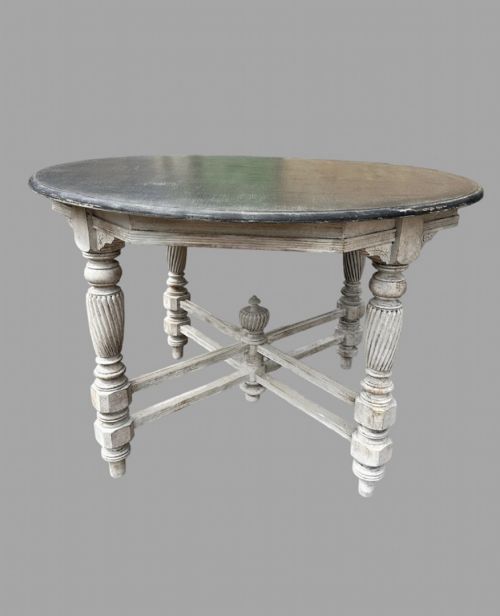
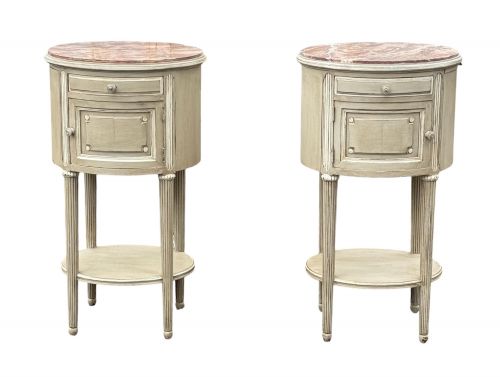
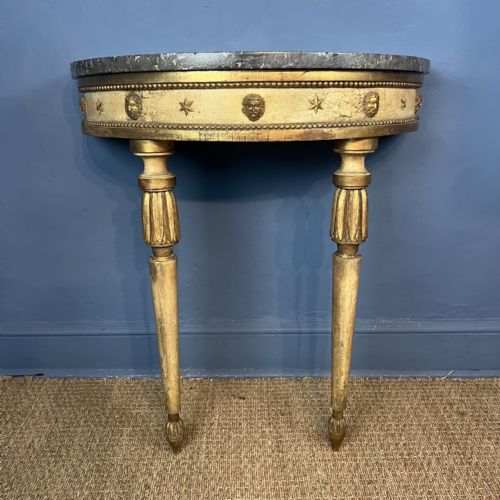
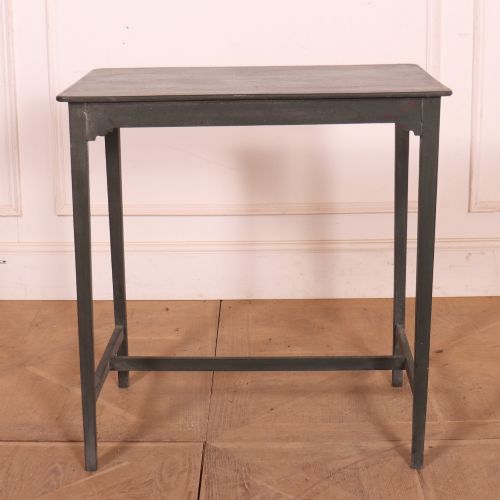
When you search for a grey painted side table, you encounter an array of forms that cross multiple centuries and regional traditions. The selection spans compact lamp tables, console tables, and bedside cabinets, originating from English workshops, French provinces, and Scandinavian homes.
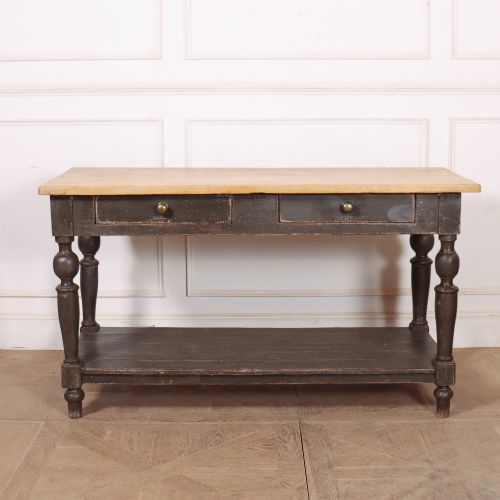
The pieces appearing on this page lean heavily towards nineteenth-century creations, alongside eighteenth-century console tables and early twentieth-century French night tables. Pine and softwood form the structural core of many examples, often bearing layers of historic paint in subtle neutral tones.
Styles range from Gustavian and French Provincial designs to English country furniture and Victorian utility pieces. Buyers frequently select these items to anchor a hallway, sit beside a sofa, or serve as a functional bedside surface with distinct character.
Materials and construction methods
The pieces rely primarily on timber construction, utilising pine, softwood, and oak for frames, tabletops, and structural supports. Cabinetmakers and local joiners shaped these woods using traditional hand tools, resulting in sturdy joints and functional proportions suited to domestic interiors.
Surfaces feature layered paint applications, sometimes combined with contrasting elements such as marble tops, brass fittings, or parcel gilt detailing. Over decades of use, these painted and timber surfaces have acquired natural patination that reflects their age and origin.
Grey Painted Side Table Retail Price Guide 2026
Typical asking prices for grey painted side table among the pieces listed under this phrase on Sellingantiques today, from the lower quarter to the upper quarter. They describe what is for sale here now, not the wider market.
One remarkably travelled pine side table arrived with a provenance tracing directly back to Castle Greystoke.
Judging quality and character
Quality rests in the integrity of the original construction and the authenticity of the surface finish. Pieces retaining their early or original paint layer command greater interest than those subjected to modern repainting, as genuine age shows in the softening of edges and subtle tonal variations.
Structural proportion and the harmony of decorative details, such as carved mouldings or integrated marble tops, elevate certain examples above standard utility furniture. The balance between the underlying woodwork and the worn painted finish determines the enduring appeal of each piece.
The Grey Painted Side Table Glossary
- Console table
- A table designed to stand against a wall, frequently supported by two or four legs and sometimes secured with brackets.
- Gustavian
- A Swedish neoclassical style popular in the late eighteenth and nineteenth centuries, known for restrained ornamentation and light paint finishes.
- Dresser base
- The lower section of a traditional kitchen or dining room storage unit, featuring cupboards or drawers beneath a flat timber top.
- Demi-lune
- A half-moon shape used for console tables and side tables designed to sit flush against a wall.
- Parcel gilt
- A decorative technique where specific carved details or mouldings are highlighted with thin layers of gold leaf over paint or gesso.
Grey Painted Side Table: Frequently Asked Questions
Where should I place a grey painted side table?
These tables adapt well to various rooms, functioning effectively as a bedside surface, a hallway console, or an occasional table beside a living room sofa.
Their neutral painted finish allows them to blend easily with both traditional and contemporary interior schemes without dominating the space.
How do I care for antique painted wood?
Maintain the surface by dusting gently with a soft, dry cloth and avoiding harsh chemical cleaners that might strip the historic finish.
Keep the timber away from direct heat sources and extreme humidity fluctuations to prevent wood movement and paint flaking.
Are these tables made from solid timber?
The majority of the pieces utilise solid woods such as pine, softwood, and oak for their primary construction and framing.
Regional makers built these items to last using traditional joinery methods rather than modern manufactured board.
How can I tell an older paint finish from a modern one?
Original or historic paint finishes display natural wear, micro-cracking, and subtle fading accumulated over decades of domestic use.
Modern applications often appear uniform in texture and lack the depth of patina found on nineteenth-century and earlier surfaces.