


Shabby Chic Side Table
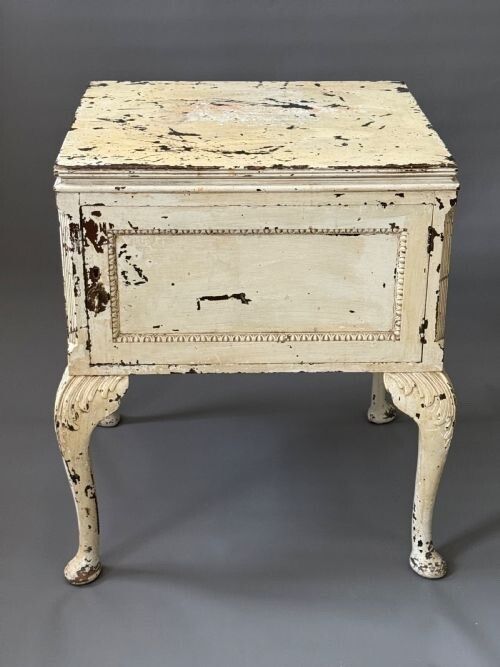
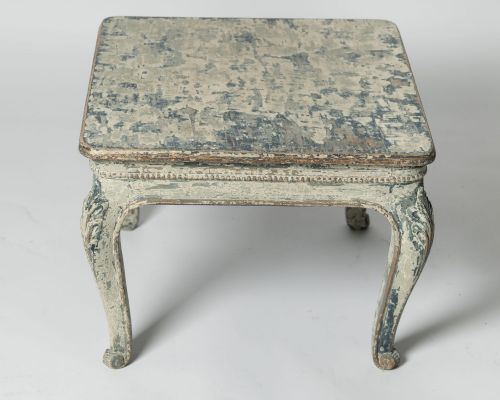
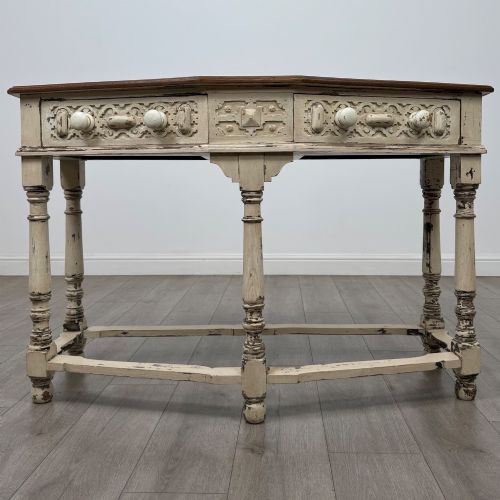
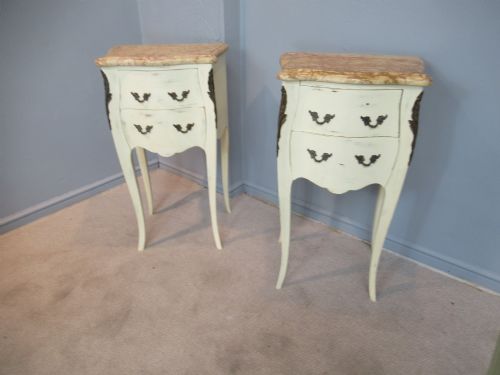
These shabby chic side table examples bring distressed painted finishes and practical timber forms straight into modern rooms.
Shabby Chic Side Table
When you search for a shabby chic side table, you encounter practical small furniture items designed for domestic utility and decorative surface display. The selections on this page encompass various forms including side tables, bedside cabinets, console tables, and washstands.
Most pieces you meet here date from the nineteenth century up through the Edwardian era and the nineteen-thirties. They span diverse regional aesthetics ranging from French chateau and provincial styles to English country house and Victorian country designs.
You are most likely to encounter painted wooden frames, often showing a distressed or weathered surface treatment that defines the aesthetic. These items function well beside beds or within living spaces, offering surface space and enclosed storage where needed.
How they were made
The construction of these pieces relies on traditional timber framing using woods such as pine, mahogany, oak, and walnut. Artisans joined these solid timbers with standard cabinet-making techniques appropriate to each specific period and regional workshop.
Surface treatment defines the category, combining applied paint over wood substrates. Metal hardware often appears on doors and drawers, completing the functional requirements of bedside cabinets and washstands.
Some washstands retain evidence of their splashing past beneath layers of charming old paint.
What varies in quality
Quality in these items depends upon the integrity of the underlying timber carcase and the authenticity of the surface finish. Pieces built from solid hardwoods like mahogany or oak generally command greater durability than softer timbers.
The sophistication of the stylistic carving and the application of the paint finish distinguish finer workshop production from simpler utility pieces. Proportion, structural stability, and the retention of original hardware further separate standard examples from superior ones.
The Shabby Chic Side Table Glossary
- Washstand
- A piece of furniture originally designed to hold a basin and jug for washing. These sturdy wooden items now frequently serve as versatile side tables or console surfaces.
- Console Table
- A table designed to be fixed against a wall or configured to stand freely with a shallow depth. They often feature decorative painted or carved details suited for hallways and living rooms.
- Bedside Cabinet
- A small enclosed storage unit positioned beside a bed, usually featuring a door or drawer. These practical forms provide concealed storage within a compact footprint.
- Distressed Paint
- A surface finish intentionally aged or weathered to show underlying layers of paint or bare wood. This aesthetic forms a central element of the shabby chic style seen across these listings.
Shabby Chic Side Table: Frequently Asked Questions
What is a shabby chic side table?
A shabby chic side table is a small piece of wooden furniture, such as a bedside cabinet, console, or washstand, featuring a painted and intentionally weathered surface finish.
These items range from nineteenth-century pine washstands to twentieth-century French style cabinets, combining practical surface storage with a decorative distressed aesthetic.
How do I use a side table at home?
These tables function well beside beds, in hallways as console surfaces, or as accent pieces in living rooms holding lamps and decorative items.
Their compact forms and storage compartments make them adaptable for holding everyday items while adding character to a room.
What woods were used for these tables?
Cabinet makers utilised a variety of timbers including pine, mahogany, oak, and walnut depending on the period and regional workshop origin.
Softer woods like pine frequently received painted finishes, while hardwoods like mahogany and oak were sometimes left with polished wood surfaces or painted later.
How can I tell the period of a table?
Dating relies on examining the construction methods, timber types, and stylistic details such as French Rococo curves or Victorian proportions.
Items span the nineteenth century, Edwardian period, and nineteen-thirties, each carrying distinct regional design characteristics.