

Louis XV Style Side Table
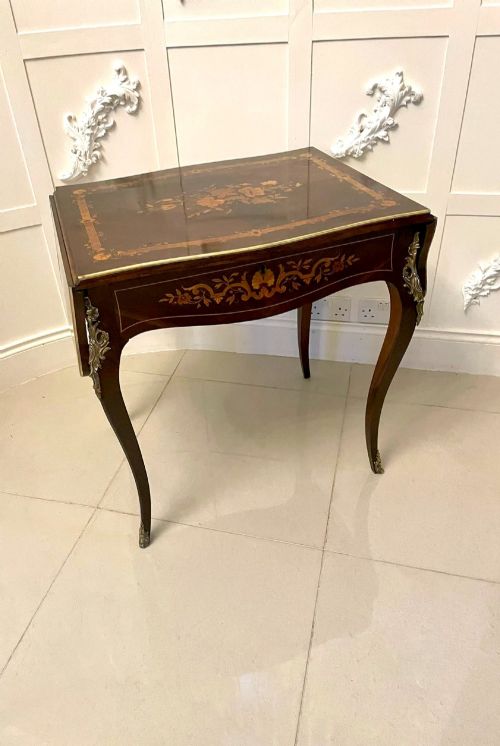
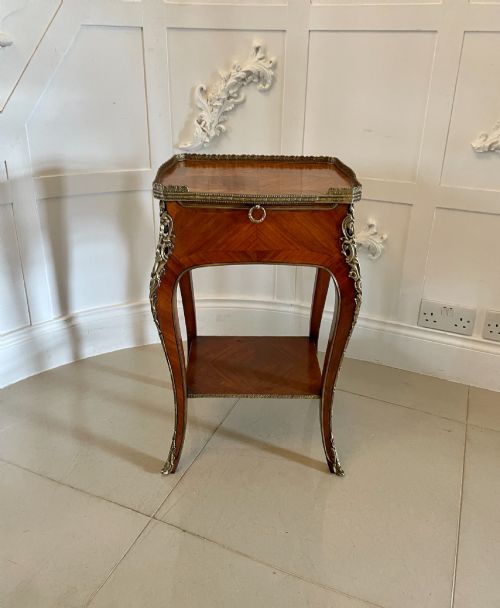
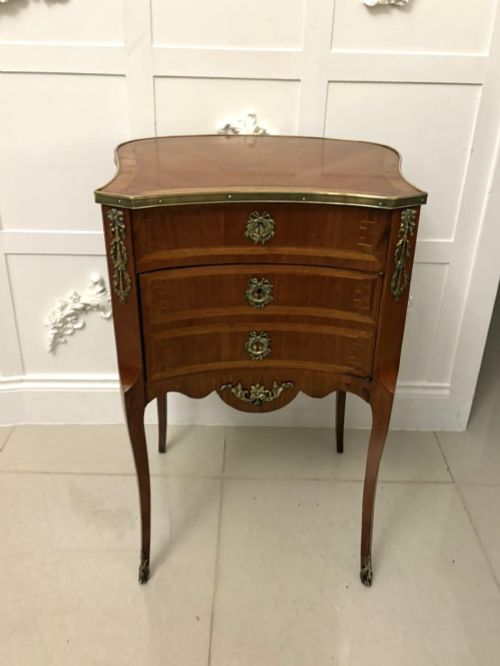
A louis xv style side table brings serpentine grace, fine veneers, and mountings of ormolu into a room.
Understanding the Louis XV Style Side Table
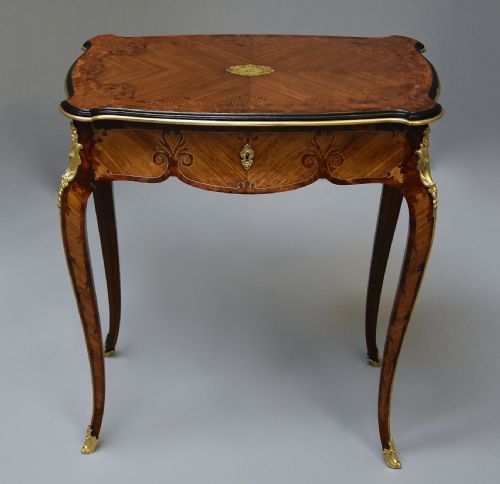
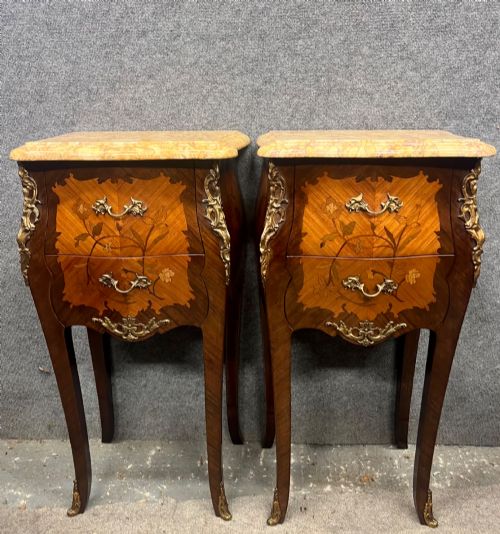
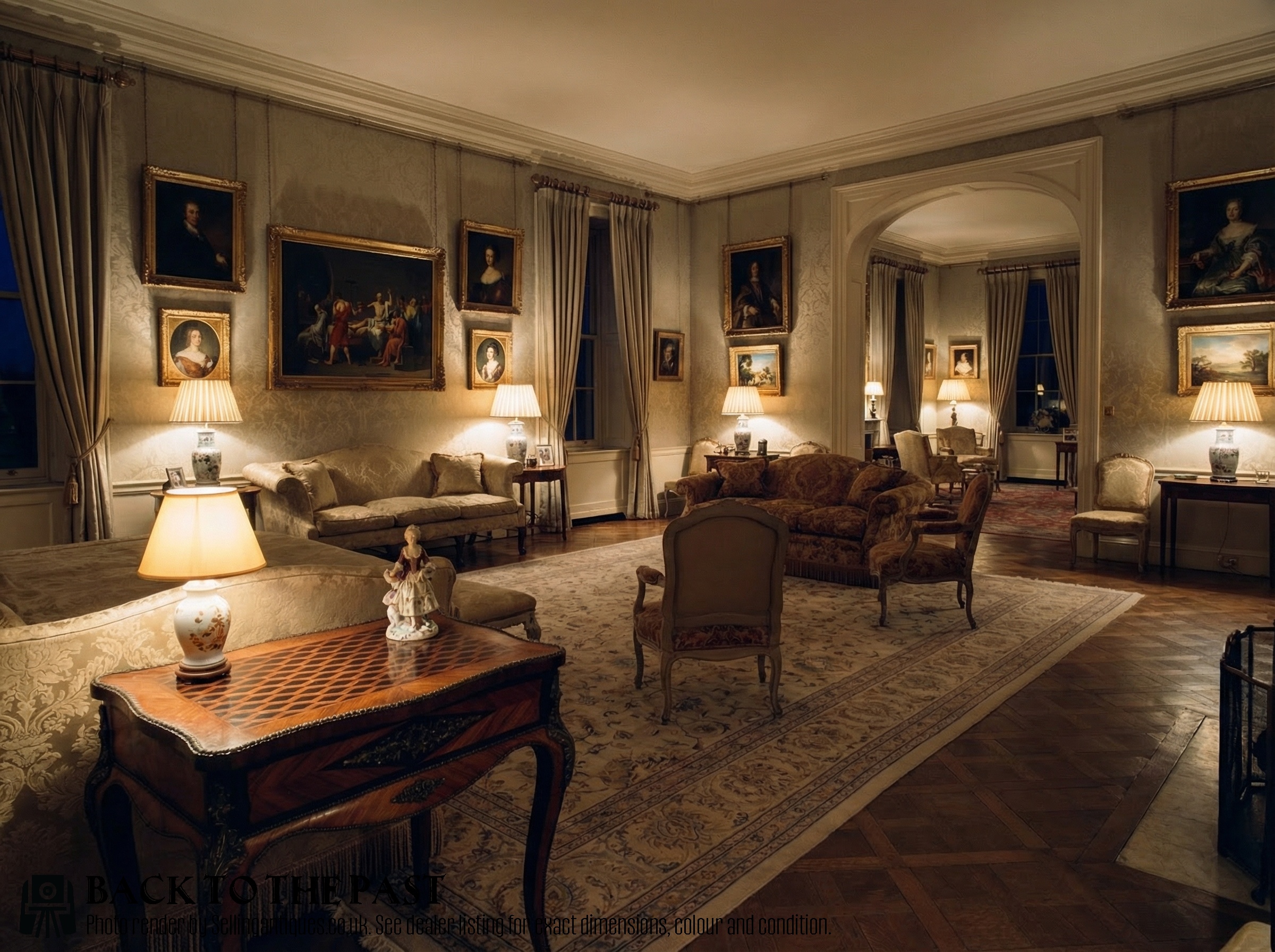
A louis xv style side table embodies the curves, asymmetric lines, and natural motifs characteristic of French Rococo design. These pieces appear across various periods, from nineteenth century revivals to early twentieth century interpretations, functioning as lamp tables, bedside cabinets, and occasional tables.
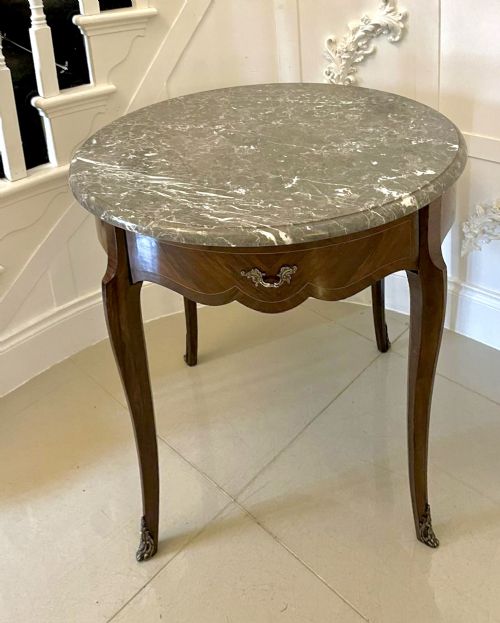
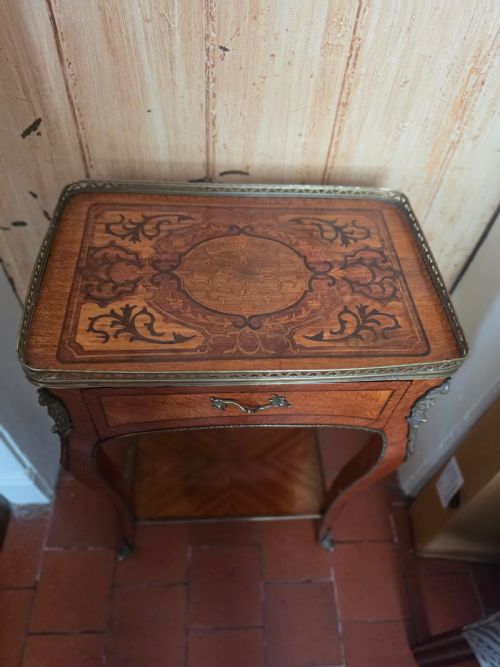
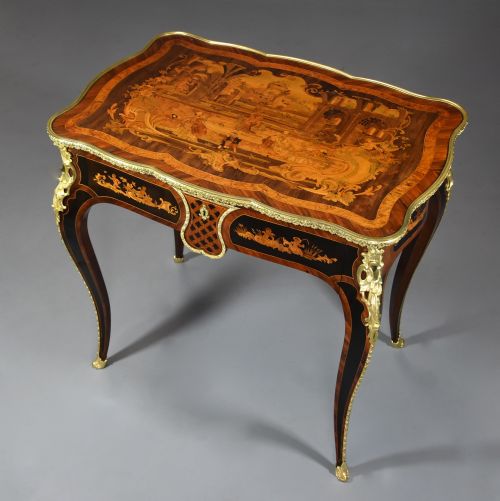
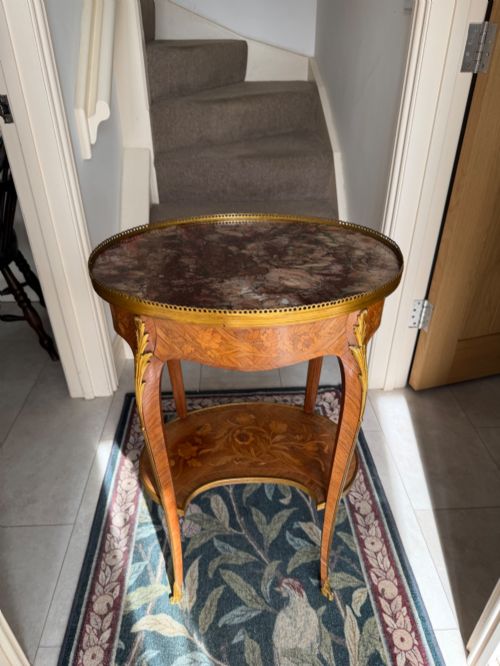
The form relies on cabriole legs that sweep downward to scrolled feet, avoiding straight lines in favour of flowing contours. Tabletops frequently feature shaped marble inserts, bordered by galleries of brass or ormolu.
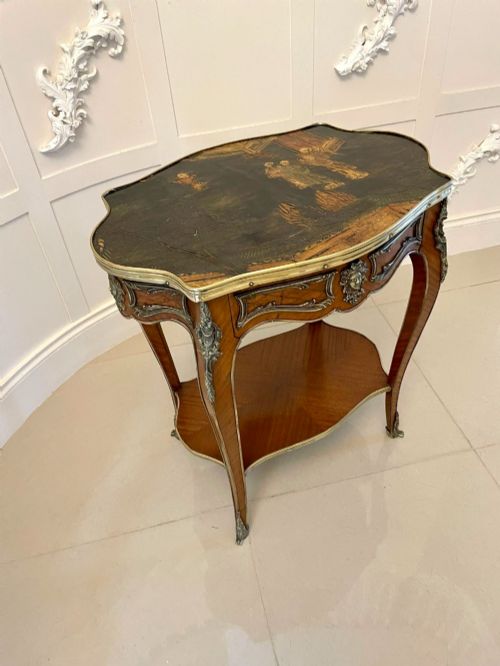
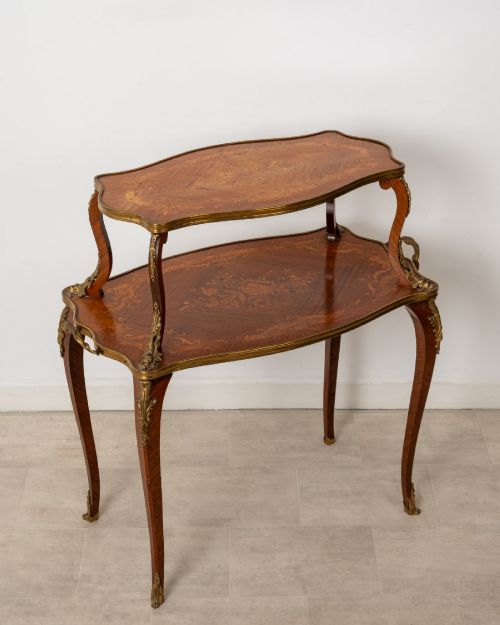
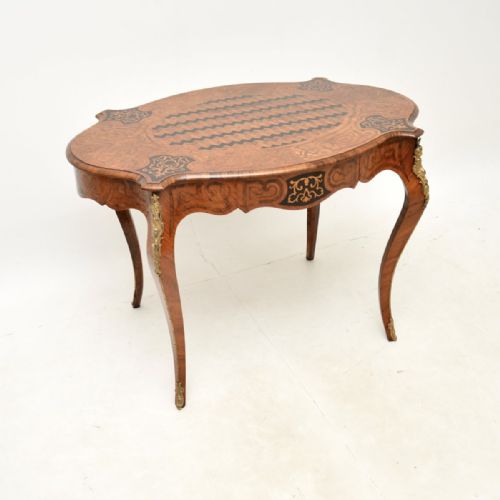
Makers adapted the aesthetic for different domestic settings, producing freestanding centre tables, two-tier occasional tables, and compact bedside units. Walnut, kingwood, and rosewood veneers dominate the surfaces, often arranged in intricate marquetry patterns.
Materials and Construction
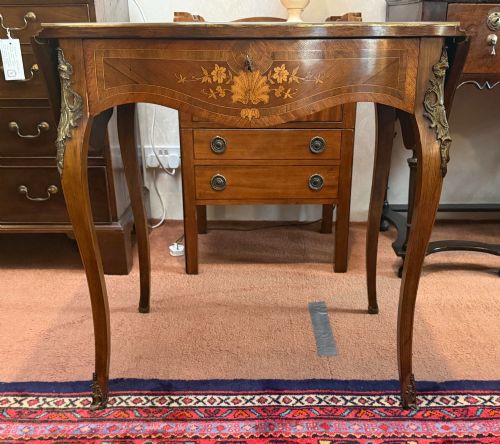
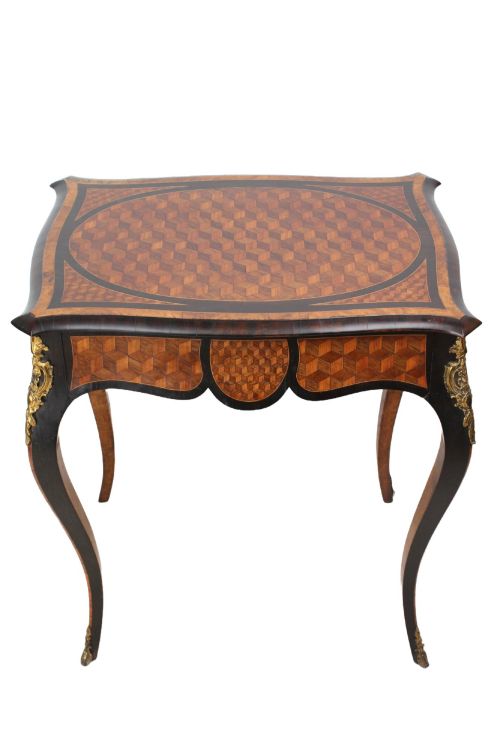
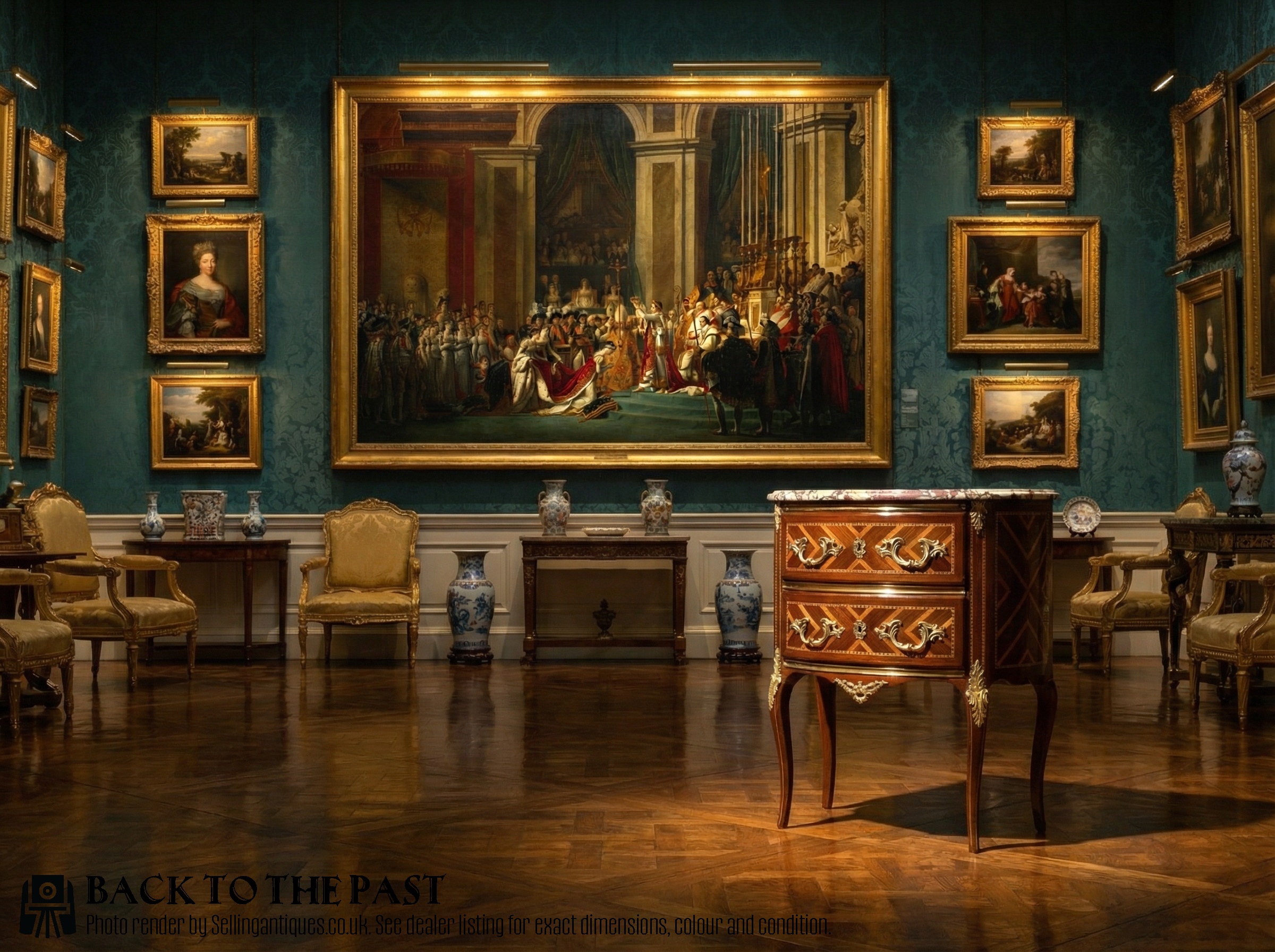
Carpenters built these tables using hardwoods such as mahogany, cherrywood, oak, and walnut as structural carcases, applying decorative veneers like kingwood and rosewood over the top. Marquetry designs utilise contrasting timber grains to create geometric or floral patterns across the tabletops and drawer fronts.
Mounts and galleries of cast ormolu and brass accentuate the curved outlines, fixed closely to corners and aprons. Marble tops, including grey marble varieties, are shaped to match the serpentine wooden rims precisely.
Retail Price Guide 2026
Typical UK retail prices for louis xv style side table, calculated from the Sellingantiques database of over a million retail prices indexed since 2003. This retail price guide relies exclusively on Sellingantiques data; no external sources or auction records are used, so the figures do not describe the wider market.
Listings for a louis xv style side table span the nineteenth and twentieth centuries, incorporating kingwood, rosewood, walnut, and marble.
Distinctions in Execution
The refinement of the ormolu mountings dictates the standing of a piece, with crisply chased detailing distinguishing superior examples from simpler brass fittings. Hand-cut marquetry that aligns seamlessly across joints reflects a higher level of cabinetmaker skill.
Proportion and the fluidity of the cabriole leg govern the overall harmony of the form. Heavier, stiffer interpretations contrast with pieces where the wood is manipulated into deeply contoured, organic shapes.

Gillows·Francois Linke
The Louis XV Style Side Table Glossary
- Cabriole leg
- A furniture leg that bends outward in a convex curve at the top and inward in a concave curve at the bottom, ending in a foot. This shape mimics animal limbs and defines the silhouette of the style.
- Ormolu
- Gilt bronze mounts applied to furniture edges, corners, and feet. It provides metallic contrast against dark timber veneers.
- Marquetry
- Inlays of different coloured wood veneers arranged in pictorial or geometric patterns on the surface. Master craftsmen used this technique to ornament tabletops and drawer fronts.
- Galleried
- A raised metal or wooden rim running along the edge of a tabletop. It prevents items from sliding off the surface.
Frequently Asked Questions
What is a louis xv style side table?
It is a decorative small table defined by curved cabriole legs, asymmetrical lines, and ornamented wood veneers.
Such pieces date largely from nineteenth and early twentieth century revival periods, drawing on eighteenth century French design principles.
How were these tables used originally?
They served multiple domestic functions in drawing rooms, boudoirs, and bedchambers as lamp stands, work tables, and bedside cabinets.
Sliding shelves and drawers provided compact storage for writing materials or personal items.
How do I care for a marble top?
Wipe the stone regularly with a soft, damp cloth and avoid acidic cleaning agents that can etch the polished surface.
Use coasters beneath glasses to prevent moisture rings from penetrating unsealed stone.
How do I distinguish revival periods?
Examination of construction timbers, internal drawer linings, and the crispness of brass or ormolu mounts helps indicate the manufacturing era.
Nineteenth-century examples often display heavier structural framing compared to lighter twentieth-century interpretations.