


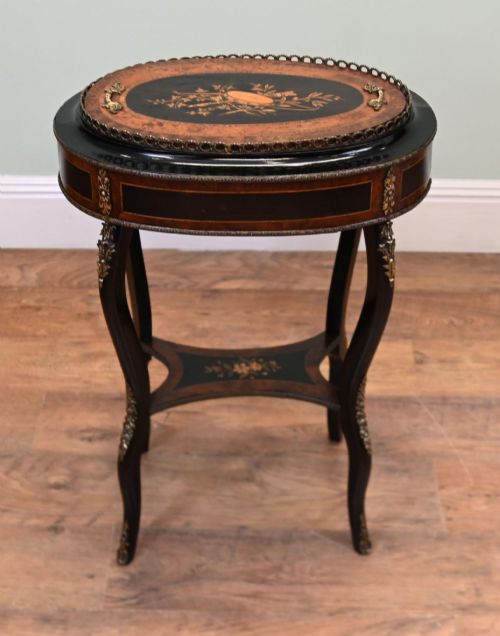
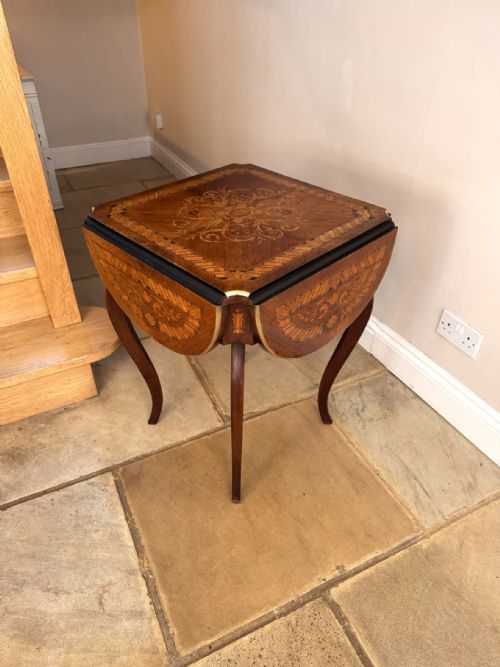
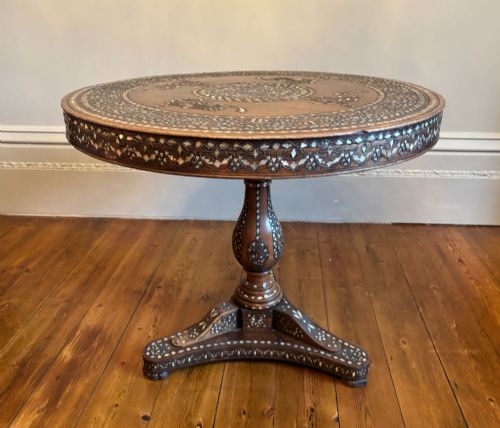
Inlaid Wood Occasional Table
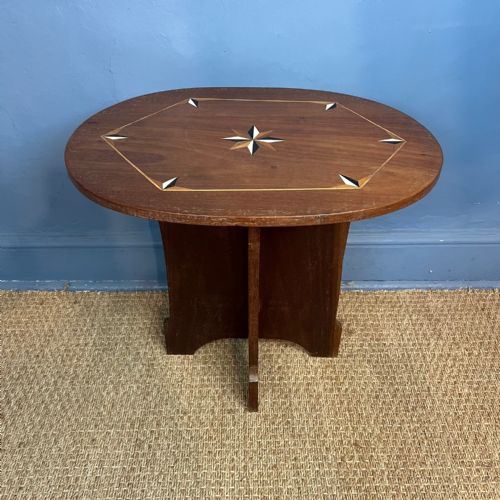
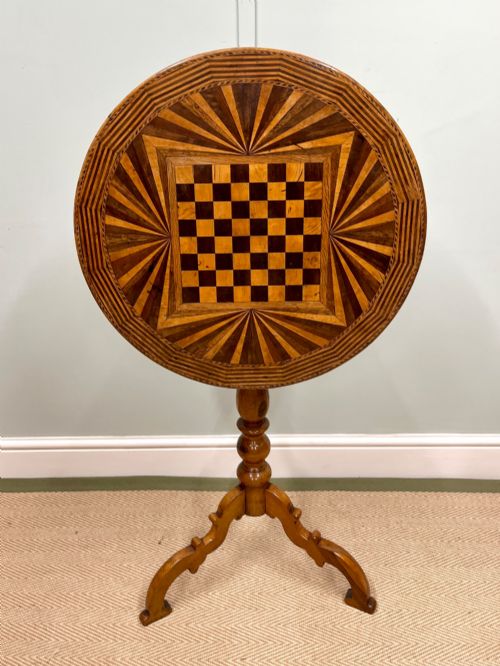
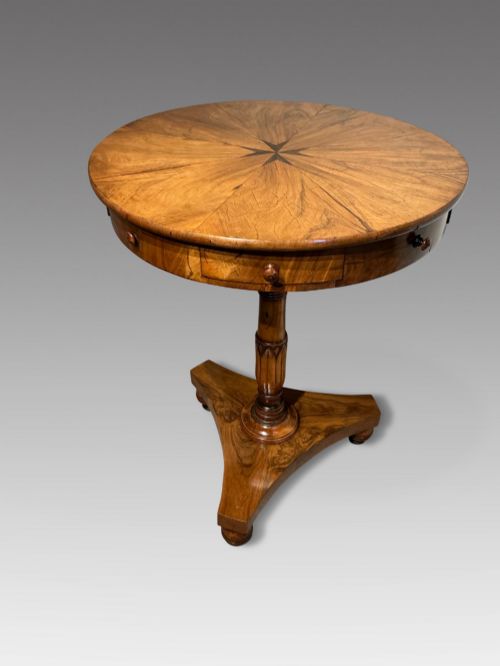
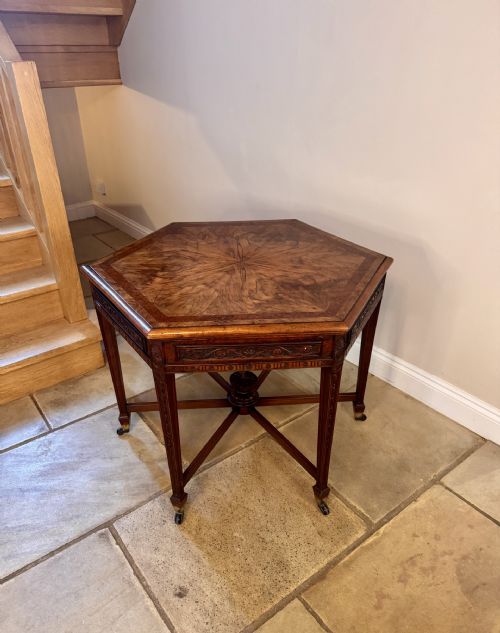
An inlaid wood occasional table brings rich botanical marquetry and intricate surface patterns into a room, serving functional placement alongside decorative display.
Inlaid Wood Occasional Table
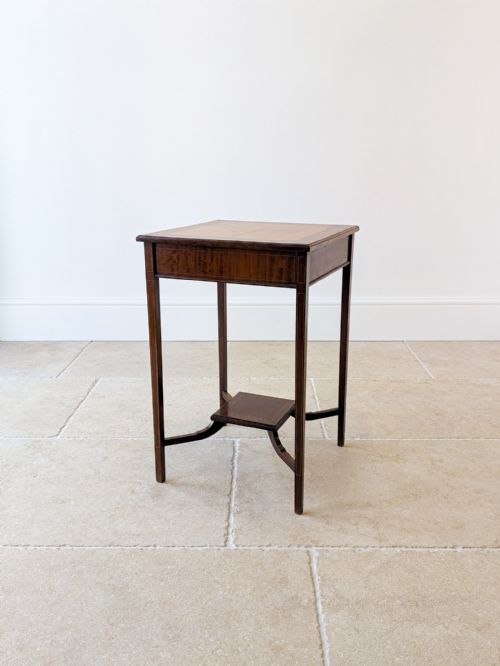
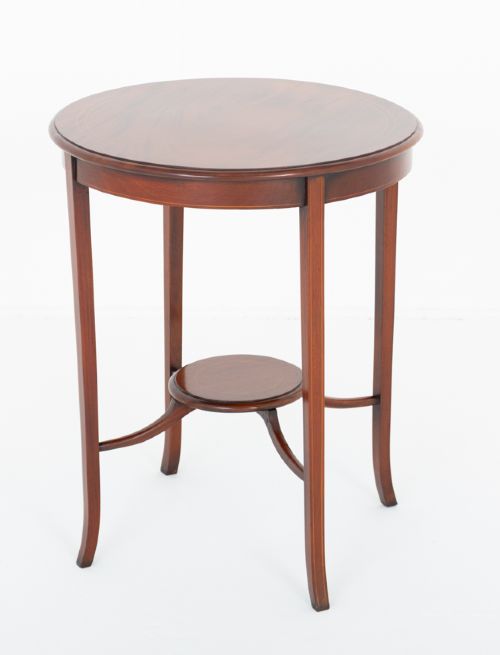
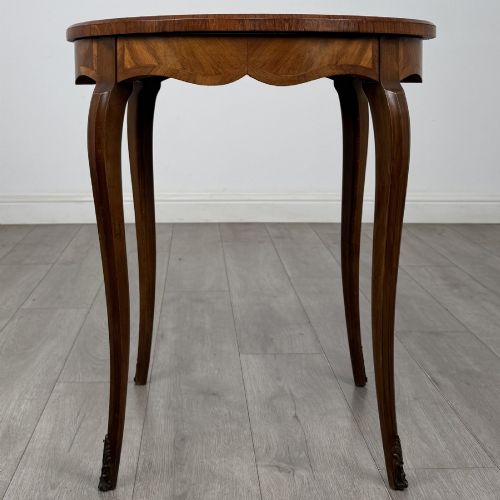
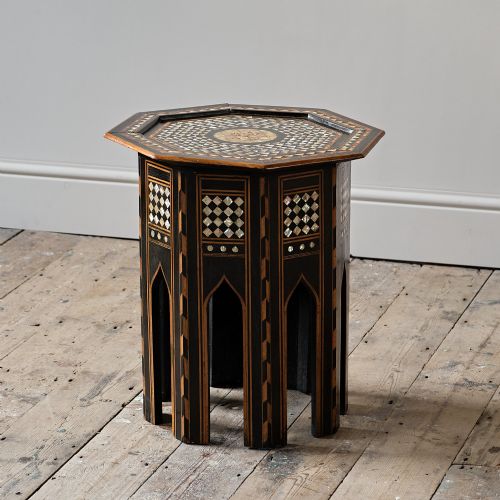
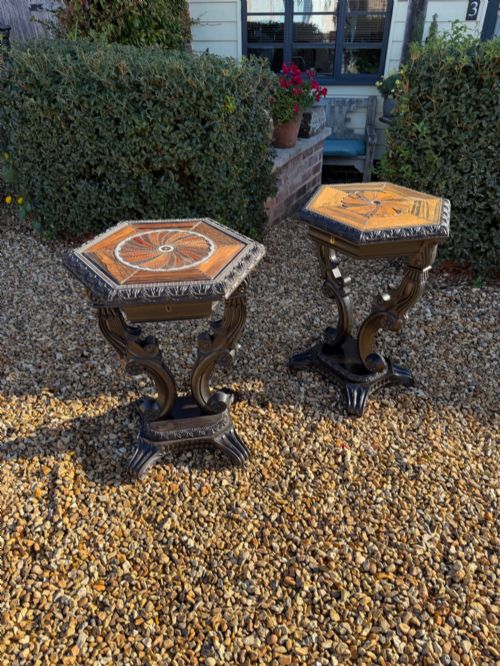
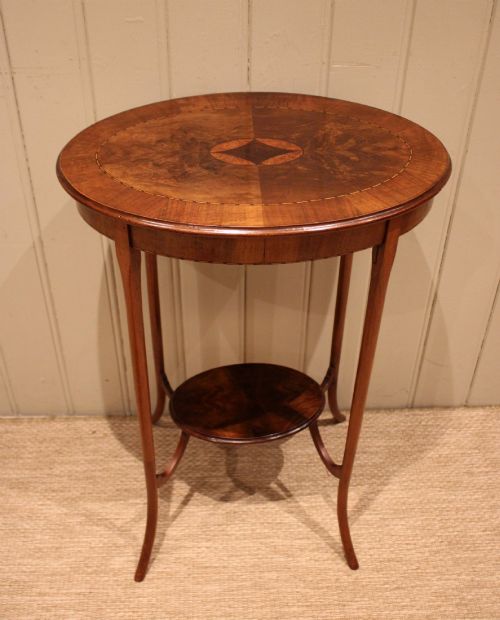
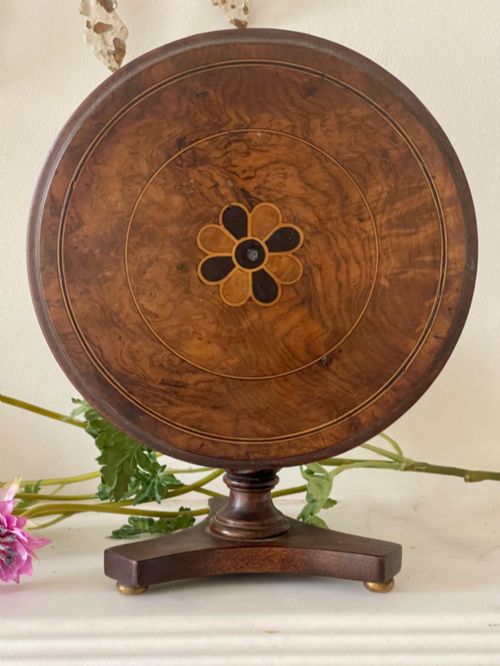
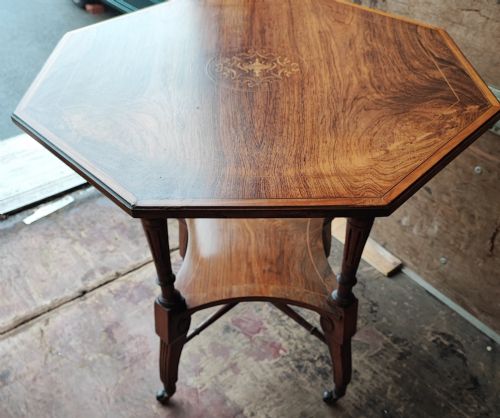
When searching for an inlaid wood occasional table, collectors encounter compact side pieces designed for specific placement in Victorian, Edwardian, and early twentieth-century interiors. These portable surfaces take many forms, including round, oval, kidney-shaped, drop-flap, and folding octagonal designs.
The version most commonly met on this page is the Edwardian satinwood or Victorian rosewood occasional table, often featuring delicate stringing or elaborate floral marquetry. Alongside British domestic pieces, international workshops contribute significant regional variations such as Anglo-Indian sandalwood and Ceylonese specimen wood constructions.
Beyond standard side tables, related forms span two-tier serving tiers, nest tables, and low hexagonal hall tables. These compact surfaces offer versatile display potential while showcasing varied regional joinery and decorative wood veneers.
Materials and Technique
Craftsmen built these tables using primary structural timbers such as walnut, mahogany, satinwood, and rosewood, frequently enhanced by contrasting exotic veneers. Surface decoration relies on precise marquetry, parquetry, and inlaid timber motifs executed with specialised cutting tools.
Many regional and period examples incorporate supplementary materials into the wood substrate, including bone, brass stringing, ormolu mounts, and mother-of-pearl. Surface finishing involves painstaking hand-polishing and French polishing to highlight the natural grain and colour variations of the diverse woods.
Inlaid Wood Occasional Table Retail Price Guide 2026
Typical asking prices for inlaid wood occasional table among the pieces listed under this phrase on Sellingantiques today, from the lower quarter to the upper quarter. They describe what is for sale here now, not the wider market.
Some small tables feature hidden chess boards and secret compartments designed for clandestine nineteenth-century parlor games.
Distinctions in Execution
The highest tier of these tables demonstrates exceptional precision in the cutting and fitting of individual veneer pieces, ensuring seamless transitions across complex floral or geometric marquetry. Lesser examples rely on stamped or painted surface effects that lack the depth and textural engagement of genuine wood inlay.
Structural integrity also separates superior specimens from simpler alternatives, particularly in the stability of leg joints, the tightness of folding mechanisms, and the retention of original brass fittings. Finer pieces maintain balanced proportions and well-figured secondary timbers that remain stable across seasonal humidity shifts.
The Inlaid Wood Occasional Table Glossary
- Marquetry
- Decorative veneer work forming pictures or patterns on a wooden surface. Craftsmen arrange thin slices of various timbers to create elaborate floral or pictorial designs.
- Parquetry
- Geometric mosaic woodwork used for floors and tabletops. This technique arranges angular veneer blocks into repeating patterns like cubes or chequers.
- Satinwood
- A durable, lustrous yellow-brown timber prized in cabinetmaking. Its high natural sheen made it a favourite for delicate Edwardian and Georgian tables.
- Specimen wood
- Furniture constructed from a multitude of different native and exotic timbers. Each block displays its unique natural grain and colour without added stains.
- Stringing
- Thin inlay lines of contrasting wood or metal set into furniture surfaces. This decorative edging defines table borders and panel shapes.
- Galleried
- A miniature rail or balustrade fitted around the edge of a tabletop. This raised border prevents items from sliding off the surface.
Inlaid Wood Occasional Table: Frequently Asked Questions
What is an occasional table?
An occasional table is a small, movable piece of furniture designed for specific, intermittent use around a room rather than a permanent seated dining position.
These versatile surfaces typically held lamps, books, or decorative objects within Victorian and Edwardian sitting rooms.
How do I identify Edwardian tables?
Edwardian tables generally feature lighter satinwood or mahogany frames adorned with delicate ribbon and floral marquetry. Their silhouettes tend to be slender and refined compared to heavier Victorian counterparts.
They often incorporate tapered legs connected by low stretchers or lower tier shelves.
Where were folding tables made?
Folding octagonal tables were extensively produced in workshops across Hoshiarpur and other Indian centres during the nineteenth century. Artisans carved these pieces from dense hardwoods and inlaid them intricate bone motifs.
These items were dismantled easily for transport by colonial travellers and British officers.
How should I clean inlaid surfaces?
Maintenance requires dry dusting with a soft, lint-free cloth to protect the delicate veneer edges and historical polish. Moisture can loosen old animal glues beneath the inlay work.
Occasional application of high-grade microcrystalline wax helps nourish the timber without clouding the fine marquetry details.