

Walnut Marquetry Side Table
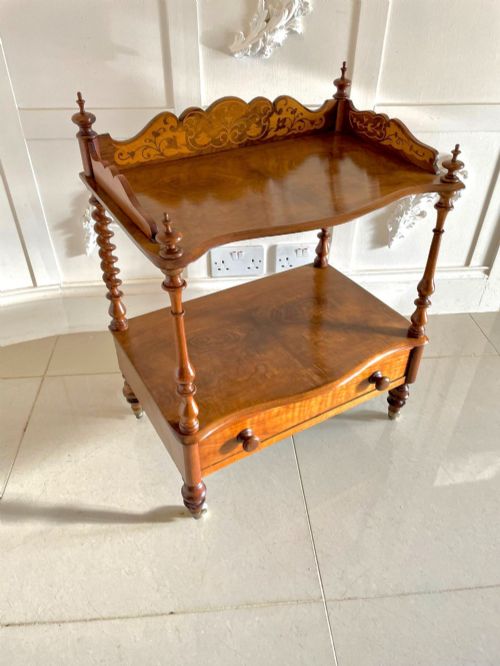
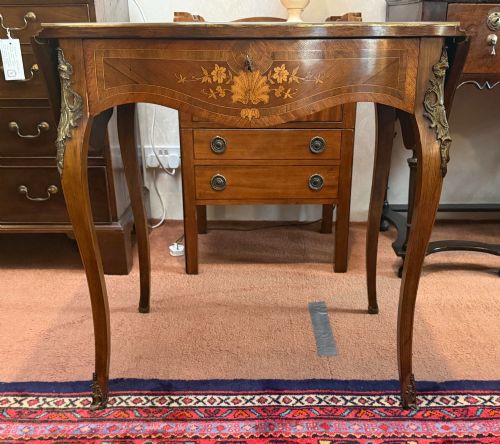
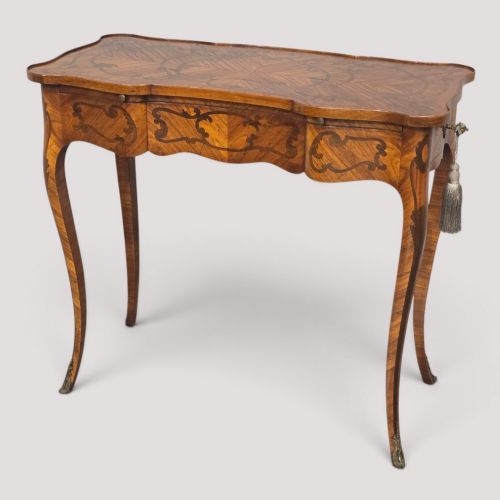
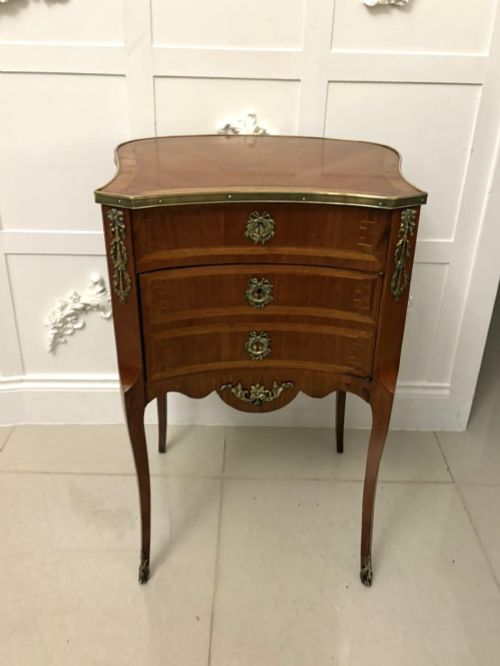
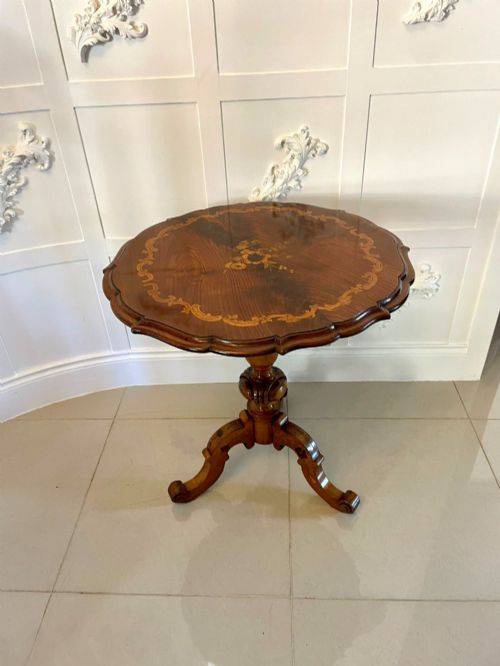
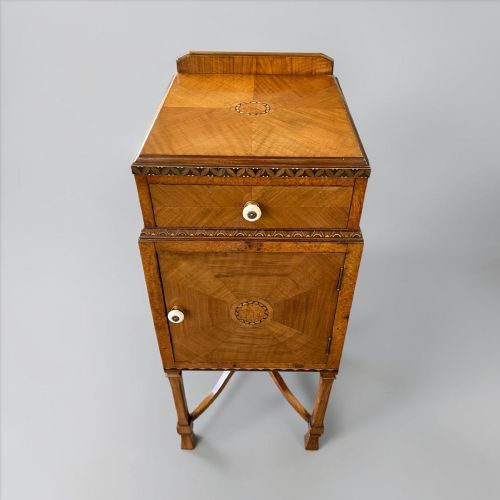
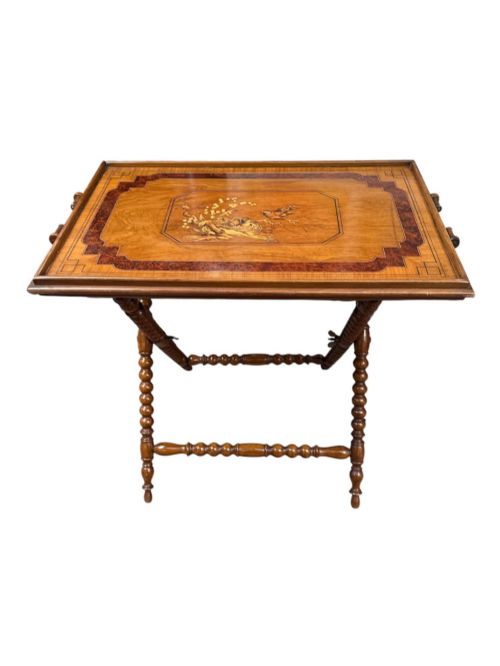
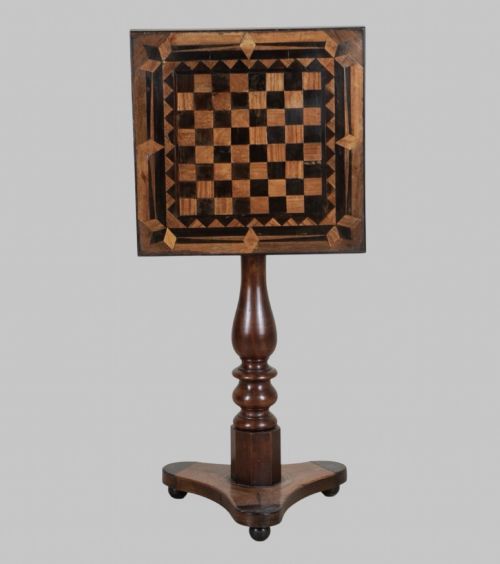
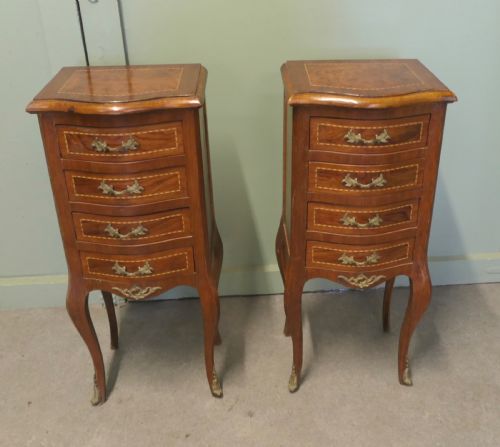
These walnut marquetry side table examples bring intricate floral and geometric veneer work into domestic spaces with distinct historical character.
Forms and Origins
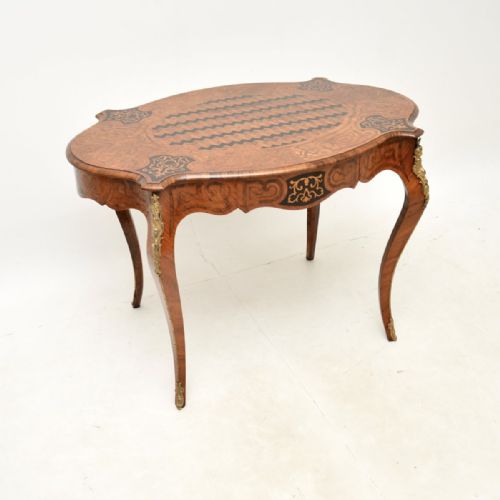
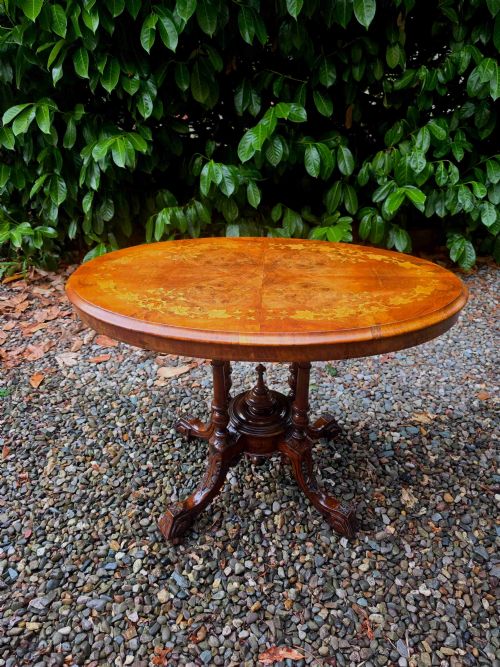
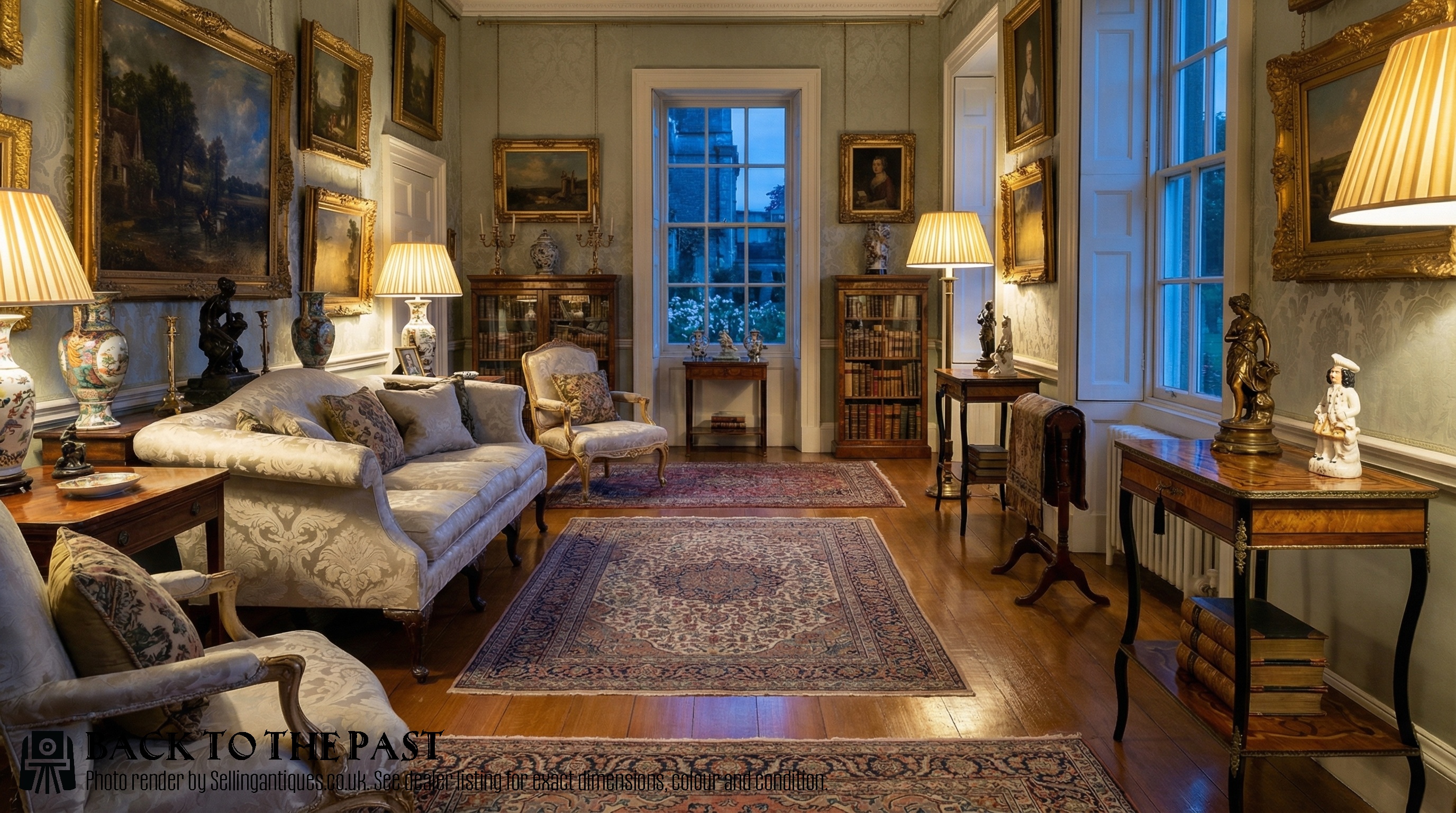
A walnut marquetry side table combines structural utility with pictorial timber surfaces, appearing frequently in nineteenth-century French, Italian, Dutch and English formats. These pieces serve as occasional surfaces, work tables, and jardiniere stands, utilising compact proportions that suit principal reception rooms.
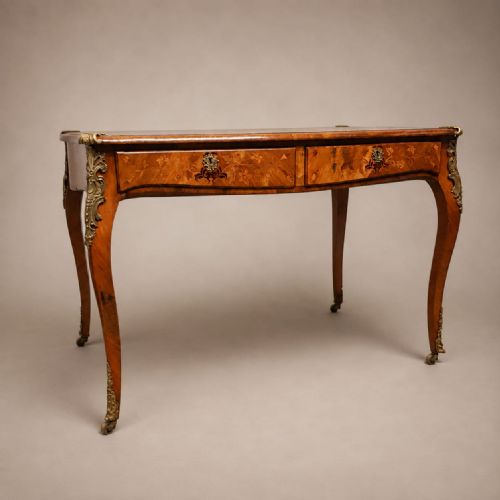
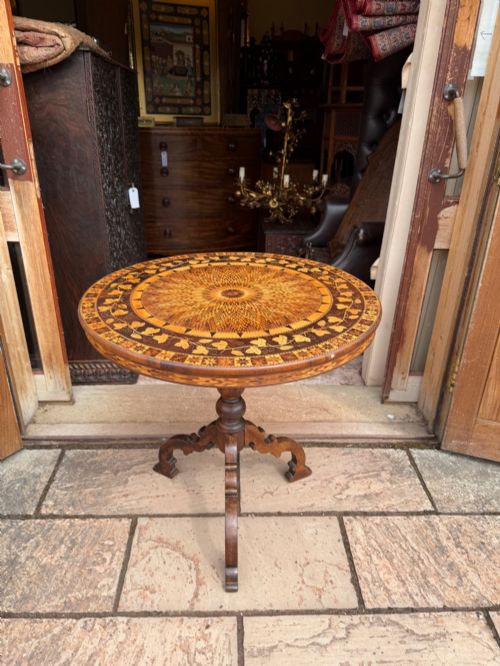
The nineteenth-century revival styles dominate the current selection, particularly French Louis XV and Napoleon III designs alongside Italian Sorrento work. Examples range from simple tripod wine tables to elaborate occasional pieces fitted with gilt bronze mounts and drop leaves.
Craftsmanship and Proportion
Quality rests in the precision of the veneer cutting and the harmonious selection of timber grains, where superior pieces integrate burr walnut and exotic hardwoods without gaps or mismatched joints. The crispness of the hand-cut floral or geometric motifs distinguishes standard production from exceptional workshops.
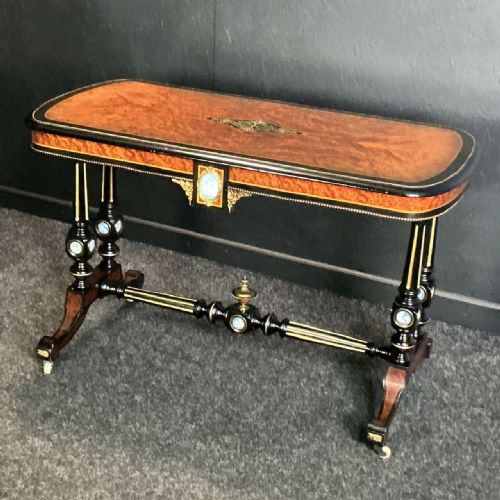
Integration of mounts also defines the tier of a piece, with finely chased ormolu and well-fitted brass hardware marking higher execution. Structural integrity of the underlying hardwood carcase ensures that the decorative top remains flat and stable over time.
Retail Price Guide 2026
Typical UK retail prices for walnut marquetry side table, calculated from the Sellingantiques database of over a million retail prices indexed since 2003. This retail price guide relies exclusively on Sellingantiques data; no external sources or auction records are used, so the figures do not describe the wider market.
Several tables double as multi-tasking work stations and jardiniere stands, ready for plants or sewing projects.
Gillows
The Walnut Marquetry Side Table Glossary
- Marquetry
- A decorative technique where small pieces of veneer are assembled into pictorial or geometric patterns on a wooden ground. This method differs from inlay by covering the entire surface rather than fitting pieces into recesses.
- Veneer
- Thin slices of decorative wood applied over a secondary timber carcase to provide a figured surface. Walnut and burr walnut are standard choices for high-end nineteenth-century cabinetwork.
- Ormolu
- Gilded bronze mounts applied to furniture edges, feet, and corners for ornamentation. This material is particularly common on French nineteenth-century revival pieces.
- Poudreuse
- A specialised dressing or work table fitted with compartments and folding lids. These forms often incorporate elaborate marquetry across the top and interior surfaces.
Frequently Asked Questions
Where should I place a side table in my room?
These compact tables function well beside seating areas or against hallways walls where their decorative tops remain visible.
Avoid placing them in direct sunlight to protect the fragile walnut veneers and contrasting timber tones from fading.
How do I clean walnut marquetry surfaces?
Dust the surface regularly with a soft, dry cloth to prevent particulate accumulation within the veneer joints.
Apply a microcrystalline wax periodically to nourish the timber without moisture damage.
What is the difference between French and Dutch styles?
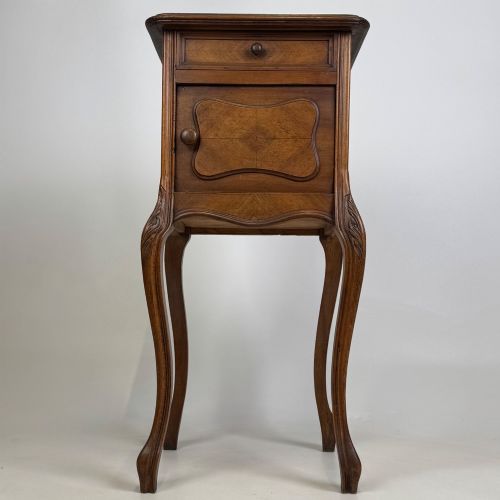
French nineteenth-century examples often feature curved cabriole legs, ormolu mounts, and fluid floral marquetry patterns.
Dutch versions typically display darker grounds with dense floral and bird motifs executed in contrasting hardwoods.
Can these tables support heavy lamps or objects?
Most occasional and side tables are designed for light decorative objects rather than heavy loads.
Tripod and tilt-top variants require careful balancing to ensure stability during daily use.