

Inlaid Wooden Occasional Table
When you handle an inlaid wooden occasional table, you hold a piece of furniture designed for mobility and display across centuries of changing domestic life.
Inlaid Wooden Occasional Table
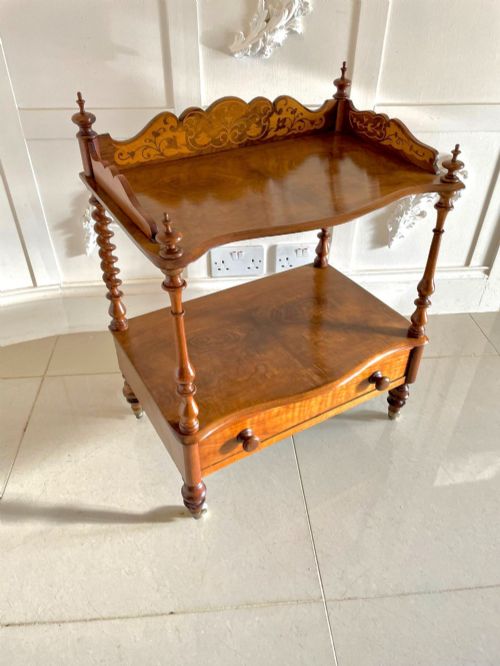
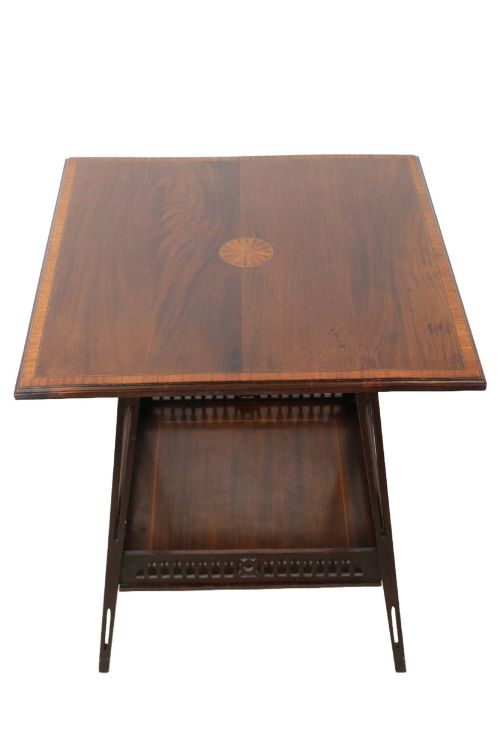
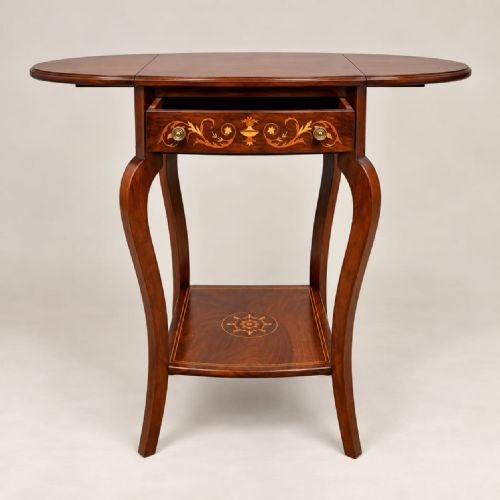
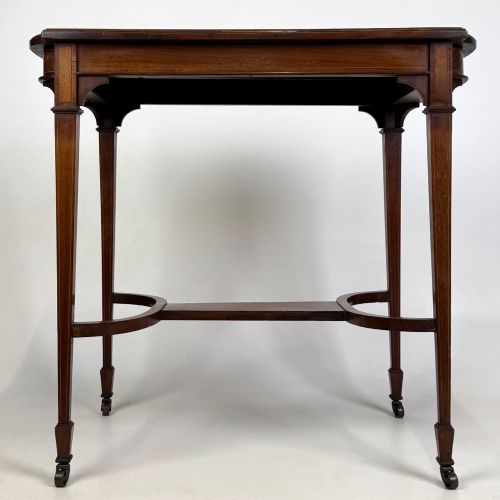
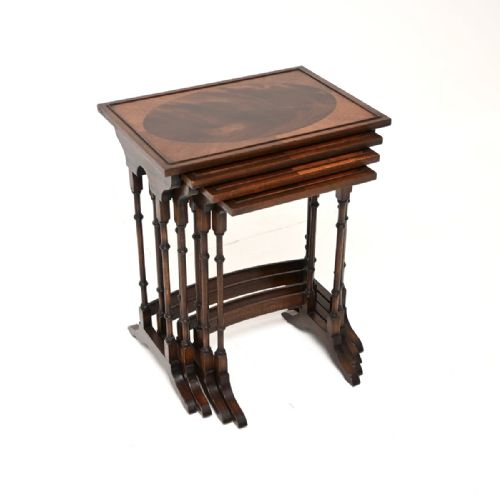
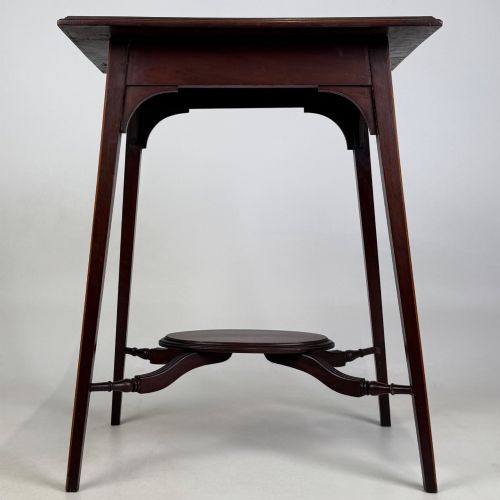
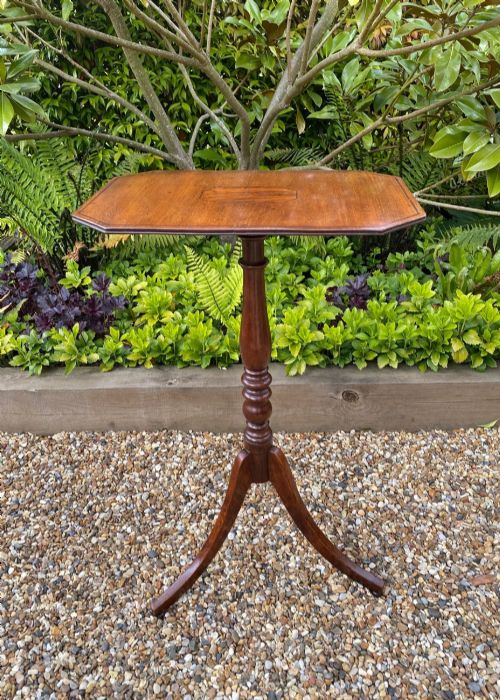
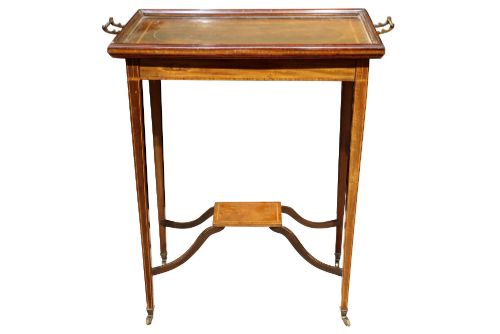
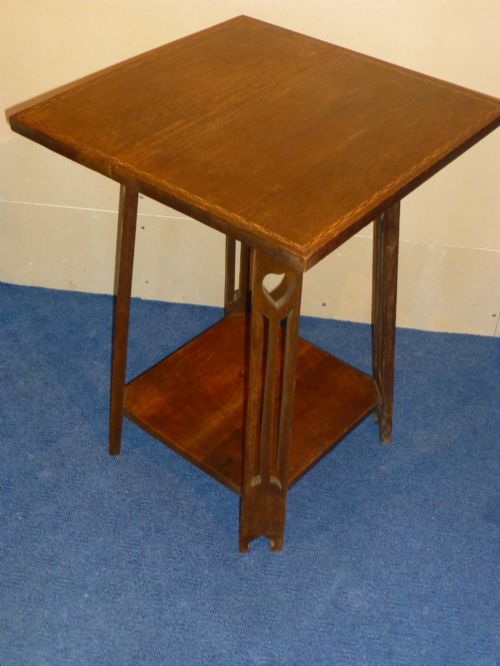
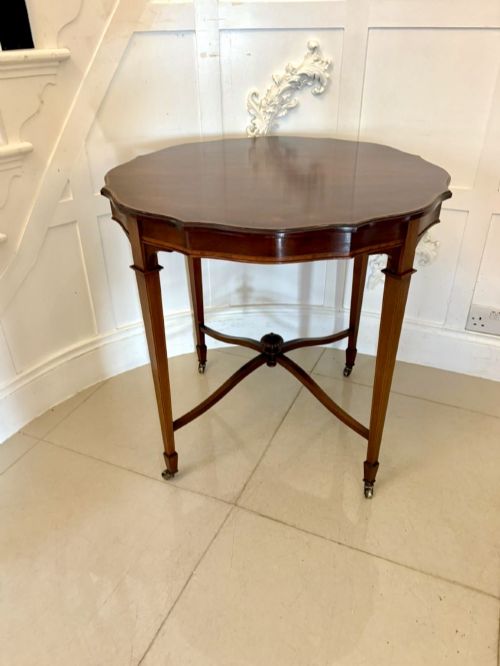
An inlaid wooden occasional table is a small, portable piece of furniture intended for specific tasks or general placement around a room. The items gathered under this phrase include side tables, lamp tables, wine tables, Pembroke tables, and nests of tables.
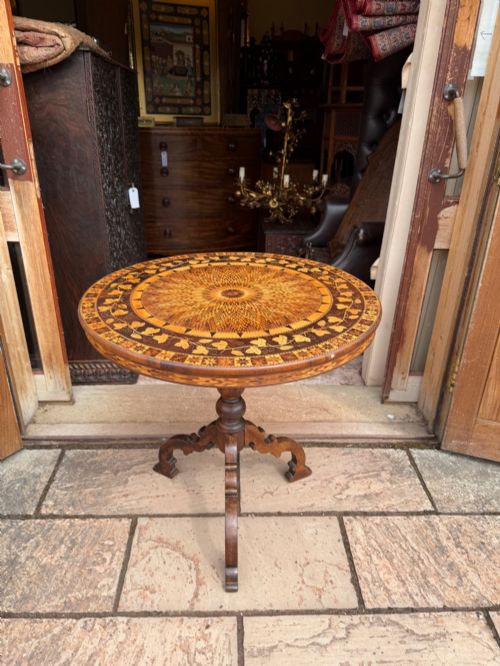
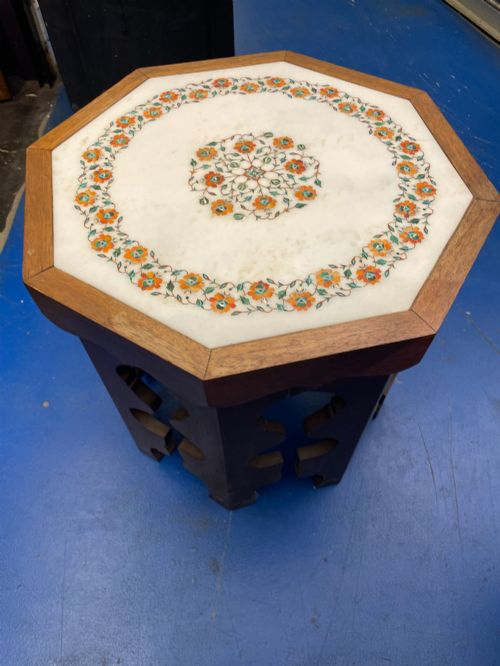
The pieces appearing on this page span from the eighteenth century through the Edwardian era and into the early twentieth century. You will encounter forms such as folding Damascus tables, octagonal Hoshiarpur pieces, kidney-shaped side tables, and George III Pembroke designs.
Makers and workshops from various traditions contributed to these forms, including Liberty & Co., Trevor Page & Co., and Gillows of Lancaster. The stylistic range covers Georgian, Victorian, Edwardian, Anglo-Indian, and Moorish Revival idioms.
How they were made
Cabinetmakers constructed these tables using foundational timbers like mahogany, walnut, rosewood, oak, and satinwood. Subsidiary woods and framing materials support the primary show woods on tops and legs.
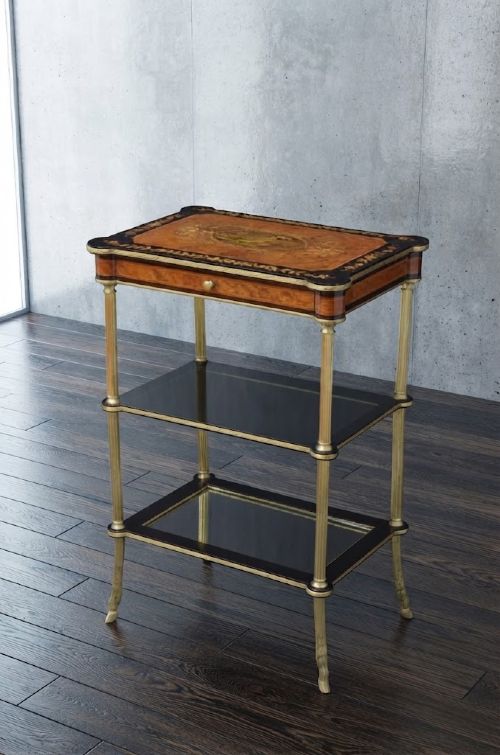
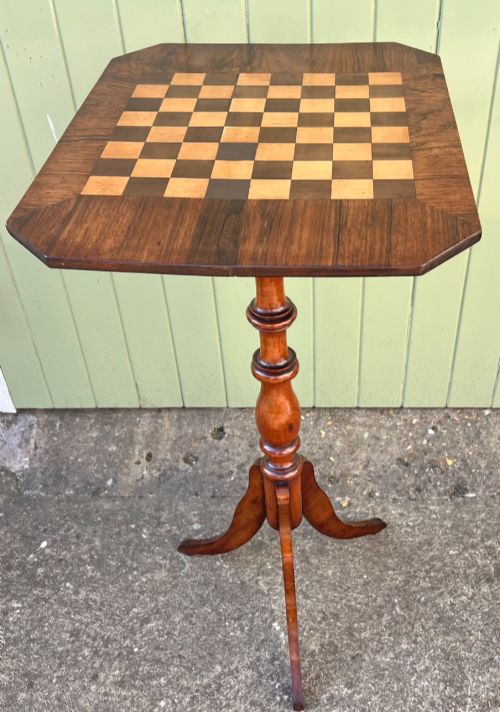
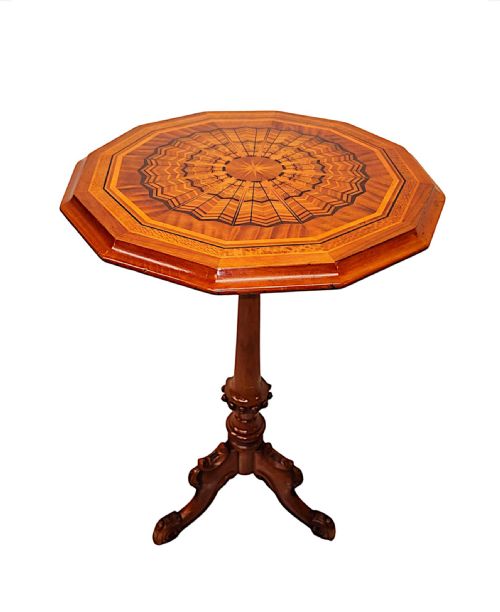
Decoration relied on contrasting veneers and detailed inlays using boxwood, brass, bone, mother-of-pearl, and specialised wood inlay. Artisans cut these contrasting elements to form geometric chequers, floral marquetry, or elaborate parquetry patterns across the surfaces.
The selection spans Georgian craftsmanship through Victorian and Edwardian revivals to early twentieth-century Arts and Crafts pieces.
What varies in quality
The standard of an inlaid wooden occasional table rests on the precision of the cabinetwork and the crispness of the inlay. Sharp, tight joints and cleanly fitted contrasting veneers distinguish superior workshops from routine production.
Materials dictate the upper tiers of quality, where figured timbers like burr walnut, fiddleback sycamore, or fine satinwood receive meticulous finishing. The depth of hand-carving on regional pieces, such as Anglo-Indian folding tables, further separates simpler examples from masterwork execution.
Trevor Page & Co·Liberty & Co·William Birch·Gillows
The Inlaid Wooden Occasional Table Glossary
- Marquetry
- The art of creating decorative pictures or patterns on wooden surfaces by fitting together small pieces of veneer. This technique allows for complex floral or pictorial designs across table tops.
- Pembroke table
- A small drop-leaf table with hinged flaps on either side, introduced in the eighteenth century. These pieces often feature inlaid drawers and slender tapering legs.
- Parquetry
- A geometric mosaic of wood pieces used for decorative floors and furniture tops. It creates repeating patterns like cubes, chequers, or basket weaves.
- Satinwood
- A durable, lustrous timber native to India and Sri Lanka, prized for its golden-yellow colour and natural sheen. Cabinetmakers utilised it extensively during the Sheraton Revival and Edwardian periods.
- Canterbury
- A small stand originally designed for holding sheet music or folios, often fitted with slatted partitions. Some Victorian examples incorporate inlaid woodwork matching contemporary occasional tables.
Inlaid Wooden Occasional Table: Frequently Asked Questions
What is an inlaid wooden occasional table used for?
These tables served flexible domestic purposes such as holding lamps, supporting chess boards, or displaying decorative objects in reception rooms. Their light construction allowed servants or residents to move them easily around the home as daily needs shifted.
Over time, specific forms evolved for tea, reading, or needlework, making them central items for entertaining visitors. Today, they function in modern interiors precisely as intended originally, providing useful surface area beside seating.
How do I date an inlaid wooden occasional table?
Dating relies on observing the combination of timber choices, leg styles, and inlay motifs relative to known historical periods. Georgian examples often display restrained mahogany with delicate stringing, while Victorian and Edwardian pieces frequently feature heavier burr walnut or brighter satinwood marquetry.
Construction methods inside the drawer linings and beneath the tops also offer clues to the era of manufacture. Machine-cut components point toward the later nineteenth and twentieth centuries, whereas hand-cut joinery suggests earlier workshops.
How should I care for antique inlaid wood?
Keep inlaid wooden occasional tables away from direct sunlight and strong heat sources to prevent the natural timber and delicate veneers from drying out. Maintaining stable room humidity protects the microscopic animal glues holding the individual inlay pieces in place.
Apply a traditional beeswax polish sparingly to nourish the wood grain and enhance the original lustre without building up heavy chemical layers. Gentle dusting with a soft, dry cloth remains the best daily maintenance.