


Brass Castor End Table
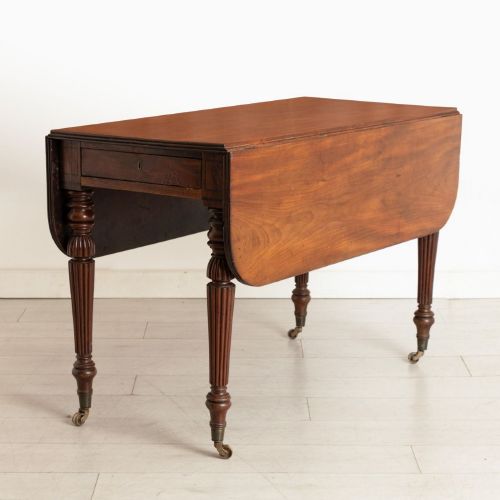
A brass castor end table brings mobile utility and rich timber warmth to a room, moving smoothly on period metal wheels.
Brass Castor End Table
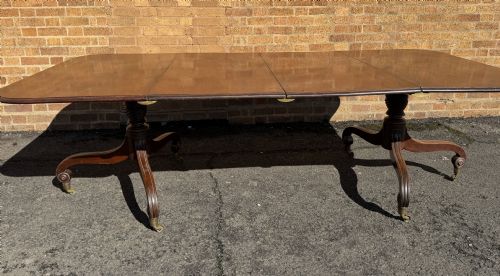
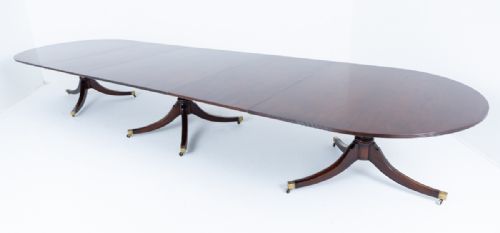
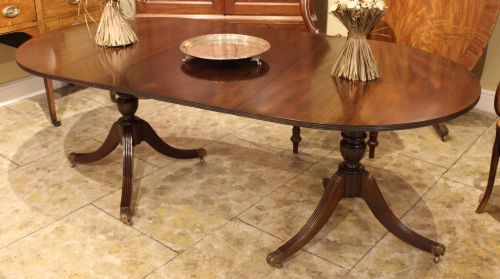
When you search for a brass castor end table, you encounter practical timber surfaces designed to roll or pivot with ease across a floor. The pieces span side tables, Pembroke tables, sofa tables, and dining tables originating from Georgian, Regency, and nineteenth century periods.
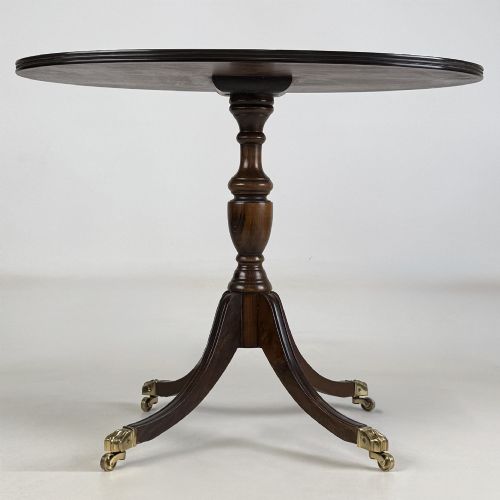
The version you are most likely to meet on this page is a mahogany side or Pembroke table standing on slender legs fitted with metal castors. These items served flexible domestic functions, shifting easily from a corner to a fireside.
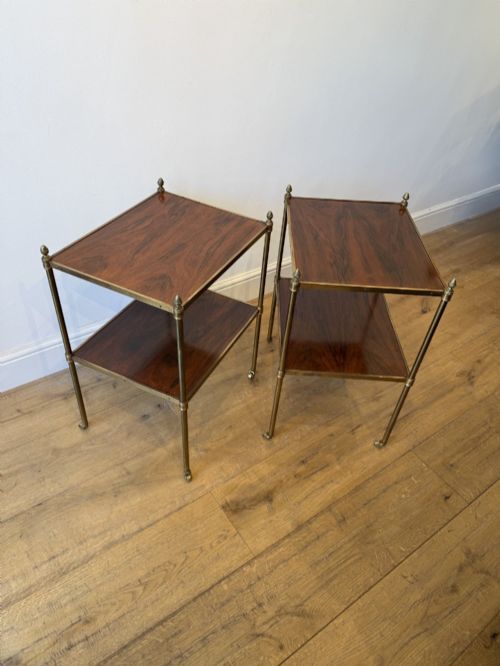
Makers utilised various timber configurations, pairing rich mahogany or rosewood with satinwood inlay, oak, and burr oak veneer. Some tables incorporate drop leaves, single drawers, or tiered shelves to maximise utility in smaller domestic spaces.
How they were made
Cabinetmakers constructed these frames primarily from solid mahogany and rosewood, frequently applying burr oak veneer or satinwood inlay for decorative contrast. Timber selection focused on grain figure and durability, ensuring the structure held firm under daily domestic use.
Metal castors in brass were fixed to the base of each leg, allowing heavy timber dining and sofa tables to relocate smoothly across carpets and wooden floors. Joinery relied on traditional methods such as dovetails for drawers and tenons for frames.
Some tables roll on brass paws that make small decisions about where the dining room goes next.
What varies in quality
Quality rests upon the crispness of timber carving, the depth of the mahogany or rosewood grain, and the originality of the brass castors. Superior examples display refined proportions and precise inlay work that reflect skilled cabinetmaking.
The integrity of the structural joinery and the survival of secondary timbers like oak dictate the long-term resilience of the piece. Tables retaining their original brass wheels and untorn drawer linings demonstrate higher standards of preservation.
Gillows·Mallett
The Brass Castor End Table Glossary
- Castor
- A small wheel mounted on a swivel at the bottom of a leg, allowing furniture to roll. They are frequently cast in brass and occasionally shaped as paws.
- Pembroke table
- A small rectangular table with two hinged drop leaves on opposite sides. This form gained popularity during the eighteenth century for versatile domestic use.
- Sofa table
- A rectangular occasional table designed to sit in front of or beside a sofa. These pieces usually feature drop leaves and twin pillar supports.
- D end dining table
- A dining table whose end sections form a semicircle resembling the letter D. They connect with leaves to extend seating capacity.
- Frieze drawer
- A drawer built into the horizontal band beneath the tabletop. They provide discreet storage for small household items.
Brass Castor End Table: Frequently Asked Questions
What rooms suit these tables?
These tables adapt well to living rooms, studies, and dining spaces where flexible surface area matters. Their mobility allows them to shift easily as room layouts change.
Smaller side and Pembroke formats fit neatly beside seating or against walls. Larger dining and sofa versions anchor central room spaces effectively.
How do drop leaves function?
Hinged flaps drop down on either side of the table to save space when not in use. Raising the leaves creates a larger surface supported by hinged brackets or swing legs.
This mechanism allowed Georgian and Regency households to adjust table sizes for different social occasions. The joints require careful alignment to maintain a flat surface when extended.
How were brass castors attached?
Metal castors fasten into the bottom of wooden table legs using stems, sockets, or plates. This method secures the wheel while allowing full rotation for movement.
Original brass hardware often displays patination and maker marks from the period. Their presence confirms the piece retains its intended mobility.
How do I identify a Regency table?
Regency pieces often display neoclassical revival motifs, dark mahogany or rosewood veneers, and robust pillar supports. Clean architectural lines distinguish them from earlier ornate Georgian items.
Brass paw feet and heavy ring turnings frequently appear on bases from this period. The proportions prioritise strength and balanced geometry.