

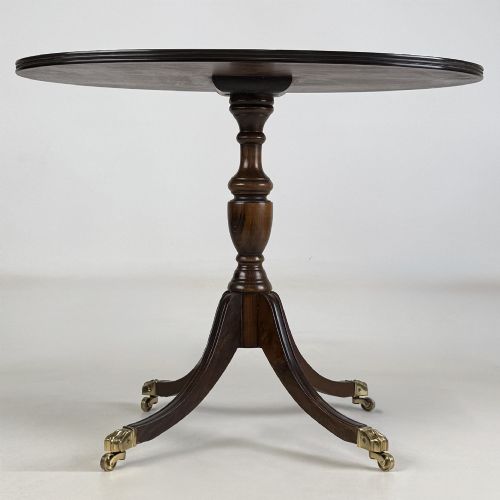
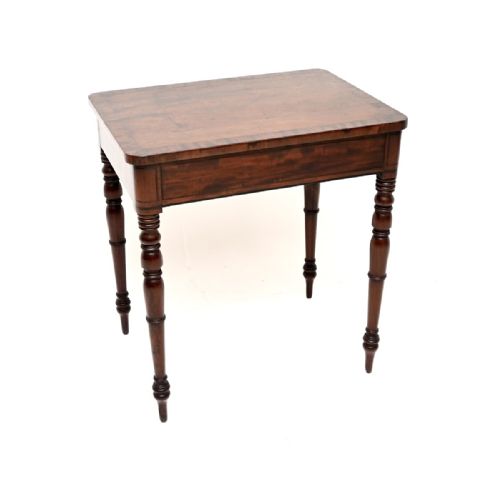
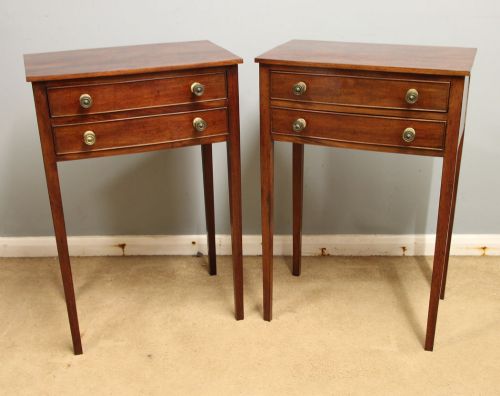
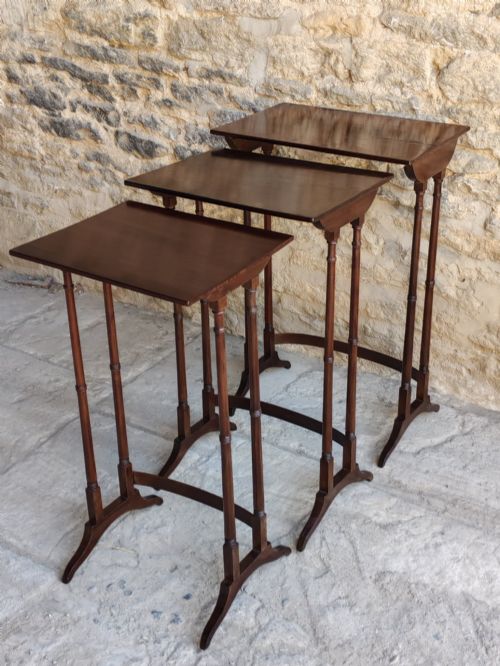
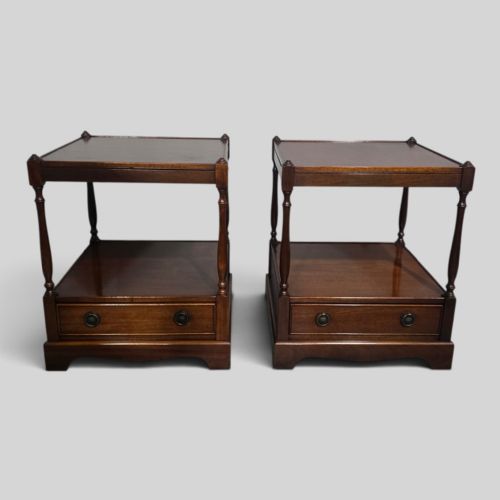

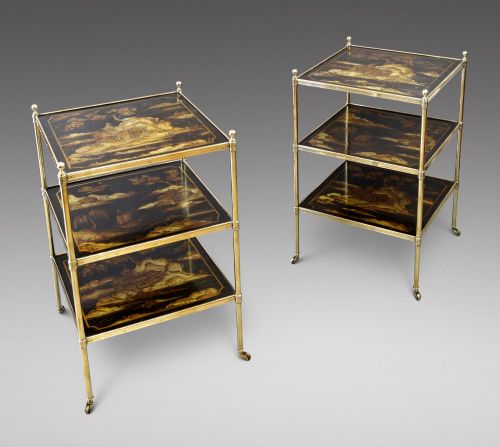
Regency End Table
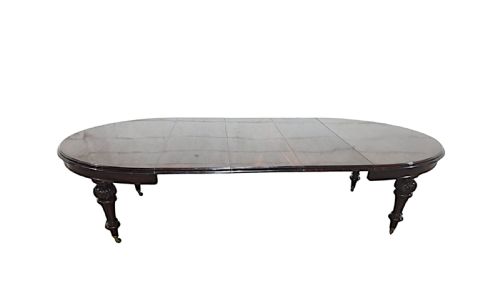
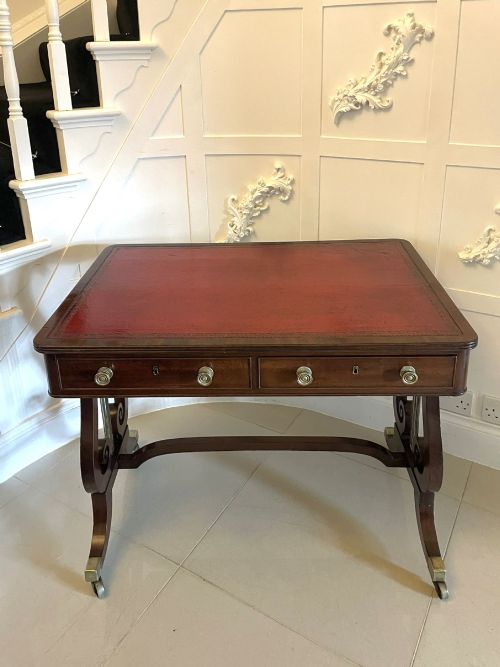
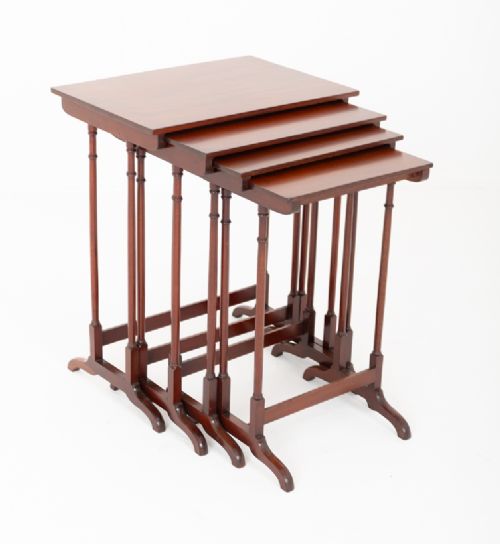
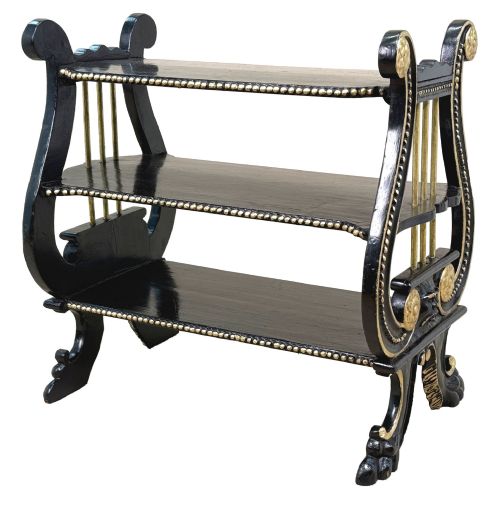
These pieces are a regency end table, compact surfaces for holding lamps, wine, or books that anchor a room with period proportion.
The Regency End Table
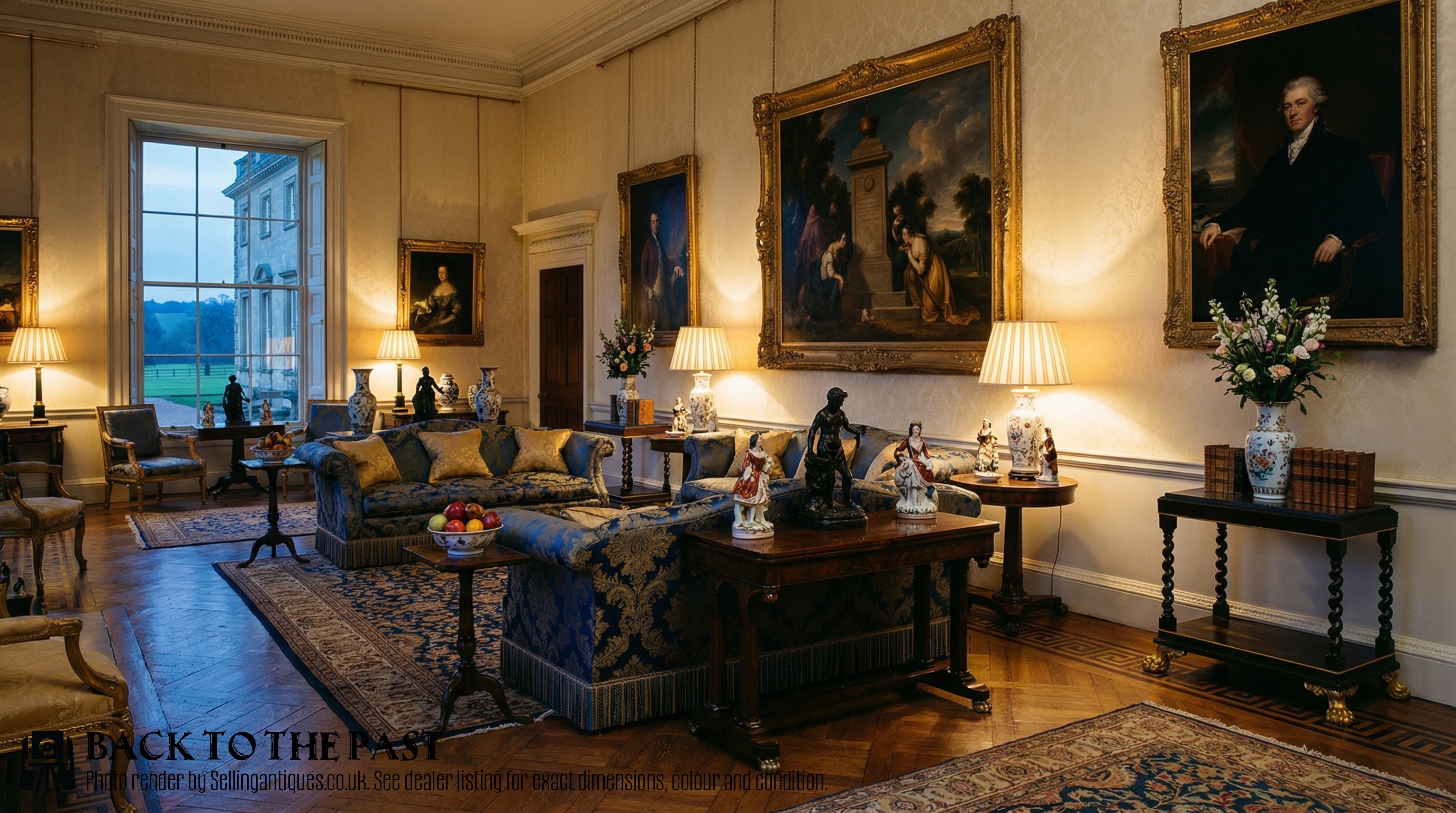
A regency end table brings a compact surface into a room, often taking the form of an occasional table, side table, or wine table. These pieces serve as practical spots for lamps or small items while displaying the restrained elegance of the nineteenth century.
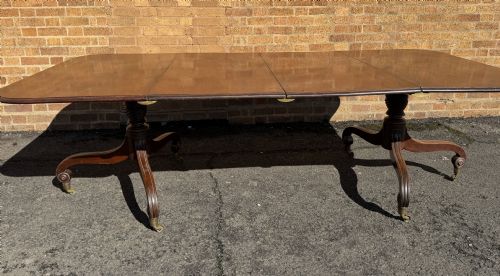
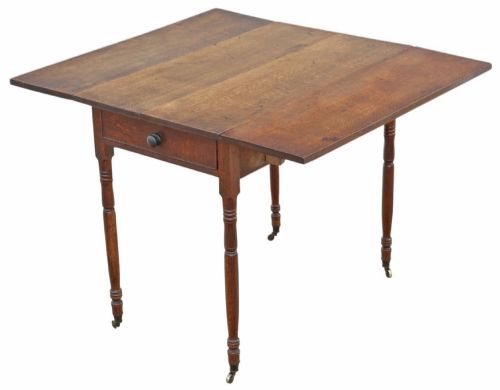
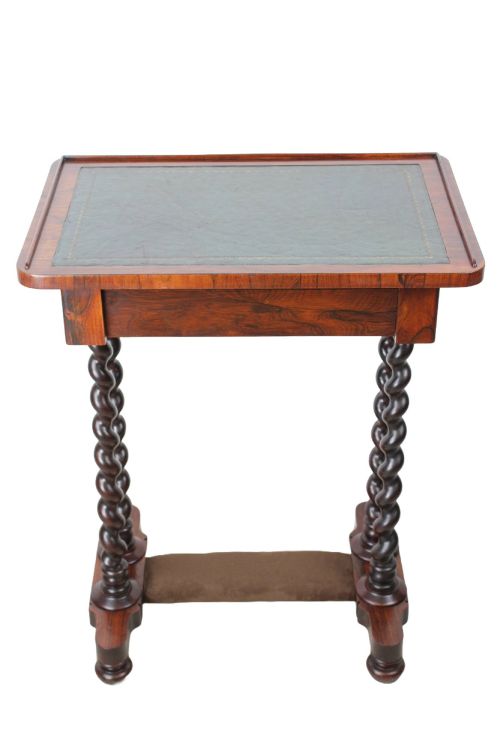
On this page, buyers meet examples spanning the Regency period and the wider nineteenth century. The forms range from simple occasional tables to specimen tables and larger pieces featuring drop leaves or drawers.
Origins trace to English workshops of the early nineteenth century, embodying the classical restraint and structural clarity characteristic of the Regency style and Grand Regency interpretations.
Materials and Construction
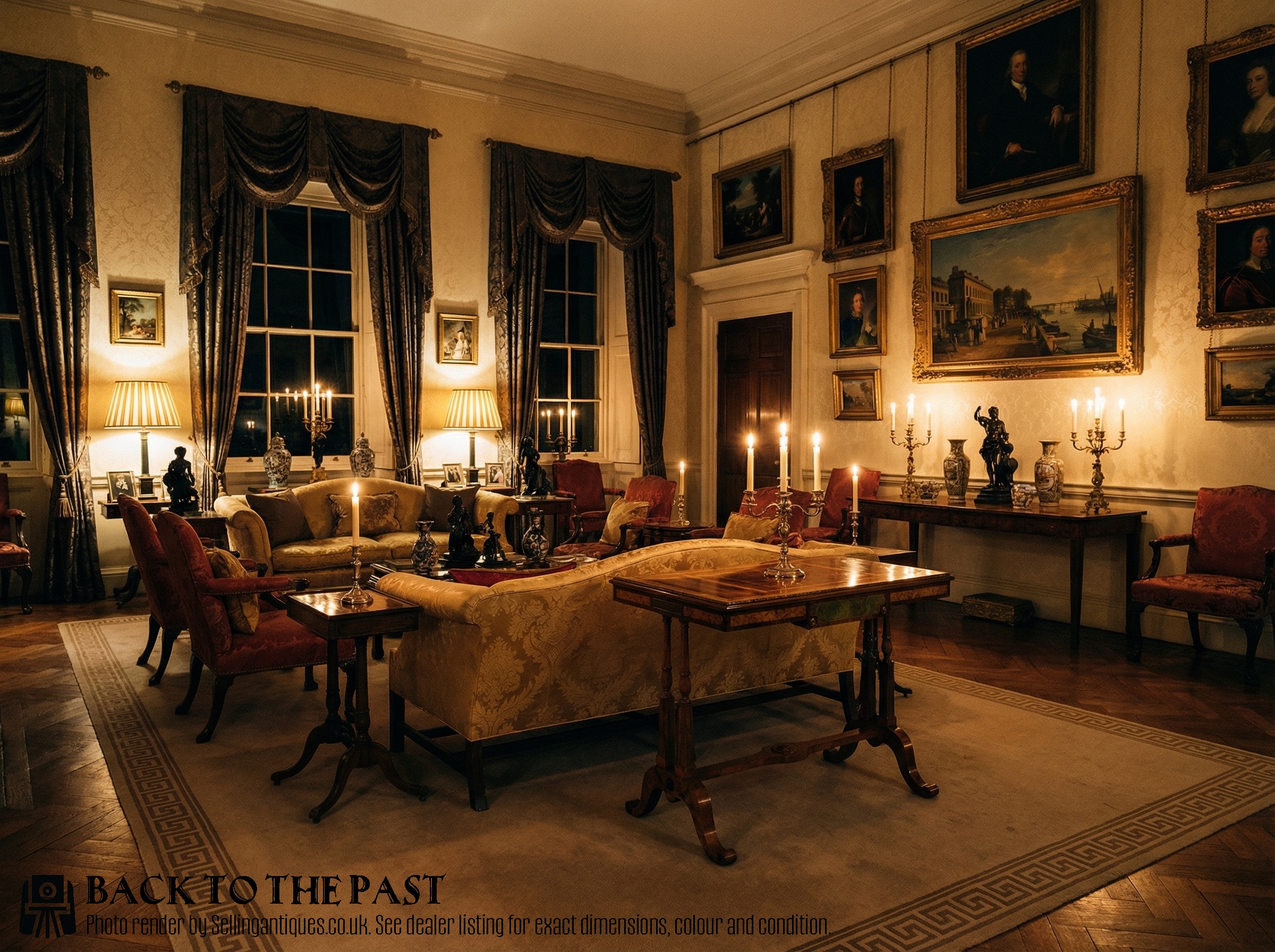
Cabinet makers utilised dense hardwoods, predominantly mahogany, flame mahogany, and rosewood, often enhanced with satinwood or ebony details. These timbers provided a rich foundation for the polished surfaces seen across the pieces.
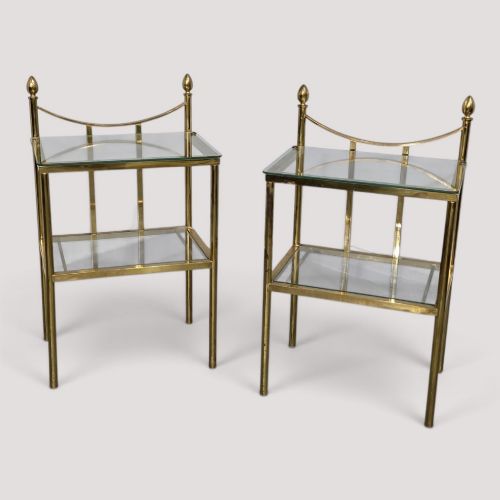
Metalwork played a key role in the execution, with brass mounts and inlays integrated into the timber structures. Giltwood accents also appear, adding bright contrast to darker woods.
Joinery techniques focused on stability and neat alignment, allowing drop leaves, drawers, and pedestal supports to function smoothly within modest footprints.
Retail Price Guide 2026
Typical UK retail prices for regency end table, calculated from the Sellingantiques database of over a million retail prices indexed since 2003. This retail price guide relies exclusively on Sellingantiques data; no external sources or auction records are used, so the figures do not describe the wider market.
Listings feature woods including rosewood, mahogany, flame mahogany, satinwood, ebony, and giltwood.
Evaluating Quality
The distinction between ordinary and exceptional tables rests in the choice of timber and the handling of grain. Figures such as flame mahogany or well-selected rosewood elevate a piece, especially when matched symmetrically across a tabletop.
Execution of secondary details, including brass mountings, inlay precision, and the turning of pedestals or legs, separates standard workshop production from high-end cabinet work. Finer examples display meticulous attention to these finishing touches.
Proportion and structural integrity define the overall success of the piece. A superior table maintains visual balance and tight joinery without relying on excessive ornament.

Gillows·Gillow Lancaster·George Smith·Cope & Collinson·Wilkinson
The Regency End Table Glossary
- Regency
- A stylistic period spanning the early nineteenth century, characterised by classical revival motifs and refined proportions. It draws inspiration from ancient Greek, Roman, and Egyptian design.
- Flame mahogany
- A veneer cut from timber where the branch meets the trunk, producing a rippling, flame-like pattern. Cabinet makers used this decorative grain on prominent surfaces.
- Rosewood
- A heavy, dark timber with distinct figuring, favoured for high-end occasional and side tables during the nineteenth century. Its natural oils take a high polish.
- Occasional table
- A small, movable table designed for intermittent use in a room, such as holding a lamp or small objects. These pieces offer flexibility in interior placement.
- Specimen table
- A decorative table featuring a top composed of various inlaid woods or stones arranged in geometric or pictorial patterns. They showcase the skill of specialist craftsmen.
Frequently Asked Questions
What is a regency end table used for?
These tables provide a small surface for lamps, books, or drinks within a seating area. Their compact footprint allows them to sit beside chairs or sofas.
Historically, similar tables also functioned as wine tables or light serving surfaces. Today, they continue to serve practical roles while adding period character to a room.
How do I identify a regency period table?
Look for classical proportions, dark hardwoods like mahogany or rosewood, and restrained decorative elements such as brass mounts or fine stringing. The forms avoid excessive Victorian heaviness.
Construction methods, including period joinery and timber selection, help distinguish genuine early nineteenth-century pieces from later reproductions.
Where should I place an end table?
Position the table beside a sofa, armchair, or in a corner where a small surface is needed. Their modest scale suits reading areas and bedside spaces.
Keep them away from direct heat sources and strong sunlight to protect the polished timber and delicate veneers.
What woods were used in these tables?
Cabinet makers relied heavily on mahogany, flame mahogany, and rosewood for primary surfaces. These dense timbers offered durability and a rich ground for polishing.
Satinwood, ebony, and other contrasting timbers appeared as stringing, inlay, or secondary woods to highlight structural lines.