


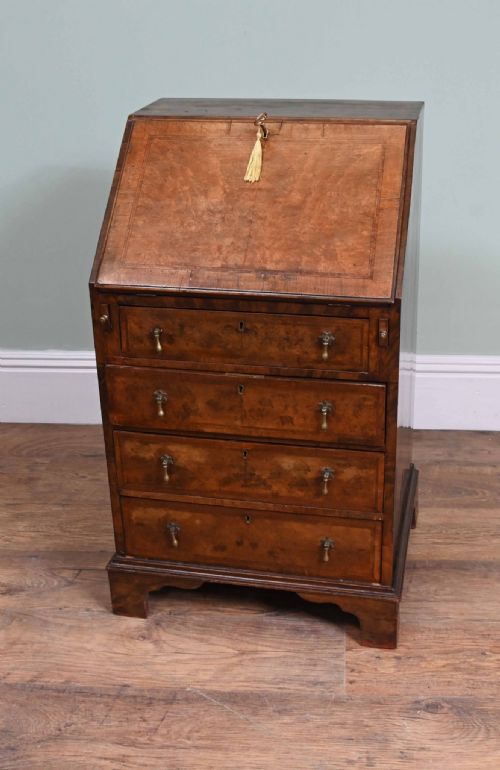
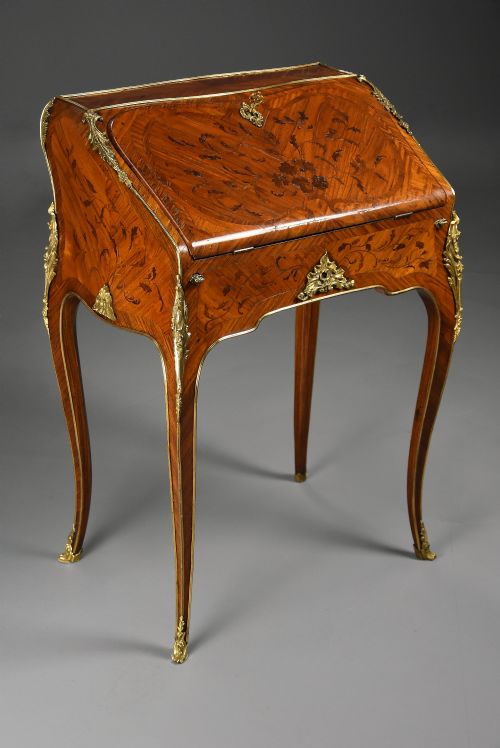
Antique Writing Slope Table
An antique writing slope table combines a functional writing surface with the steady presence of a period table, offering genuine utility for the study.

What These Tables Are
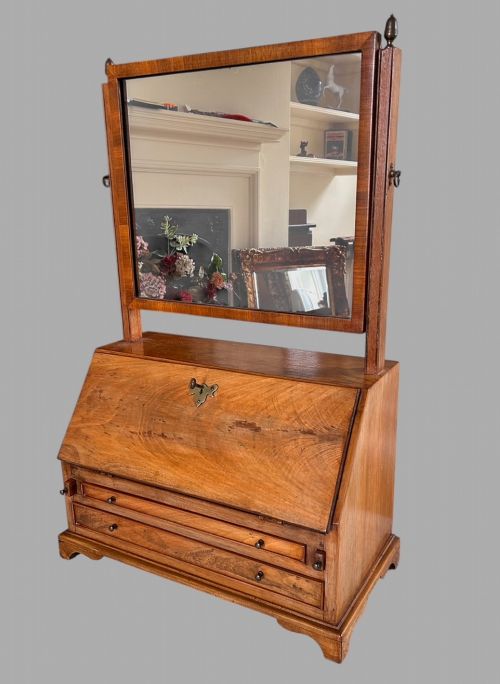
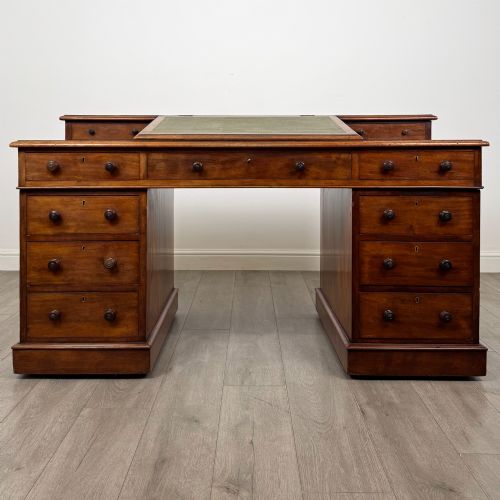
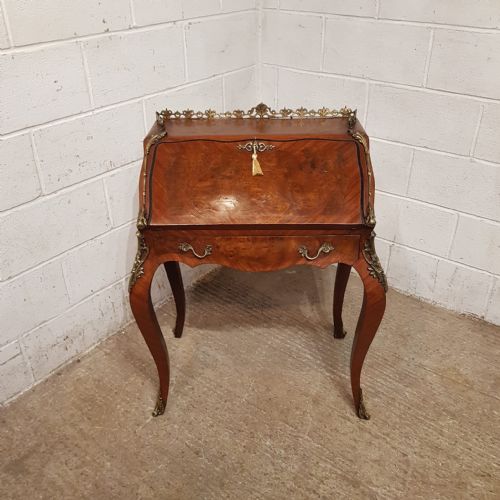
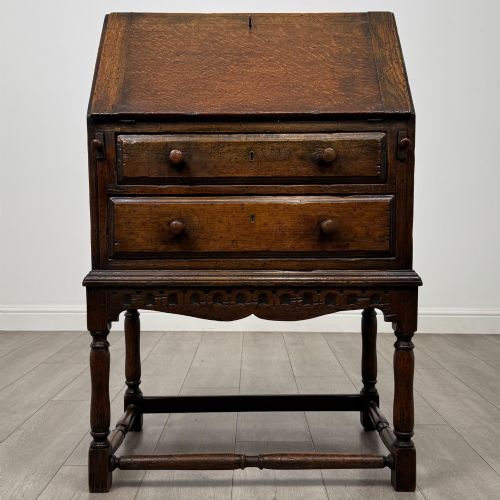
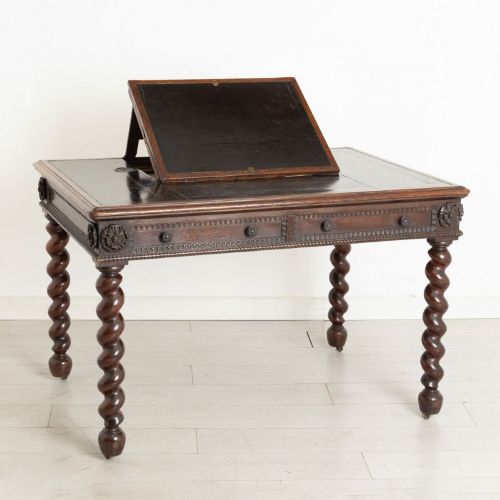
An antique writing slope table unites a writing surface with a table base, designed for correspondence and reading in the study or parlour. These pieces appear in forms such as centre tables, side tables, reading tables, and occasional tables.
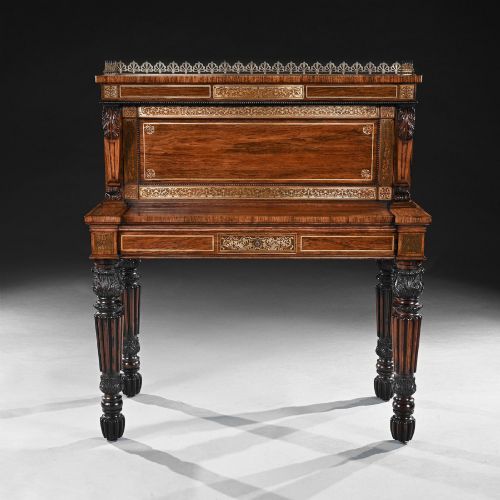
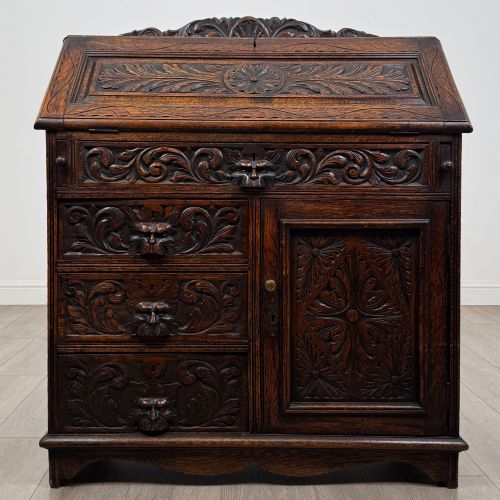
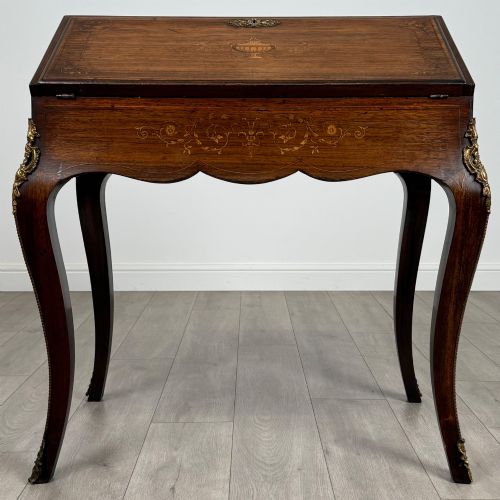
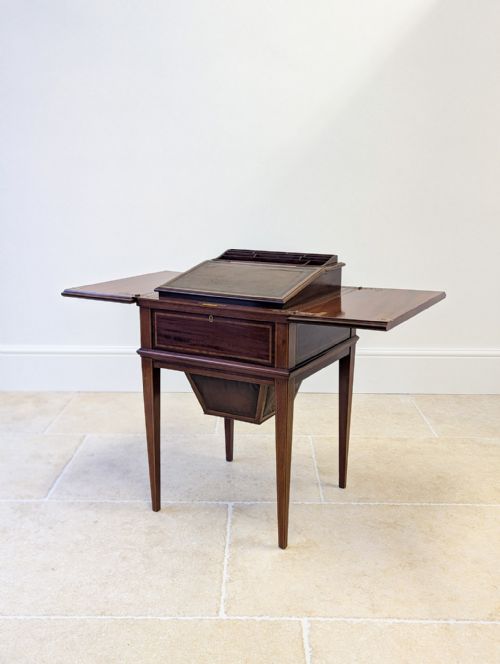
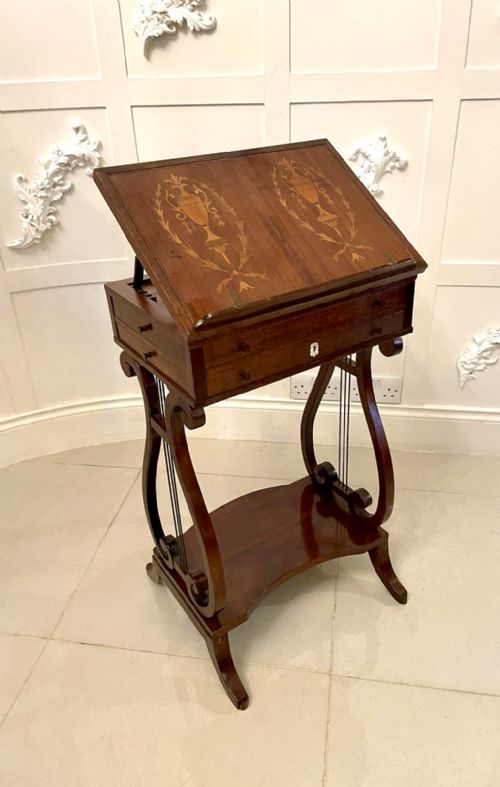
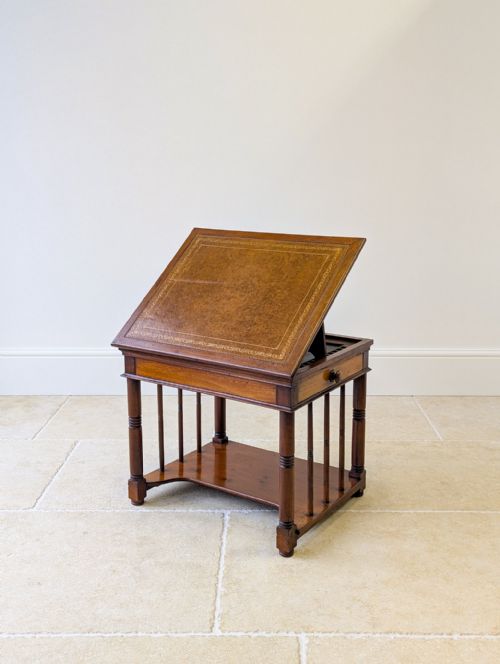
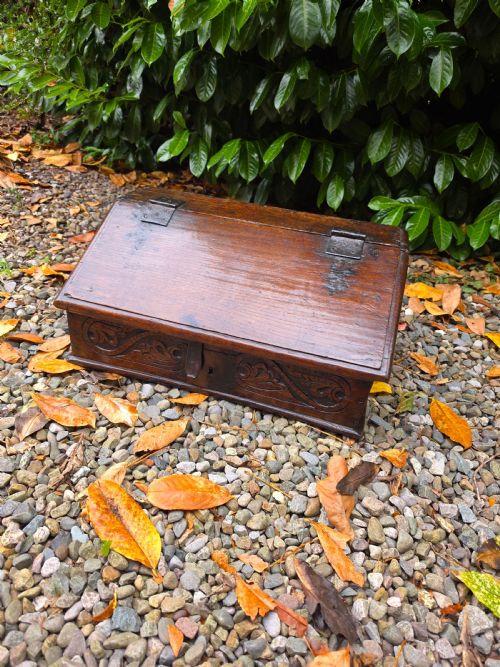
The pieces encountered on this page span the 18th century, the Regency period, and the 19th century, reflecting the prevailing domestic requirements of those eras. Makers constructed them in mahogany, rosewood, and oak, often incorporating adjustable stands or internal writing slopes.
Regency and Georgian examples dominate the selection, showing distinct regional cabinet-making traditions and architectural proportions. A buyer will find both dedicated writing desks and multi-functional work tables equipped with slope mechanisms.
Materials and Construction
Cabinet-makers relied heavily on solid hardwoods like mahogany and rosewood, frequently enhanced by mahogany veneer over secondary timbers. Boxwood and ebony stringing often provided linear contrast, while leather inserts formed the primary writing surface.
Brass fittings, including hinges, locks, and casters, secured movable components and allowed smooth operation of folding writing slopes and adjustable reading stands. Structural integrity depended on traditional joinery techniques suited to the stresses of daily writing and reading.
Retail Price Guide 2026
Typical UK retail prices for writing slope table, calculated from the Sellingantiques database of over a million retail prices indexed since 2003. This retail price guide relies exclusively on Sellingantiques data; no external sources or auction records are used, so the figures do not describe the wider market.
One recorded table arrived directly from the house of peers.
Judging Quality
Quality rests upon the selection of timber grain, the precision of secondary veneers, and the restraint applied to decorative stringing like boxwood and ebony. Superior examples display thoughtful integration of mechanical reading stands and slope mechanisms within the overarching architectural design of the table.
The refinement of brass hardware and the crispness of edge moulding distinguish superior workshop production from standard commercial output. A well-executed piece maintains structural harmony whether the slope is closed for display or opened for use.
Gillow Lancaster
The Antique Writing Slope Table Glossary
- Centre Table
- A piece of furniture finished on all sides to stand free in the middle of a room rather than against a wall. These frequently served multiple domestic functions in larger reception rooms.
- Reading Table
- A specialised table featuring an adjustable bookrest or rising top designed to hold folios and volumes at a readable angle. They became particularly popular during the Regency period.
- Stringing
- Inlay work consisting of thin, contrasting strips of wood, such as boxwood or ebony, embedded into the primary timber surface to create decorative borders. This technique highlights the geometric lines of the table top.
Frequently Asked Questions
What is a writing slope table?
A writing slope table is a piece of furniture that combines a stable table base with a dedicated writing surface, often featuring an inclined panel for letters and ledgers.
These tables were essential fixtures in period homes, providing a convenient place for correspondence before the widespread use of fitted study furniture.
How do I use one today?
These tables function effectively as compact desks for laptop use, writing, or displaying open books on an adjustable reading stand.
Their historical proportions allow them to fit comfortably into modern studies, living rooms, or hallways as both decorative and practical surfaces.
Which woods are most common?
Mahogany and rosewood appear most frequently in the surviving record, often enhanced with mahogany veneer and contrasting stringing.
Cabinet-makers selected these dense hardwoods for their durability and rich grain patterns, which polished to a deep lustre.
How do I identify a Regency piece?
Regency tables typically display classical architectural influences, balanced proportions, and restrained brass mounts or stringing.
They often incorporate functional innovations such as adjustable reading stands or multi-purpose compartments for sewing and writing.