





Antique Architect Table
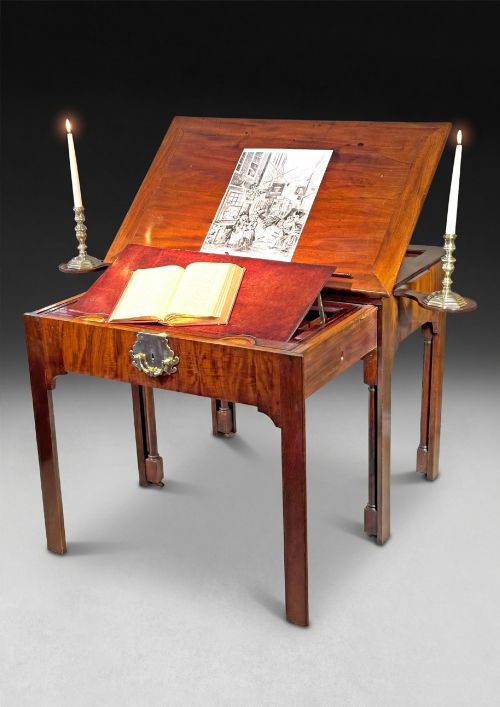
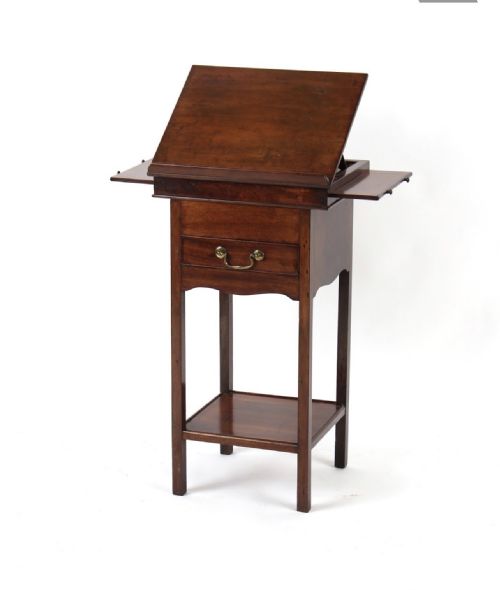
An antique architect table is a functional workspace designed for drafting and drawing, prized for adjustable surfaces and fitted storage.
Antique Architect Table
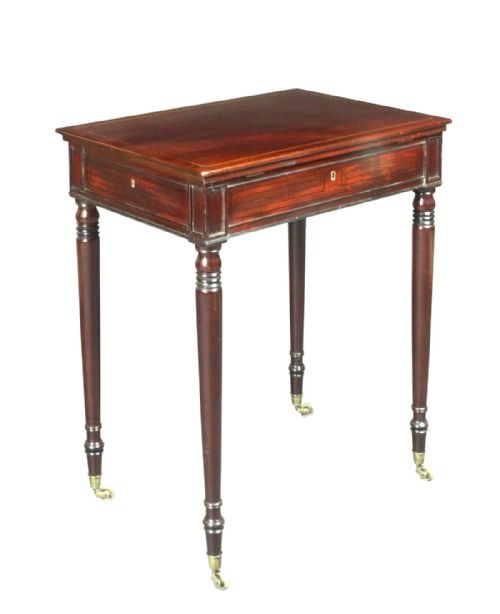
An antique architect table provides a dedicated surface for drawing, reading, and drafting plans. Buyers seeking an antique architect table encounter forms ranging from pedestal desks to reading tables and lift-over folio stands.
The pieces appearing here span the eighteenth and nineteenth centuries, taking in Georgian, Regency, and Victorian periods. Mahogany and oak dominate the selection, alongside rosewood and walnut, frequently fitted with adjustable reading stands and plan drawers.
How they were made
Cabinet makers utilised dense hardwoods such as mahogany and oak, often incorporating rosewood and fruitwood veneers or marquetry inlay. Brass fittings secure adjustable mechanisms, reading ratchets, and plan drawers.
Many examples employ writing surfaces lined in leather, complemented by metamorphic actions that allow surfaces to rise or tilt for draughtsmen and cartographers.
Antique Architect Table Retail Price Guide 2026
Typical asking prices for architect table among the pieces listed under this phrase on Sellingantiques today, from the lower quarter to the upper quarter. They describe what is for sale here now, not the wider market.
A stable yard hitching post sneaked into the architectural listings, proving that historical builders had a flexible definition of what belongs under a roof.
What varies in quality
The grade of timber selection sets individual pieces apart, with figured mahogany and finely cut marquetry marking out superior examples. Precision in the mechanical ratchets and brass adjustment mechanisms also distinguishes standard utility pieces from workshop commissions.
Maker attribution and the complexity of internal fittings, such as specialised plan drawers and double-sided reading surfaces, elevate the standing of a table within the range.
Edwards & Roberts·Gillows
The Antique Architect Table Glossary
- Metamorphic
- Describing furniture designed to transform its function, such as a table converting into a rising desk or reading stand. These pieces utilise hidden hinges and ratchets.
- Ratchets
- Internal or external wooden and brass mechanisms used to prop up adjustable reading slopes and drawing boards. They allow the user to alter the working angle.
- Plan drawer
- A wide, shallow drawer engineered specifically to store large architectural drawings, maps, and folios flat without folding. They are typically integrated into the frieze or pedestal.
- Marquetry
- Decorative veneer patterns assembled from thin pieces of wood, brass, or other materials to form pictorial or geometric designs on the tabletop.
- Folio table
- A specialised table equipped with surfaces or racks to hold large volumes of unbound paper, prints, and architectural plans.
Antique Architect Table: Frequently Asked Questions
What is an antique architect table used for?
These tables served professionals for drafting, drawing, and reviewing large plans and architectural folios. The adjustable surfaces and reading slopes accommodated detailed paperwork and cartography.
Today, they function effectively as striking writing desks or central library tables in a home study. The integrated drawers and adjustable mechanism offer practical utility for modern working spaces.
How do I identify a Georgian architect table?
Georgian examples frequently feature solid mahogany construction with substantial proportions, often housing wide plan drawers and internal ratchets for tilting the top. Stylistic cues align with eighteenth-century cabinet making.
Look for pegged joints, secondary timbers like oak, and brass hardware appropriate to the period. Many include lift-over actions or reading stands designed for draughtsmen.
Are these tables adjustable?
Many examples incorporate metamorphic actions with wooden or brass ratchets to raise and angle the writing surface. This mechanical adaptability defined their original purpose for drafting.
Surfaces can tilt upward for drawing or lock flat for writing and reading. Buyers should inspect the movement of the ratchets to ensure smooth adjustment.
What woods were used for these desks?
Mahogany is the predominant timber found in these pieces, appearing in figured variations alongside oak and rosewood. Walnut, fruitwood, and satinwood also feature across different periods.
Inlays of marquetry and contrasting veneers add decorative detail to tops and friezes. Secondary woods inside drawers typically consist of oak or pine.