




Antique Artist Easel
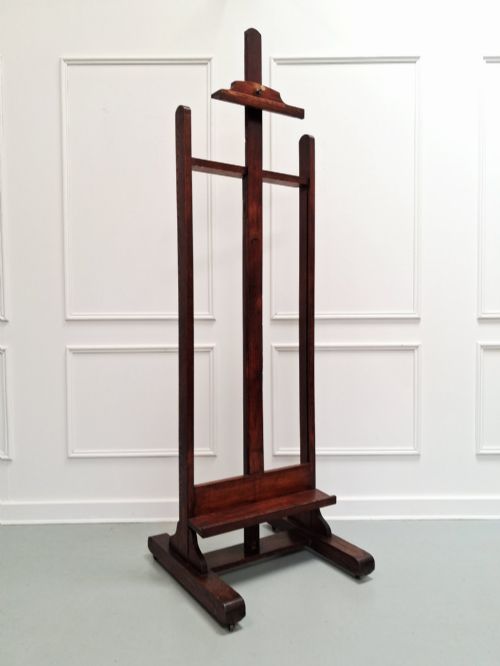
An antique artist easel is a sturdy support for canvas and panel, built to hold working studio paintings securely at comfortable heights.
Antique Artist Easel
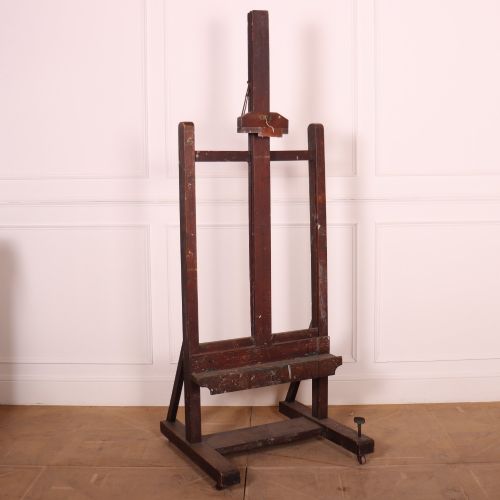
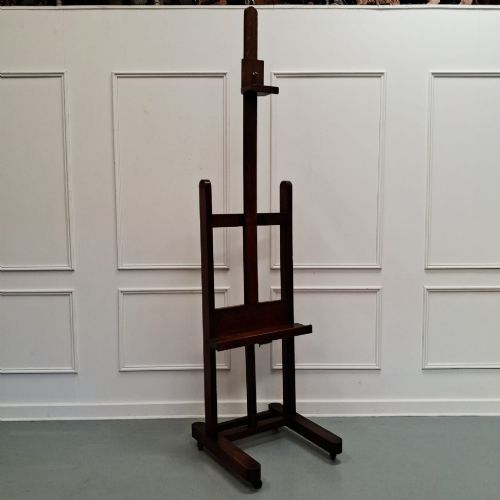
When searching for an antique artist easel, you encounter substantial studio furnishings designed for painters and draftsmen. The pieces available span the nineteenth century and the early decades of the twentieth century, originating from English and French workshops.
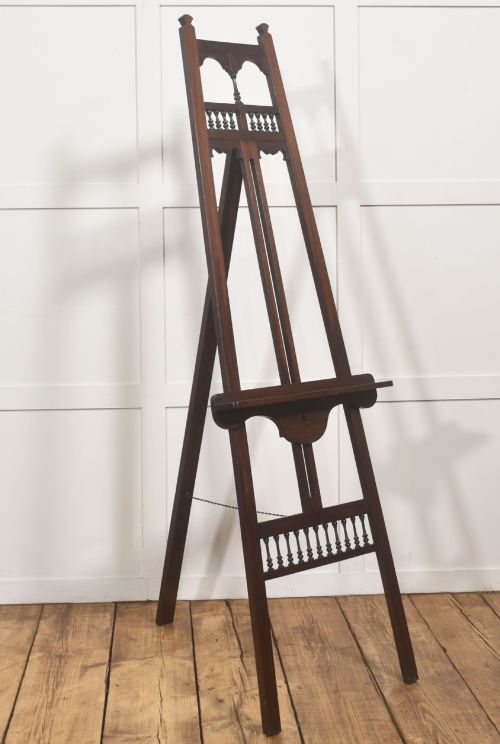
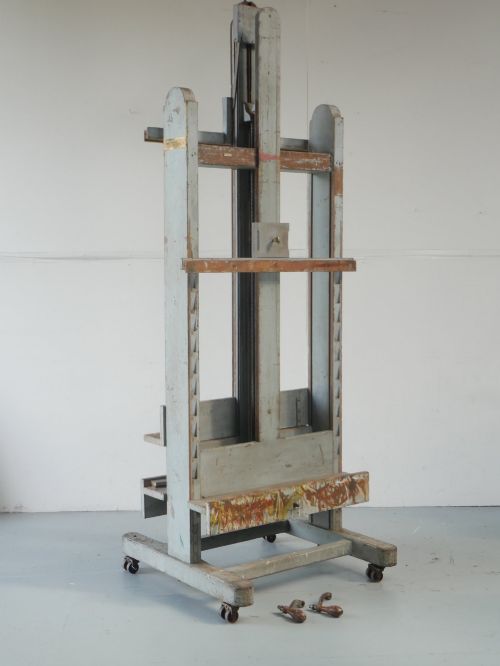
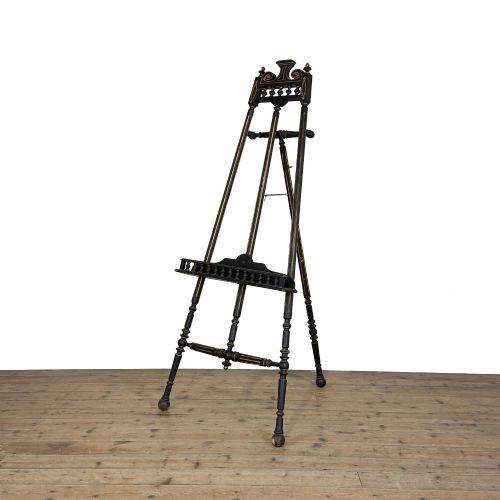
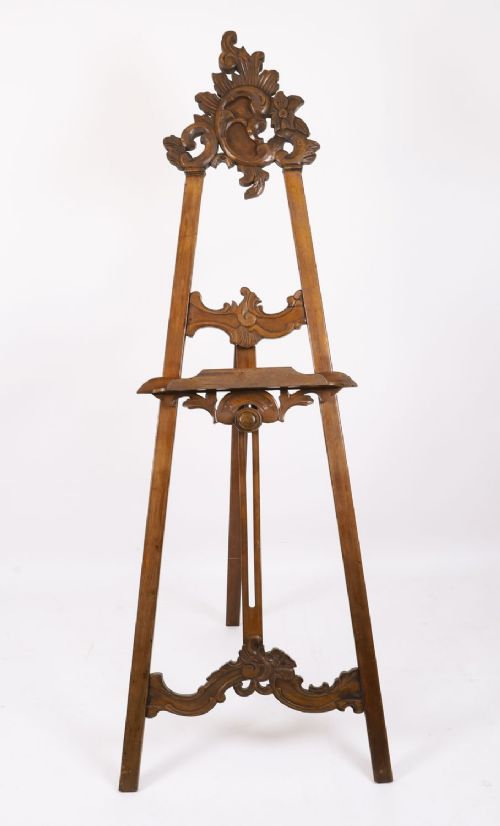
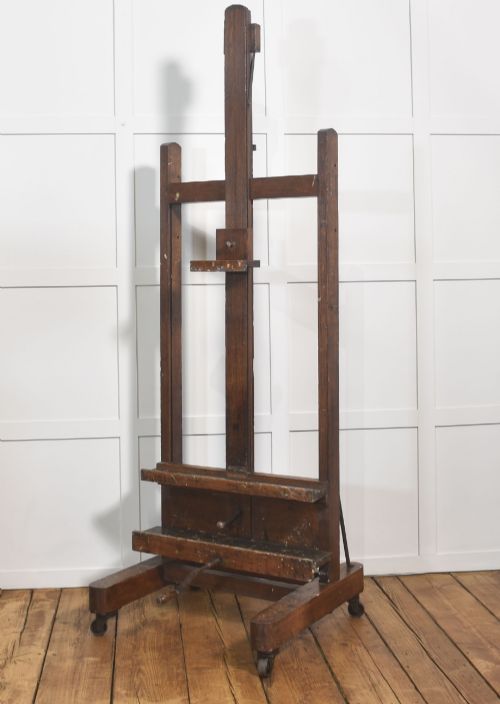
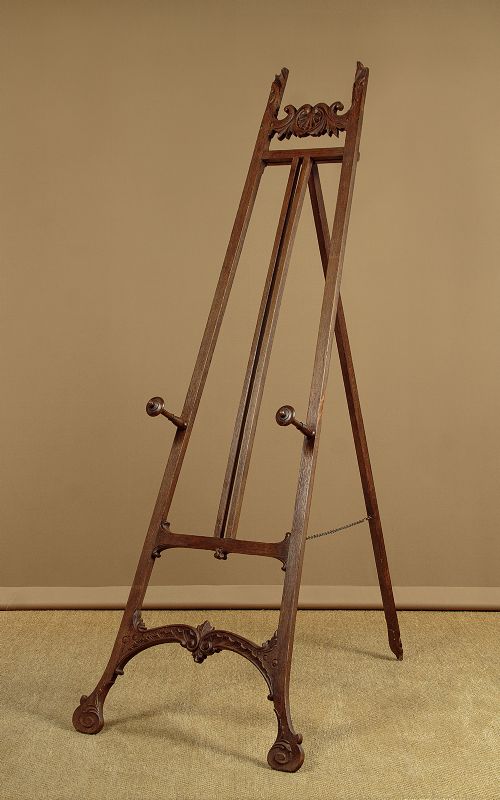
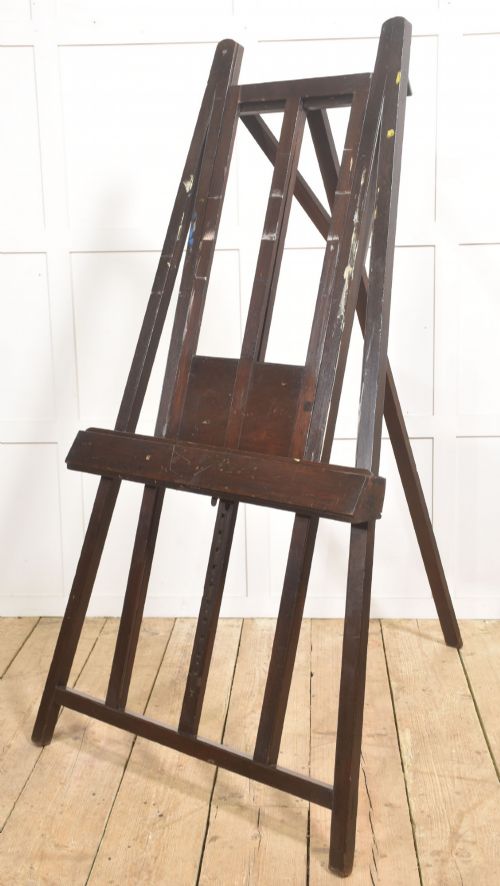
The selection ranges from large freestanding mahogany and oak studio frames down to folding wooden models and portable boxes. Many examples feature adjustable rests and mechanisms to alter the angle and height of the working canvas.
How they were made
Makers utilised dense hardwoods including oak, mahogany, pitch pine, satinwood, walnut, beech, and elm. Metal components, iron brackets, and brass binding frequently reinforce joints and adjustment mechanisms on heavier studio models.
Construction methods focus on functional utility, employing sturdy framing, H-frames, and sliding winch or peg mechanisms. Portable variants integrate storage compartments for painting materials within folding wooden cases.
Antique Artist Easel Retail Price Guide 2026
Typical asking prices for artist easel among the pieces listed under this phrase on Sellingantiques today, from the lower quarter to the upper quarter. They describe what is for sale here now, not the wider market.
Recorded materials span oak, mahogany, pitch pine, metal, and iron across French and English origins.
What varies in quality
Superior quality rests upon the choice of timber and the precision of the adjustment engineering. Robust hardwoods like oak and mahogany with complex winch or rack-and-pinion height controls represent the finer end of production.
Simpler folding pine or beech frames sit at the utilitarian end, whilst specialist pieces by named purveyors command greater attention for their branded hardware and refined joinery.
Lechertier & Barbe·Winsor & Newton·Roberson & Co·C. Roberson & Co Ltd·Reeves & Son London
The Antique Artist Easel Glossary
- H-Frame
- A structural form shaped like the letter H, providing rigid vertical support for large canvases on heavy studio pieces.
- Chevalet
- The French term for an easel, frequently applied to continental models encountered in walnut or oak.
- Rest
- The adjustable wooden ledge that supports the lower edge of a painting during work.
- Studio easel
- A large, non-portable floor-standing support designed for permanent indoor painting spaces rather than field work.
Antique Artist Easel: Frequently Asked Questions
How do I adjust the height?
Most wooden examples use sliding central masts secured by wooden pegs, metal pins, or internal winch mechanisms.
Heavier studio versions rely on crank handles to raise and lower the canvas carriage smoothly.
Were these used for display or work?
The pieces originate as practical furniture built to hold active paintings during creation in artist studios.
Today, their sturdy construction and adjustable proportions make them well suited for displaying finished artworks in homes.
What woods are most common?
Oak and mahogany appear frequently across English and French nineteenth-century studio models.
Pitch pine, beech, and walnut also feature in various regional formats and folding designs.
Can these hold heavy framed canvases?
Large nineteenth-century studio models in oak or pitch pine provide immense stability for substantial works.
Portable folding variants suit lighter boards and smaller canvases rather than massive framed oils.