





Dark Wood Lectern
A dark wood lectern brings substantial presence and functional craftsmanship to a room, offering a dedicated architectural surface for books and music.
Dark Wood Lectern
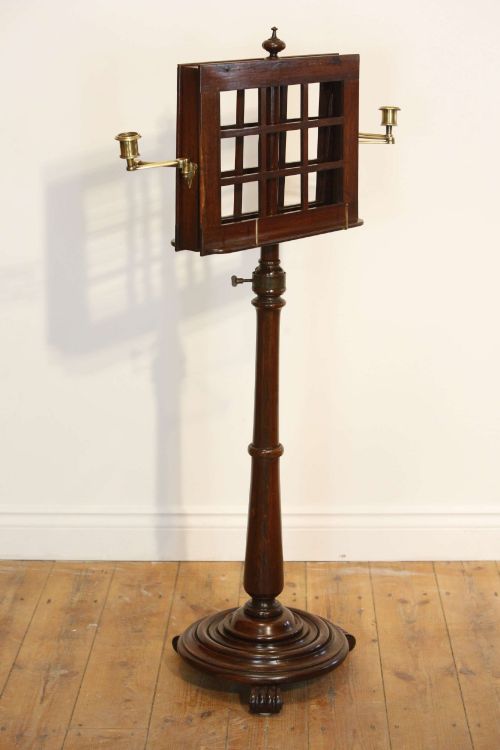
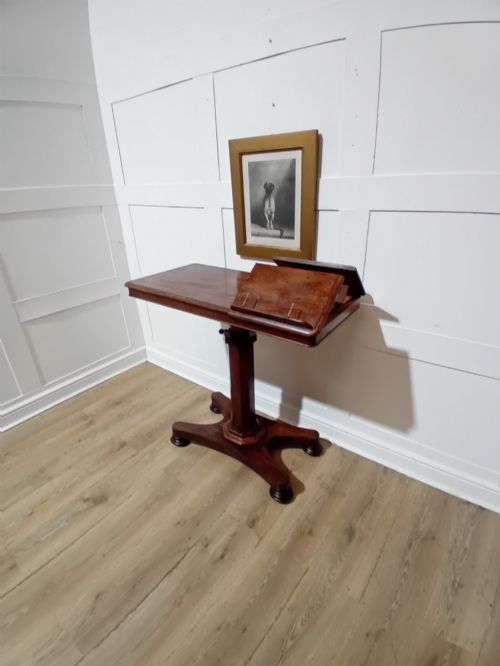
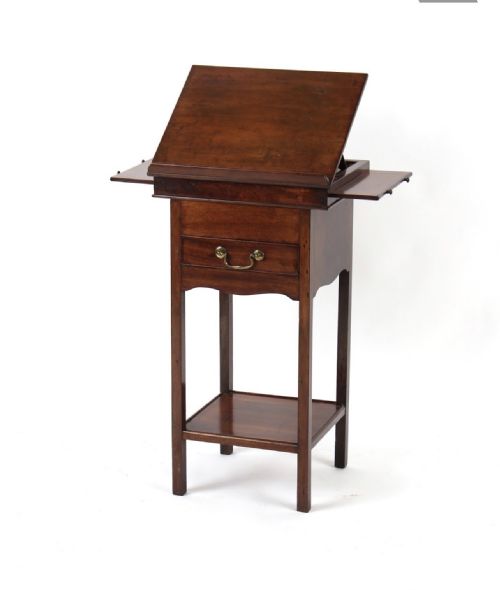
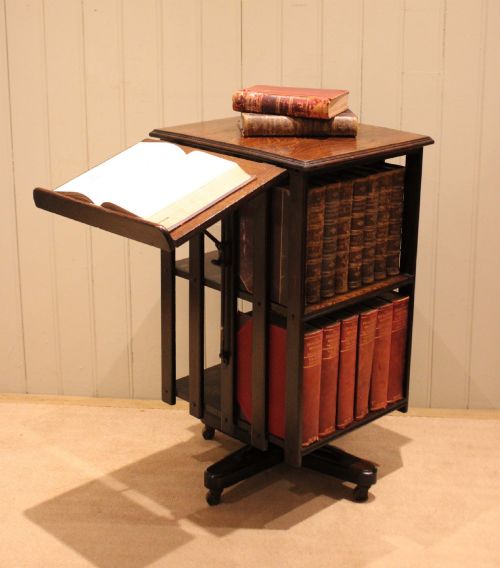
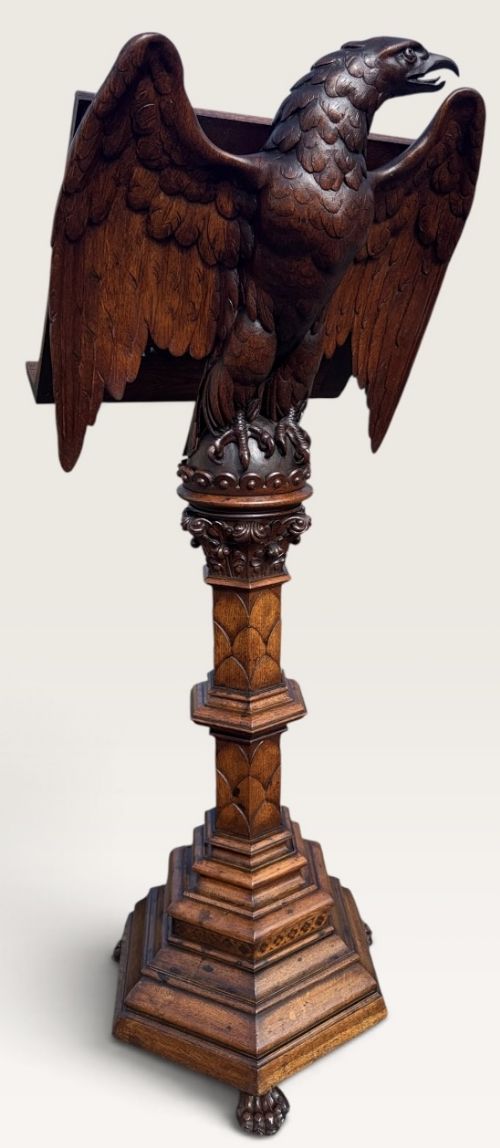
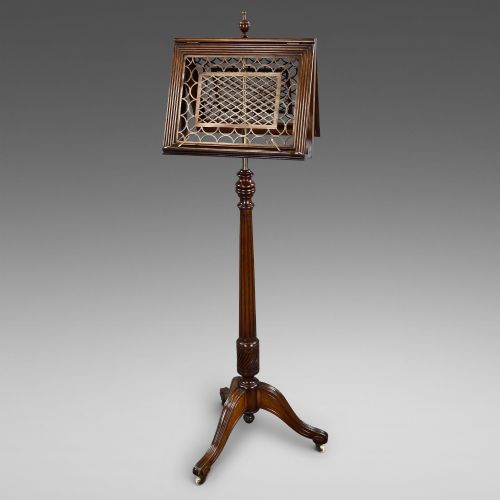
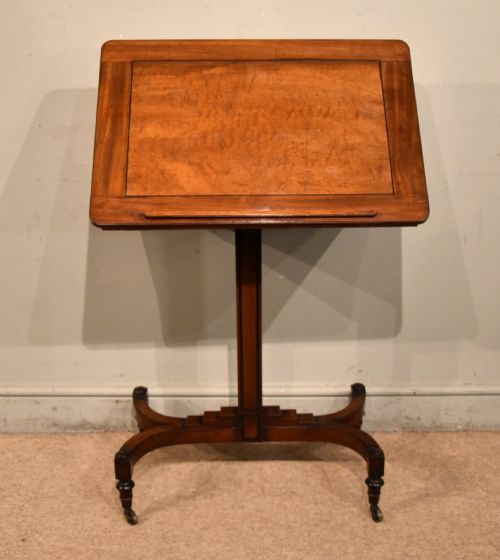
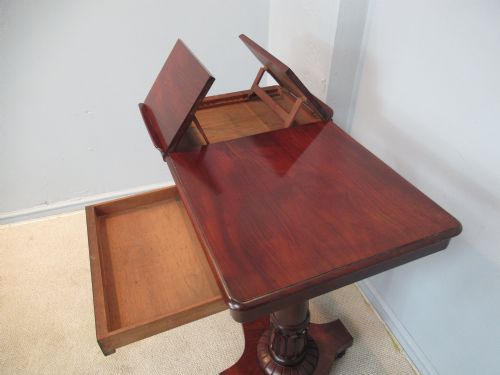
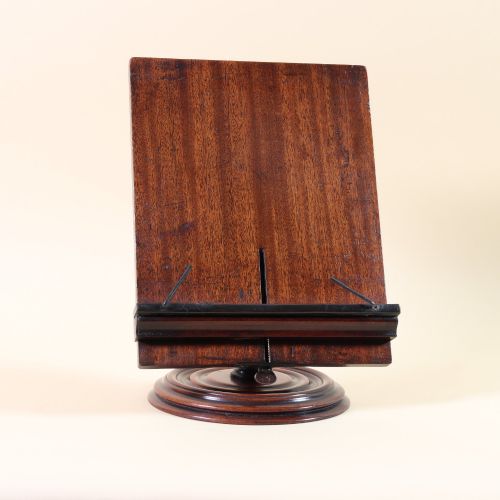
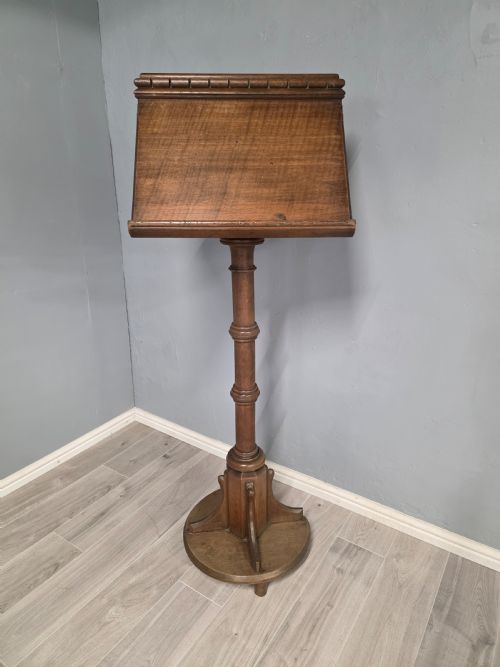
When searching for a dark wood lectern, a buyer encounters pieces primarily spanning the eighteenth and nineteenth centuries, including Victorian, Regency, and William IV periods. These take the form of music stands, book stands, reading tables, prayer desks, and traditional lecterns designed for ecclesiastical or domestic use.
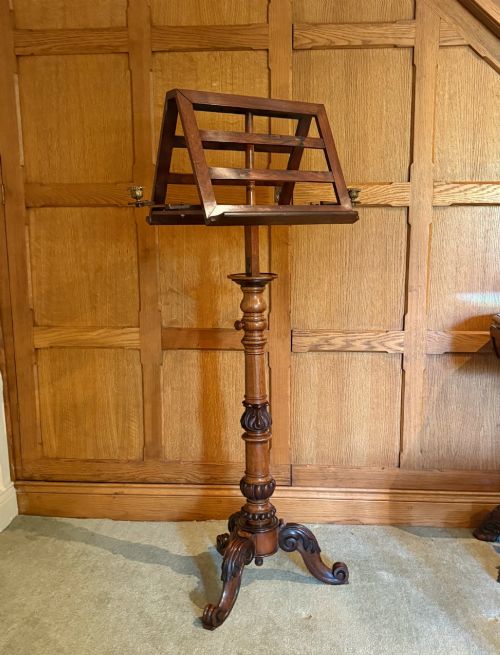
The version most commonly met on this page is the nineteenth-century mahogany or oak reading stand, often featuring adjustable mechanisms or tripod bases. Surviving examples range from Gothic Revival church furnishings to refined rosewood duet stands intended for the parlour or study.
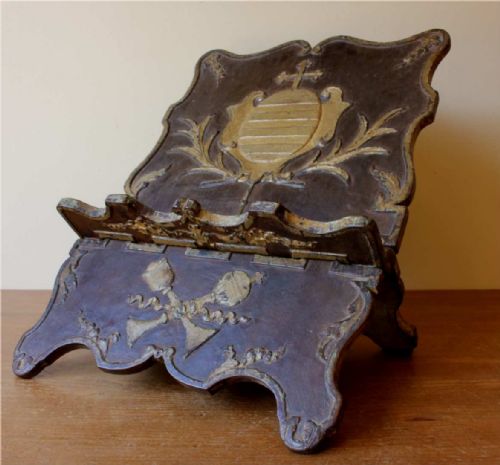
Origins vary from English workshops to French and Italian makers, encompassing diverse expressions such as French Baroque, Anglo-Indian, and Arts and Crafts styles. Each piece serves primarily to support texts at a functional angle, whether for personal scholarship, prayer, or musical performance.
What varies in quality
The distinction between ordinary and exceptional pieces lies in the crispness of the carving, the architectural harmony of the proportions, and the smoothness of the mechanical adjustments. Superior examples demonstrate precise joinery and well-figured timber that has aged gracefully without loss of structural integrity.
Refinement in secondary details, such as brass fittings, fretted music ledges, or thoughtful turnings on a tripod base, elevates a standard reading stand to a work of distinguished cabinet-making. The integrity of the original mechanism for height and angle adjustment remains a primary indicator of thoughtful initial manufacture.
Dark Wood Lectern Retail Price Guide 2026
Typical asking prices for dark wood lectern among the pieces listed under this phrase on Sellingantiques today, from the lower quarter to the upper quarter. They describe what is for sale here now, not the wider market.
Design influences range from Regency and William IV to Gothic Revival, Arts and Crafts, and French Baroque styles.
GILLOWS
The Dark Wood Lectern Glossary
- Duet stand
- A music stand or reading stand wide enough to accommodate two scores side by side. These pieces often feature adjustable double desks supported on a central pillar.
- Gothic Revival
- An architectural and decorative style popular during the nineteenth century that mimics medieval forms. Pieces in this style frequently display pointed arches, trefoils, and heavy carved oak.
- Reading table
- A versatile piece of furniture combining a stable base with an adjustable or fixed top designed for holding books. They appear frequently in nineteenth-century domestic interiors for study or leisure.
- Prayer desk
- An ecclesiastical furniture form incorporating a sloped desk surface for a missal or Bible alongside a kneeling platform. These are typically constructed from solid oak and date from the nineteenth century or earlier.
- Tripod base
- A three-legged support structure commonly found on nineteenth-century music stands and reading tables. This design ensures stability on uneven floors while allowing freedom of movement.
Dark Wood Lectern: Frequently Asked Questions
What is the difference between a lectern and a music stand?
A lectern typically refers to a heavier reading desk designed for holding service books, lectures, or heavy volumes, often featuring a fixed or sloping top at standing height.
Music stands and duet stands generally prioritise adjustable heights and lighter, pivoting surfaces specifically engineered to hold sheet music for performers.
How do I use a reading stand in a modern home?
These pieces function exceptionally well in studies, libraries, or living rooms as display surfaces for large art books, family Bibles, or atlases. They also serve practical roles as music stands or tablet holders.
Positioning a reading stand near a comfortable chair creates a dedicated, ergonomic space for reading without cluttering primary surfaces.
How do I identify a Regency period reading stand?
Regency stands often exhibit clean classical lines, dark mahogany timbers, and sophisticated brass adjustment mechanisms reflecting early nineteenth-century design tastes.
Look for robust tripod bases, reeded columns, and restrained decorative elements that favour proportion over heavy ornamentation.
Were all these stands made for churches?
While ecclesiastical pieces like prayer desks and church lecterns certainly exist within this category, the vast majority of music stands and reading tables were produced for domestic use in parlours and libraries.
Ecclesiastical examples generally feature explicit religious iconography or heavy Gothic Revival styling, whereas domestic pieces focus on adjustable comfort for the private scholar or musician.