

Victorian Reading Desk
A victorian reading desk brings together practical library seating, adjustable stands and weighted desk accessories designed for heavy nineteenth century volumes.
Victorian Reading Desk
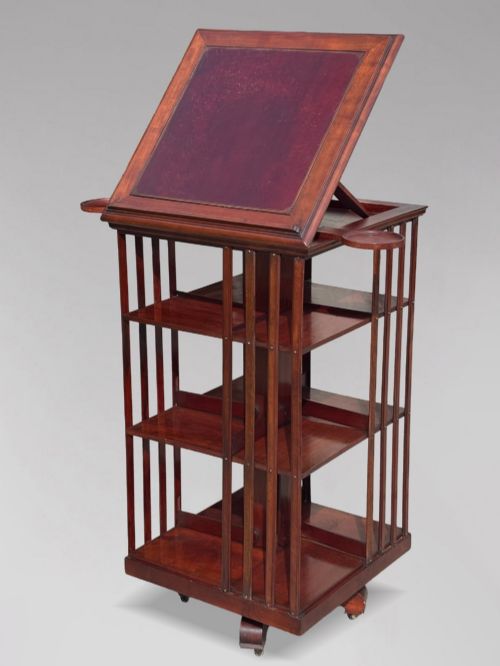
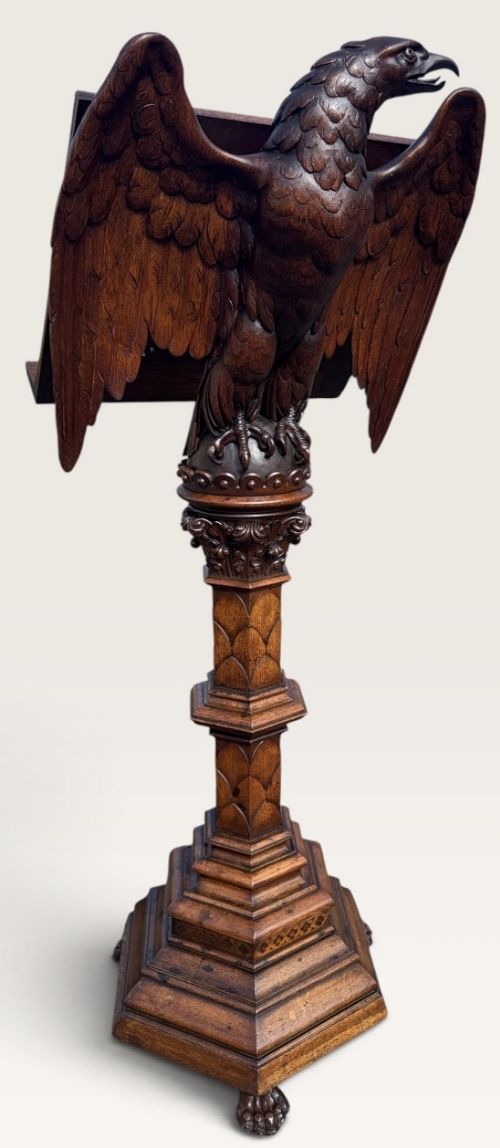
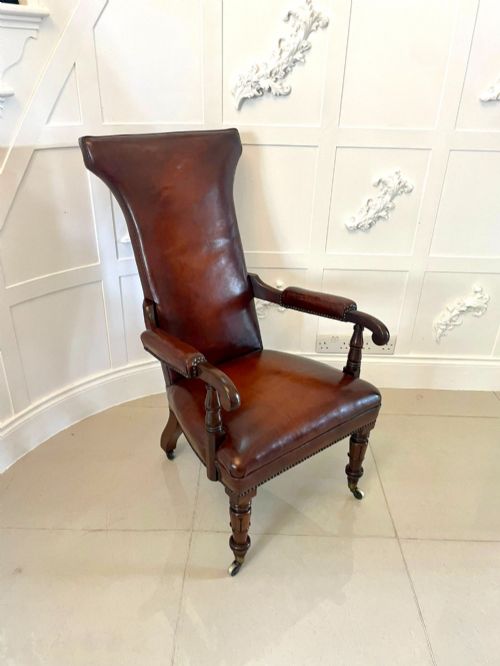
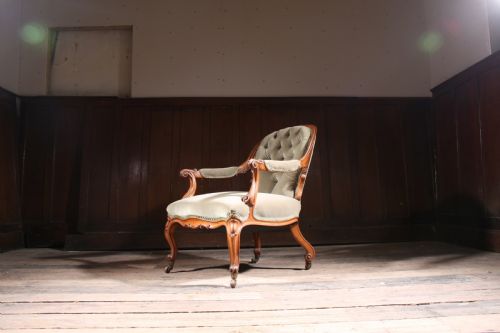
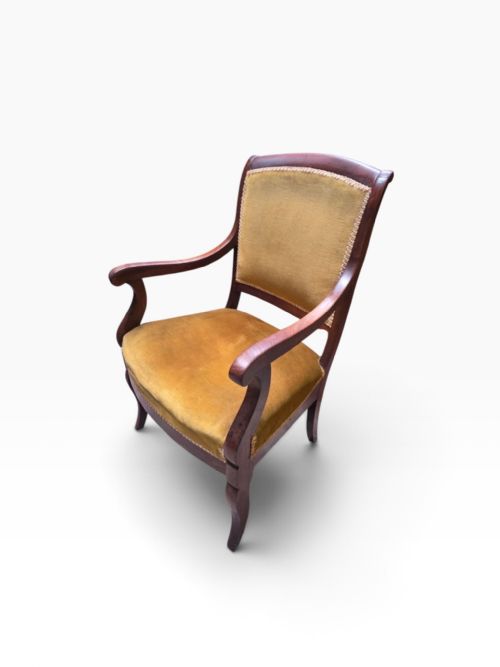
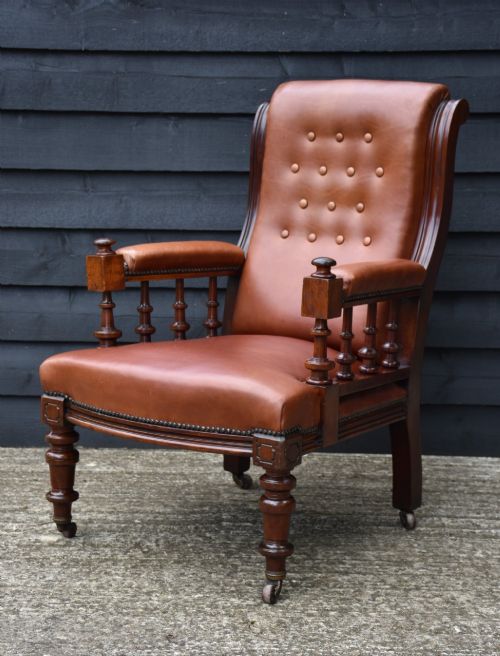
A victorian reading desk encompasses a broad selection of library armchairs fitted with pivoting book rests, alongside heavy mahogany tables, oak lecterns and brass student lamps. These furnishings originated in nineteenth century domestic libraries, studies and institutional reading rooms where heavy bound volumes required sturdy support.
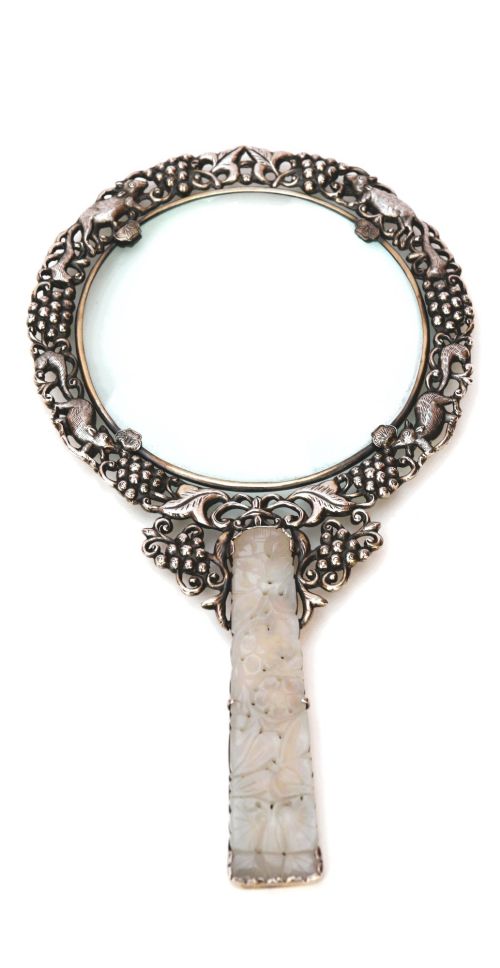
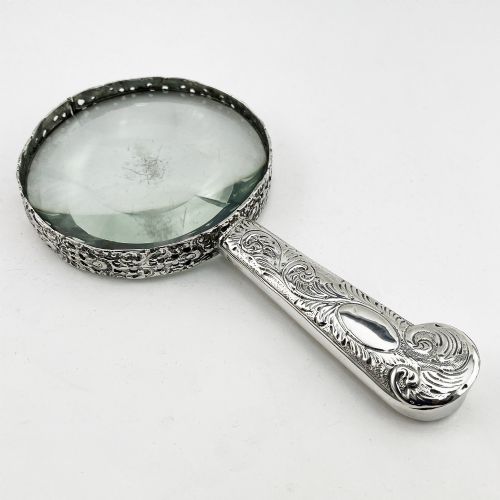
Buyers encountering this phrase meet a mix of specialised seating and desktop accessories, ranging from revolving bookstands and carved podium menu stands to silver plated magnifying glasses and tortoiseshell page turners. The forms bridge comfortable domestic seating with mechanical utility, often combining mahogany or oak frames with adjustable brass fittings and leather upholstery.
How they were made
Cabinet makers utilised dense hardwoods such as mahogany, oak, rosewood and burr walnut, fashioning frames with spindle backs, reeded columns and carved or turned supports. Leather and fabric upholstery added durability to library armchairs and desk chairs, secured with traditional tinned or brass tacks.
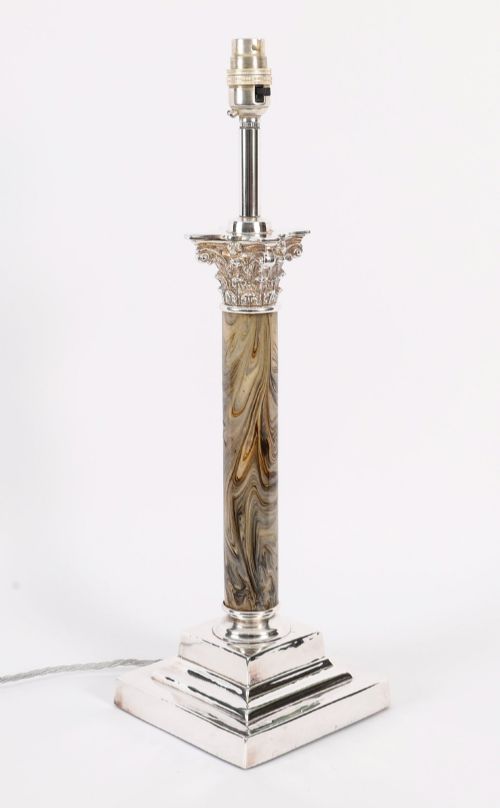
Metal components relied on cast iron, ormolu, silver plate and solid brass, particularly in adjustable table lamps, reading stands and magnifying glasses. Woodwork often featured pegged joints and turned spindles typical of nineteenth century workshop production.
Materials span brass, mahogany, oak, silver plate, ormolu, leather, glass and tortoiseshell across the nineteenth and early twentieth centuries.
What varies in quality
Quality rests in the precision of the mechanical adjustments, the integrity of the timber and the integration of auxiliary reading surfaces. Superior library chairs incorporate robust pivoting wooden arms or brass swing-out book stands that lock firmly into position without wobble.
Material selection and decorative carving also separate standard utility items from high workshop production. Fine examples display carefully matched grain in golden oak, mahogany or burr walnut, alongside heavy cast brass columns and crisp ormolu detailing rather than light pressed sheet metal.
W.A.S. Benson·C. Hindley & Sons·Osborne Garrett & Co
The Victorian Reading Desk Glossary
- Lectern
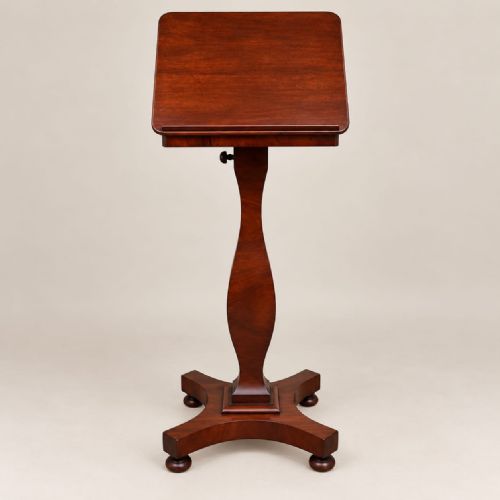
- A stand with a sloping top used to hold a book or lecture notes at a reading height. These appear in small desktop formats as well as freestanding oak church furniture.
- Page turner
- A hand-held implement fashioned from materials like tortoiseshell and silver, designed to turn book leaves without creasing the paper. They reflect the refined accessories of a nineteenth century study.
- Ormolu
- Gilt bronze ornamentation applied to furniture mounts and table lamps. The technique involves coating metal in a finely ground gold-mercury amalgam before firing.
- Corinthian column
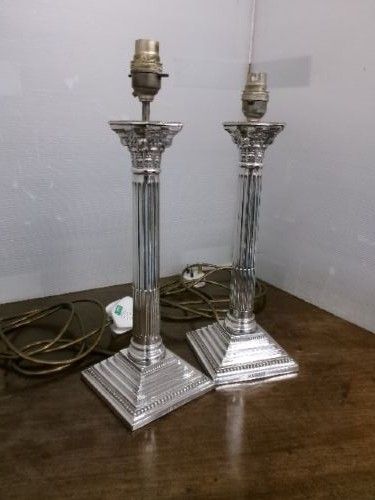
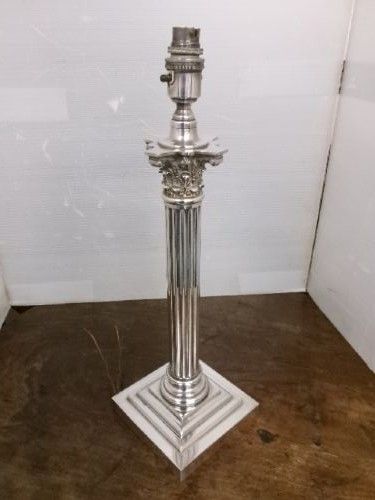
- A classical architectural column style featuring ornate acanthus leaves on the capital, frequently imitated in brass table lamps from the nineteenth and twentieth centuries.
- Revolving bookstand
- A compact rotating case designed to sit on a desk or floor to hold a ready selection of reference volumes. They often employ burr walnut or mahogany construction.
Victorian Reading Desk: Frequently Asked Questions
Where did desktop book rests go?
Desktop book rests were placed on large library tables or desks to hold heavy ledgers, Bibles or dictionaries at an ergonomic reading angle. Their folding struts allowed the user to adjust the slope according to the weight of the book.
Today, these rests serve as display stands for open volumes or sheet music in a study or living room. They fold flat when not in use, making them versatile desk accessories.
What is a student lamp?
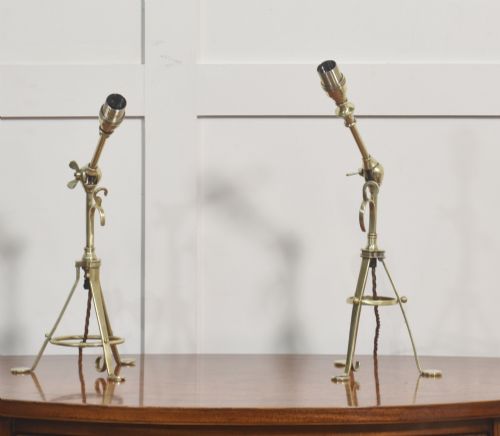
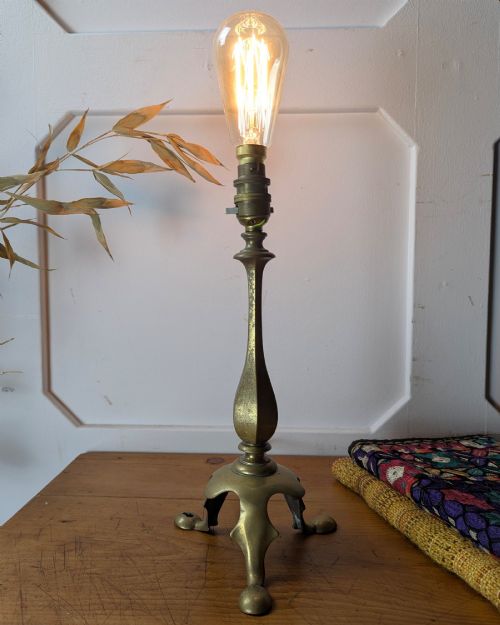
A student lamp is a heavy metal desk light, often cast in brass with a single burner or electric fitting, designed to concentrate light over reading material. The weighted bases and adjustable stems provided stable illumination for long hours of study.
These lamps look striking on partner desks and side tables. Their multi-angled frames allow direct positioning of light over books and papers.
How do I care for leather upholstery?
Library armchairs often feature deep buttoned leather inserts that require gentle cleaning and periodic conditioning to prevent cracking. Use a soft, damp cloth for dusting and apply specialist leather balm sparingly.
Avoid placing these chairs in direct sunlight or near heat sources, which dry out nineteenth century hide. Preserving the natural surface maintains the character of the piece.