



Antique Invalid Table
An antique invalid table solves a domestic mobility problem with clever engineering and solid timber.
Antique Invalid Table
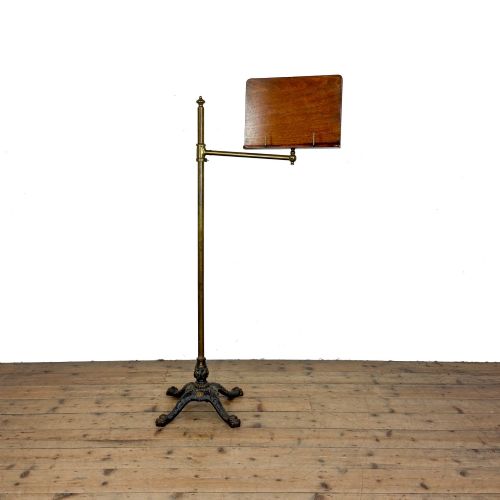
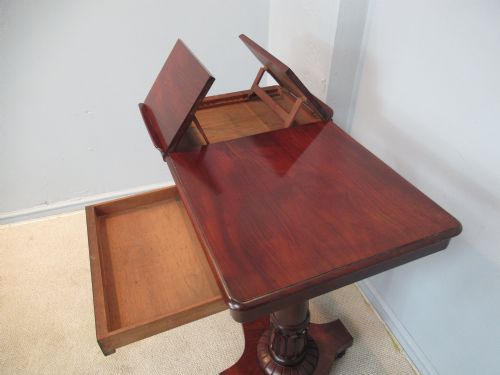
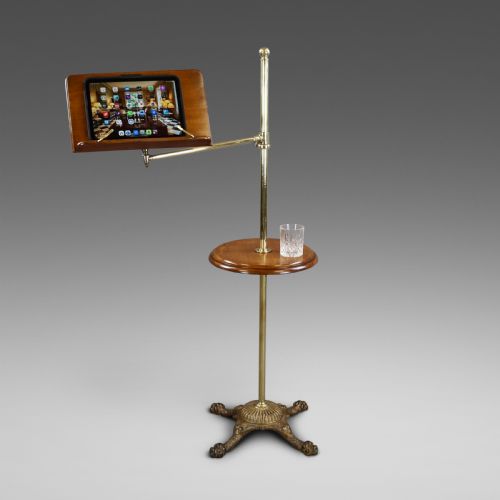
An antique invalid table is a specialised piece of furniture designed to support reading, writing, or dining from a bed or armchair. You encounter forms such as adjustable reading stands, lecterns, and over bed tables spanning the Regency to Art Deco periods.
The versions you meet most frequently on this page date from the Victorian and Edwardian eras, constructed to serve domestic nursing and study needs. These functional items combine mechanical adjustments with traditional cabinetry.
Makers designed these objects to tilt, raise, or cantilever over seating furniture, offering adjustable surfaces for daily use. Their survival reflects a strong demand for ergonomic assistance in nineteenth and early twentieth-century homes.
How they were made
Carpenters utilised timbers such as mahogany, oak, walnut, and pine for the main surfaces and tiered book ledges. These woods were joined to robust mechanical frames made from brass, cast iron, and chrome.
Makers integrated ratchets, screws, and cantilever mechanisms to allow height and angle adjustment of the top boards. Heavy cast iron bases provided stability when the tables extended outward over a bed or chair.
Antique Invalid Table Retail Price Guide 2026
Typical asking prices for invalid table among the pieces listed under this phrase on Sellingantiques today, from the lower quarter to the upper quarter. They describe what is for sale here now, not the wider market.
Some nineteenth-century readers clearly suffered from neck strain, judging by the multitude of brass ratchets on these tables.
What varies in quality
The sophistication of the mechanical adjustment mechanism dictates the upper tier of quality. Superior examples feature smooth ratchets and reliable locking joints that operate without binding.
Material selection and patent provenance separate standard workshop production from notable makers. Pieces bearing stamped manufacturing names demonstrate finer timber selection and more durable ironwork.
Carters Of London
The Antique Invalid Table Glossary
- Cantilever
- A rigid structural element that extends horizontally and is supported at only one end. This design allows the table surface to project over a bed or chair without front legs.
- Lectern
- A slanted reading desk designed to hold a book or manuscript at an ergonomic angle. These stands frequently incorporate adjustable heights and wooden ledges to keep volumes secure.
- Ratchet
- A mechanism consisting of a cogwheel and pawl that allows continuous linear motion in only one direction. In these tables, a ratchet controls the precise angle of the tilting reading top.
- Over bed table
- A freestanding furniture piece featuring a high clearance frame designed to span a mattress. Users pull the surface across the bed for writing or eating.
Antique Invalid Table: Frequently Asked Questions
What is an invalid table?
An invalid table is an adjustable piece of furniture designed to hold books, writing materials, or meals for someone confined to a bed or chair.
These pieces use mechanical stands and tilting tops to bring the working surface directly to the user.
How do you adjust the height?
Adjustment typically relies on a central metal screw column or a ratcheted cantilever mechanism operated by hand.
Turning the handle or releasing the catch allows the wooden top to move up or down before locking into position.
What woods were used?
Cabinetmakers built these tables using durable hardwoods like mahogany, oak, and walnut for the visible surfaces.
Pine and secondary timbers also appear in internal framing or simpler utilitarian examples.
Can these be used today?
These pieces function well as modern reading stands, laptop desks, or side tables in a study or living room.
Their adjustable height and tilting tops suit contemporary armchair use just as well as Victorian nursing care.