

Edwardian Reading Desk
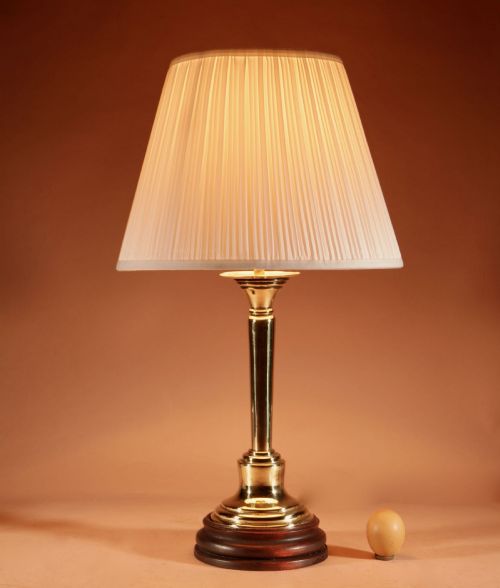
These pieces for an edwardian reading desk range from brass lighting to revolving bookcases, built to serve the studious reader.
Edwardian Reading Desk
An edwardian reading desk brings together diverse functional pieces designed for study and library use. The selection spans the Edwardian era alongside Victorian, Georgian, and Regency periods.
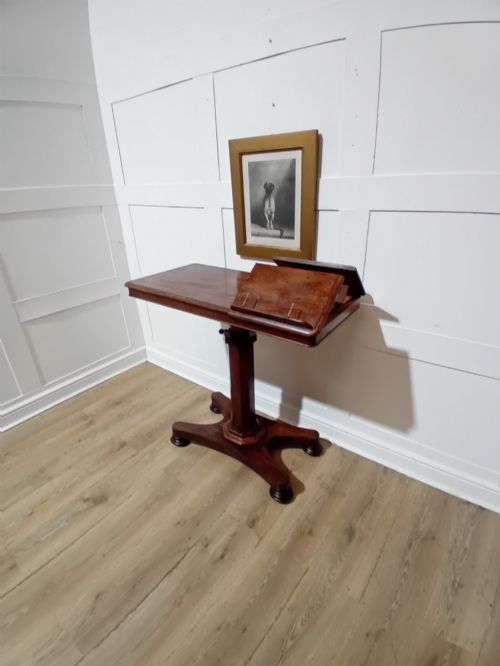
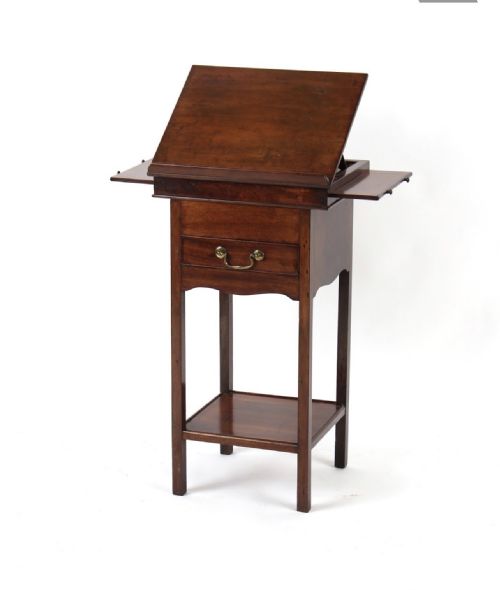
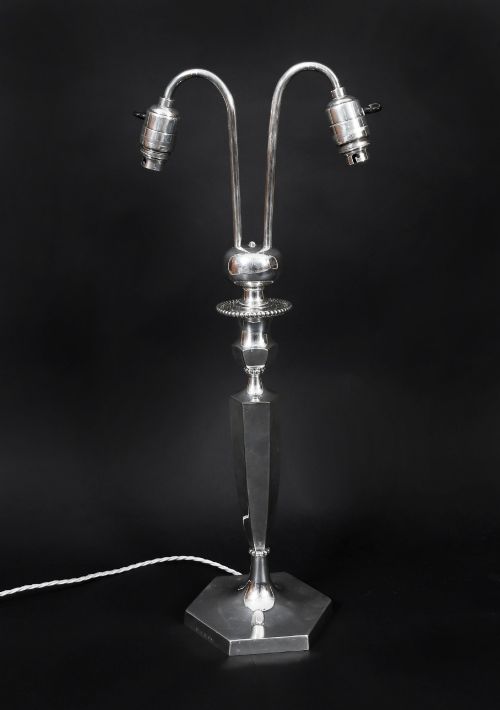
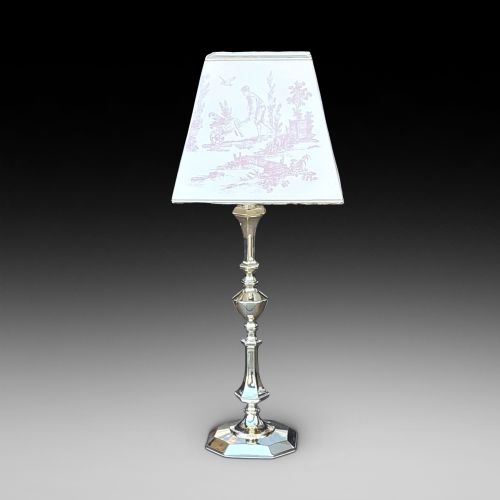
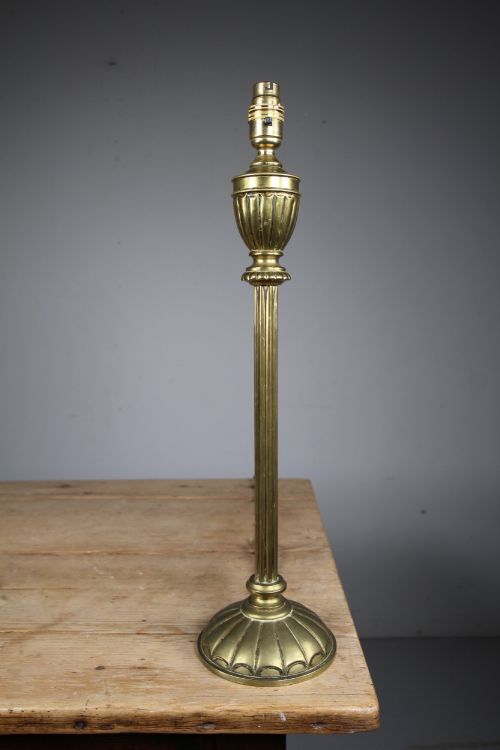
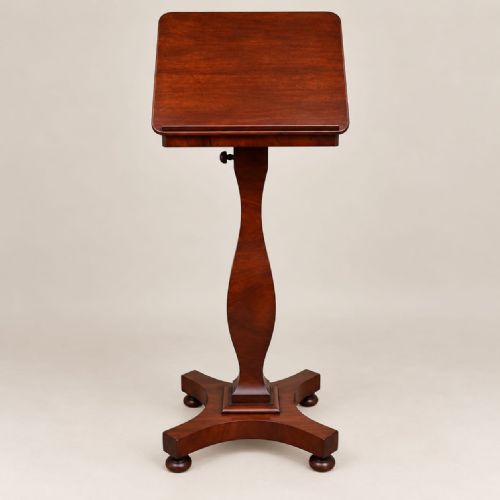
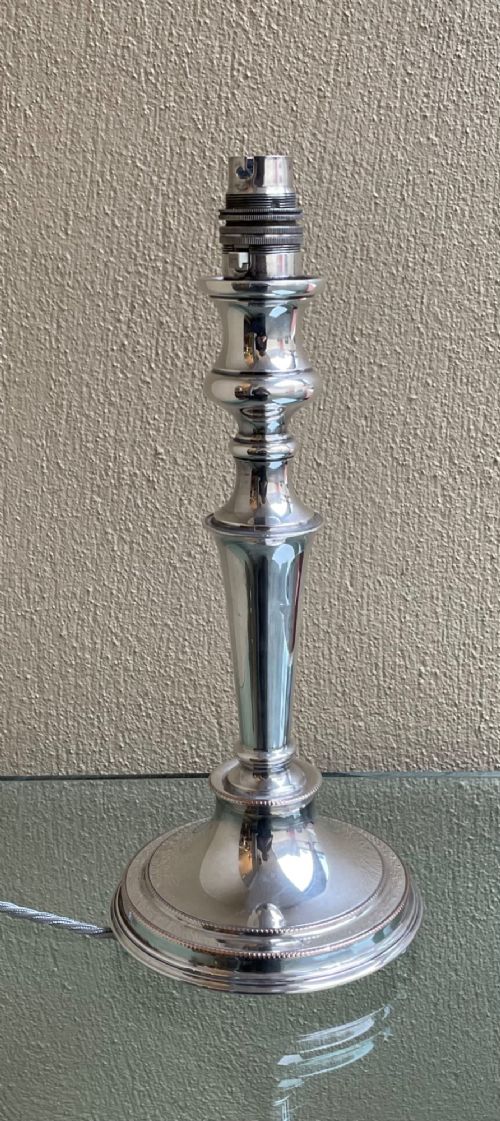
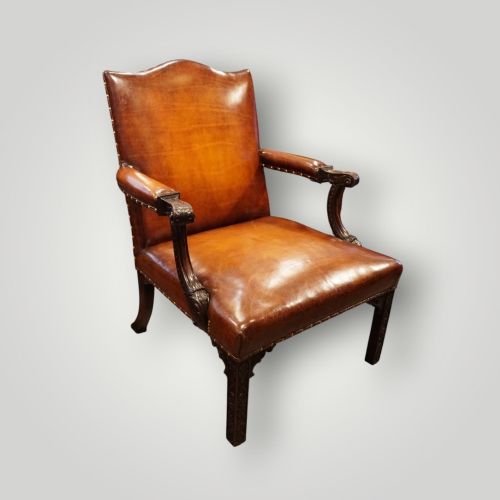
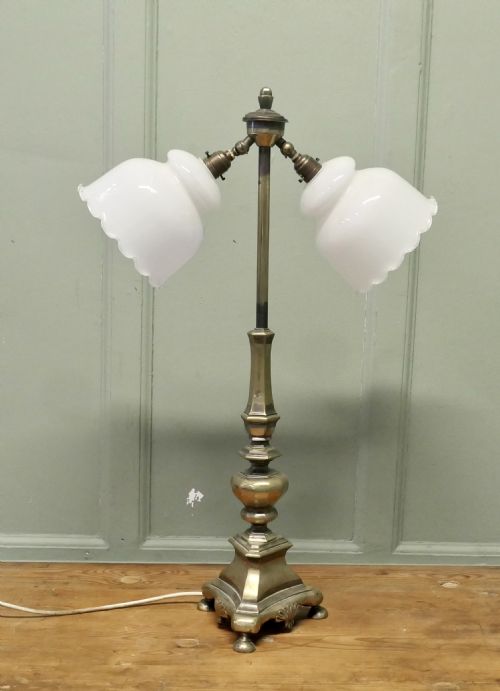
Buyers encounter items such as adjustable brass table lamps, mahogany revolving bookcases, lecterns, page turners, and library armchairs. These objects originate primarily from English workshops and domestic interiors of the early twentieth century.
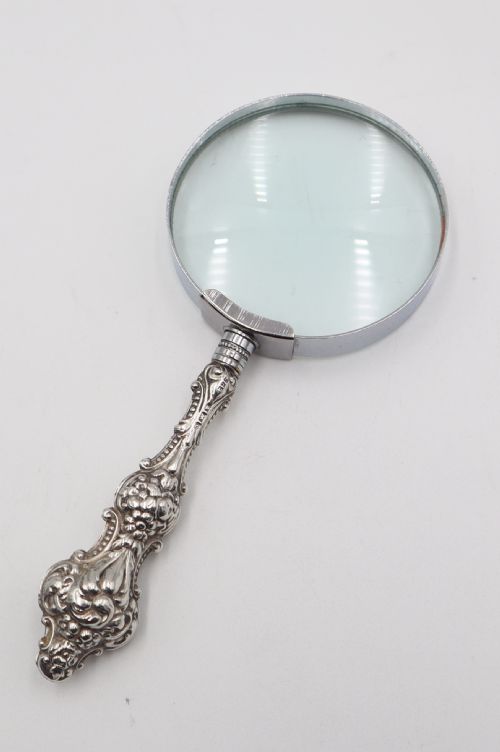
Desk accessories like silver-plated magnifiers and reading tables appear frequently alongside seating such as caned arm chairs and tub chairs. Each piece reflects the functional domestic requirements of the period.
Materials and Construction
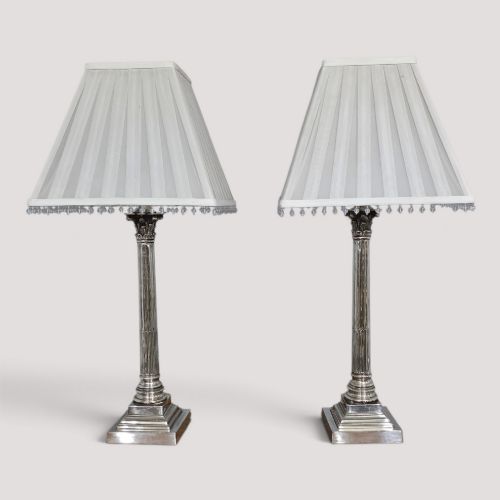
Makers utilised solid mahogany and oak for structural furniture, often incorporating marquetry inlay, leather upholstery, and cane work. Brass and silver plate dominate the lighting and desk accessories.
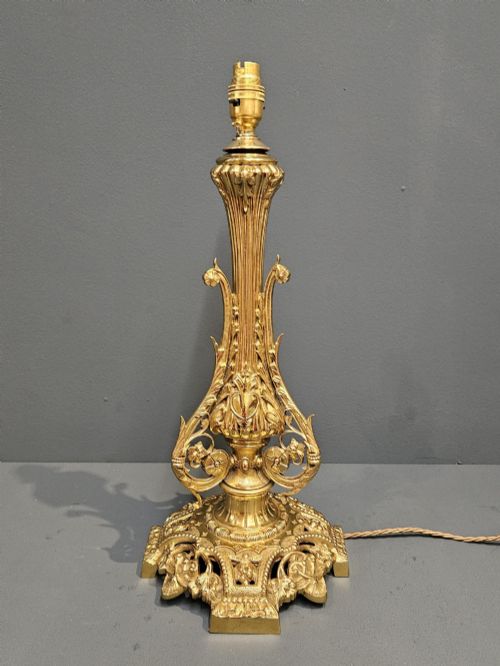
Metal components involve cast brass, reeded columns, and plated finishes, while reading tables utilise adjustable wooden frames and pine or mahogany tops.
Edwardian Reading Desk Retail Price Guide 2026
Typical asking prices for edwardian reading desk among the pieces listed under this phrase on Sellingantiques today, from the lower quarter to the upper quarter. They describe what is for sale here now, not the wider market.
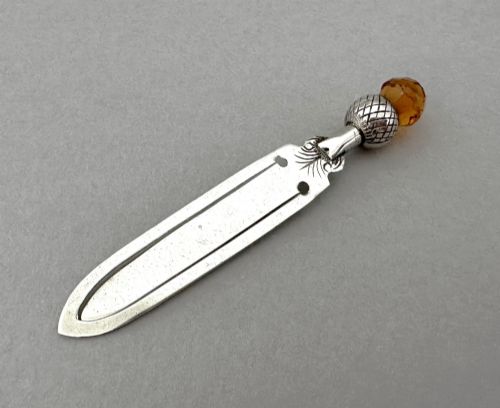
Tortoiseshell page turners remind us of an era when turning a page required an instrument almost as precious as the book itself.
Evaluating Quality
The standard of an edwardian reading desk or accessory depends on the crispness of brass casting, the depth of wood carving, and the preservation of original materials such as leather and hand-dyed hide.
Finely turned columns, intact mechanical adjustments on lamps and reading stands, and well-preserved marquetry distinguish superior examples from standard utility pieces.
Hindley And Sons·W A S Benson
The Edwardian Reading Desk Glossary
- Lectern
- A slanted stand designed to hold a book or manuscript at a readable angle for a speaker or reader. They appear in wood and metal forms across the Edwardian period.
- Ormolu
- Gilded bronze or brass applied to decorative objects and furniture mounts. This technique adds metallic lustre to French and English revival pieces.
- Marquetry
- Decorative veneer work arranged in geometric or floral patterns on wooden surfaces. It ornaments mahogany furniture panels and tabletops.
- Page Turner
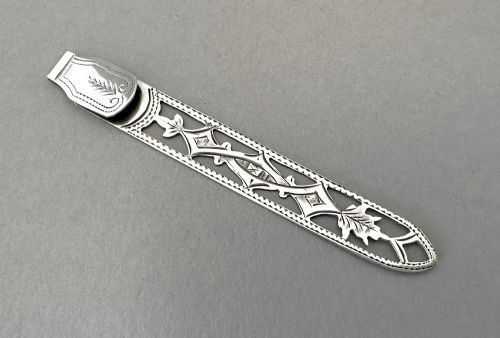
- A handheld implement used for turning paper pages without damaging them. Materials include silver and tortoiseshell.
- Caning
- Woven rattan or split cane used for chair seats and backs. It provides flexible and lightweight support in library armchairs.
Edwardian Reading Desk: Frequently Asked Questions
What is an edwardian reading desk used for?
These items serve the practical needs of reading, writing, and illuminating texts in a study or library. They provide dedicated surfaces, adjustable light, and book storage.
Items range from floor and table lamps to revolving bookcases and specialised reading tables designed for comfort.
How do I identify an Edwardian piece?
Edwardian items typically date from the reign of Edward VII, characterised by lighter proportions, revival styles, and refined mahogany or brass construction.
Construction methods and material choices distinguish them from heavier Victorian precedents and later twentieth-century mass production.
Are desk lamps adjustable?
Many period desk and wall lamps feature mechanical adjustments for directing light onto a book or workspace. Counterweights and hinged brass arms permit movement.
Original wiring is frequently updated to meet contemporary safety standards while retaining the metal shade and base.
What woods were used for furniture?
Mahogany and oak form the primary timbers for bookcases, armchairs, and reading tables. Walnut and pine also appear across specific revival styles.
Inlays of lighter wood or marquetry often decorate the primary surfaces of Edwardian and Georgian revival pieces.