
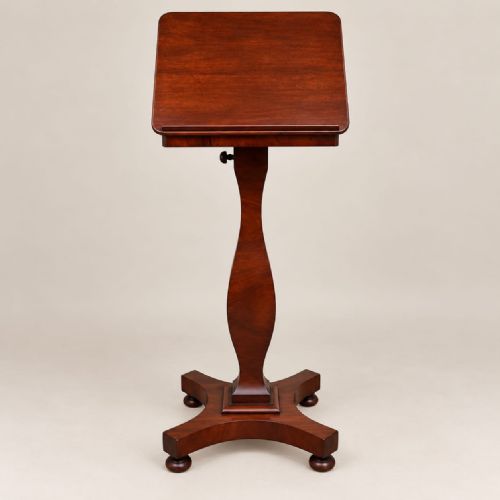
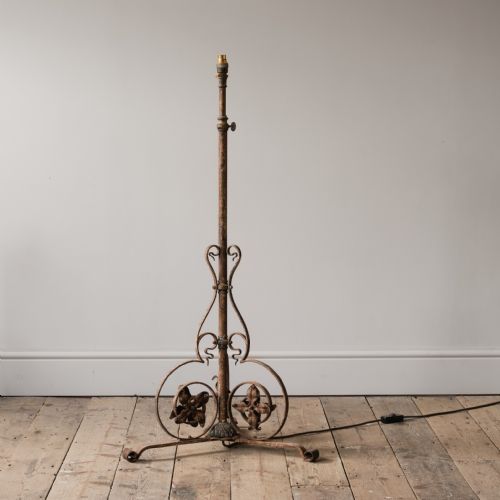
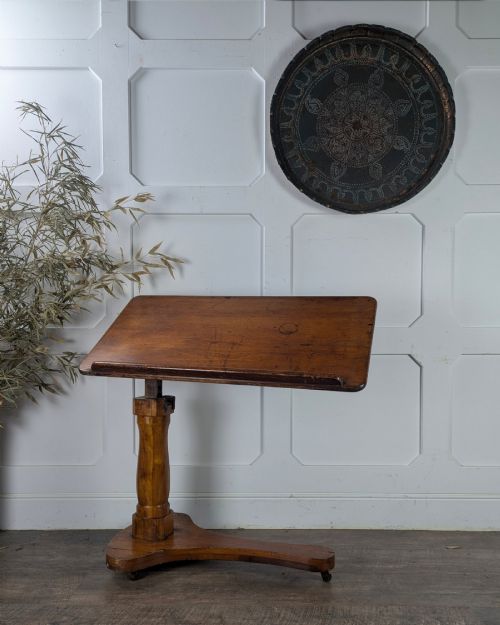
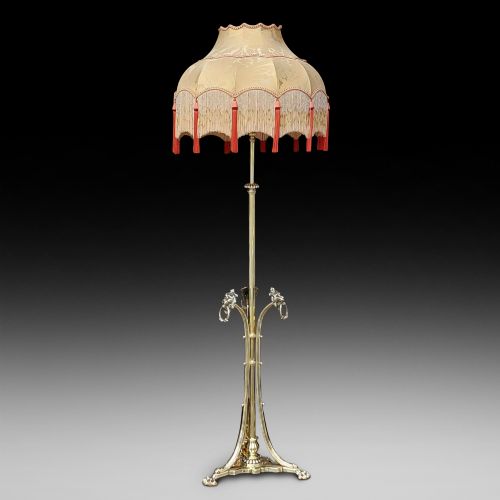
Adjustable Reading Stand
An adjustable reading stand offers a clever mechanical solution for books and music, bringing height and angle control to period interiors.
Adjustable Reading Stand
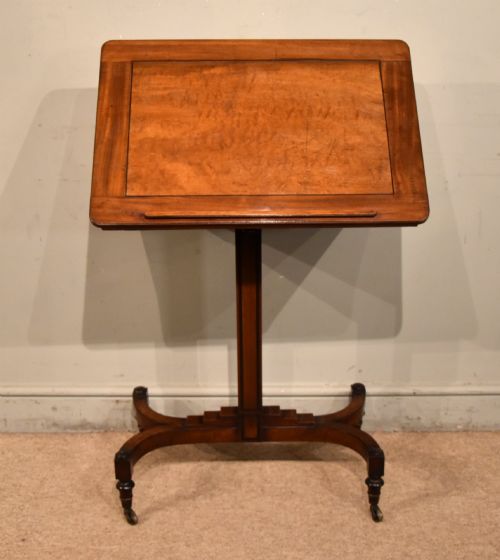
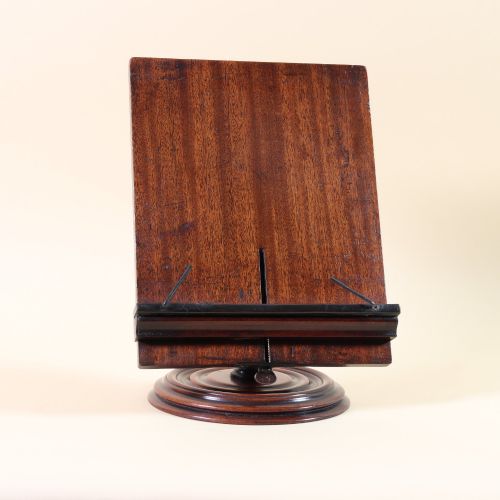
When searching for an adjustable reading stand, buyers encounter pieces designed to hold books, scores, or papers at convenient heights and angles for study or performance. These items bridge domestic comfort and functional utility, spanning table-top book rests, music stands, and floor-standing lecterns.
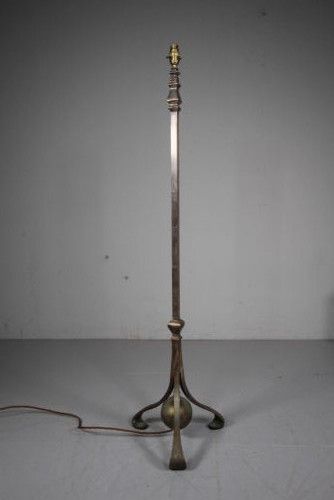
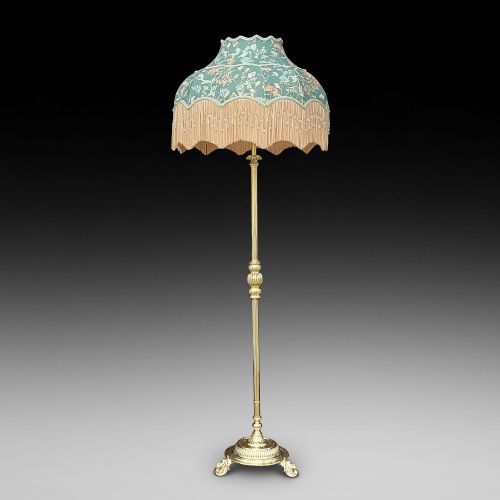
The pieces on this page appear primarily in mahogany, rosewood, and oak, alongside brass and wrought iron lighting adaptations. Period examples date from the Regency and William IV eras through the Victorian and Edwardian decades, reflecting the shifting domestic habits of nineteenth- and early twentieth-century households.
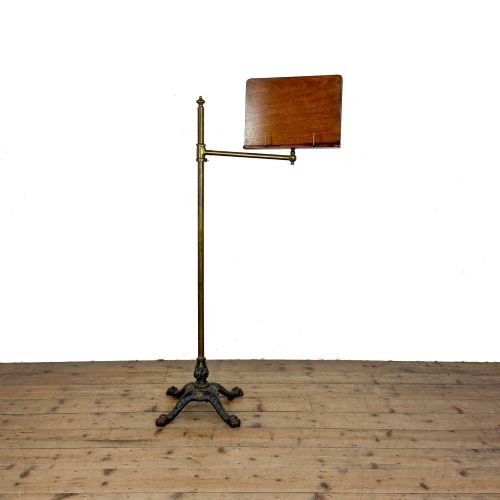
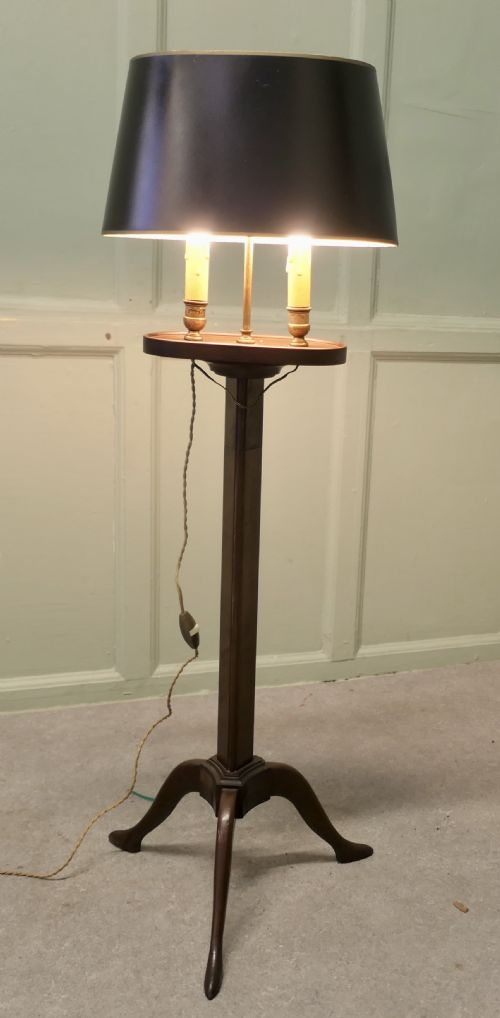
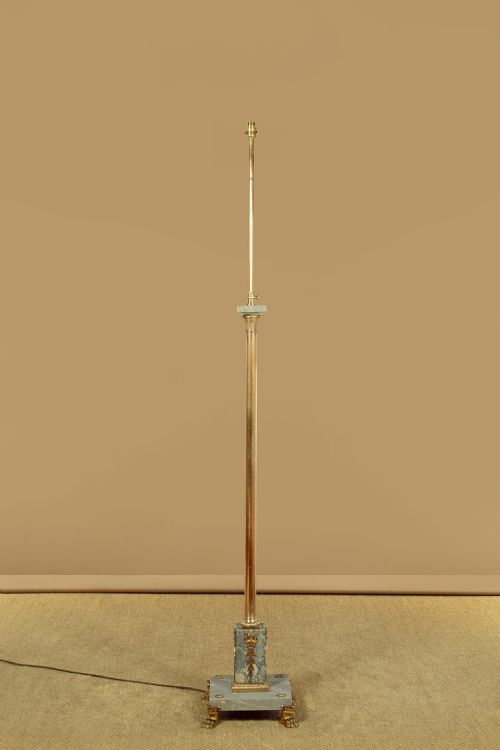
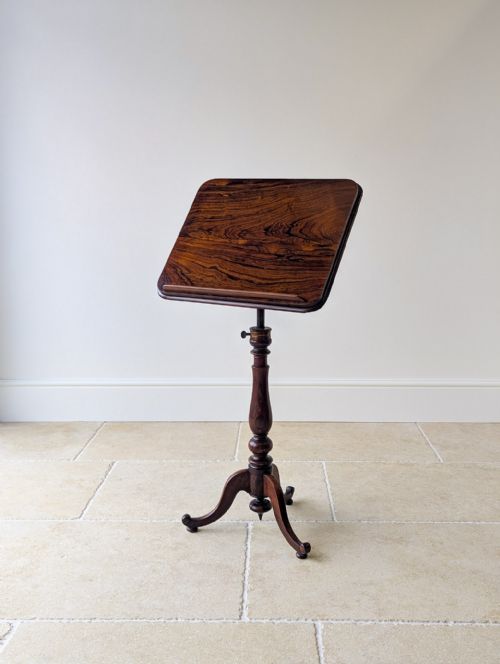
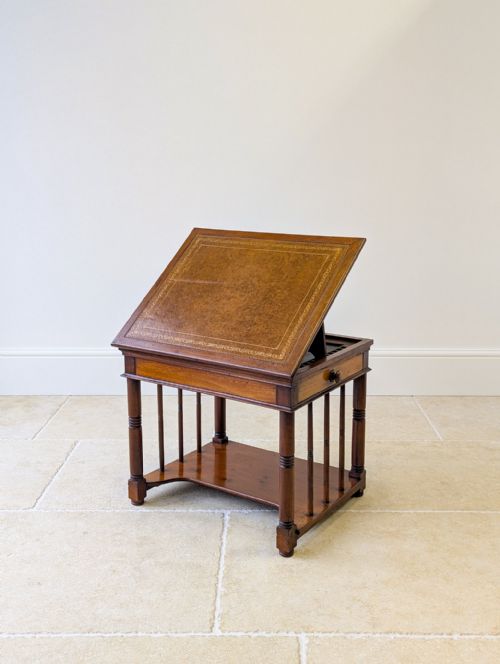
Table-top models and larger reading tables frequently incorporate folding mechanisms or tilting platforms intended for library and drawing room use. Floor-standing variants combine telescopic stems or ratchet brackets with heavy bases, serving as reading companions or reading tables beside armchairs.
How They Were Made
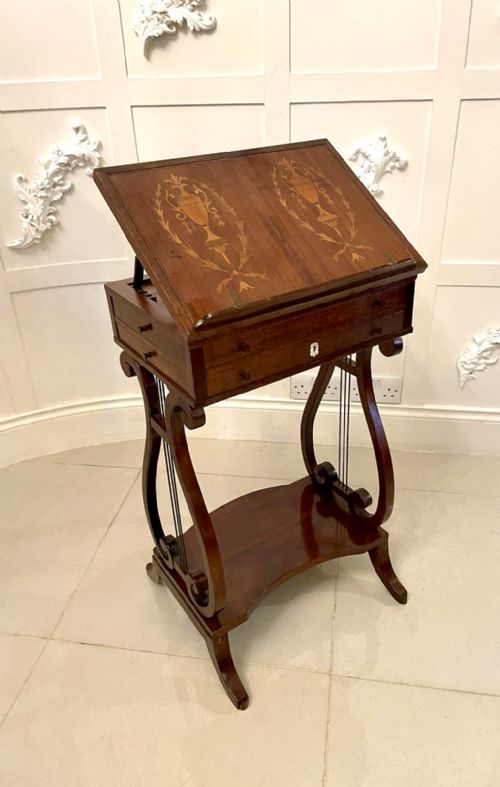
Cabinetmakers constructed table-top and floor-standing reading stands using dense hardwoods like mahogany and rosewood, often incorporating turned columns, lyre-form supports, or brass ratchets for height adjustment. Metal components, including cast brass stems, iron weights, and silver plate, provided the structural endurance needed for telescopic and pivoting mechanisms.
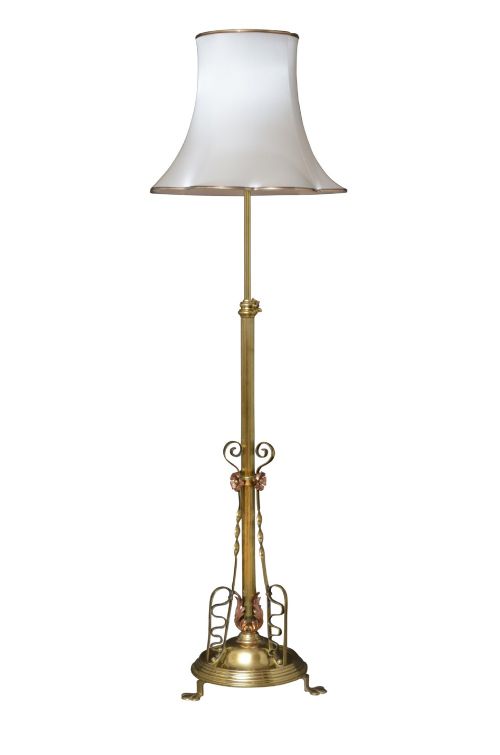
Makers utilised mechanical ingenuity alongside traditional joinery, fitting brass screws, sliding struts, and folding book ledges to allow precise physical adjustment. Oak and pine appear in utilitarian library pieces and campaign items, whilst brass and wrought iron featured heavily in standard lamps and adjustable reading accessories produced during the late nineteenth and early twentieth centuries.
What Varies in Quality
Quality rests in the precision of the mechanical engineering and the integrity of the materials employed, separating standard commercial output from superior workshop production. Smooth movement in telescopic brass stems and secure holding power in ratchets indicate high standards of original construction.
Finer examples show thoughtful selection of figured mahogany or rosewood veneers, robust secondary timbers, and stable bases that prevent tipping when the book rest is fully extended. Maker-marked patent mechanisms and intact adjustable brass fittings elevate the standing of a piece within its period.
Leveson And Sons·Carters Of London·Filmer And Sons
The Adjustable Reading Stand Glossary
- Lectern
- A stand with a slanted top used to hold a book or speech at a reading height. These often feature adjustable stems or desk-top folding book rests.
- Ratchet mechanism
- A notched metal bracket and catch that allows a reading rest to be fixed at various angles. This device is commonly found on nineteenth-century music stands and table-top book holders.
- Telescopic
- Describing a vertical stem composed of sliding tubes that permit height adjustment. This engineering principle appears in floor-standing reading stands and standard lamps.
- Campaign
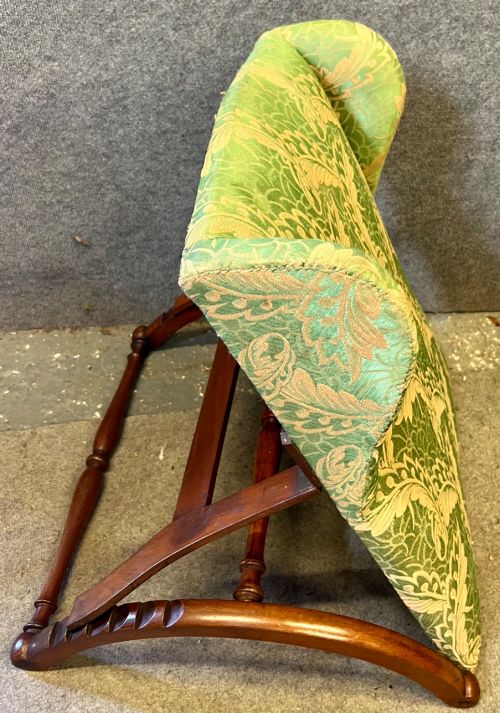
- Portable furniture designed for easy dismantling and transport by travellers or military officers. In this category, items include folding backrests and collapsible table-top reading stands.
- Duet stand
- A wide music or reading stand designed to accommodate two people reading simultaneously. They frequently incorporate double reading surfaces or extended ledges.
Adjustable Reading Stand: Frequently Asked Questions
How do you adjust the height on these stands?
Most period stands utilise either a sliding telescopic brass stem secured by a thumbscrew or a mechanical ratchet bracket located behind the reading slope. These devices allow the user to alter both the elevation and the viewing angle.
Operation requires supporting the reading ledge whilst loosening the locking screw or lifting the ratchet to the desired notch. Users should ensure the mechanism is fully secured before placing heavy books on the rest.
Were these stands used exclusively for reading?
While primarily built for books and manuscripts, many designs served multiple domestic functions in the nineteenth-century interior. Examples frequently doubled as music stands for scores or writing tables for correspondence.
Heavier library models accommodated large folios and maps, while smaller table-top versions sat easily upon desks or occasional furniture. Some variants were built specifically to stand beside armchairs or beds for convalescent use.
What woods were commonly used for reading stands?
Mahogany remains the predominant timber found across Regency, William IV, and Victorian examples, valued for its stability and rich grain. Rosewood also appears frequently in finer library pieces and occasional tables.
Oak and walnut feature strongly in Gothic Revival and Edwardian pieces, offering robust support for heavy oak-framed reading desks. Pine was typically reserved for utilitarian workshop stands or interior structural components.
How do I date an adjustable reading stand?
Dating relies on combining stylistic clues with the technological sophistication of the adjustable mechanism. Regency and William IV pieces often display classical motifs like turned columns and mahogany lyres, while Victorian examples introduce heavier carved supports and patent brass hardware.
Edwardian and later pieces frequently incorporate lighter oak frames, simpler brass fittings, or cast iron bases associated with twentieth-century manufacturing. Patent stamps and maker signatures provide the most precise chronological evidence.