



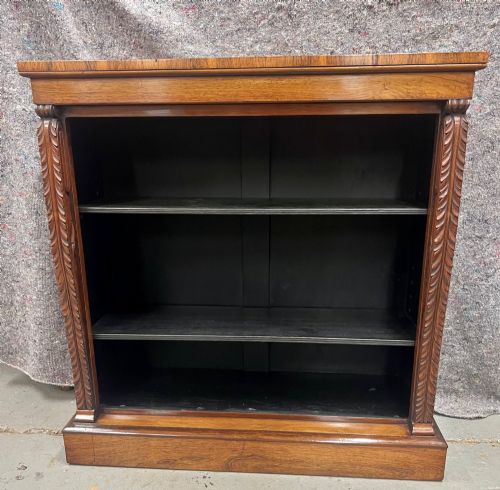


Rosewood Book Stand
These rosewood book stand options bring together rich timber and practical design from the Regency, Victorian, and Edwardian eras.
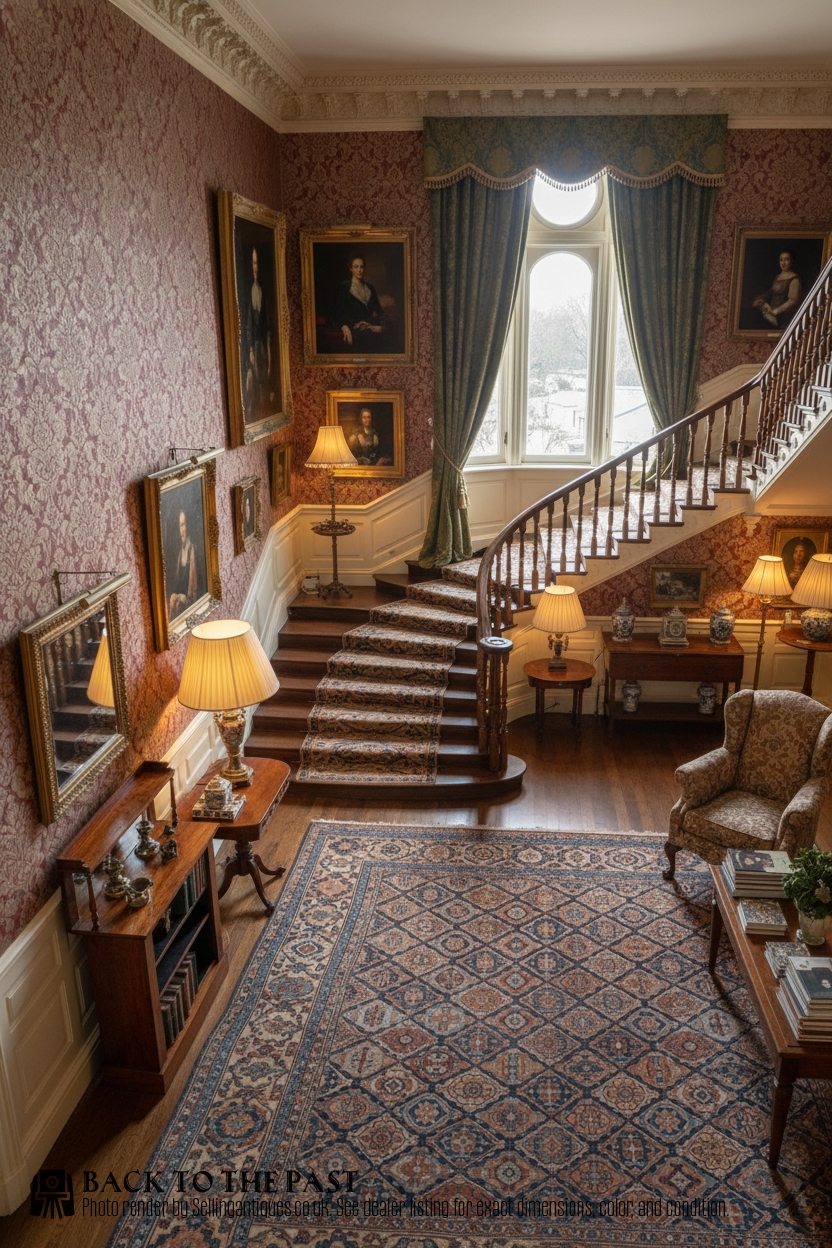
Rosewood Book Stand
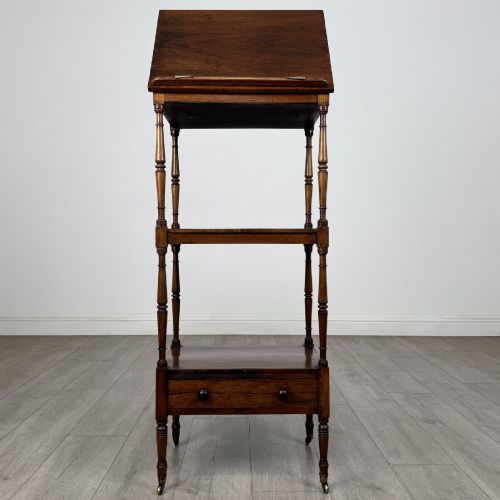
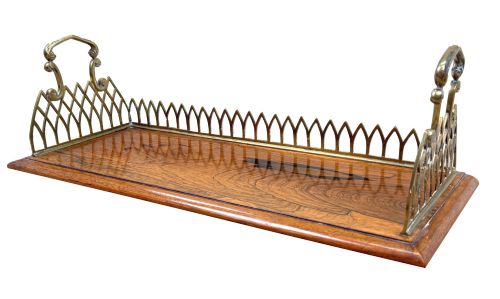
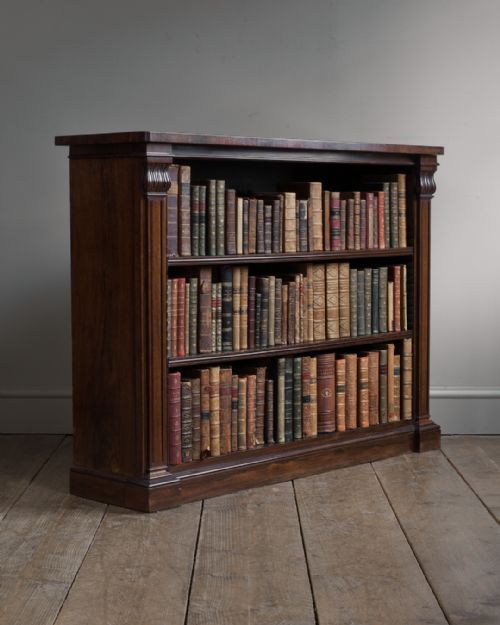
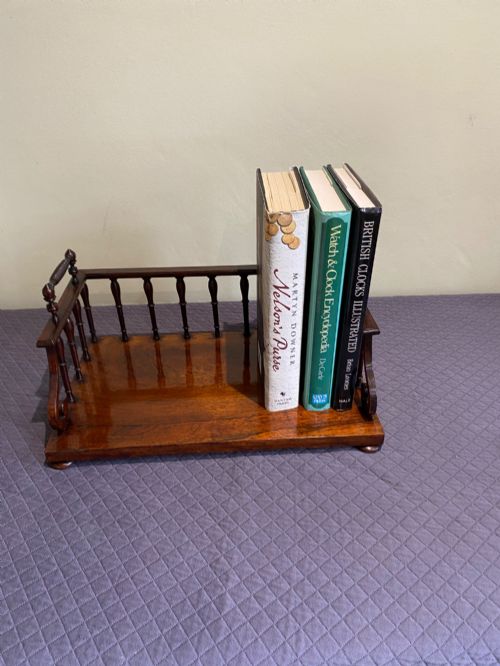
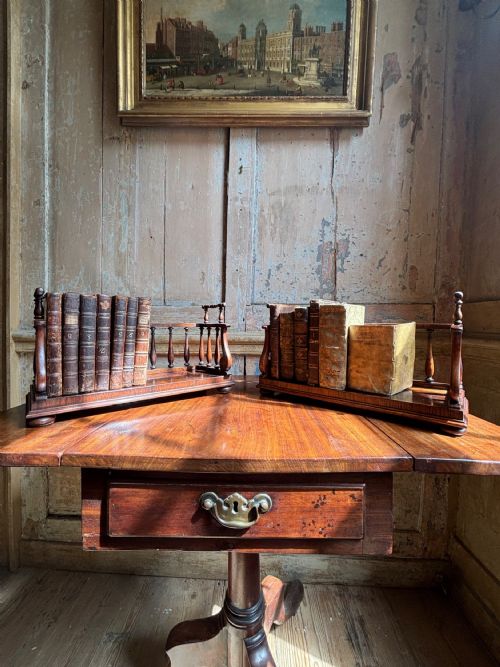
A rosewood book stand covers a broad range of forms designed to hold volumes, from small tabletop book slides and carriers to larger reading stands and floor-standing bookcases. The pieces found here span the Regency, William IV, Victorian, and Edwardian periods, showcasing how households stored and displayed texts across the nineteenth century.
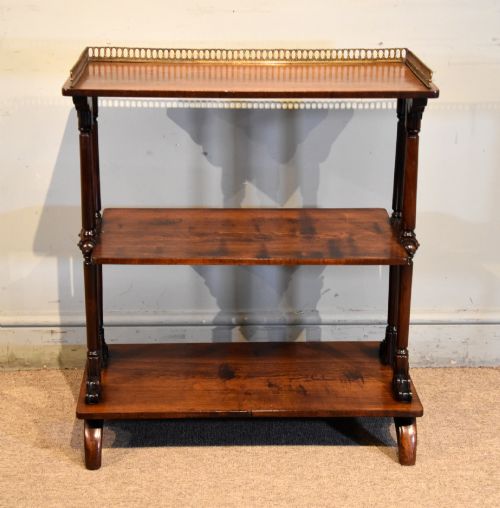
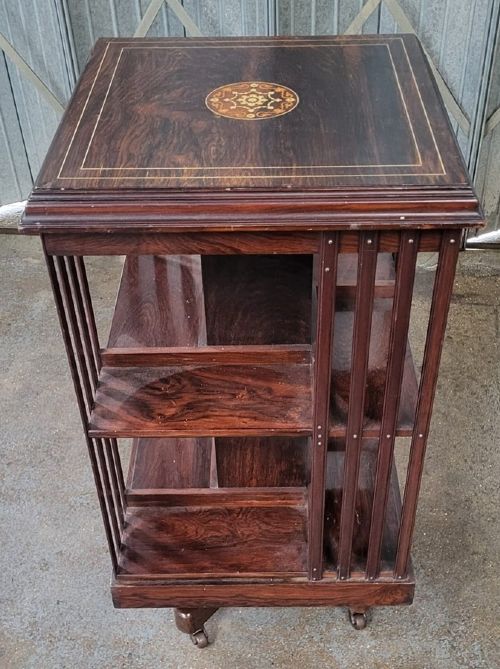
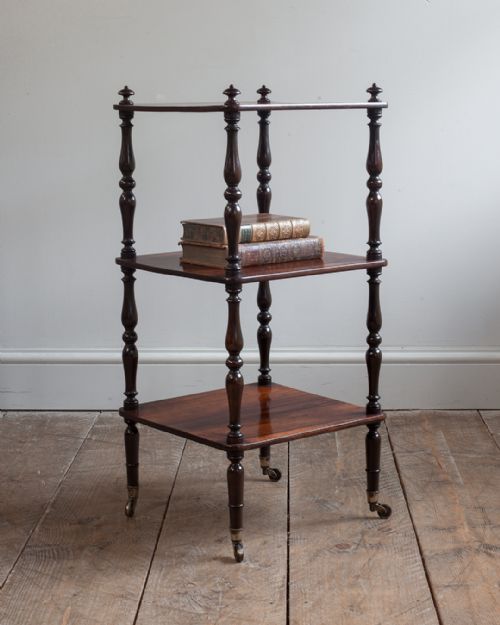
Tabletop book racks, folding book stands, and revolving bookcases appear frequently alongside multi-tiered whatnots and music stands. Many originate from the Regency and Victorian eras, utilising the dense dark timber to create functional library accessories and freestanding furniture.
Makers during the Regency and William IV periods occasionally produced pieces with the refined joinery associated with workshops like Gillows. Whether a simple mid-nineteenth-century book rack or an inlaid Edwardian revolving bookcase, these items reflect the changing domestic interior of their respective decades.
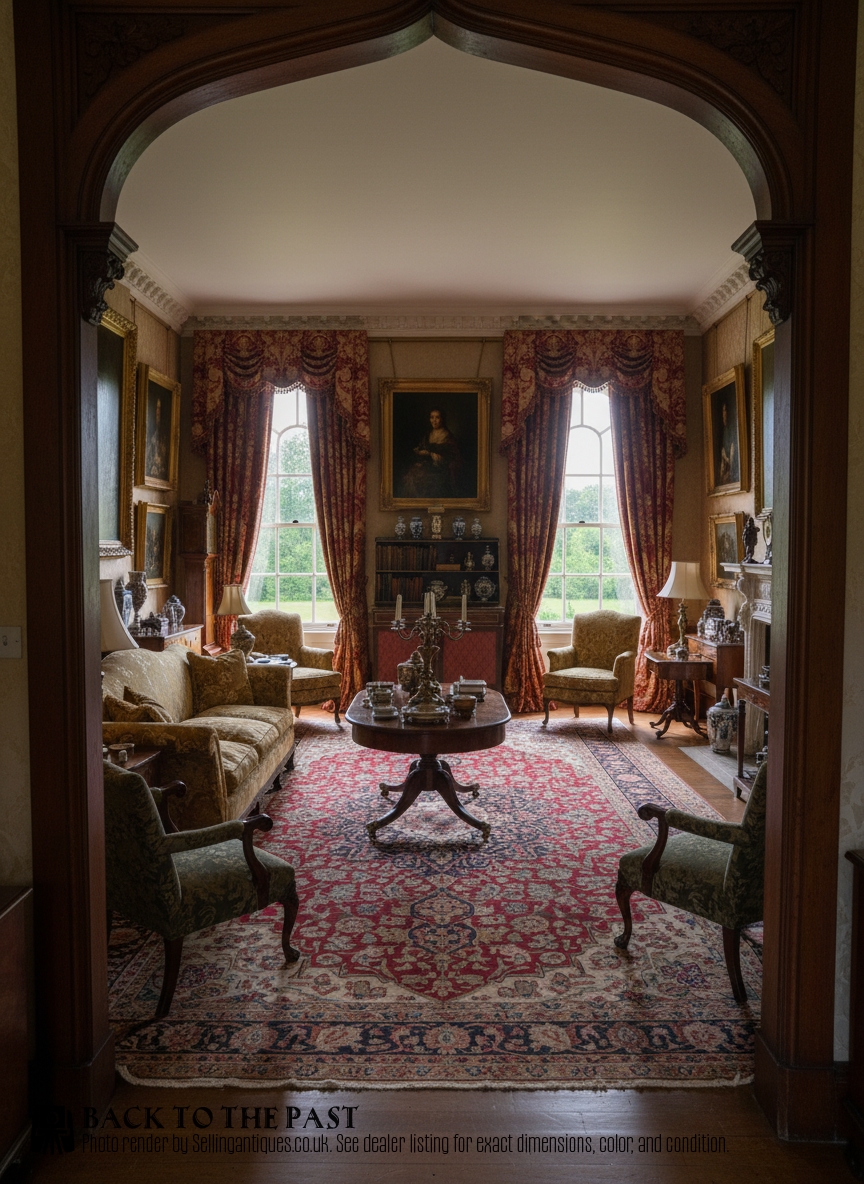
Materials and Construction
Cabinetmakers relied heavily on solid and veneered rosewood, valued for its deep grain and dark purple-brown hue. Secondary timbers such as mahogany and pine often provide structural support within shelves and internal frames.
Detailing frequently incorporates brass fittings, boxwood inlay, and intricate Tunbridge Ware marquetry panels. Folding mechanisms, adjustable book-slides, and brass hinges demonstrate precise mechanical hardware integrated into the cabinetry.
Rosewood Book Stand Retail Price Guide 2026
Typical asking prices for rosewood book stand among the pieces listed under this phrase on Sellingantiques today, from the lower quarter to the upper quarter. They describe what is for sale here now, not the wider market.
Listings feature rosewood alongside secondary materials like boxwood inlay, brass fittings, and Goncalo Alves across the nineteenth and early twentieth centuries.
Assessing Quality
Quality rests upon the crispness of the rosewood grain, the subtlety of any boxwood inlay, and the retention of original brass elements. Pieces showing restrained fretwork or precise Tunbridge Ware decoration separate standard domestic items from finer library pieces.
The integrity of moving parts, such as adjustable book-slides or folding mechanisms, dictates the standard of execution. Sound structural joinery in multi-tiered whatnots and revolving stands ensures the dense timber supports the weight of heavy volumes.
Gillows
The Rosewood Book Stand Glossary
- Rosewood
- A heavy, dense tropical timber prized for its dark colour and distinct grain patterns. Cabinetmakers utilised it extensively for high-end nineteenth-century library furniture and small accessories.
- Tunbridge Ware
- A type of decorative woodwork characterised by tiny mosaic tiles formed from naturally coloured woods to create pictorial designs. It appears frequently on Victorian book-slides and table stands.
- Etagere
- An open piece of furniture with multiple tiers for displaying small objects or books. Examples in rosewood often combine open shelving with reading stands.
- Book-slide
- An adjustable desktop rack designed to hold a small row of volumes upright. Many incorporate extending ends fitted with brass or rosewood rails.
- Whatnot
- A multi-shelved stand used for storage and display in nineteenth-century interiors. These pieces often feature graduated tiers supported by slender columns.
Rosewood Book Stand: Frequently Asked Questions
What is a rosewood book stand used for?
These pieces hold volumes upright on desks, tables, or floors for easier reading and storage. Smaller variants keep working reference books close at hand.
Larger standing formats combine shelving with display surfaces for libraries and studies.
How do I tell a Regency from a Victorian stand?
Regency pieces lean towards classical restraint, often featuring clean architectural lines and minimal brass mounts. William IV and early Victorian examples frequently introduce heavier proportions and richer carving.
Later Victorian and Edwardian items incorporate decorative inlay, fretwork, or revolving mechanisms suited to changing domestic tastes.
Are folding book stands sturdy?
Hinged and folding stands rely on brass pivots and solid timber blocks to maintain stability when extended. Original mechanisms hold books securely without slipping.
Careful handling ensures the joints remain aligned during adjustment.
How do I care for rosewood furniture?
Keep the timber away from direct sunlight and heat sources to prevent the rich grain from fading or drying out. Gentle dusting maintains the polished surface.
Occasional application of appropriate wax preserves the natural lustre of the wood.