




Tabletop Book Stand
A tabletop book stand keeps volumes upright and accessible on a desk or table, ranging from simple folding rests to revolving bookcases.
Tabletop Book Stand
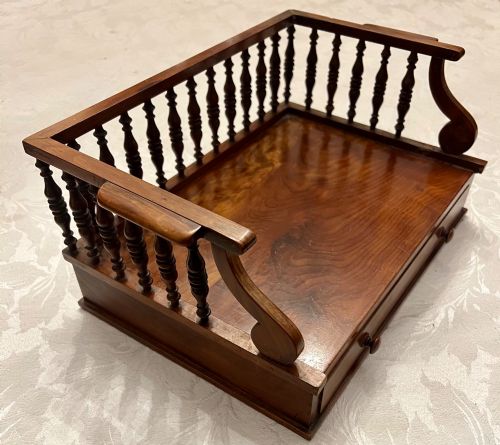
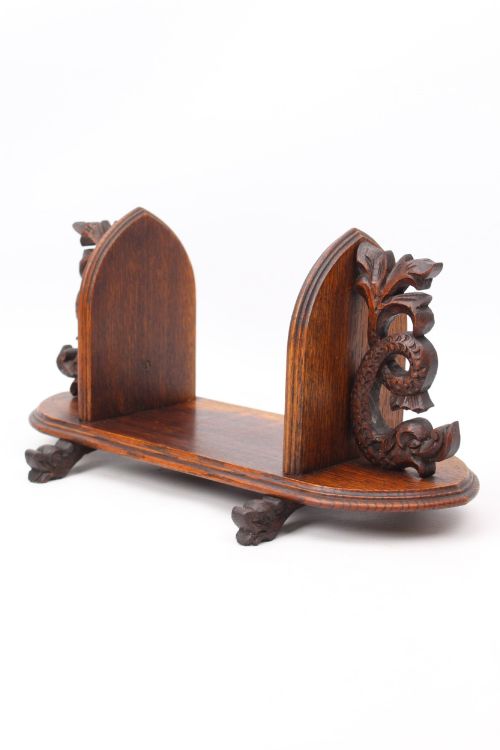
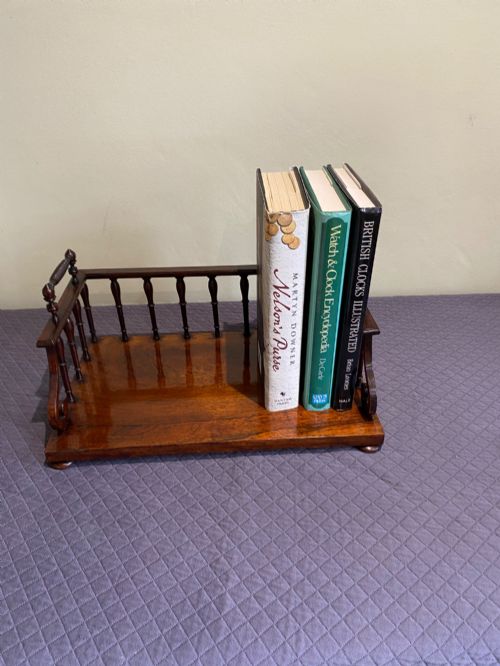
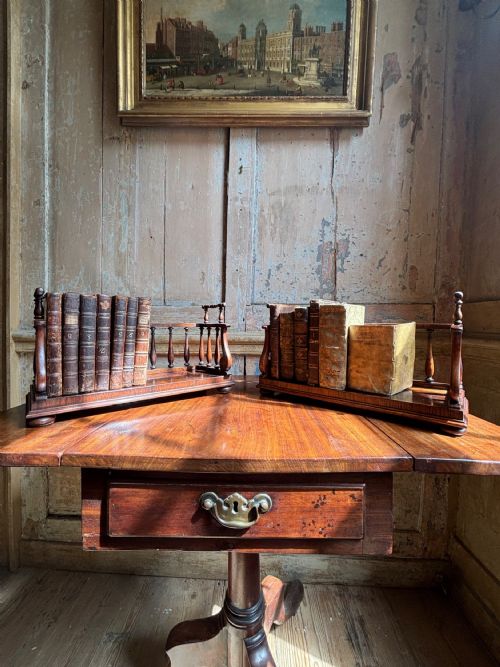
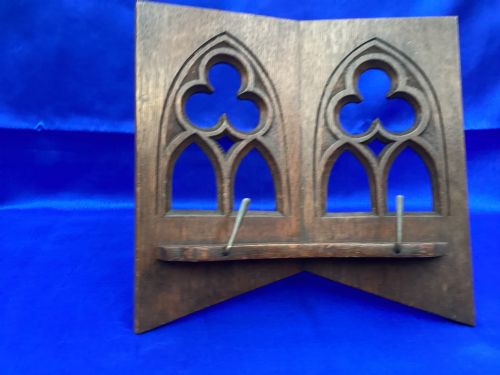
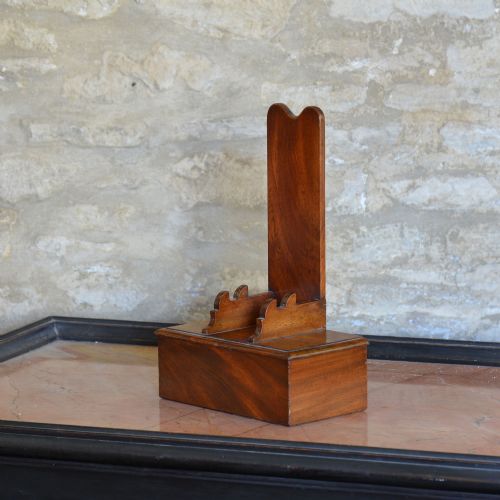
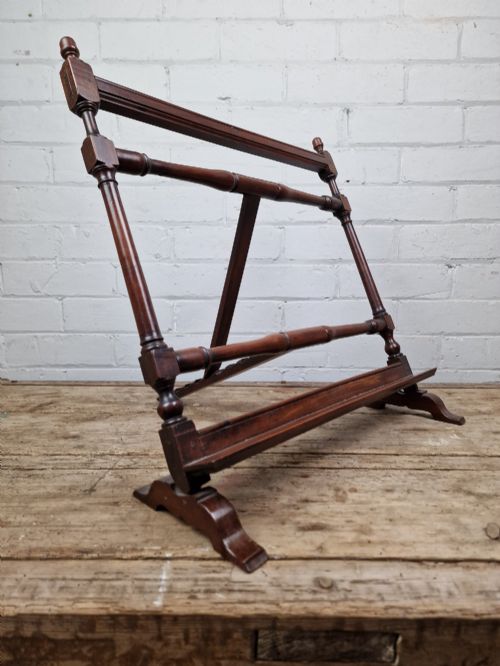
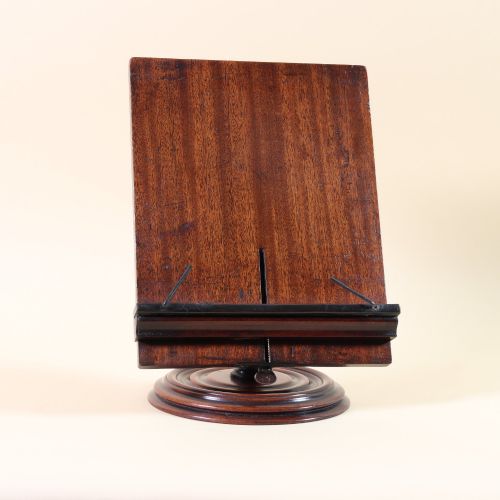
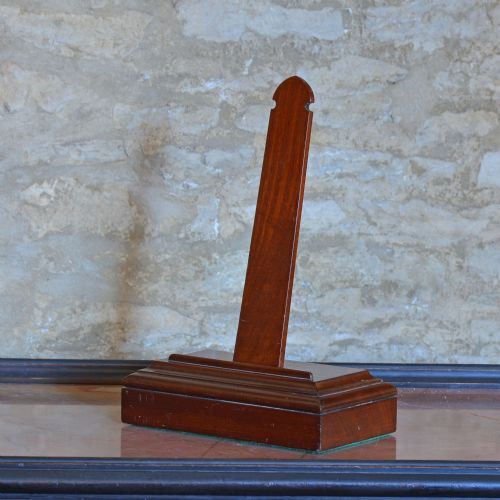
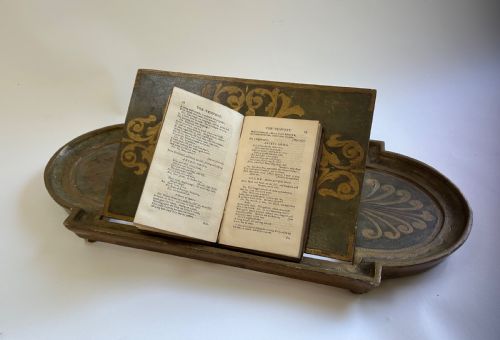
A tabletop book stand appears in several distinct forms across this selection, including fixed racks, folding prayer rests, revolving carousels, and sliding bookends designed for desk use. These pieces serve to hold volumes for reading or display, varying from compact mahogany carriers to substantial oak lecterns.
The most common examples encountered here date from the nineteenth century and the Edwardian period, executed in woods such as mahogany, rosewood, and oak. Buyers often find specialised formats like church missal stands, revolving bookcases, and Arts and Crafts troughs among the current items.
Materials and construction
Cabinetmakers utilised dense timbers like mahogany, rosewood, walnut, and oak to construct these stands, frequently employing solid construction for load-bearing bases and book troughs. Brass hinges, mounts, and galleries appear regularly to support folding mechanisms or decorative edges on reading desks.
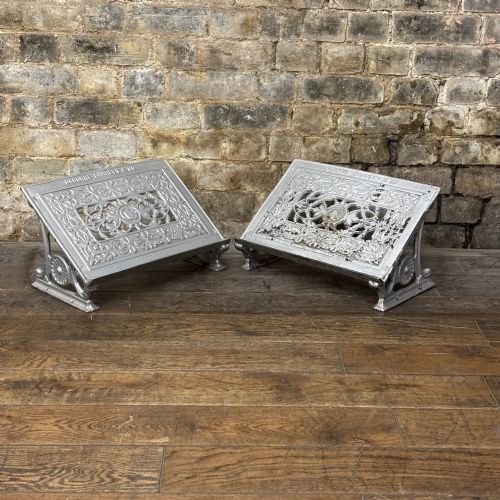
Specialist techniques define specific styles, such as the pegged joinery of Arts and Crafts pieces, the inlaid decoration of Edwardian revolving bookcases, and the heavy cast iron framing found on ecclesiastical church rests.
Tabletop Book Stand Retail Price Guide 2026
Typical asking prices for tabletop book stand among the pieces listed under this phrase on Sellingantiques today, from the lower quarter to the upper quarter. They describe what is for sale here now, not the wider market.
Among the heavy oak and mahogany stands sits a singular cast iron church rest and an athletic herd of wooden horses.
Assessing quality and execution
Quality reveals itself in the choice of timber and the precision of the joinery, particularly where folding actions or revolving bases require smooth mechanical movement. Finer pieces display carefully matched wood grain, solid brass fittings rather than plated alternatives, and crisp carved or inlaid details.
The sophistication of the design dictates much of the standing, separating simple utility racks from ambitious revolving bookcases and architectural Gothic revival lecterns that required greater skill from the maker.
Arthur Simpson·Osborne Garrett & Co
The Tabletop Book Stand Glossary
- Book trough
- A V-shaped container designed to hold a small collection of books upright on a flat surface. These typically feature solid wooden ends joined by a base and back panel.
- Revolving bookcase
- A compact bookcase mounted on a hidden rotary base that allows the user to spin the tiers to access volumes from all sides. They appear frequently in Edwardian walnut and mahogany.
- Missal stand
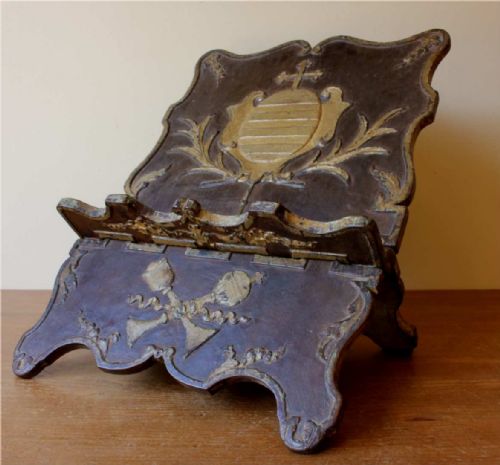
- A folding wooden or metal rest originally designed to hold liturgical books on an altar or desk. They often feature adjustable struts to alter the reading angle.
- Lecturn
- A tall or tabletop stand with an inclined top to support a book for reading aloud. Victorian examples in this selection utilise oak and brass.
- Campaign stand
- Portable furniture fitted with folding or dismantling elements for travel. These reading stands feature collapsible supports for ease of movement.
Tabletop Book Stand: Frequently Asked Questions
How do revolving book stands operate?
Revolving book stands rest upon a concealed internal pivot or ball-bearing mechanism hidden beneath the base tier. This allows the entire wooden superstructure to turn smoothly in either direction.
Craftsmen built these to maximise storage on crowded office desks and study tables.
What periods do these book stands come from?
The pieces span from the eighteenth century through the Georgian and Regency eras into the Victorian and Edwardian periods. Later examples extend into the nineteen-twenties and thirties with Art Deco designs.
Mahogany and rosewood dominate the earlier centuries, while oak becomes prominent in Arts and Crafts and Gothic revival styles.
Were these stands used in churches or homes?
Makers produced stands for both domestic studies and ecclesiastical settings. Missal stands and heavy lecterns served in churches, while smaller mahogany carriers and revolving cases populated domestic libraries.
Domestic versions focused on portability and desk organisation rather than public reading.