


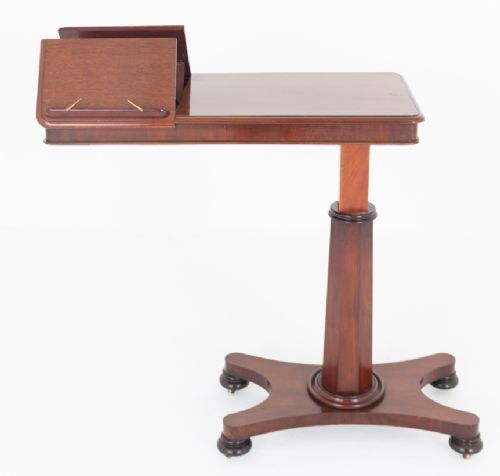

Dark Wood Reading Desk
A dark wood reading desk brings timber grain and scholarly function together, offering a steady surface for books and study.
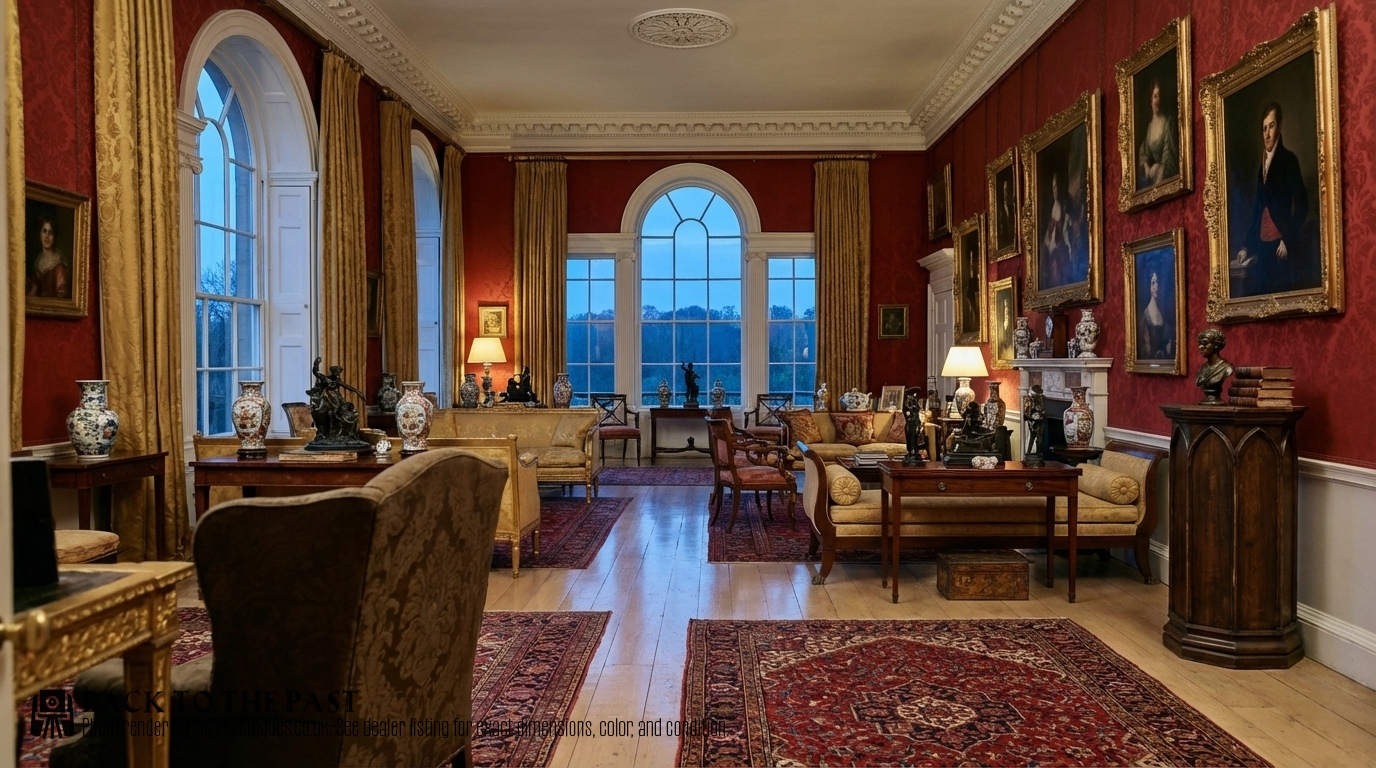
Dark Wood Reading Desk
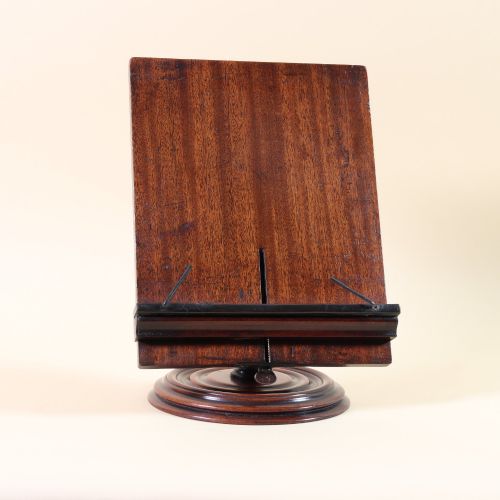
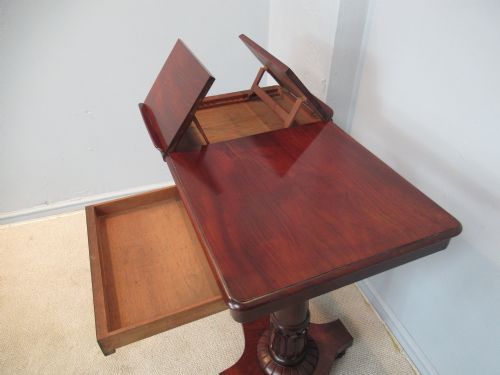
A dark wood reading desk encompasses various forms designed for study and writing, including table-top rests, adjustable reading tables, and library desks. These pieces span the Georgian, Regency, William IV, and Victorian periods, reflecting shifting domestic habits.
Mahogany and rosewood dominate the material record for these items, frequently paired with brass hardware or leather inserts. Oak also appears in specific styles such as Gothic Revival and Arts and Crafts.
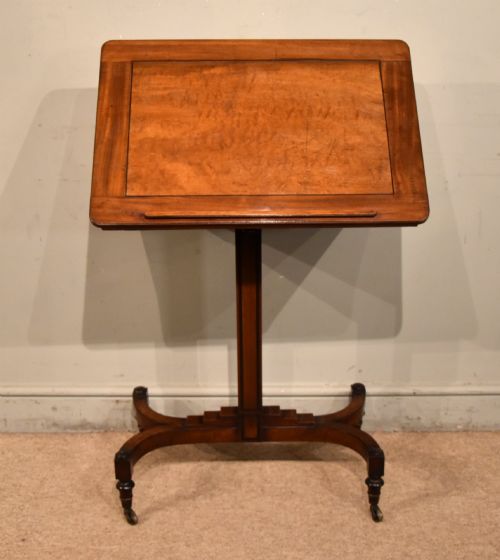
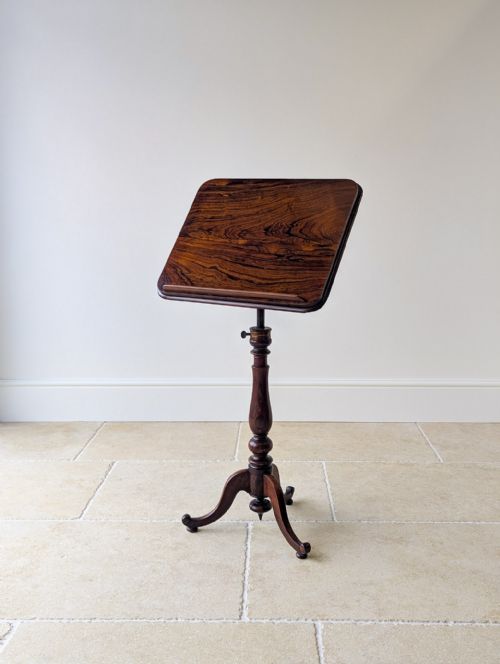
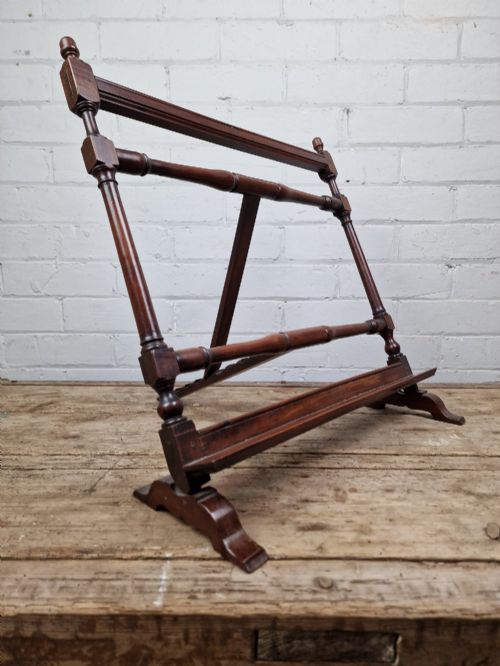
Adjustability and portability define many examples, from folding book pedestals to stands with pivoting tops. Buyers encounter both standalone library tables and compact desk-top book rests intended for existing furniture.
Materials and construction methods
Cabinetmakers utilised dense timbers like mahogany, rosewood, and walnut for their strength and rich grain patterns. These woods were often carved or turned to create sturdy pedestals, legs, and frames.
Brass fittings and ratchets provided mechanical adjustment for reading stands and music desks. Leather and fabric inserts were frequently incorporated into writing surfaces for a smooth tactile finish.
A magnifying glass listed among the offerings provides a direct glimpse into Victorian methods for examining small print on heavy library volumes.
Differentiating quality across examples
The sophistication of mechanical adjustments marks the standard of construction, particularly in reading tables and stands where ratchets and screws operate smoothly. Superior examples maintain stability at every height and angle.
Timber selection and secondary framing determine durability, with dense grain and clean joinery separating accomplished cabinetwork from standard production. Finishes that retain natural depth rather than a flat coating reflect careful historic maintenance.
The Dark Wood Reading Desk Glossary
- Regency
- A style and period spanning the early nineteenth century defined by classical restraint and influence from antiquity. Pieces from this era often employ dark mahogany and subtle brass detailing.
- Lectern
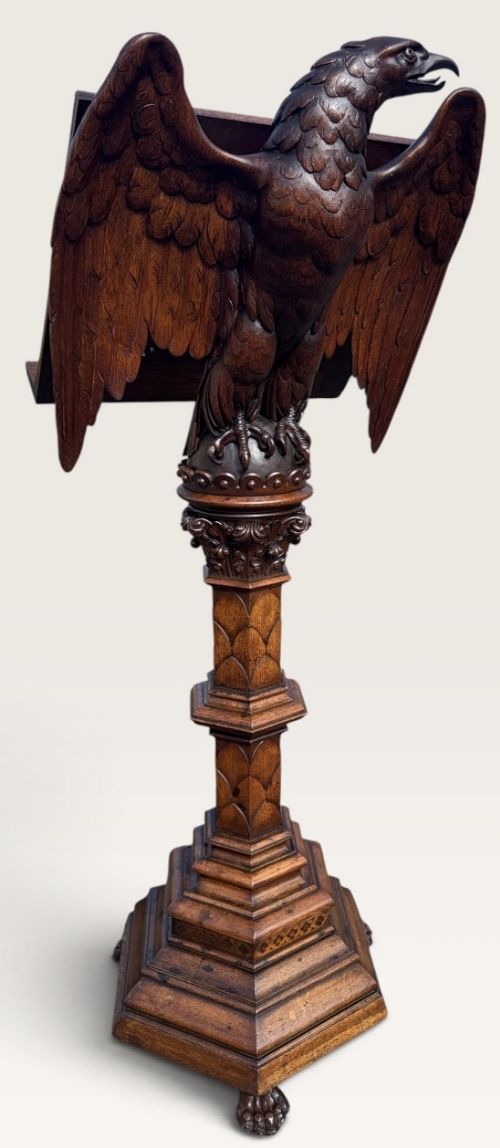
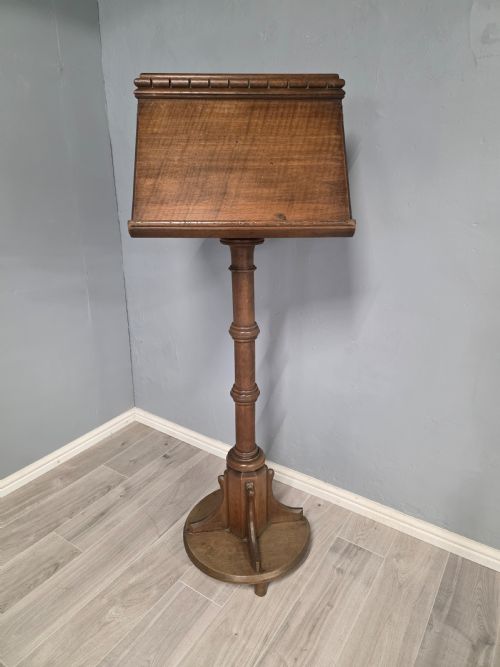
- A tall stand with a sloping top designed to hold a book or manuscript for reading aloud. Victorian church examples and domestic variants utilise carved oak or walnut.
- Library Chair
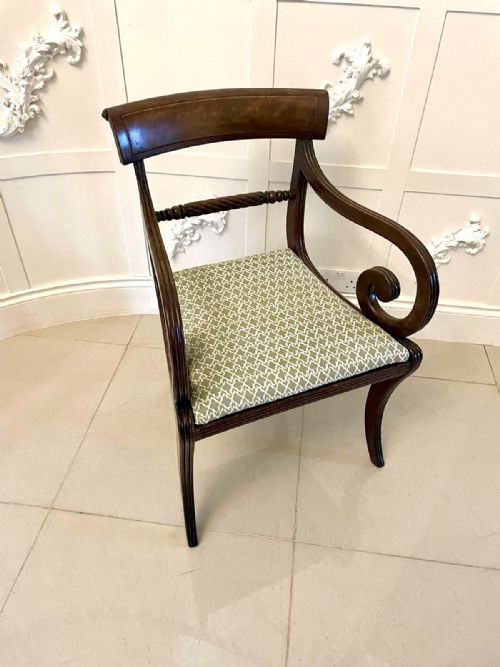
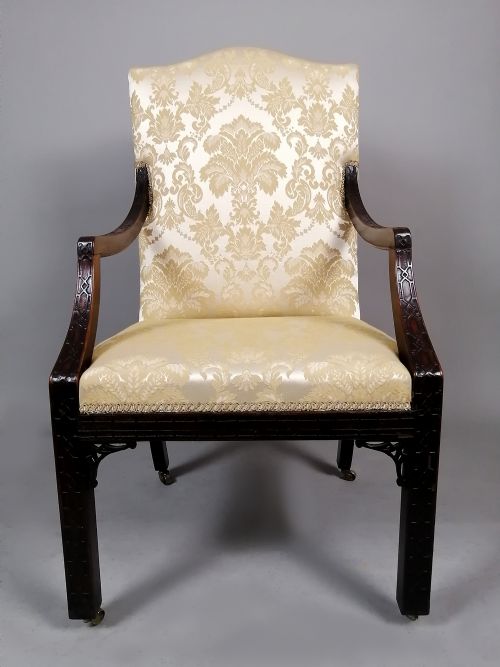
- An armchair designed for comfort during extended periods of reading or writing at a desk. These often incorporate upholstered seats and dark wood frames.
- Gonçalo Alves
- A dense exotic hardwood sometimes utilised in nineteenth-century furniture for its striking contrasting grain. It appears on select music stands and tables from the period.
- Gothic Revival
- A nineteenth-century design movement drawing inspiration from medieval architecture. Characteristics include pointed arches, heavy mouldings, and carved oak construction.
Dark Wood Reading Desk: Frequently Asked Questions
How do I adjust a reading stand?
Many period reading stands utilise brass ratchets or screw mechanisms located beneath the book rest or along the central column. These allow the user to alter the angle and height of the surface.
Careful handling of these metal adjustments prevents strain on the historical timber and brass components during operation.
How do I care for rosewood furniture?
Rosewood surfaces benefit from minimal moisture and protection from direct sunlight to prevent fading of the deep grain. Regular dusting with a soft, dry cloth preserves the polished finish.
Occasional applications of appropriate wax maintain the timber's natural moisture without sealing the pores.
Where were these desks used?
These pieces served primarily in domestic libraries, studies, and parlours where gentlemen and scholars pursued reading and correspondence. Institutional settings such as churches also utilised larger stands.
Their varied sizes accommodated both dedicated writing rooms and smaller domestic spaces.