


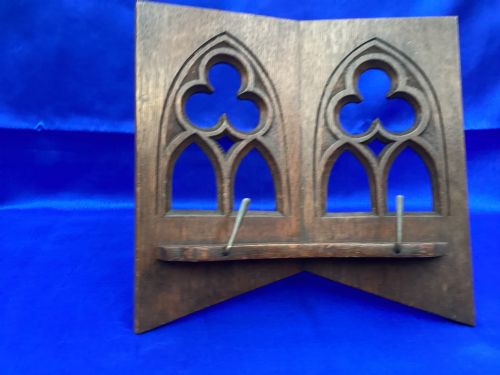

Antique Wooden Lectern
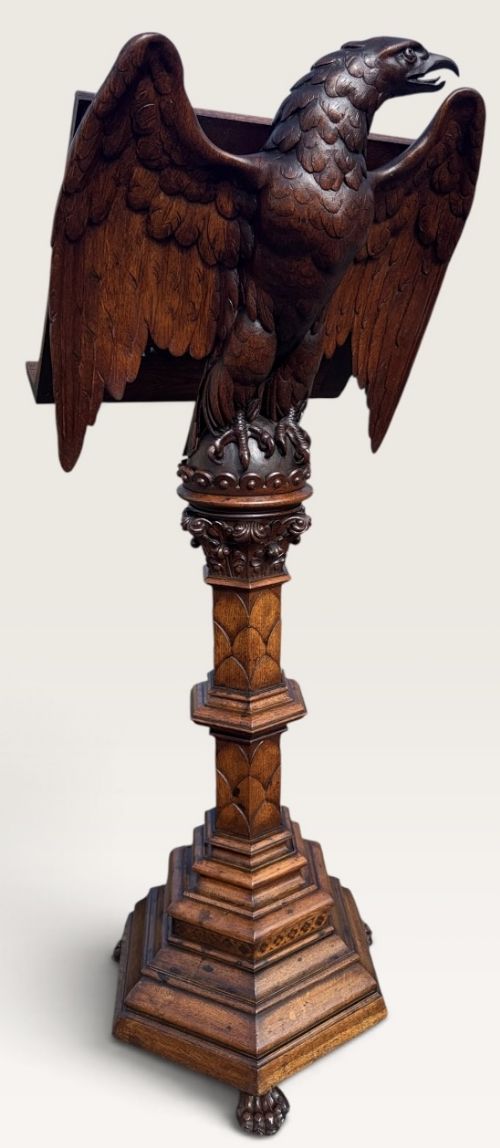
An antique wooden lectern brings both architectural presence and practical surface space into a room, spanning church pulpits to adjustable music stands.
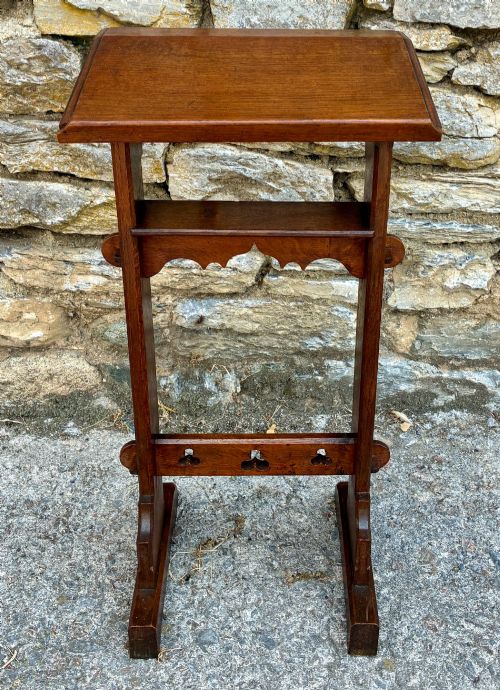
Antique Wooden Lectern
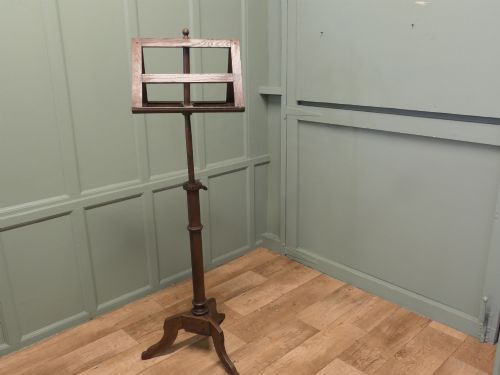
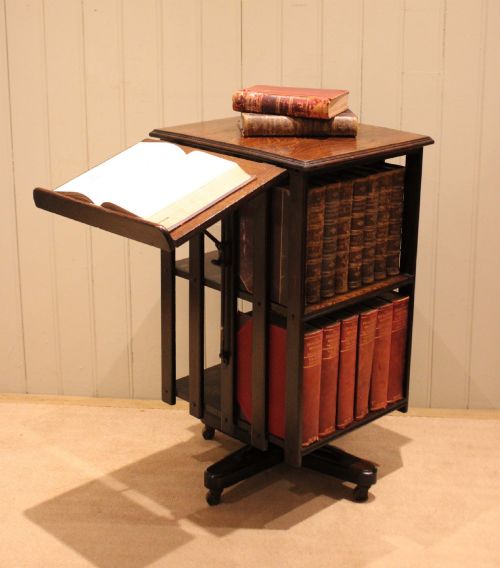
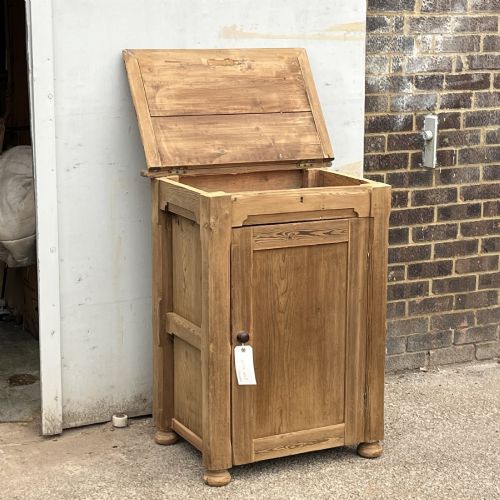
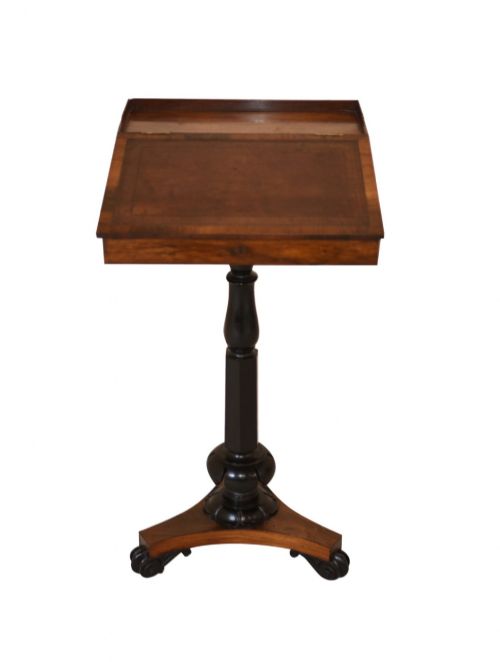
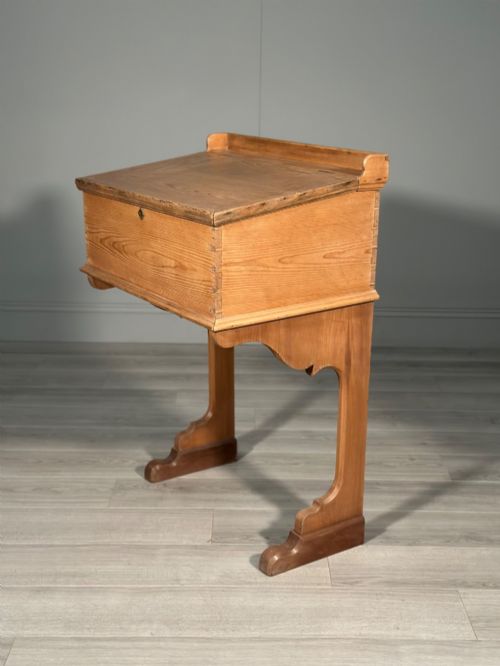
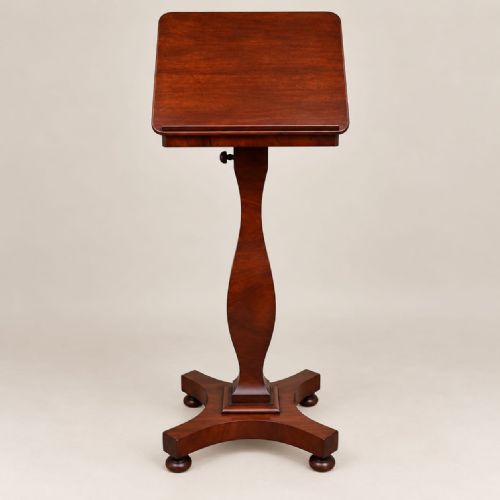
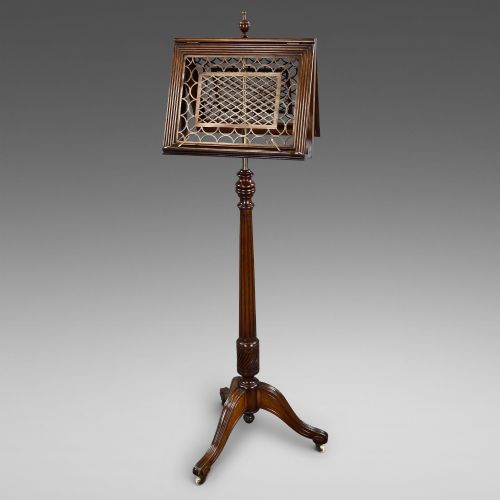
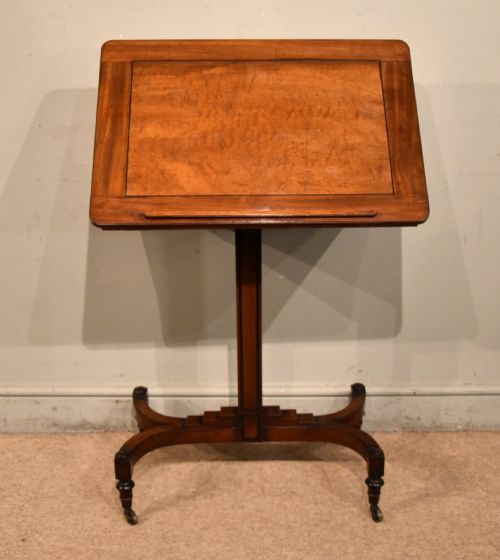
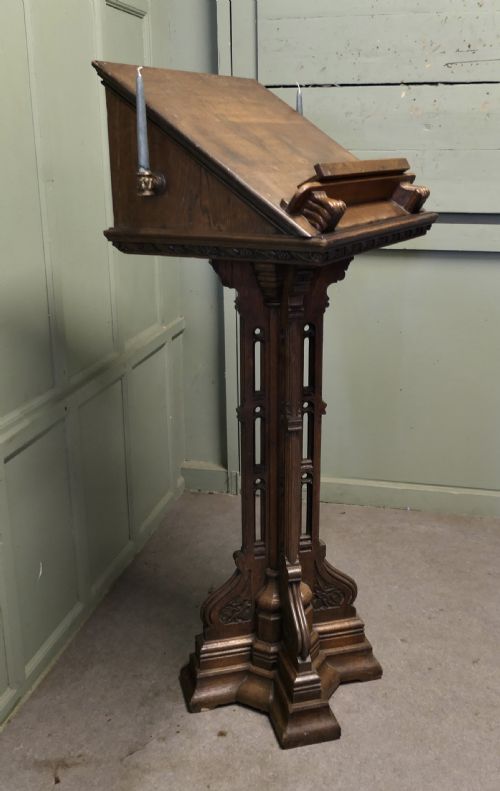
An antique wooden lectern serves primarily to support books, music, and papers at a readable angle. Buyers seeking an antique wooden lectern encounter forms ranging from heavy church pulpits and prayer desks to small table-top book rests and adjustable music stands.
The material record spans native woods such as oak, mahogany, walnut, pine, and gonçalo alves, occasionally accented with brass, iron, or mother-of-pearl inlay. Pieces date from the eighteenth century through the Edwardian period and the early twentieth century.
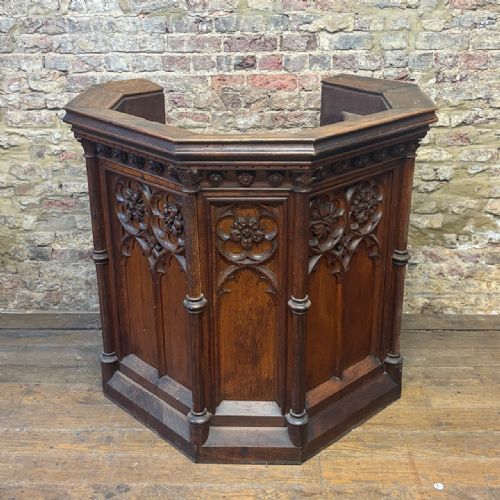
Stylistic variation is wide, encompassing Gothic Revival church furniture, Regency reading tables, Arts and Crafts book stands, and Anglo-Indian or Oriental scholar stands. Ecclesiastical examples sit alongside pieces designed for domestic reading or hotel and restaurant reception greeting.
Assessing quality and execution
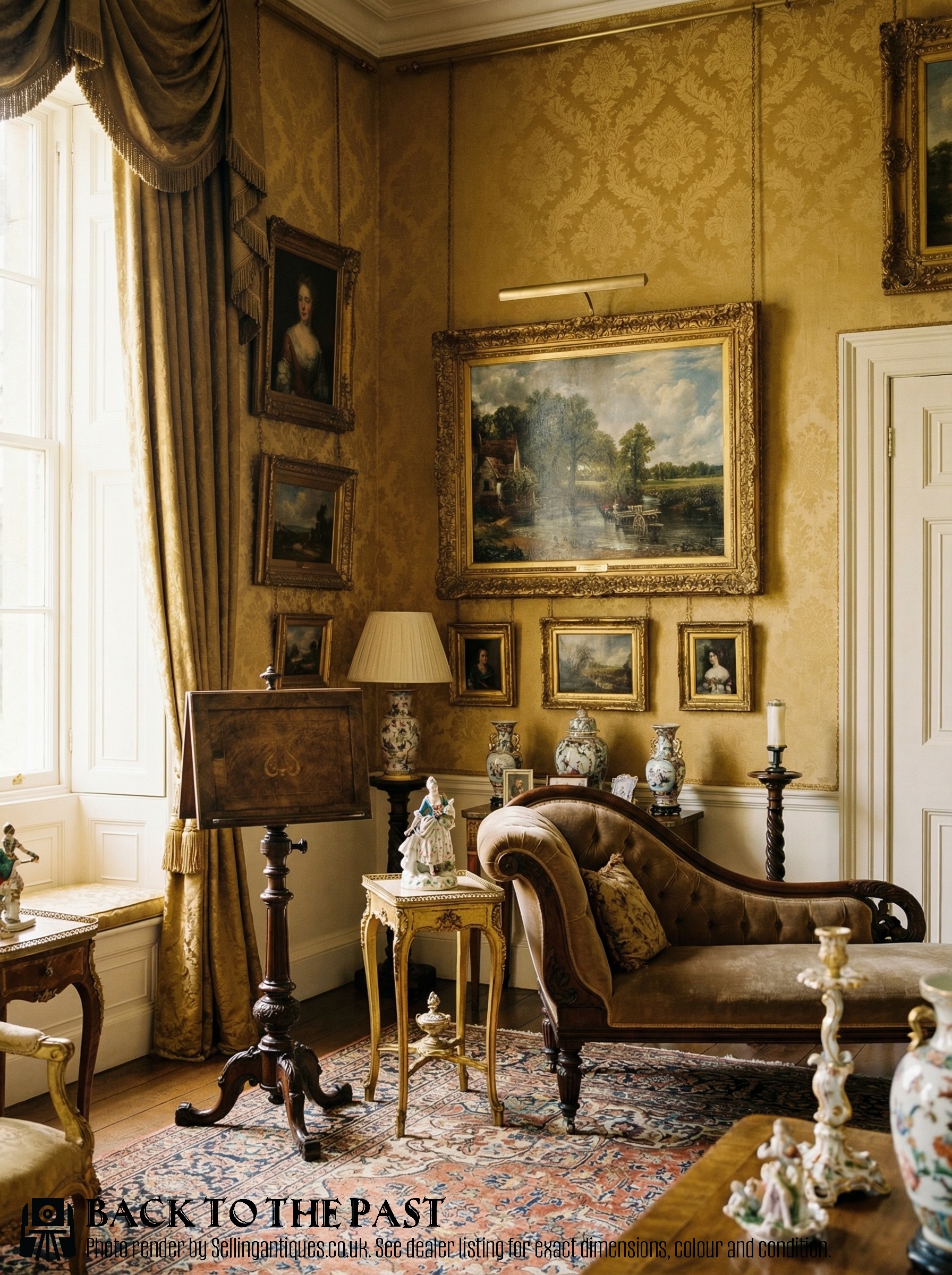
Quality rests on the crispness of hand-carved detail, the selection of figured timbers such as burr walnut or flame mahogany, and the robustness of the structural joints. Pieces designed with fully functional mechanical adjustments command attention for their engineering as much as their cabinetwork.
Ecclesiastical church pulpits and prayer desks exhibit substantial timber scantlings and deep relief carving, whereas domestic music stands and book rests rely on slender turned members and delicate fretwork. The integrity of the timber, whether golden oak or dark walnut, dictates the visual weight of the piece.
Antique Wooden Lectern Retail Price Guide 2026
Typical asking prices for wooden lectern among the pieces listed under this phrase on Sellingantiques today, from the lower quarter to the upper quarter. They describe what is for sale here now, not the wider market.
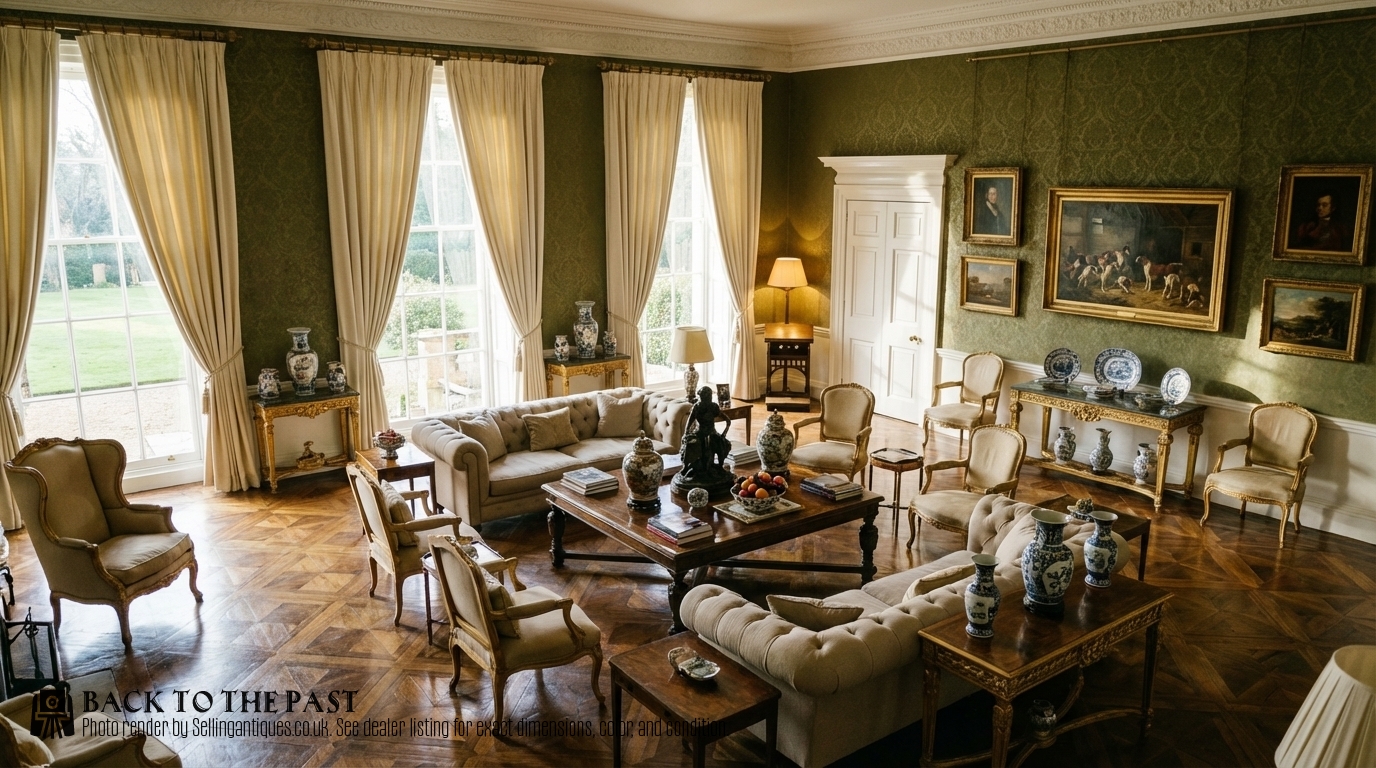
Listings feature oak, mahogany, walnut, and pine across styles from Gothic Revival to Arts and Crafts and the Regency period.
The Antique Wooden Lectern Glossary
- Gothic Revival
- A nineteenth-century style drawing on medieval architectural motifs, frequently seen in carved oak church pulpits and religious furniture. It employs pointed arches, tracery, and heavy mouldings.
- Prie Dieu
- A French devotional desk or prayer desk designed for kneeling while reading or praying. These often incorporate a cushioned kneeler and a sloping book rest.
- Duet Stand
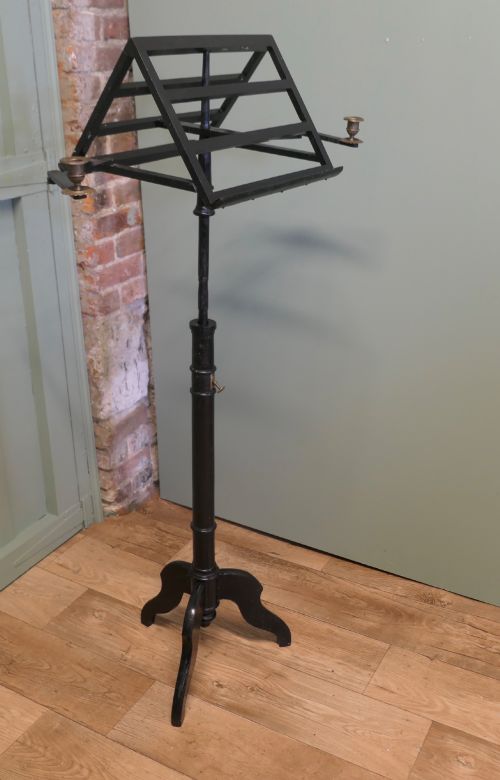
- A music stand or reading stand wide enough to accommodate two sets of sheets side by side. They often feature adjustable dual desks and fretted or lyre-shaped supports.
- Gonçalo Alves
- A dense exotic hardwood with striking contrasting grain patterns, utilised in fine nineteenth-century tripod music stands. It provides exceptional stability and a rich polished surface.
- Ratchet support
- A mechanical rack mechanism hidden behind a reading slope to hold the book rest at various angles. Fine examples use brass components for smooth adjustment.
Antique Wooden Lectern: Frequently Asked Questions
How do I choose the right size?
Consider the intended function, whether it is holding an open folio volume on a floor-standing ecclesiastical podium or supporting a cookbook on a table-top rest.
Floor models require adequate floor clearance, while smaller desk versions fit easily onto side tables or reading desks.
Where were these pieces used originally?
Many originated in churches, chapels, and cathedrals as pulpits, prayer desks, and missal stands for religious services.
Others served in domestic libraries, music rooms, and studies, or in commercial settings like hotel and restaurant reception areas as greeting stations.
Are the reading heights adjustable?
Many music stands, reading tables, and lecterns feature mechanical adjustments using brass ratchets, screws, or sliding shafts to alter height and slant.
Fixed church pulpits and heavy prayer desks, by contrast, maintain a static height designed for standing or kneeling speakers.
How do I care for antique wood?
Maintain the timber by keeping it away from direct heat sources and rapid humidity changes that can cause splitting in old oak and mahogany.
Apply a traditional beeswax polish occasionally to nourish the grain and protect the surface finish without building up heavy residues.