



Antique Church Lectern
An antique church lectern brings architectural gravity and rich timber presence into a room, offering both sculptural weight and functional display.
Antique Church Lectern
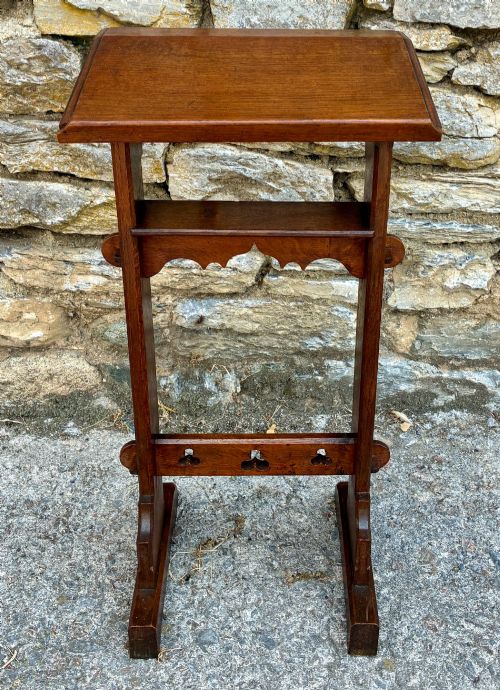
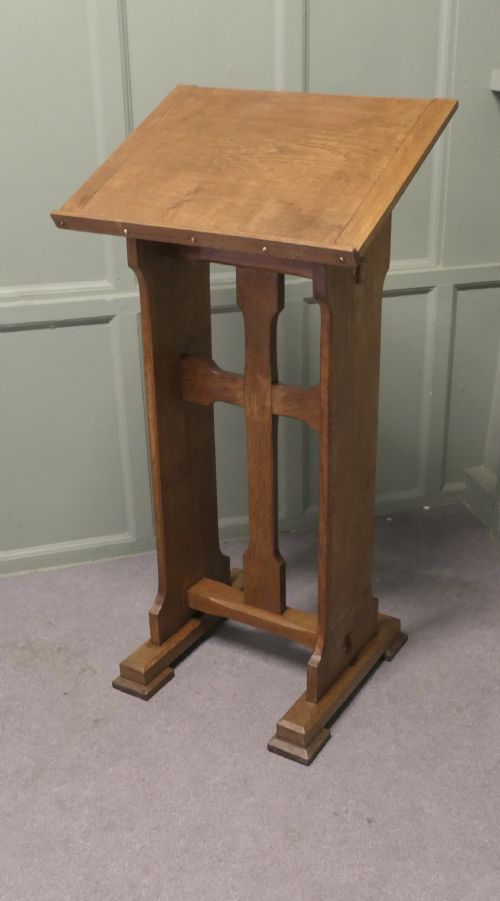
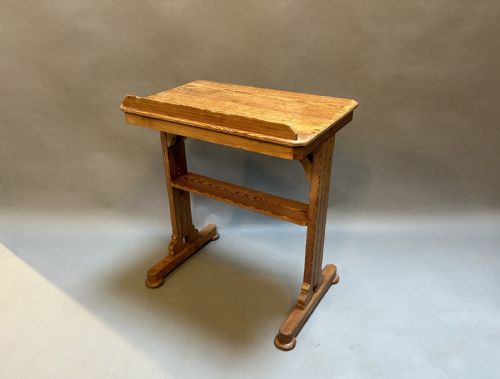
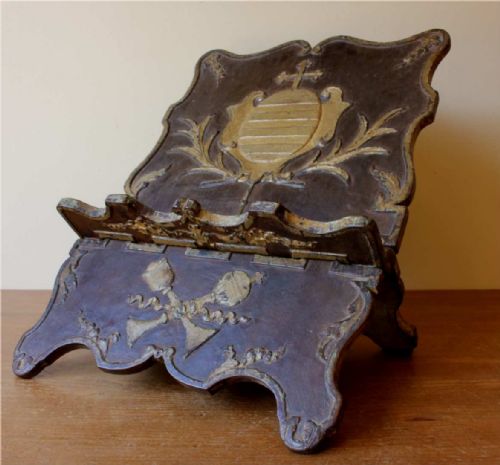
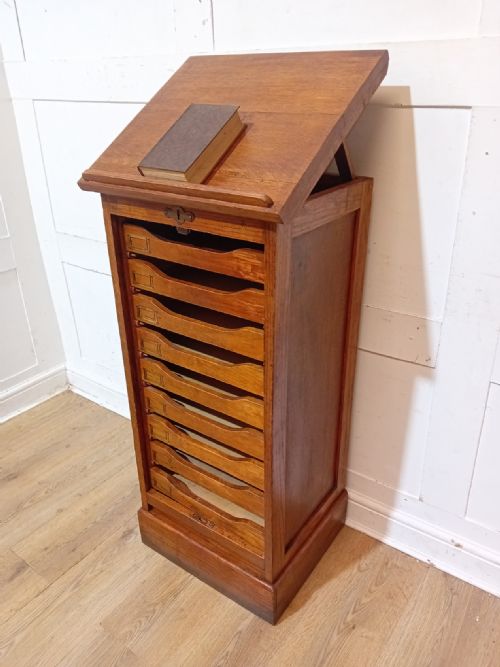
An antique church lectern stands as a commanding piece of ecclesiastical furniture designed to hold sacred texts, prayer books, or display pieces. These functional items encompass prayer desks, devotional furniture, and pulpits repurposed over time into home bars or reception desks.
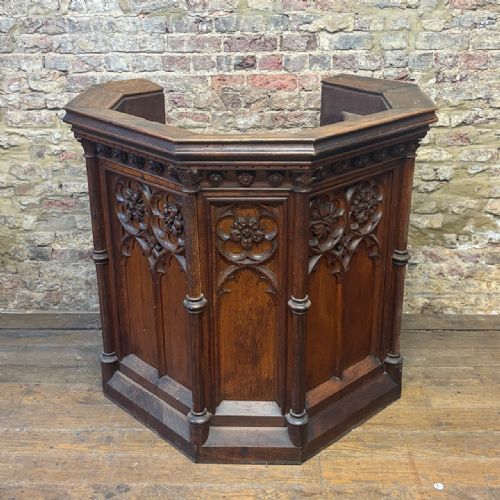
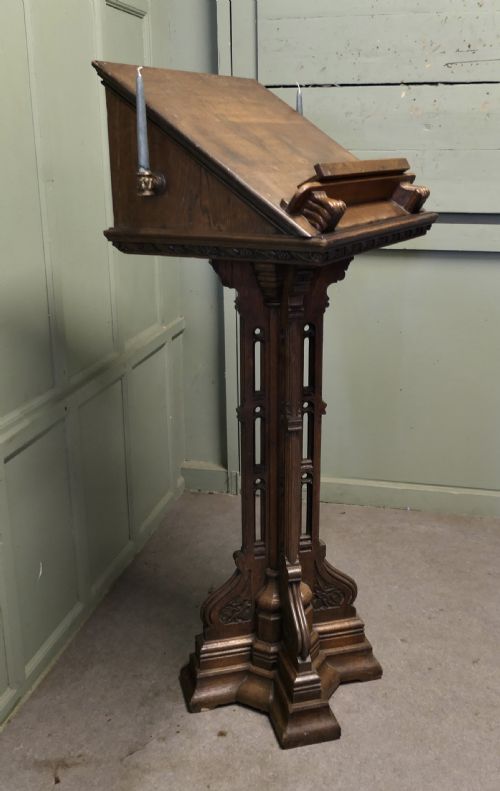
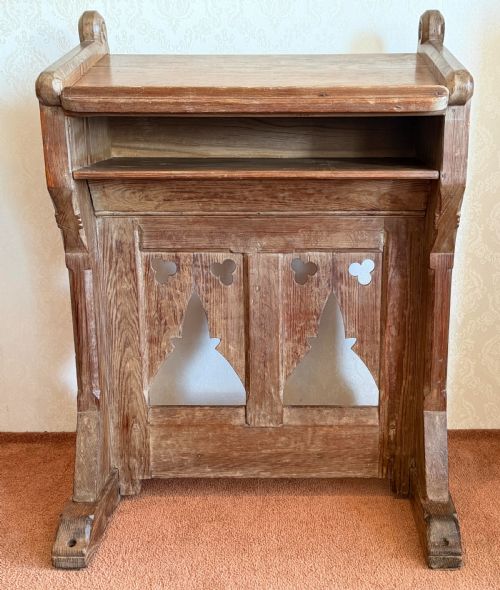
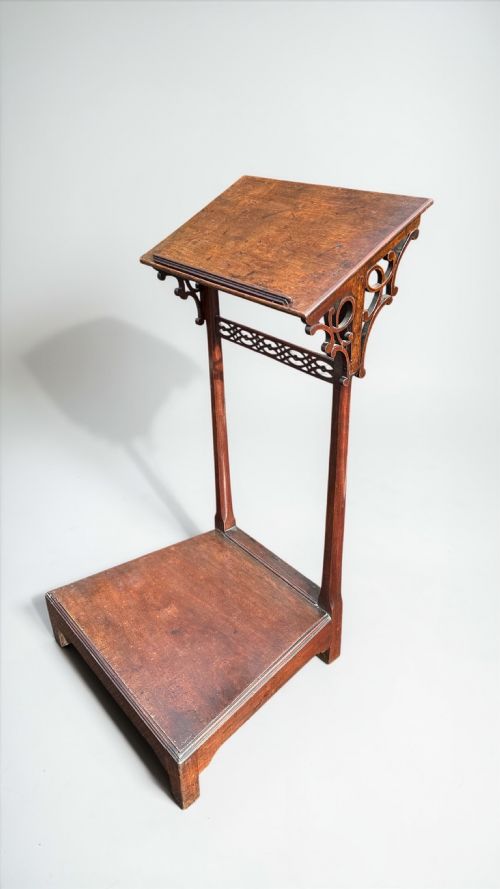
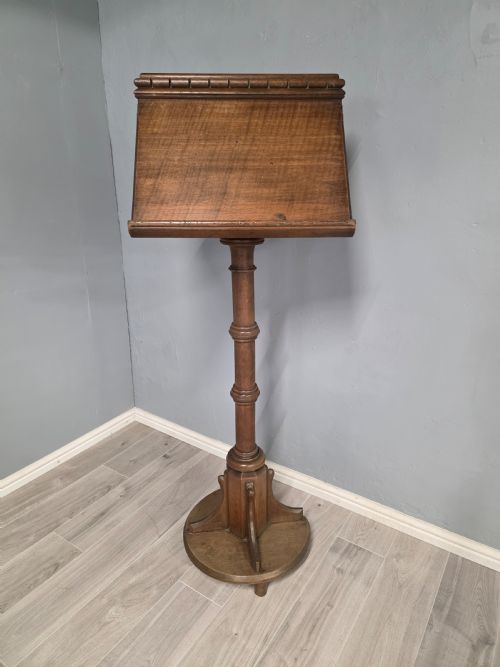
The versions most likely to meet you on this page date from the Georgian, Victorian, and early twentieth-century periods. They include carved oak examples in the Gothic Revival style, alongside Arts and Crafts reception desks and Chippendale period prie-dieu.
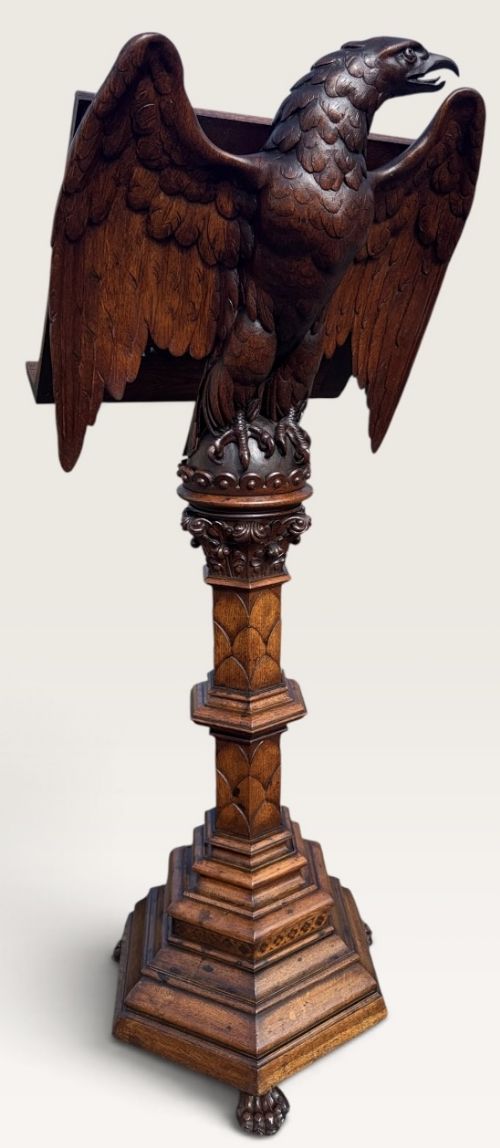
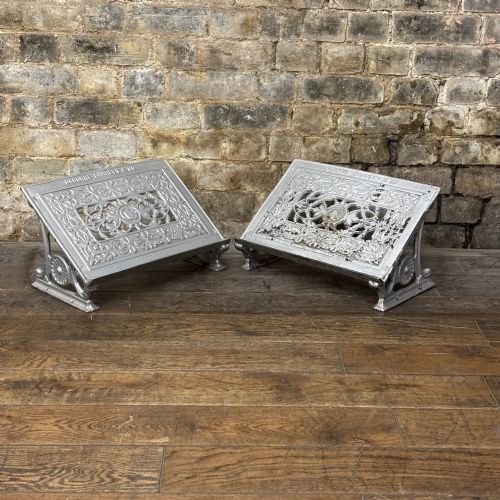
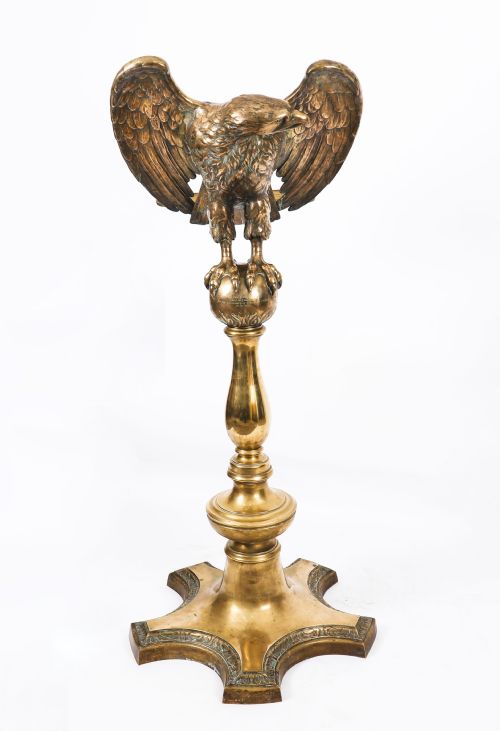
Makers and workshops constructed these furnishings primarily from sturdy timbers like oak and mahogany, often enhanced by brass and iron details. The forms range from double-sided church lecterns to carved wooden eagle lecterns and simple oak prayer desk kneelers.
How they were made
Craftsmen built these lecterns and desks using traditional joinery and solid timbers, predominantly oak and mahogany. Structural reinforcement often involved iron hardware and brass accents to secure moving parts or support heavy reading surfaces.
Carving defines the decorative character of these pieces, executed by hand with deep relief work seen in Gothic Revival and Chippendale examples. Joiners shaped the wood to form stepped bases, slanted reading slopes, and integrated kneeling benches.
Antique Church Lectern Retail Price Guide 2026
Typical asking prices for church lectern among the pieces listed under this phrase on Sellingantiques today, from the lower quarter to the upper quarter. They describe what is for sale here now, not the wider market.
Listings span four distinct periods: 1900, 1800, Georgian, and Victorian, constructed in oak, mahogany, brass, wood, and iron.
What varies in quality
The distinction between standard utility items and exceptional examples lies in the depth and fluidity of the hand carving. Pieces featuring crisp tracery, well-proportioned architectural framing, and substantial timber sections sit firmly at the upper end of the range.
Adaptation and surface finish also govern quality, as untouched patination on honest oak or mahogany elevates a piece above heavily restored alternatives. The integrity of the original construction, from the slope angle to the stability of the base, determines the lasting architectural merit.
The Antique Church Lectern Glossary
- Prie-dieu
- A devotional desk designed for kneeling during prayer, featuring a sloping top for books and a lower padded or wooden shelf for the knees.
- Gothic Revival
- An architectural and decorative style drawing on medieval pointed arches, trefoils, and heavy carved tracery.
- Chippendale
- An eighteenth-century English furniture style known for refined classical proportions, intricate mahogany carving, and solid cabinetwork.
- Ecclesiastical
- Relating to the Christian Church or its clergy, describing items originally commissioned for worship spaces.
Antique Church Lectern: Frequently Asked Questions
What is an antique church lectern used for today?
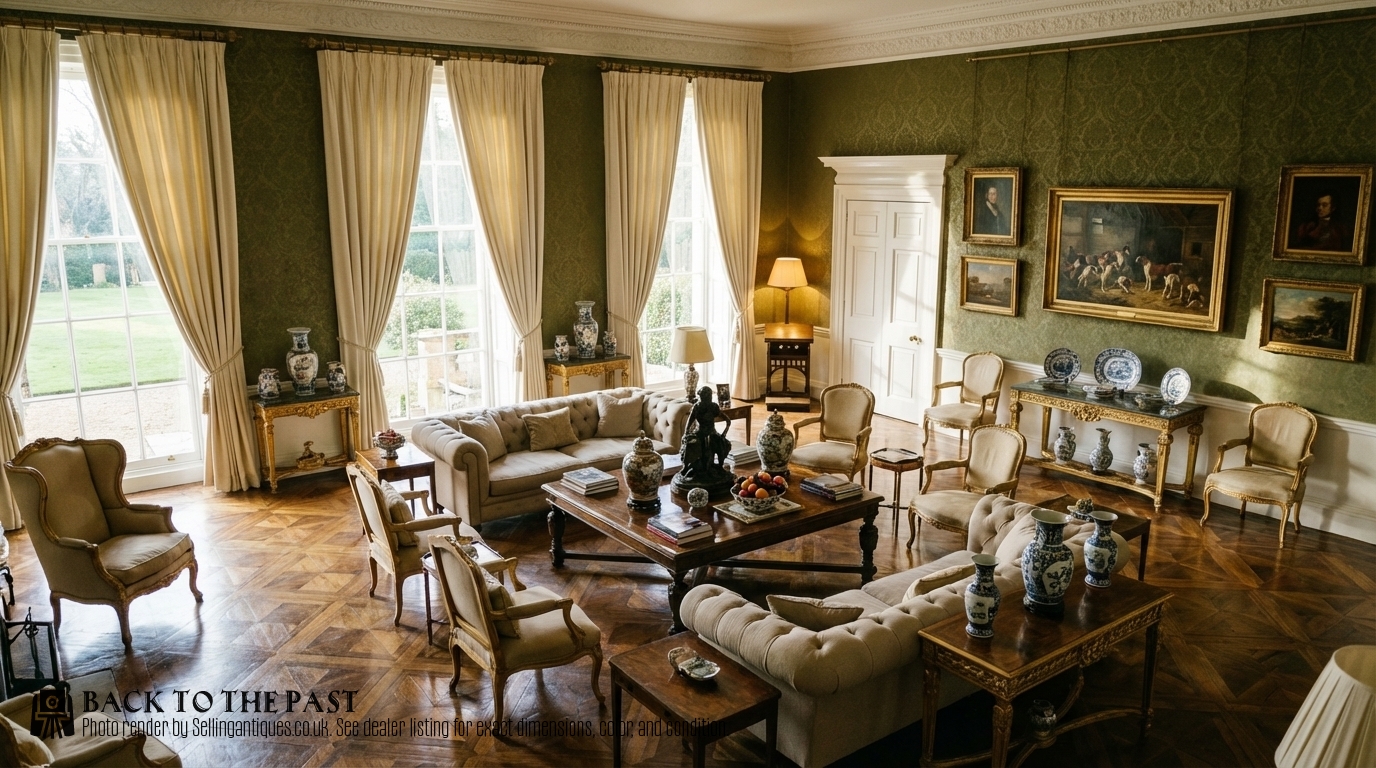
While originally built to hold service books in places of worship, modern homes utilise these pieces as striking reading stands, book displays, or reception desks.
Their substantial height and slanted surfaces also lend themselves well to creative domestic settings, such as repurposed home bars or focal points in studies.
How do I tell Gothic Revival from Chippendale lecterns?
Gothic Revival pieces display medieval architectural motifs like pointed arches, heavy oak construction, and deep geometric tracery. They look solid, dark, and monumental.
Chippendale examples, by contrast, date from the Georgian era and showcase lighter mahogany framing, classical proportions, and finer, cabinet-maker joinery.
What woods were used to build these church furnishings?
Oak is the predominant timber found in these ecclesiastical pieces, valued for its strength, durability, and traditional association with church interiors. Mahogany also appears, particularly in finer Georgian examples.
Iron and brass frequently supplement the primary wooden structures as hinges, brackets, or decorative mounts.
Are all these lecterns double-sided?
No, configuration varies significantly depending on the original function of the piece within the church or chapel. While some heavier lecterns feature double-sided revolving or fixed desks, others are built as single-sided prayer desks, pulpits, or wall-facing reception stations.
Examining the slope and base construction reveals whether the piece was designed for a single reader or shared use.