25,014  PAGES BROWSED TODAY PAGES TODAY 169 ANTIQUES UPLOADED TODAYNEW ARRIVALS
169 ITEMS ADDED TODAY
Sort Order
Items Per Page
Browse Categories
Sort order
Relevant Links
Items per page
ID #SA1200662
FOR SALE
£7,250
Email
Save
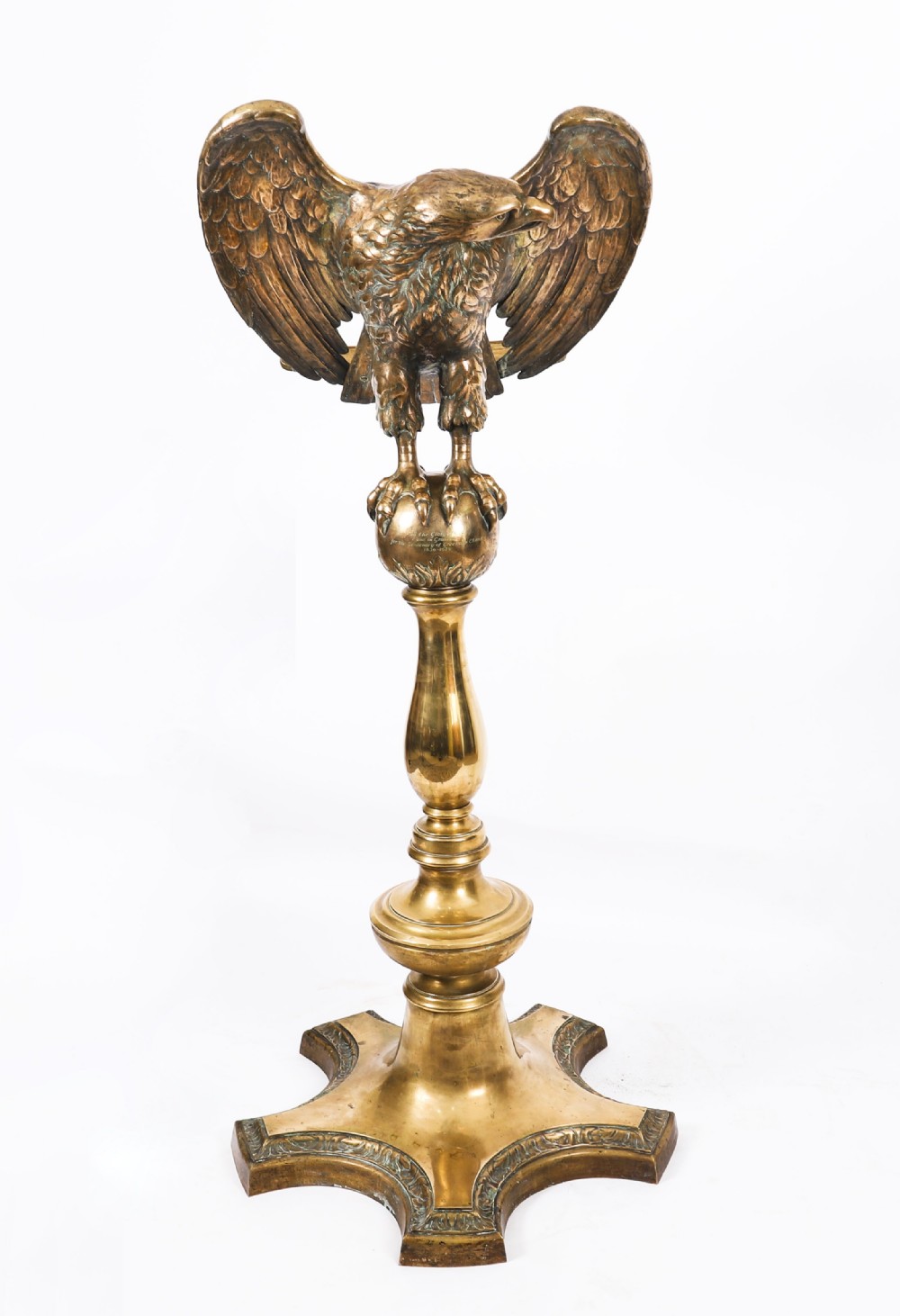
Antique Scottish Ecclesiastical Brass Eagle Lectern Greenside Church 19th C
Regent Antiques
for sale €8,483     $9,208
£7,250
Regent Antiques

Regent Antiques

Sellingantiques Verified Since Sep 2016
Browse dealers 641 items
  • About Us
    We specialise in english and continental furniture, silver, porcelain and decorative items.
  • Trade Associations
    Regent Antiques is a registered member of LAPADA  CINOA
Id #SA1200662
PDF SHARE
SAVE

Antique Scottish Ecclesiastical Brass Eagle Lectern Greenside Church 19th C

19th century
For Sale by Regent Antiques
Description

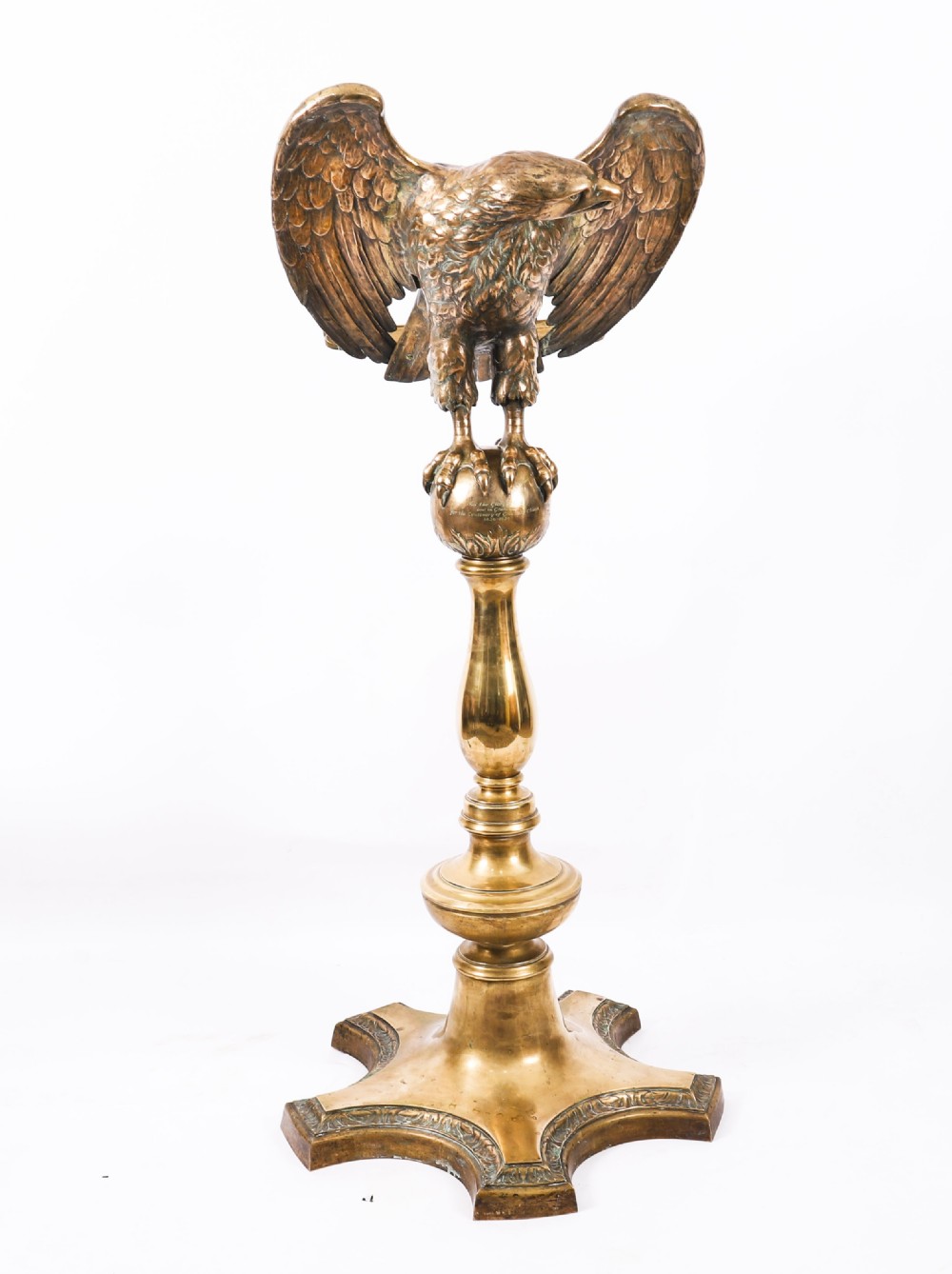
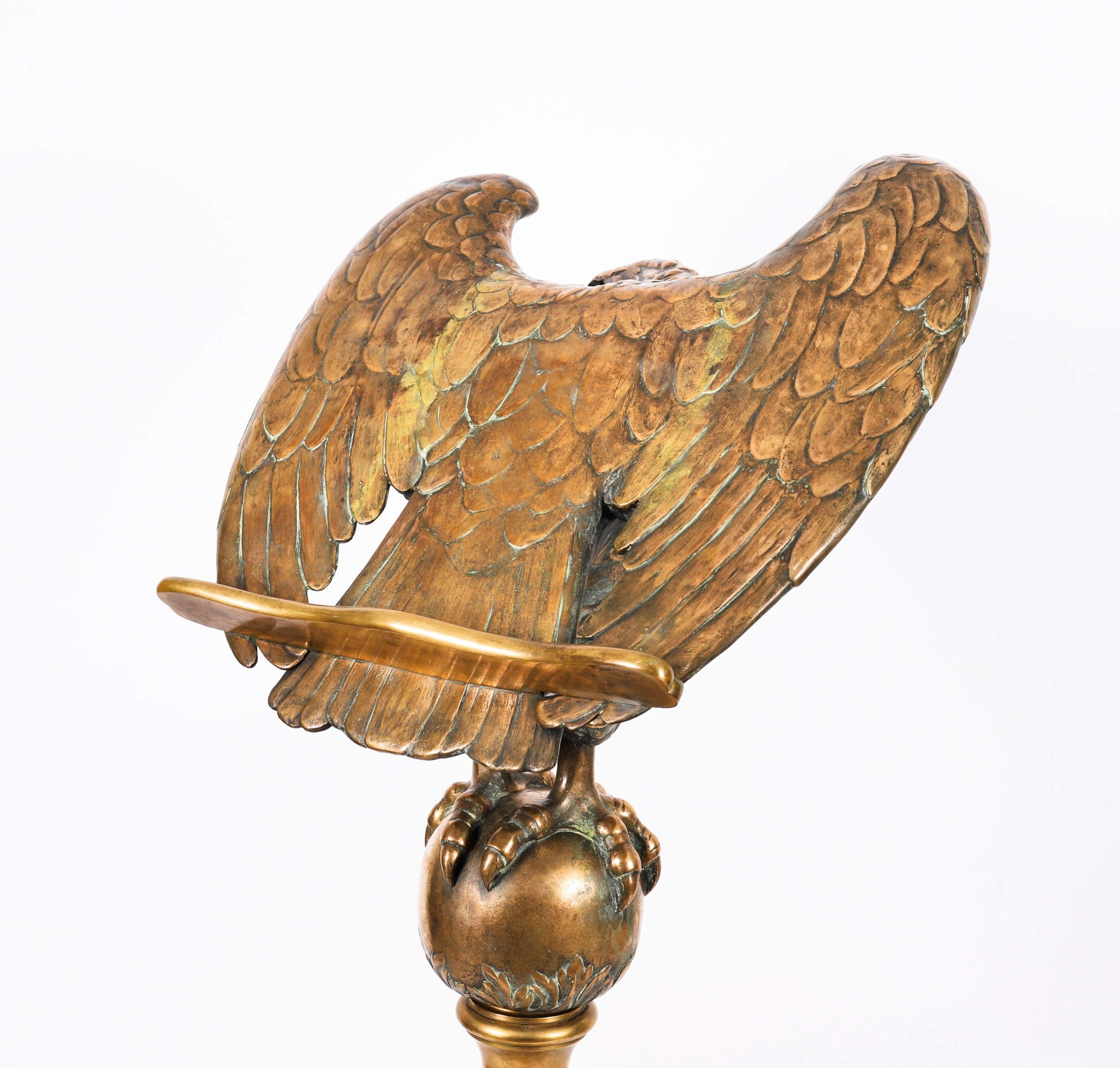
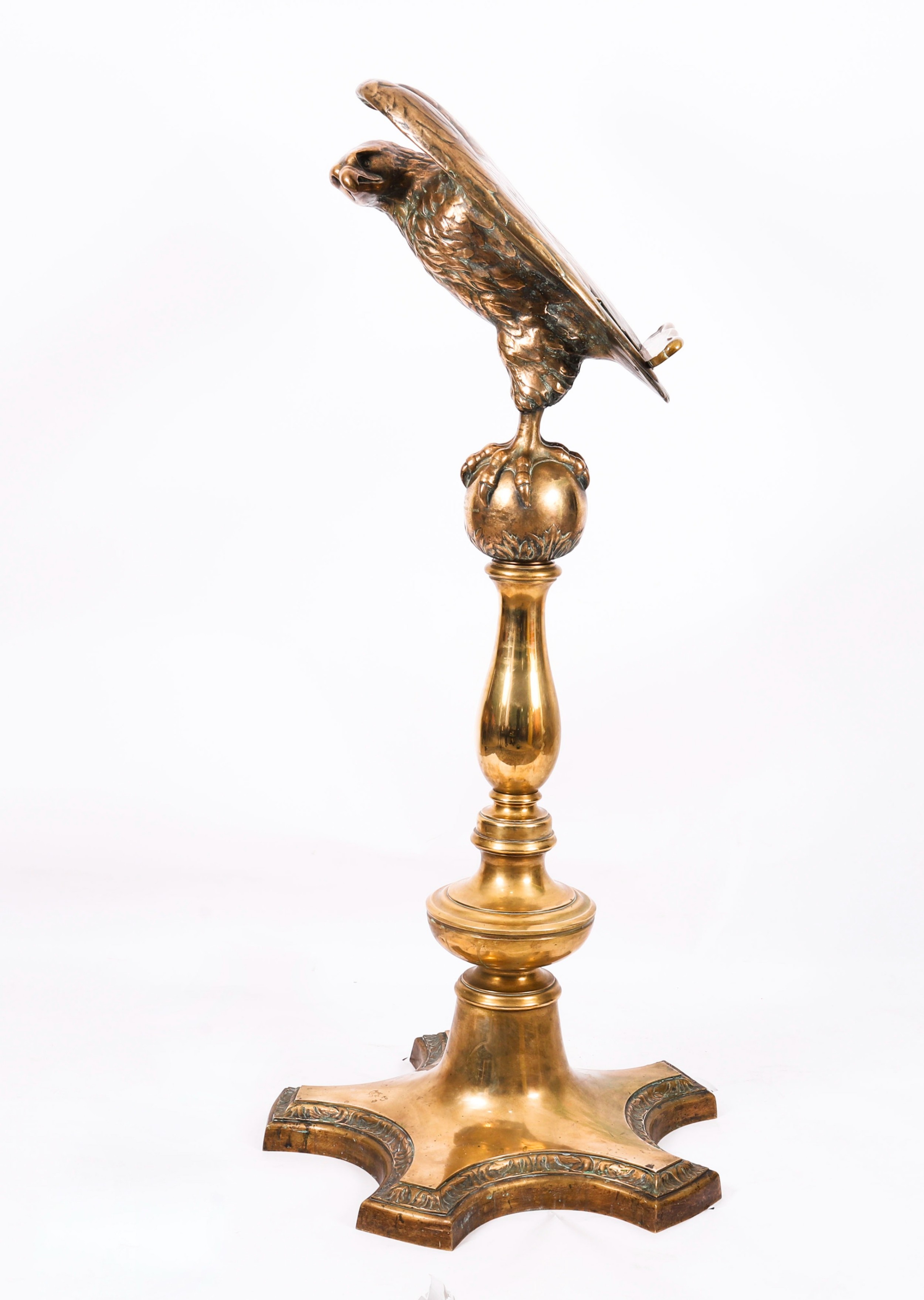
This is an impressive antique brass Victorian ecclesiastical eagle lectern, circa 1890 in date.

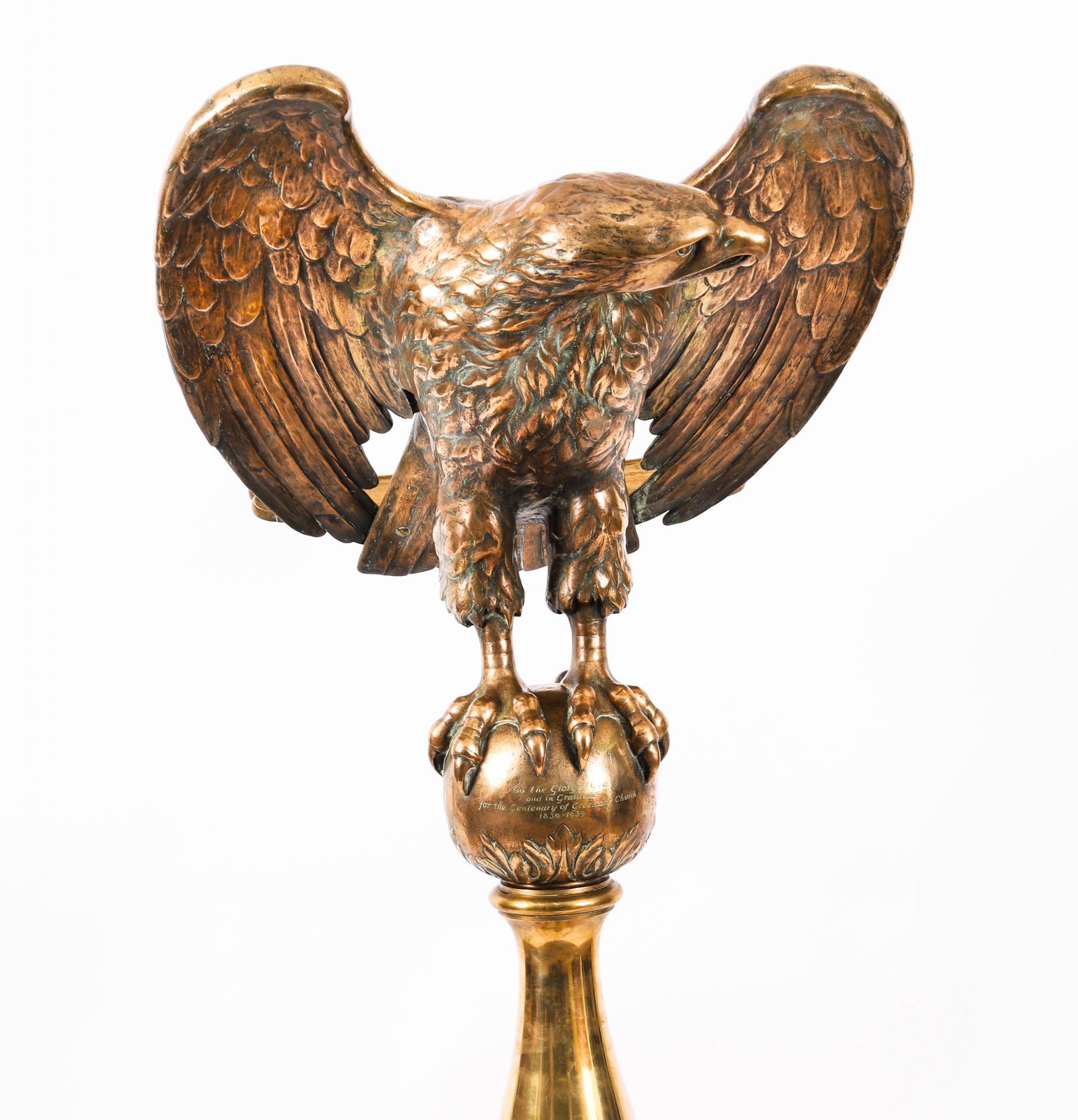
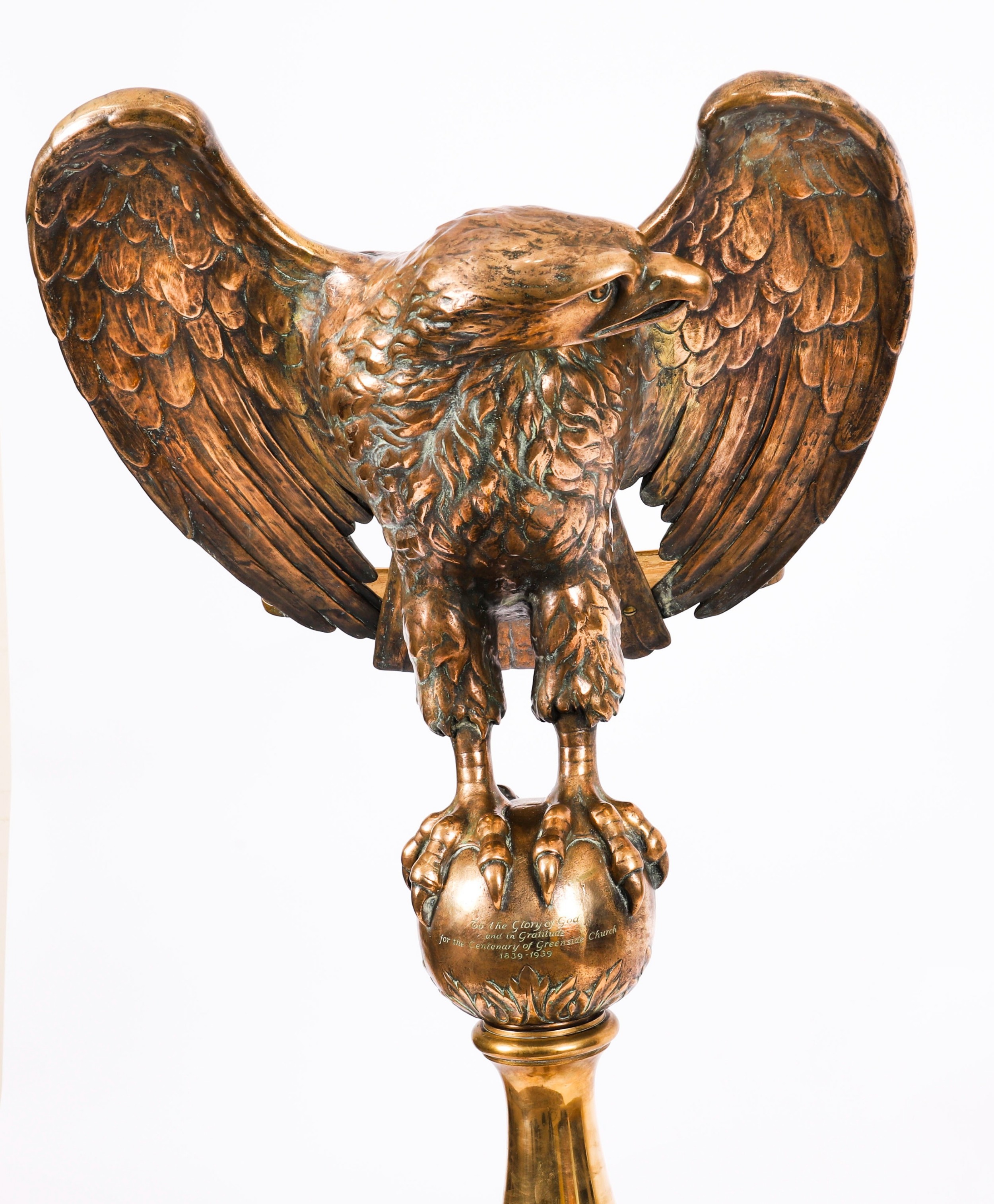
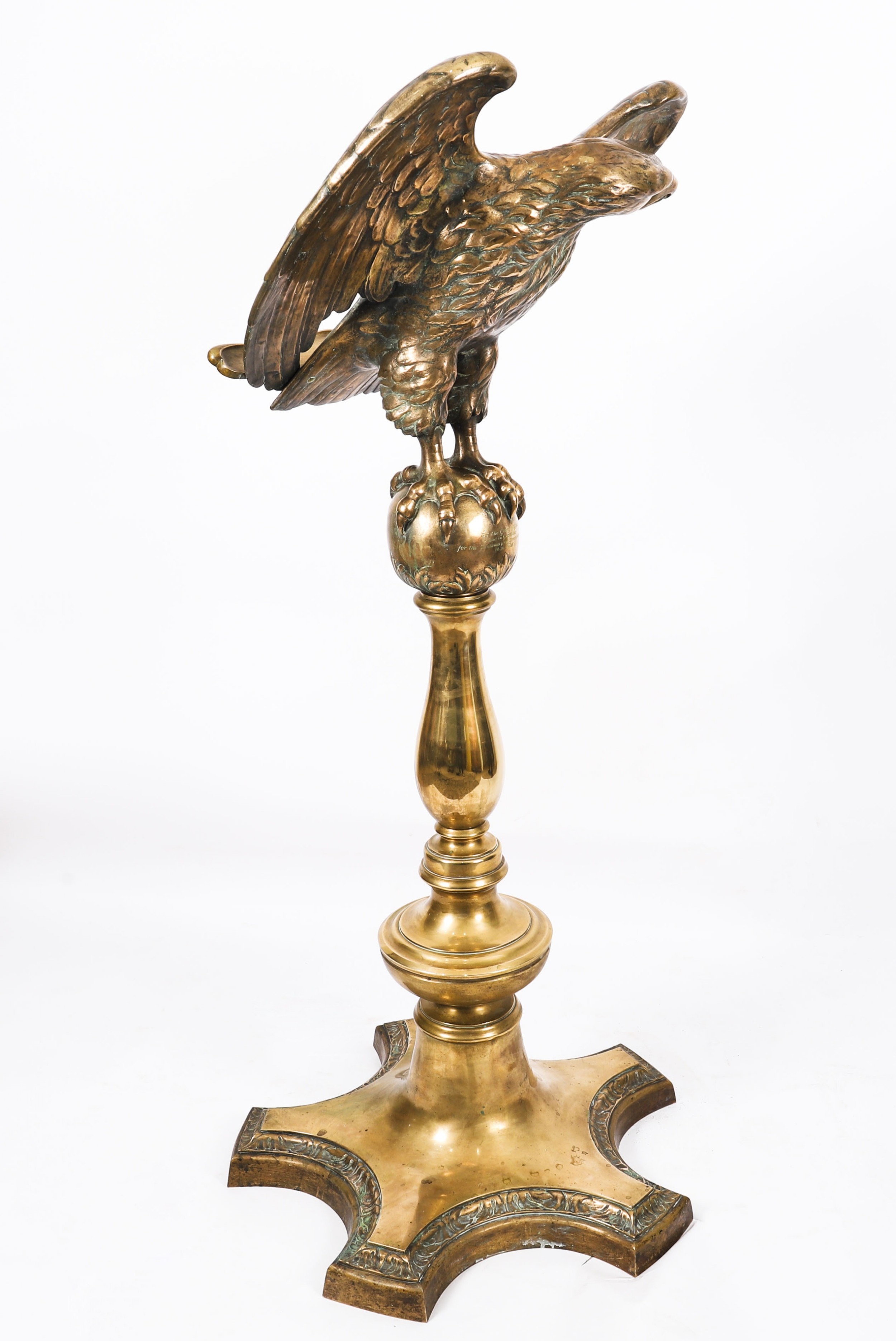
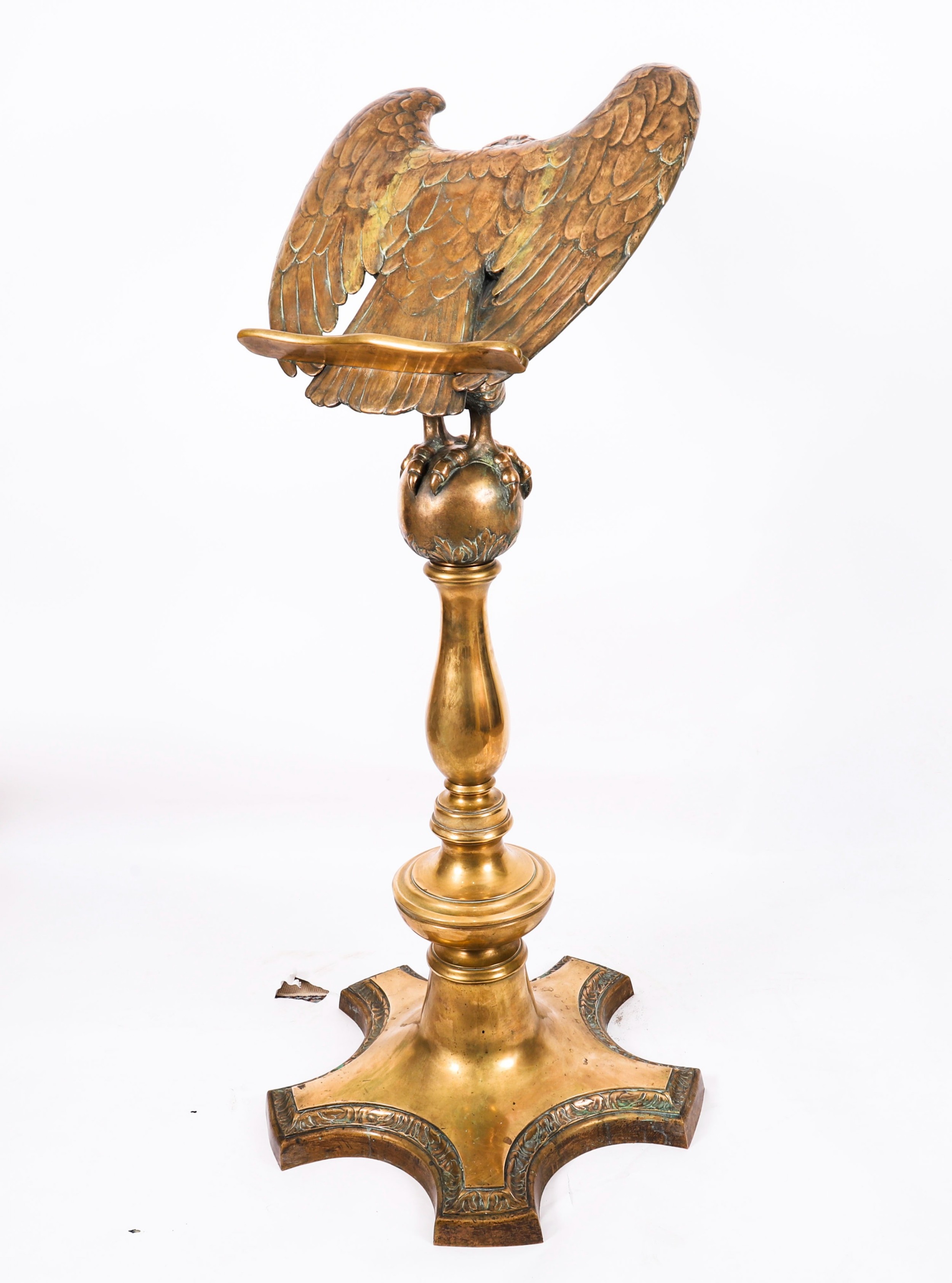
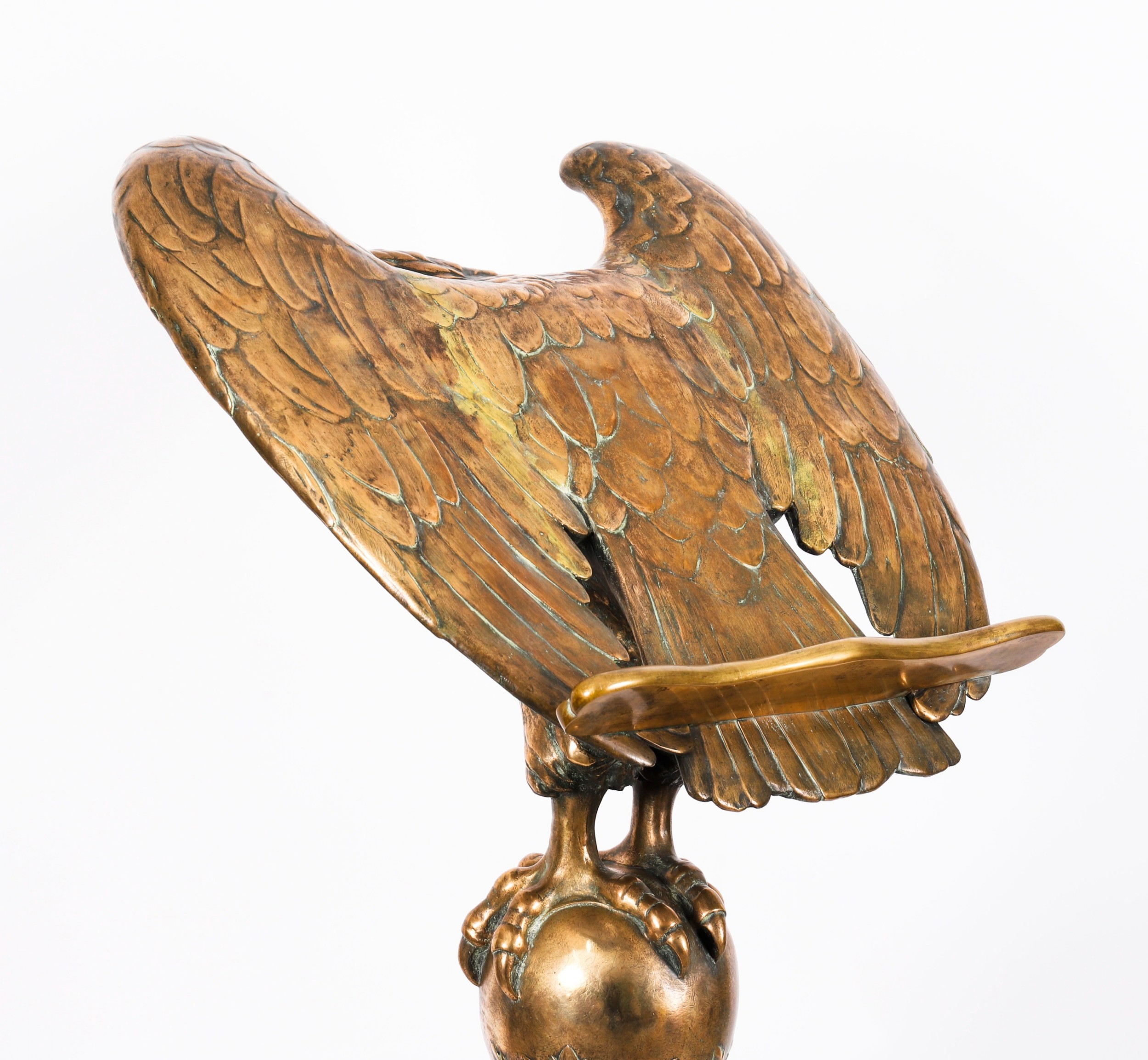
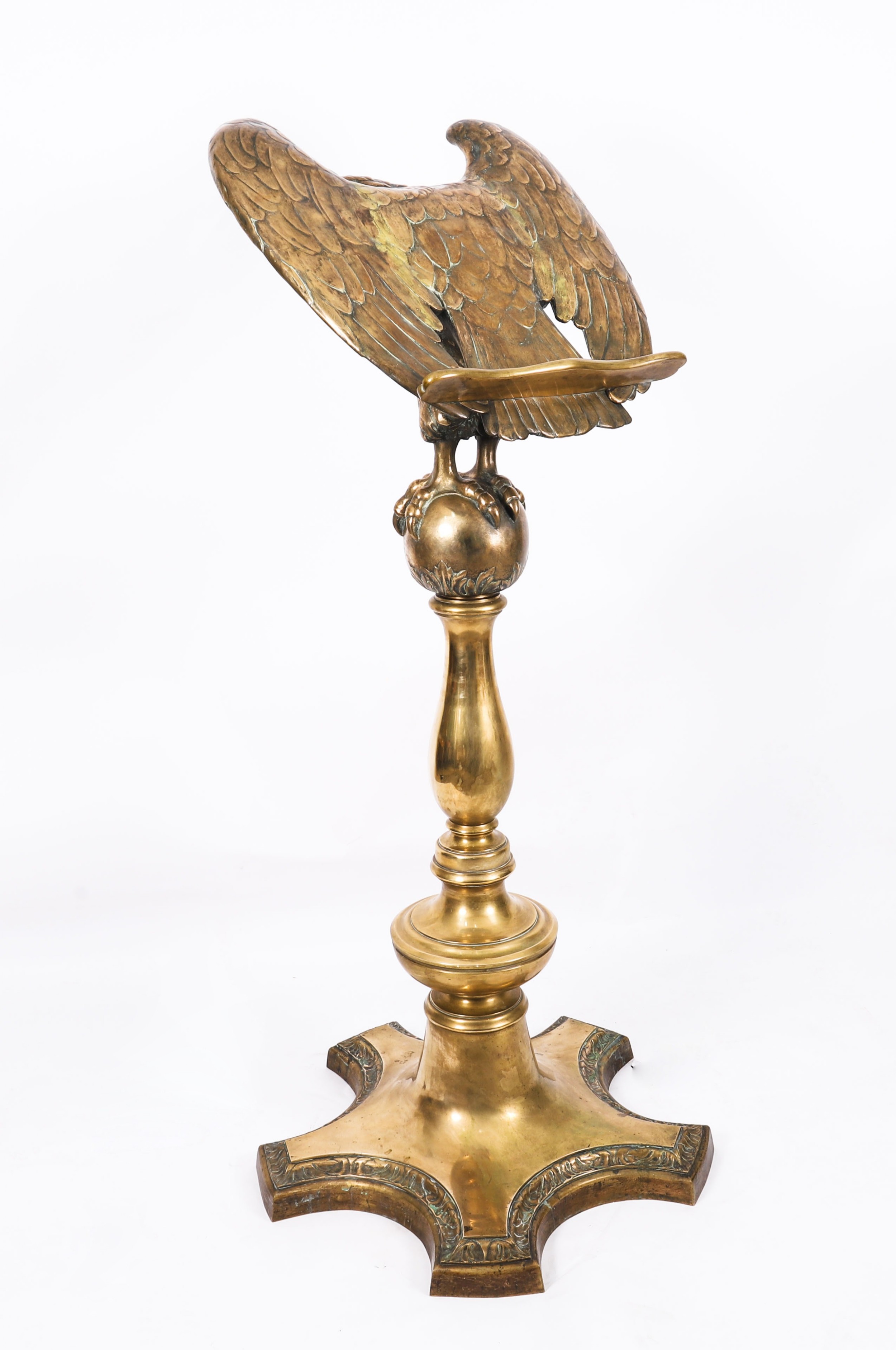
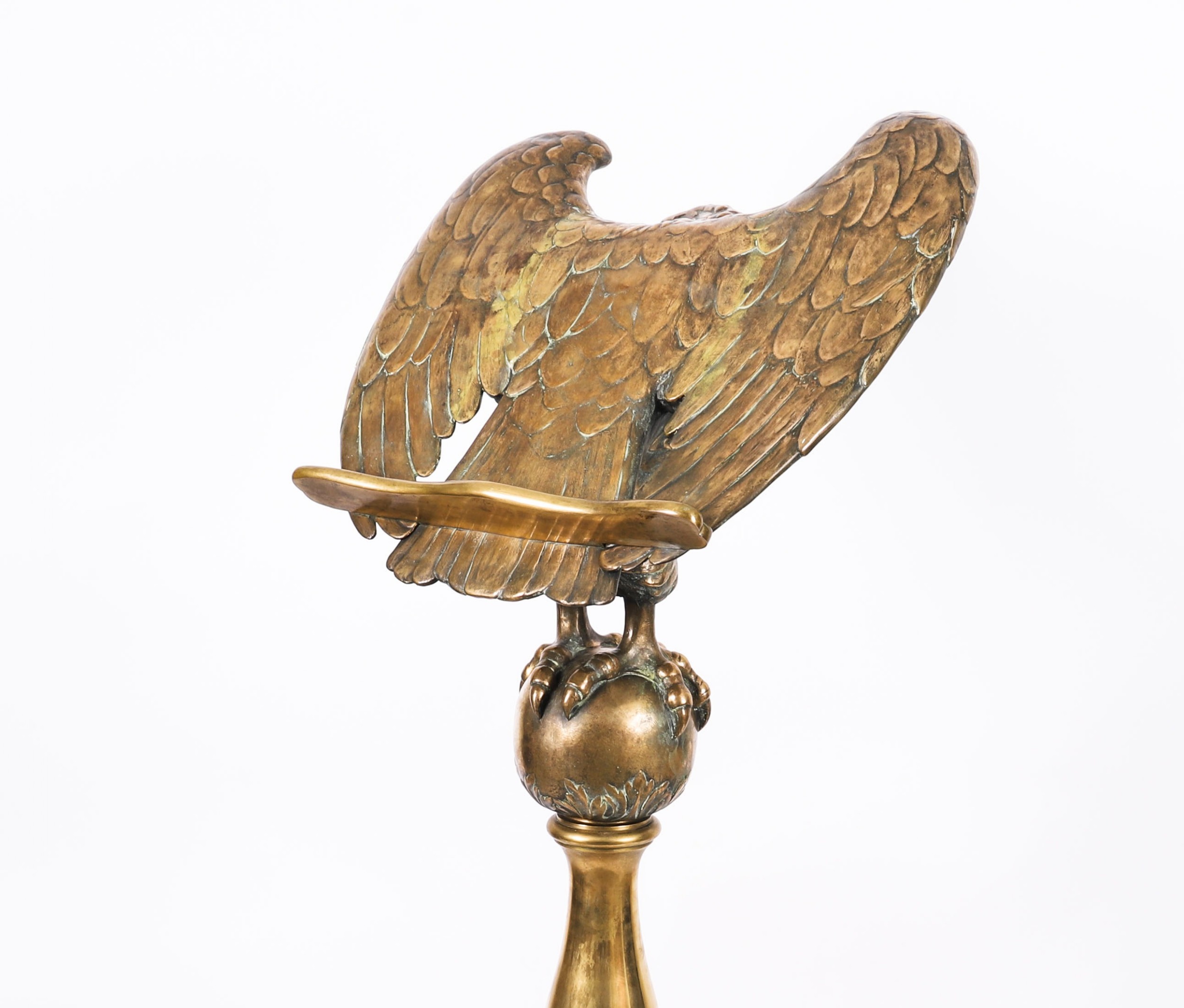
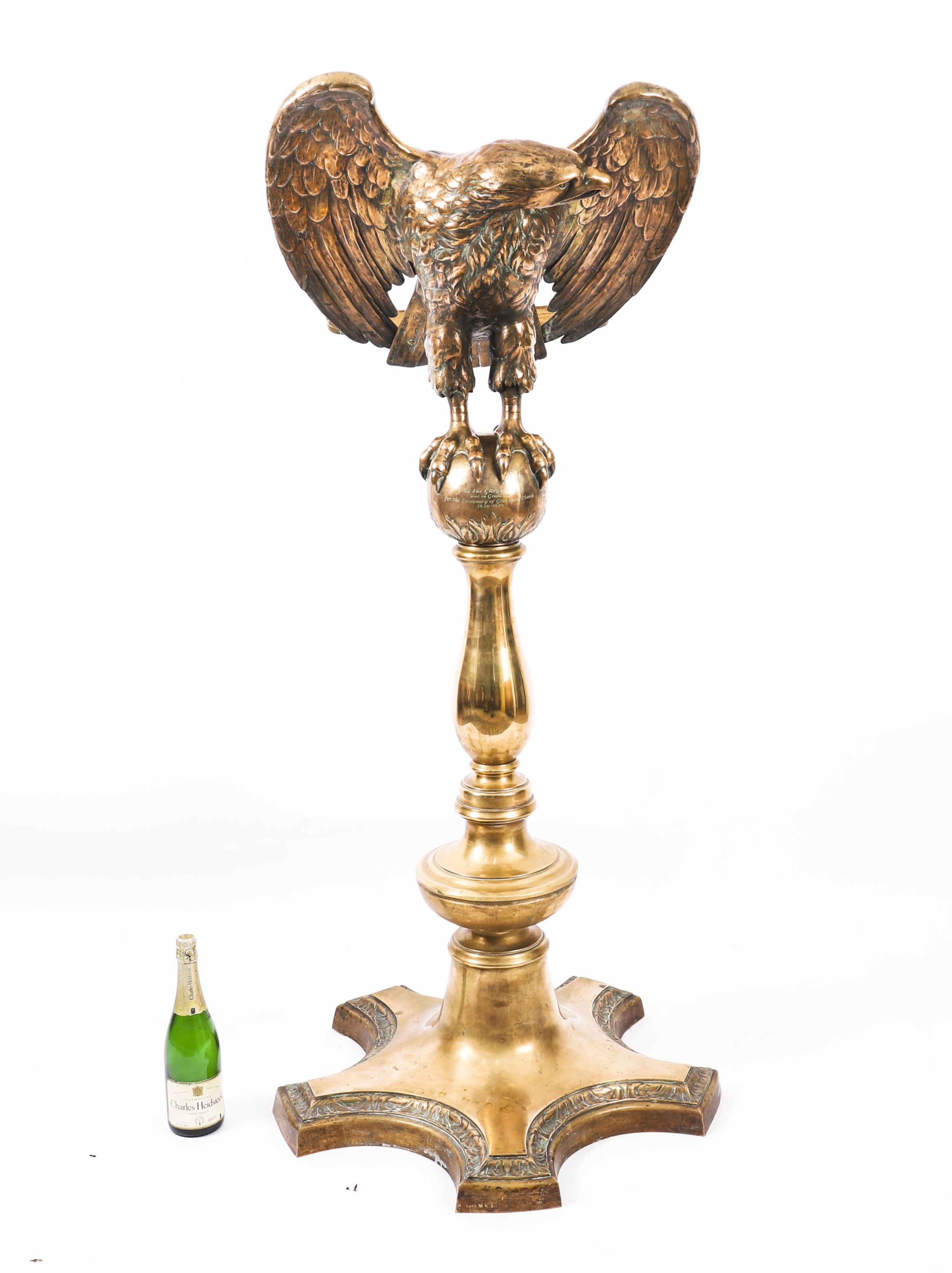
The 5ft3inch (157cm) lectern features an eagle with wings outstretched and detailed feathers to form the book rest,  on a ball surmounting a knopped column.

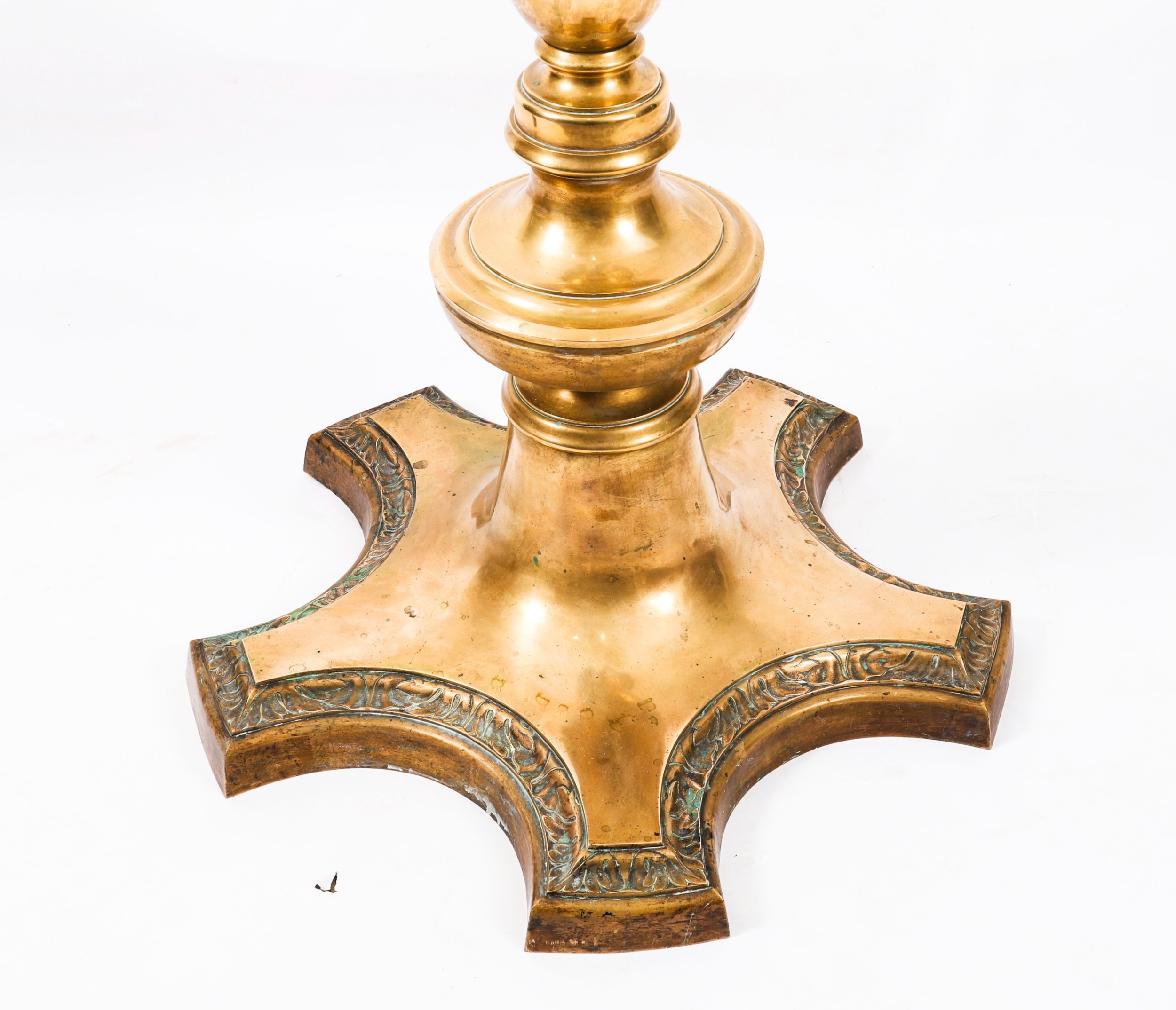
The flared moulded base has five bracket feet and the attention to detail throughout this wonderful piece is second to none.

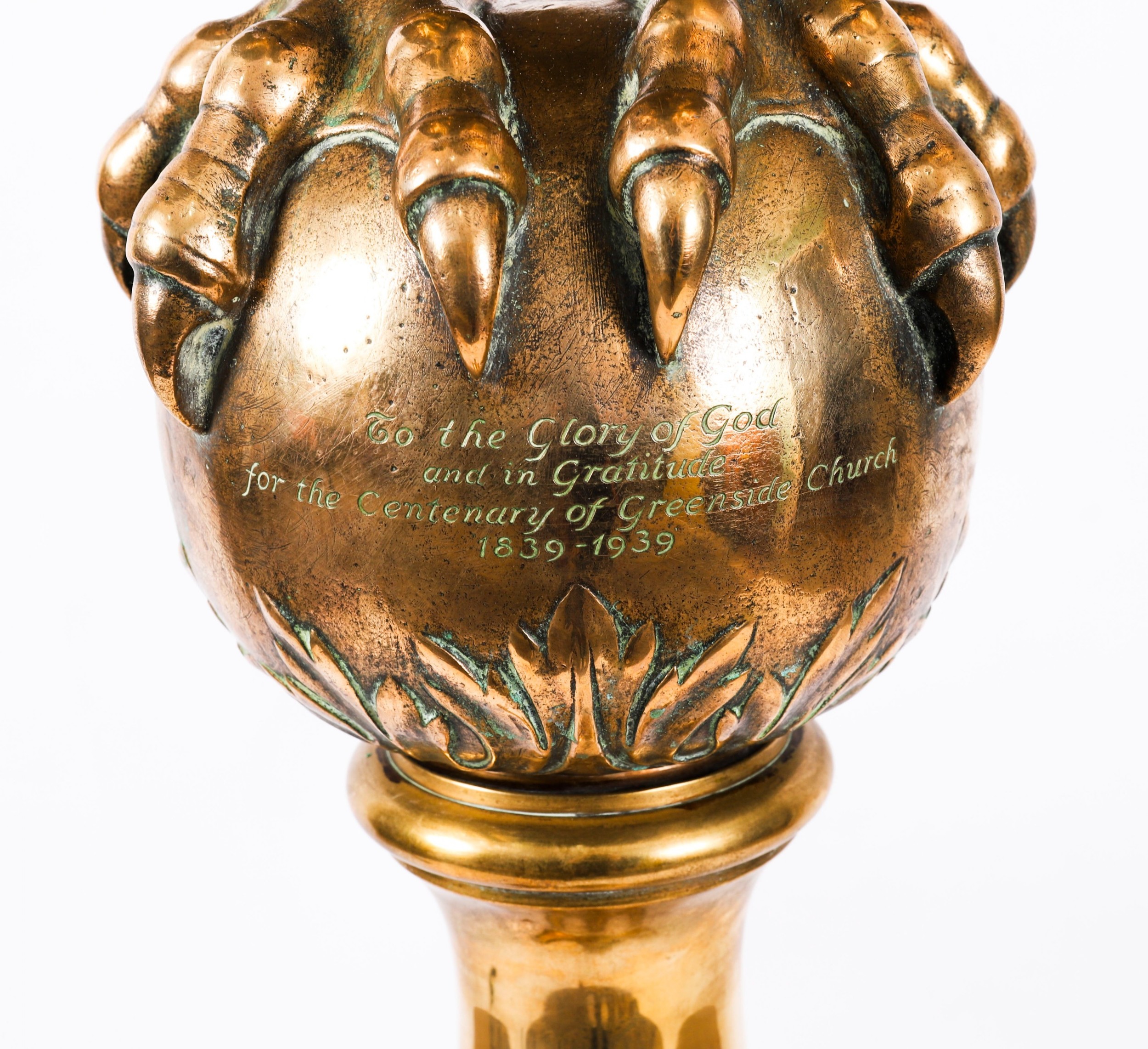
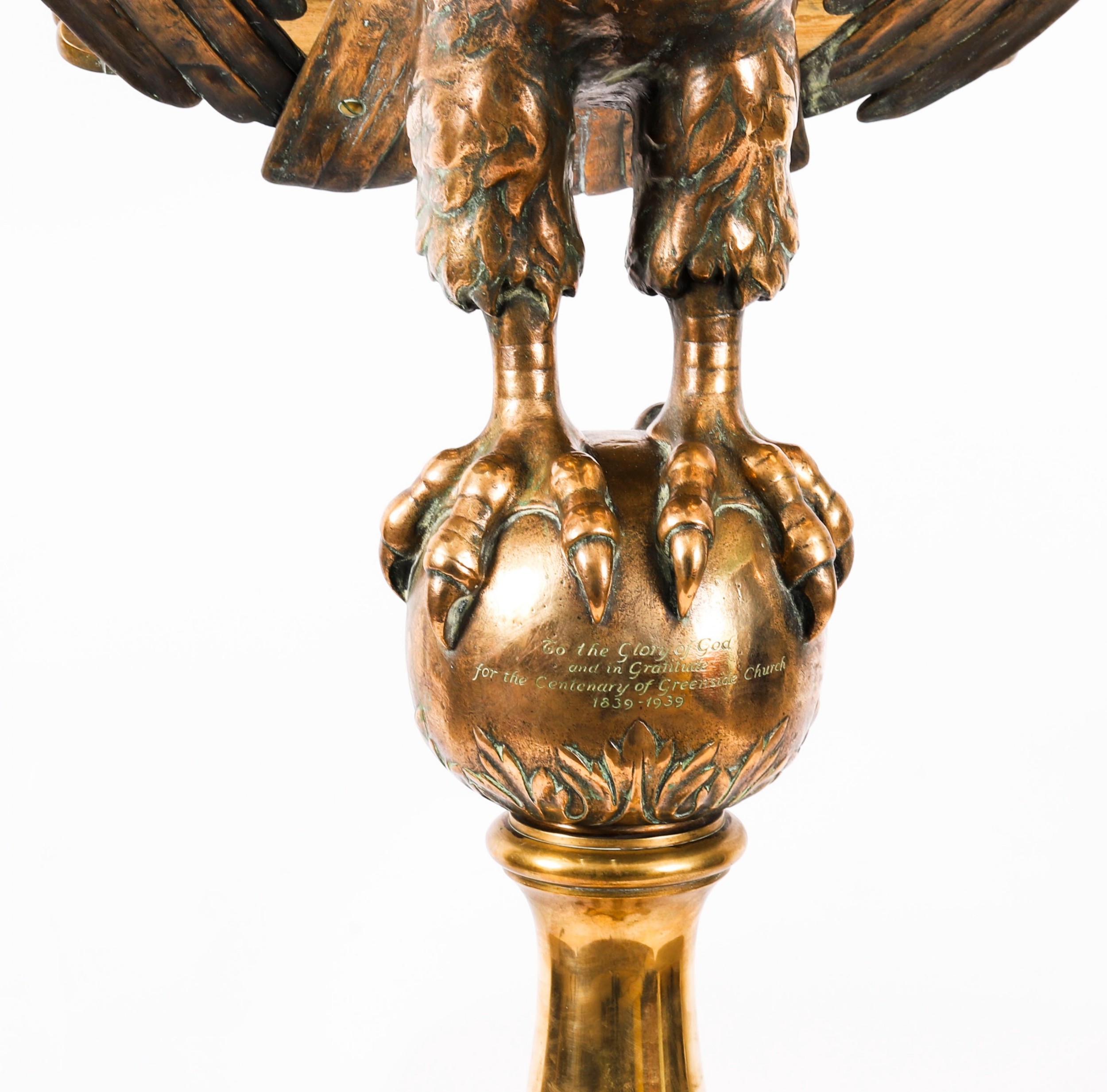
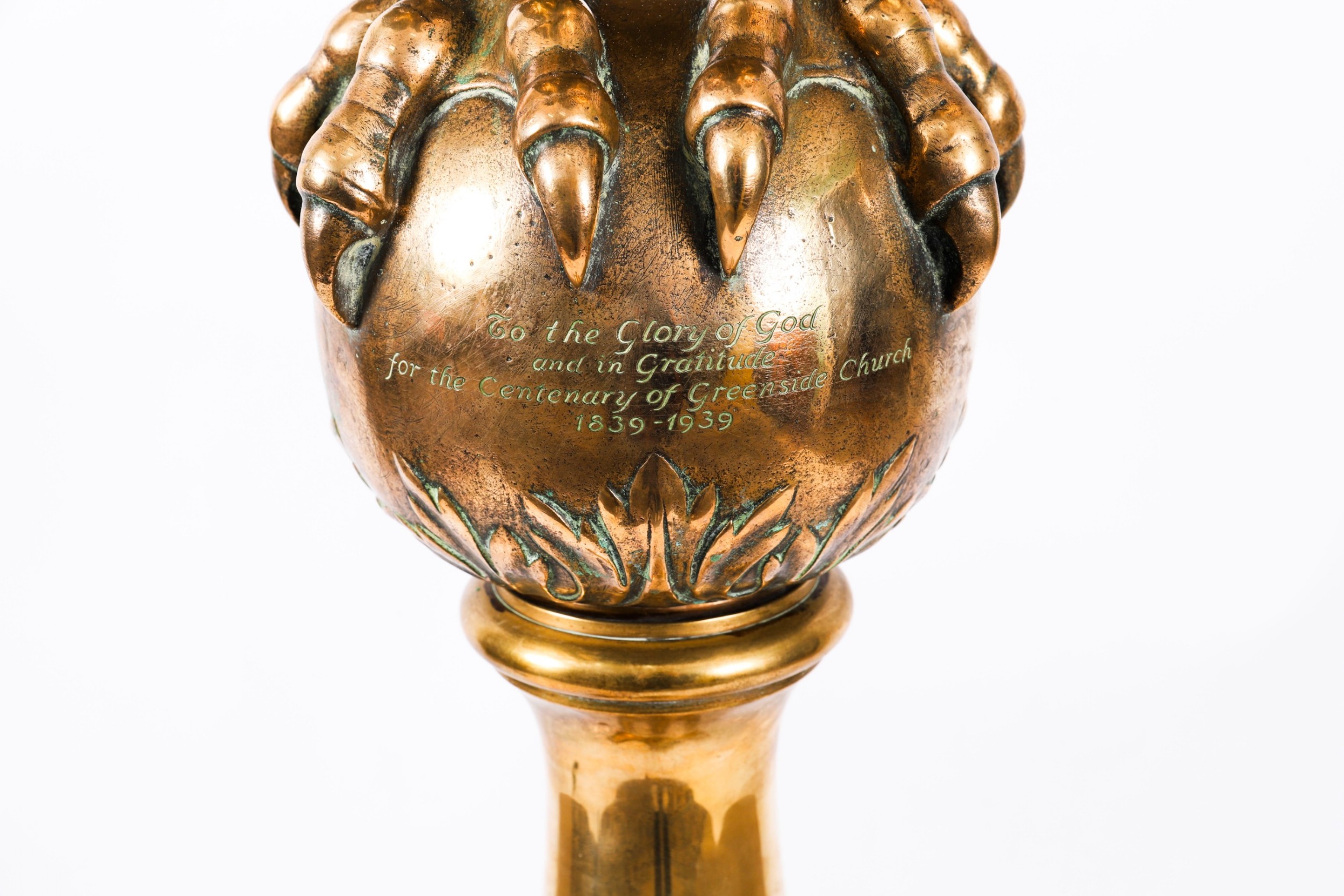
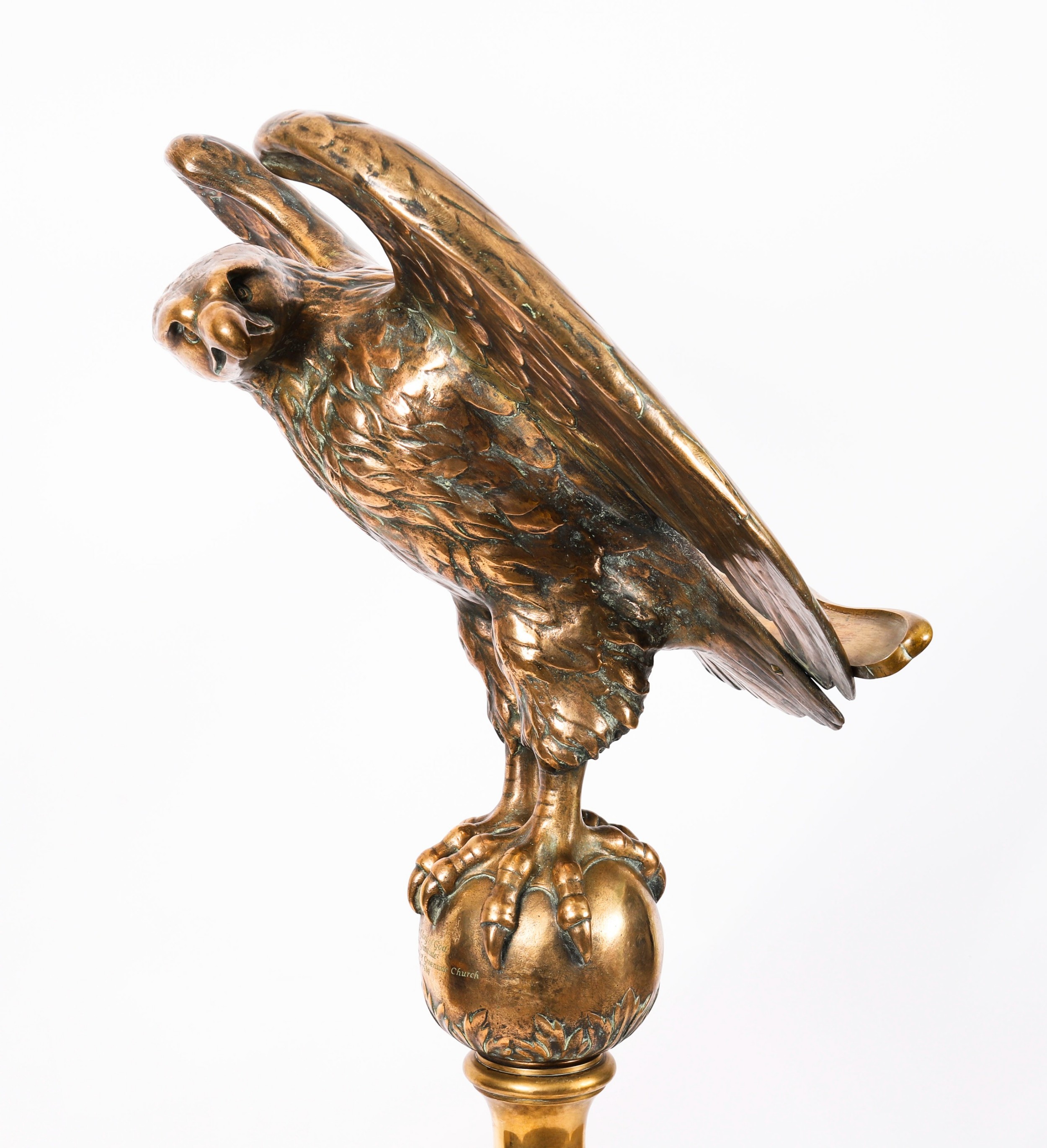
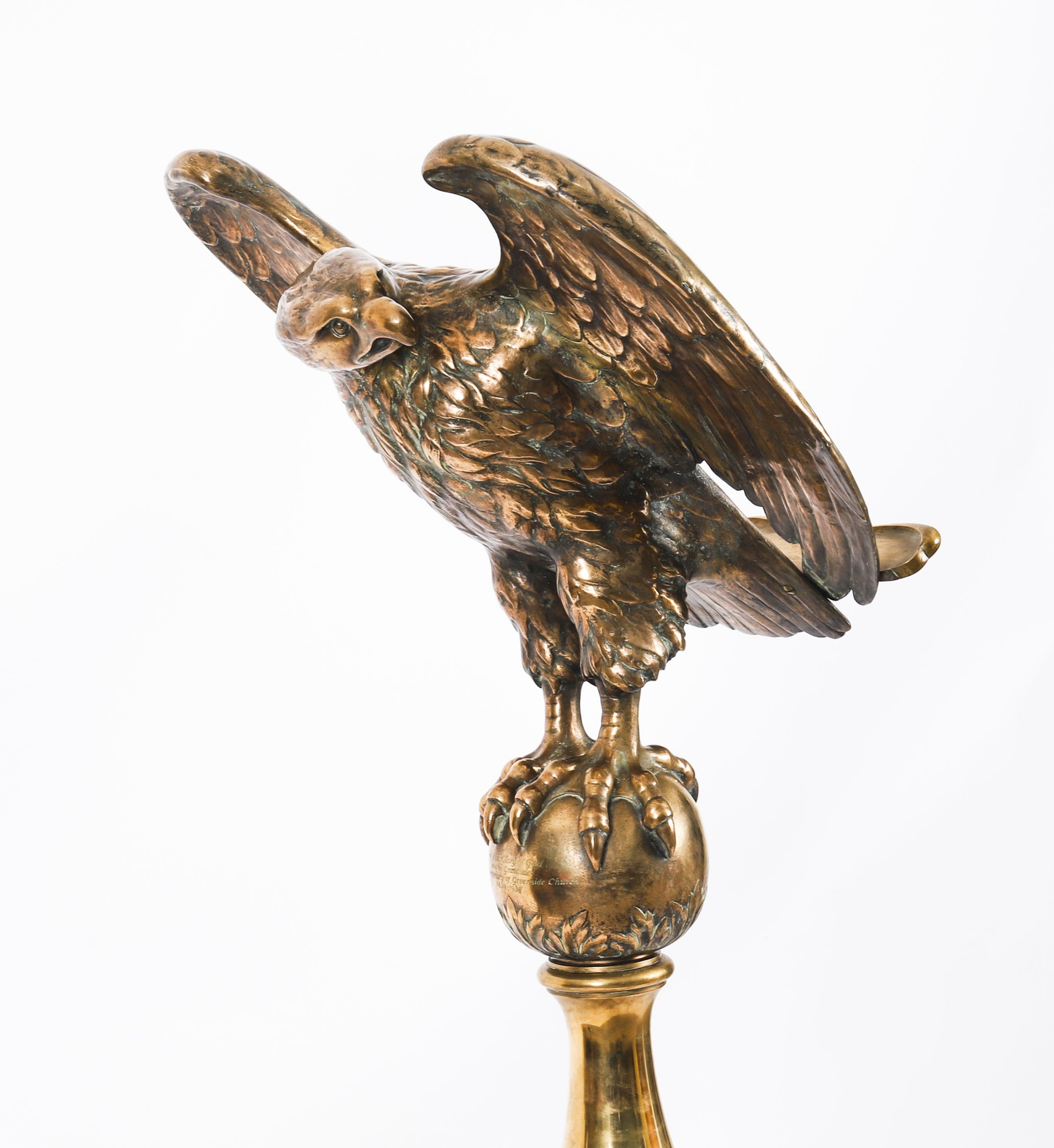
The ball bears the inscription

‘To the Glory of God, and in Gratitude,

for the Centenary of Greenside Church, 1839-1939’

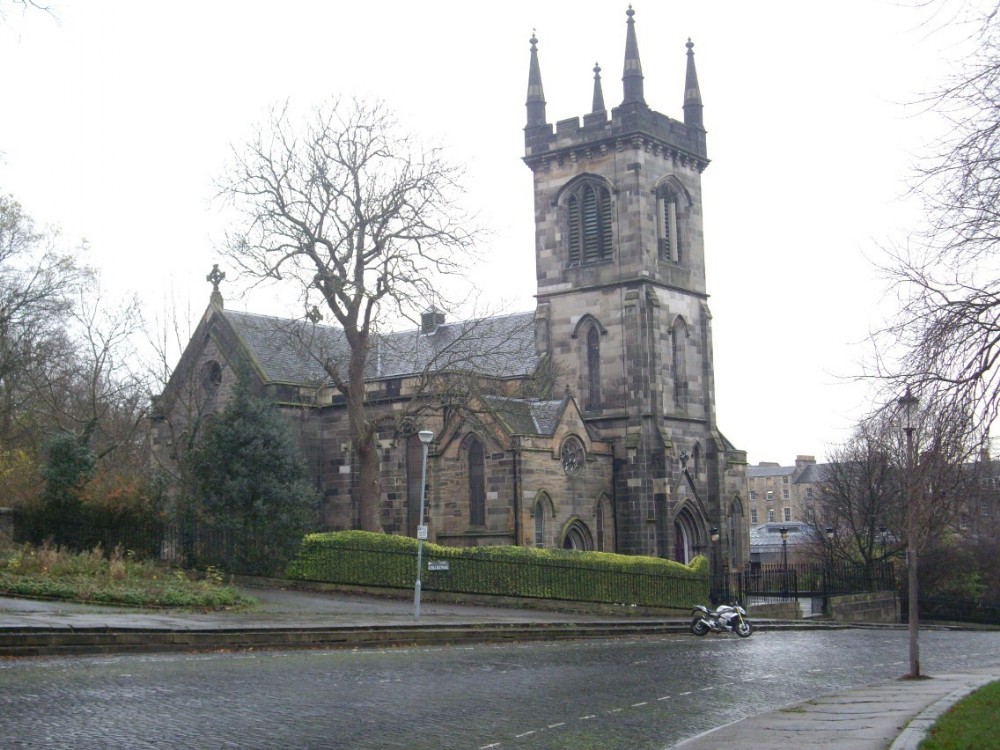
It was part of the contents of Greenside Church, Edinburgh, Scotland, until its recent deconsecration.

Among the congregation, one prominent family stands out, the family of Robert Louis Stevenson.

Condition:

In really  excellent condition, please see photos for confirmation.

Dimensions in cm:

Height 158 cm x Width 70 cm x Depth 70 cm

Dimensions in inches:

Height 5 foot, 2 inches x Width 2 foot, 4 inches x Depth 2 foot, 4 inches

A lectern (from the Latin lectus) is a reading desk, with a slanted top, usually placed on a stand or affixed to some other form of support, on which documents or books are placed as support for reading aloud, as in a scripture reading, lecture, or sermon. To facilitate eye-contact and improve posture when facing an audience, lecterns may have adjustable height ang.d slant. People generally use lecterns while standing.

The site of Greenside has a long religious history. In 1456 a "Rude Chapel" was established on the green north slope of Calton Hill, and by 1526 a Carmelite (Whitefriars) monastery grew around it.

This monastery was dissolved during the Scottish Reformation, and in 1589 the city repurposed the chapel as a hospital for lepers, completed by 1591. Thus, the "Greenside" area was known in the 16th century for its friary and later its leper house.

After the leper hospital era, the Greenside hollow remained mostly undeveloped until the 19th century urban expansion of Edinburgh's New Town.

Origins: "Greenside Chapel" (1838)

Greenside Church was founded as an offshoot of the Free Church movement in Scotland. By 1838, a group of evangelical Presbyterians in Edinburgh's Greenside neighbourhood—then a rapidly developing district northeast of the city centre—resolved to build their own place of worship. They secured a plot on what is now Royal Terrace (a sweeping Georgian terrace overlooking the city) and commissioned a modest Gothic Revival chapel there.

The chapel opened for worship in 1838 and was known initially as "Greenside Chapel" or "Greenside Free Church." In style, it was a simple, single-storey stone sanctuary with Gothic-arched windows, a small bell tower, and seating for several hundred worshippers.

The congregation was made up largely of local tradespeople, artisans, and working families drawn by a commitment to evangelical preaching and congregational self-governance—hallmarks of the Free Church tradition.

The Stevenson Family

Among the congregation, one prominent family stands out: the family of Robert Louis Stevenson. The famous novelist and poet spent part of his childhood in the Greenside Parish. His father Thomas Stevenson and grandfather Robert Stevenson (the eminent civil engineer) were both elders of Greenside Church, meaning they were leaders in the congregation.

Young Robert Louis Stevenson would have attended services there as a boy, and he later fondly recalled it as "the church on the hill." The Stevenson family even endowed a mission chapel for the poor of the parish at Lower Greenside in memory of Robert Stevenson – a philanthropy commemorated by a plaque inside the church. This illustrious connection to the Stevenson family is an important part of Greenside's legacy.

Our reference: A5131

Physical Dimensions
Height
158cm (62.20")
Width
70cm (27.56")
Depth
70cm (27.56")
Declaration

Regent Antiques has dated this Antique Brass Eagle Lectern to the 1890s.

Reference Numbers
Sellingantiques Reference
SA1200662
Dealers Internal Reference
A5131
Description
This is an impressive antique brass Victorian ecclesiastical eagle lectern, circa 1890 in date.
The 5ft3inch (157cm) lectern features an eagle with wings outstretched and detailed feathers to form the book rest,  on a ball surmounting a knopped column.
Regent Antiques
fig 1. A 19th-century Scottish solid brass eagle lectern featuring an eagle with spread wings perched on an inscribed orb above a turned stem and star-shaped base.
fig 1. Antique Scottish Ecclesiastical Brass Eagle Lectern Greenside Church 19th C

The flared moulded base has five bracket feet and the attention to detail throughout this wonderful piece is second to none.

The ball bears the inscription

‘To the Glory of God, and in Gratitude,

for the Centenary of Greenside Church, 1839-1939’

fig 2. A 19th-century Scottish solid brass eagle lectern featuring an eagle with spread wings perched on an inscribed orb above a turned stem and star-shaped base.
fig 2. Antique Scottish Ecclesiastical Brass Eagle Lectern Greenside Church 19th C

It was part of the contents of Greenside Church, Edinburgh, Scotland, until its recent deconsecration.

Among the congregation, one prominent family stands out, the family of Robert Louis Stevenson.

Condition:

fig 3. A 19th-century Scottish solid brass eagle lectern featuring an eagle with spread wings perched on an inscribed orb above a turned stem and star-shaped base.
fig 3. Antique Scottish Ecclesiastical Brass Eagle Lectern Greenside Church 19th C

In really  excellent condition, please see photos for confirmation.

Dimensions in cm:

Height 158 cm x Width 70 cm x Depth 70 cm

Dimensions in inches:

Height 5 foot, 2 inches x Width 2 foot, 4 inches x Depth 2 foot, 4 inches

fig 4. A 19th-century Scottish solid brass eagle lectern featuring an eagle with spread wings perched on an inscribed orb above a turned stem and star-shaped base.
fig 4. Antique Scottish Ecclesiastical Brass Eagle Lectern Greenside Church 19th C

A lectern (from the Latin lectus) is a reading desk, with a slanted top, usually placed on a stand or affixed to some other form of support, on which documents or books are placed as support for reading aloud, as in a scripture reading, lecture, or sermon. To facilitate eye-contact and improve posture when facing an audience, lecterns may have adjustable height ang.d slant. People generally use lecterns while standing.

fig 5. A 19th-century Scottish solid brass eagle lectern featuring an eagle with spread wings perched on an inscribed orb above a turned stem and star-shaped base.
fig 5. Antique Scottish Ecclesiastical Brass Eagle Lectern Greenside Church 19th C

The site of Greenside has a long religious history. In 1456 a "Rude Chapel" was established on the green north slope of Calton Hill, and by 1526 a Carmelite (Whitefriars) monastery grew around it.

This monastery was dissolved during the Scottish Reformation, and in 1589 the city repurposed the chapel as a hospital for lepers, completed by 1591. Thus, the "Greenside" area was known in the 16th century for its friary and later its leper house.

fig 6. A 19th-century Scottish solid brass eagle lectern featuring an eagle with spread wings perched on an inscribed orb above a turned stem and star-shaped base.
fig 6. Antique Scottish Ecclesiastical Brass Eagle Lectern Greenside Church 19th C

After the leper hospital era, the Greenside hollow remained mostly undeveloped until the 19th century urban expansion of Edinburgh's New Town.

Origins: "Greenside Chapel" (1838)

Greenside Church was founded as an offshoot of the Free Church movement in Scotland. By 1838, a group of evangelical Presbyterians in Edinburgh's Greenside neighbourhood—then a rapidly developing district northeast of the city centre—resolved to build their own place of worship. They secured a plot on what is now Royal Terrace (a sweeping Georgian terrace overlooking the city) and commissioned a modest Gothic Revival chapel there.

fig 7. A 19th-century Scottish solid brass eagle lectern featuring an eagle with spread wings perched on an inscribed orb above a turned stem and star-shaped base.
fig 7. Antique Scottish Ecclesiastical Brass Eagle Lectern Greenside Church 19th C

The chapel opened for worship in 1838 and was known initially as "Greenside Chapel" or "Greenside Free Church." In style, it was a simple, single-storey stone sanctuary with Gothic-arched windows, a small bell tower, and seating for several hundred worshippers.

fig 8. A 19th-century Scottish solid brass eagle lectern featuring an eagle with spread wings perched on an inscribed orb above a turned stem and star-shaped base.
fig 8. Antique Scottish Ecclesiastical Brass Eagle Lectern Greenside Church 19th C

The congregation was made up largely of local tradespeople, artisans, and working families drawn by a commitment to evangelical preaching and congregational self-governance—hallmarks of the Free Church tradition.

fig 9. A 19th-century Scottish solid brass eagle lectern featuring an eagle with spread wings perched on an inscribed orb above a turned stem and star-shaped base.
fig 9. Antique Scottish Ecclesiastical Brass Eagle Lectern Greenside Church 19th C

The Stevenson Family

Among the congregation, one prominent family stands out: the family of Robert Louis Stevenson. The famous novelist and poet spent part of his childhood in the Greenside Parish. His father Thomas Stevenson and grandfather Robert Stevenson (the eminent civil engineer) were both elders of Greenside Church, meaning they were leaders in the congregation.

fig 10. A 19th-century Scottish solid brass eagle lectern featuring an eagle with spread wings perched on an inscribed orb above a turned stem and star-shaped base.
fig 10. Antique Scottish Ecclesiastical Brass Eagle Lectern Greenside Church 19th C

Young Robert Louis Stevenson would have attended services there as a boy, and he later fondly recalled it as "the church on the hill." The Stevenson family even endowed a mission chapel for the poor of the parish at Lower Greenside in memory of Robert Stevenson – a philanthropy commemorated by a plaque inside the church. This illustrious connection to the Stevenson family is an important part of Greenside's legacy.

Our reference: A5131

Height
158cm (62.20")
Width
70cm (27.56")
Depth
70cm (27.56")
Date of Manufacture

Regent Antiques has dated this Antique Brass Eagle Lectern to the 1890s.

Reference Numbers
Sellingantiques Ref
SA1200662
Dealers Internal Ref
A5131
Regent Antiques
Regent Antiques
Sellingantiques verified Since Sep 2016

We specialise in english and continental furniture, silver, porcelain and decorative items.

Dealer Profile

You can view the stock and full dealer information on the Regent Antiques Profile Page

Trade Associations

Regent Antiques is a registered member of LAPADA  CINOA

PDF SHARE
SAVE
A 19th-century Scottish solid brass eagle lectern featuring an eagle with spread wings perched on an inscribed orb above a turned stem and star-shaped base.
1 / 19
Archive I A 19th-century Scottish solid brass eagle lectern featuring an eagle with spread wings perched on an inscribed orb above a turned stem and star-shaped base.

Antique Scottish Ecclesiastical Brass Eagle Lectern Greenside Church 19th C

Archive II A 19th-century Scottish solid brass eagle lectern featuring an eagle with spread wings perched on an inscribed orb above a turned stem and star-shaped base. View II
Archive III A 19th-century Scottish solid brass eagle lectern featuring an eagle with spread wings perched on an inscribed orb above a turned stem and star-shaped base. View III
Archive IV A 19th-century Scottish solid brass eagle lectern featuring an eagle with spread wings perched on an inscribed orb above a turned stem and star-shaped base. View IV
Archive V A 19th-century Scottish solid brass eagle lectern featuring an eagle with spread wings perched on an inscribed orb above a turned stem and star-shaped base. View V
Archive VI A 19th-century Scottish solid brass eagle lectern featuring an eagle with spread wings perched on an inscribed orb above a turned stem and star-shaped base. View VI
Archive VII A 19th-century Scottish solid brass eagle lectern featuring an eagle with spread wings perched on an inscribed orb above a turned stem and star-shaped base. View VII
Archive VIII A 19th-century Scottish solid brass eagle lectern featuring an eagle with spread wings perched on an inscribed orb above a turned stem and star-shaped base. View VIII
Archive IX A 19th-century Scottish solid brass eagle lectern featuring an eagle with spread wings perched on an inscribed orb above a turned stem and star-shaped base. View IX
Archive X A 19th-century Scottish solid brass eagle lectern featuring an eagle with spread wings perched on an inscribed orb above a turned stem and star-shaped base. View X
Archive XI A 19th-century Scottish solid brass eagle lectern featuring an eagle with spread wings perched on an inscribed orb above a turned stem and star-shaped base. View XI
Archive XII A 19th-century Scottish solid brass eagle lectern featuring an eagle with spread wings perched on an inscribed orb above a turned stem and star-shaped base. View XII
Archive XIII A 19th-century Scottish solid brass eagle lectern featuring an eagle with spread wings perched on an inscribed orb above a turned stem and star-shaped base. View XIII
Archive XIV A 19th-century Scottish solid brass eagle lectern featuring an eagle with spread wings perched on an inscribed orb above a turned stem and star-shaped base. View XIV
Archive XV A 19th-century Scottish solid brass eagle lectern featuring an eagle with spread wings perched on an inscribed orb above a turned stem and star-shaped base. View XV
Archive XVI A 19th-century Scottish solid brass eagle lectern featuring an eagle with spread wings perched on an inscribed orb above a turned stem and star-shaped base. View XVI
Archive XVII A 19th-century Scottish solid brass eagle lectern featuring an eagle with spread wings perched on an inscribed orb above a turned stem and star-shaped base. View XVII
Archive XVIII A 19th-century Scottish solid brass eagle lectern featuring an eagle with spread wings perched on an inscribed orb above a turned stem and star-shaped base. View XVIII
Archive XIX A 19th-century Scottish solid brass eagle lectern featuring an eagle with spread wings perched on an inscribed orb above a turned stem and star-shaped base. View XIX
Enlarged Archival View
Location
Manor Warehouse
318 Green Lanes
London
N4 1BX
United Kingdom
Verified Since Sep 2016
Items For Sale 641
Items Sold 2,640
Regent Antiques
Regent Antiques
Verified Since Sep 2016
View Dealer Info
Location: Manor Warehouse, 318 Green Lanes, London, N4 1BX, United Kingdom
Verified
Sep 2016
For Sale
641
Sold
2,640
A 19th-century Scottish solid brass eagle lectern featuring an eagle with spread wings perched on an inscribed orb above a turned stem and star-shaped base.
Antique Scottish Ecclesiastical Brass Eagle Lectern Greenside Church 19th C
Ref: SA1200662
A 19th-century Scottish solid brass eagle lectern featuring an eagle with spread wings perched on an inscribed orb above a turned stem and star-shaped base.
Detail View 1
Detail View 2
Detail View 3
Detail View 4
Detail View 5
Detail View 6
Detail View 7
Detail View 8
Detail View 9
Detail View 10
Detail View 11
Detail View 12
Detail View 13
Detail View 14
Detail View 15
Detail View 16
Detail View 17
Detail View 18
Archival Detail
Every single antique dealer on our platform is individually approved by our internal team. We verify their professional trade history, ethical standards, and photographic quality to ensure a secure, high-standard buying environment. Upon joining, every dealer agrees to a strict 9-point code of conduct. While issues can occasionally arise, our dealers typically resolve them swiftly and directly with the buyer. In fact, since our founding in 2002, Sellingantiques has only had to step in to help resolve an issue on roughly five occasions—a true testament to the quality of our dealers and their dedication to your happiness.
Our dealers are highly experienced in packing and shipping fragile, high-value antiques. Because you are in direct contact with the dealer, you will be able to easily go through all available shipping and insurance options together to ensure your item arrives safely.
Antiques are the ultimate green purchase. By choosing historical pieces over newly manufactured goods, you completely eliminate the carbon footprint of modern mass production while preserving exceptional, timeless craftsmanship.

Eagle lecterns originated in medieval church design as symbols of Saint John the Evangelist, representing the Gospel carried across the world. During the Victorian period, cast brass eagle lecterns became standard liturgical fittings in churches across the United Kingdom.

Victorian church lecterns were typically produced using sand casting or lost-wax techniques in solid brass. The individual components, including the base, turned stem, sphere, and eagle, were cast separately, hand-chased for surface detail, and assembled using an internal threaded iron rod.

Authentic 19th-century examples exhibit heavy cast construction, hand-engraved feather detailing, and natural surface oxidation or verdigris in recessed areas. Engraved commemorative inscriptions, donor names, or church dates on the orb or base also confirm period authenticity.

In contemporary residential settings, a brass eagle lectern serves as a floor-standing architectural accent in a foyer, study, or library. It is commonly styled to display open art books, historical atlases, or guest books.

To preserve the historical patina and verdigris, antique brass should be dusted regularly with a dry, soft cloth. Chemical cleaners and abrasive polishes should be avoided, while a thin application of microcrystalline wax can protect the metal from atmospheric tarnishing.
items
Add keywords to the filter
Price
£100
£250000
Era
Movements
Material
Origin
Stock Location
Freshness
Online Payments
Categories