



Decorative Brass Stand
These decorative brass stand designs combine practical support with metalwork craftsmanship from Victorian, Edwardian and earlier workshops.
Decorative Brass Stand
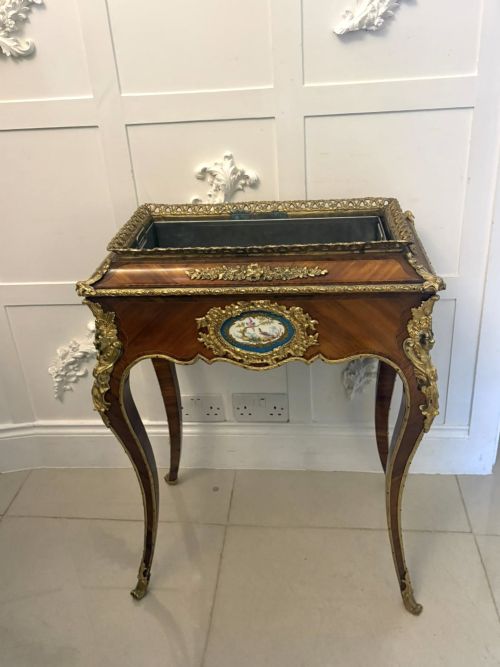
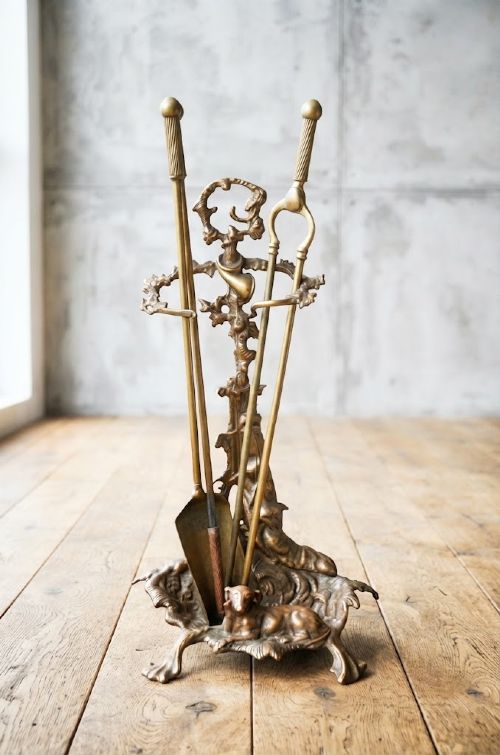
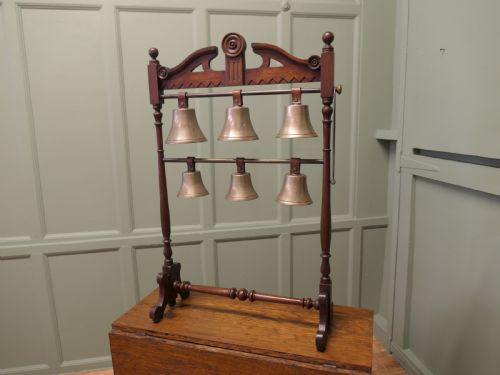
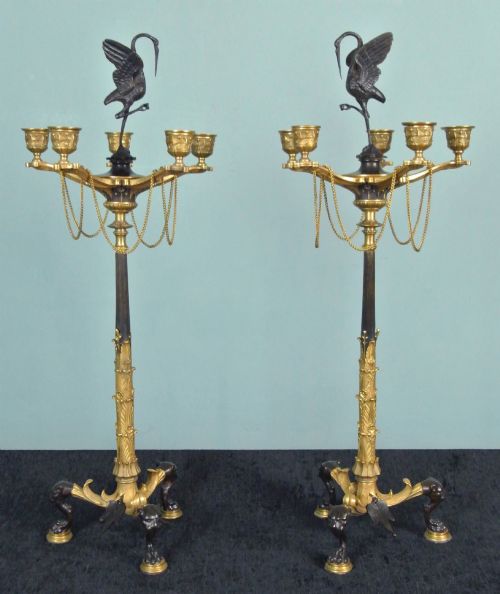
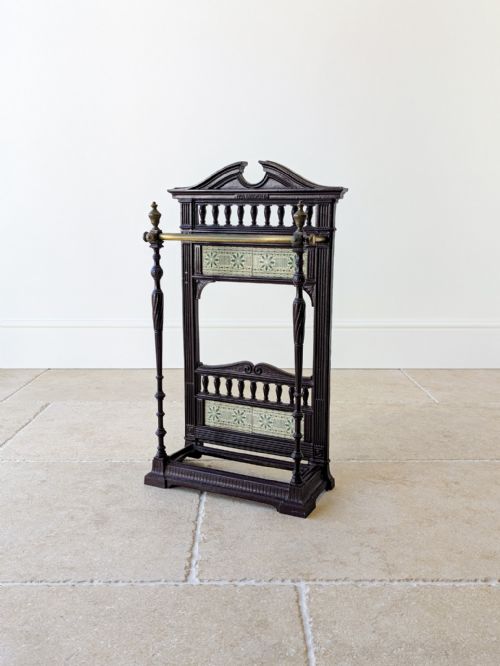
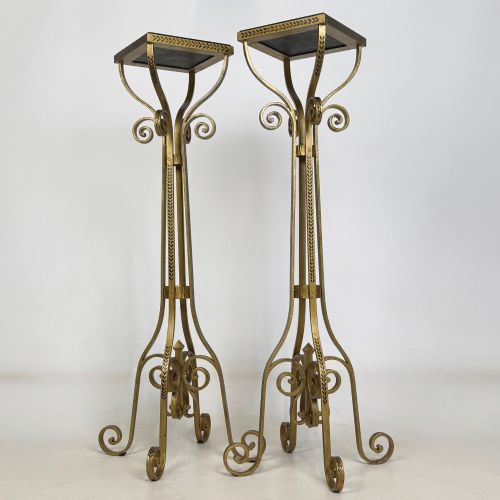
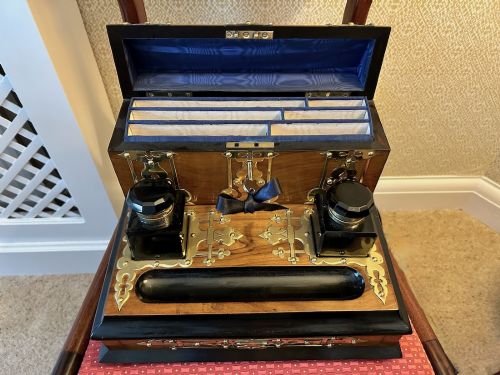
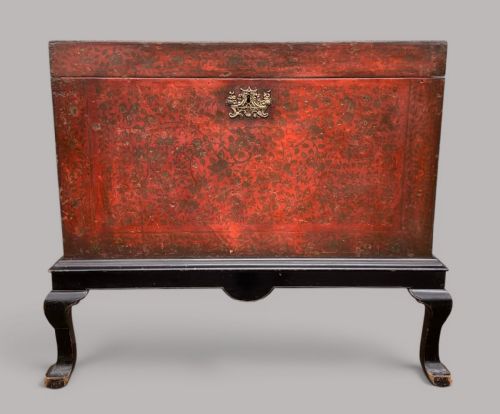
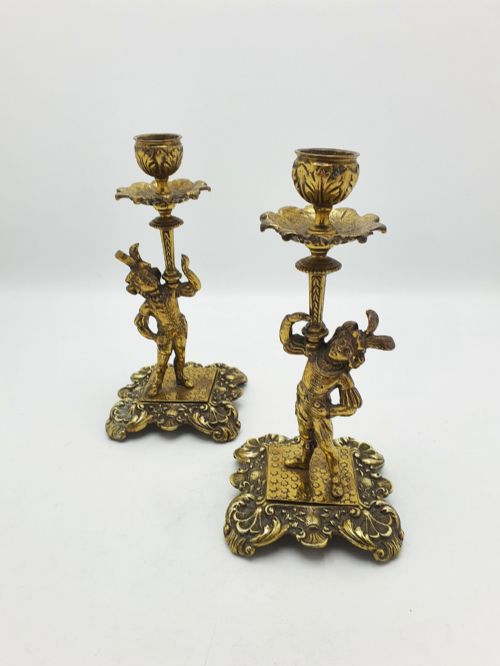
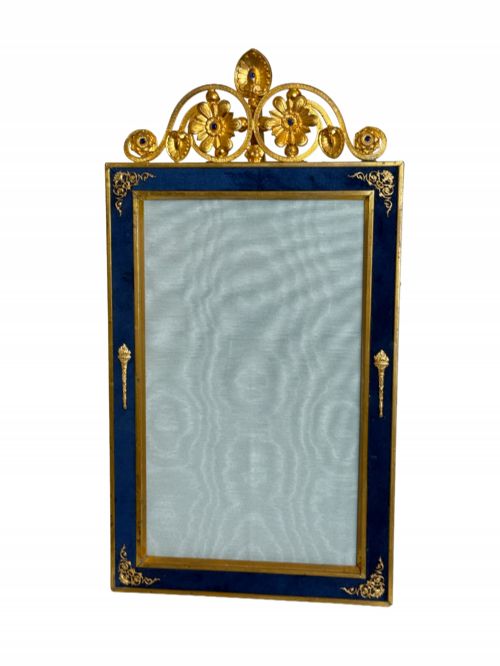
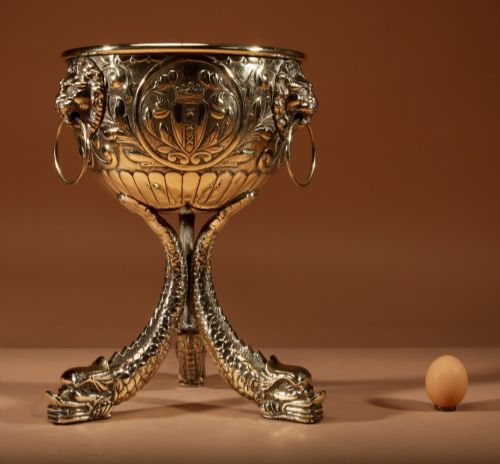
A decorative brass stand encompasses a diverse group of domestic furnishings designed to hold items like umbrellas, plants, standard lamps, and desk accessories. The selection spans the nineteenth and twentieth centuries, incorporating Victorian, Edwardian, Art Nouveau, and Amsterdam School aesthetics.
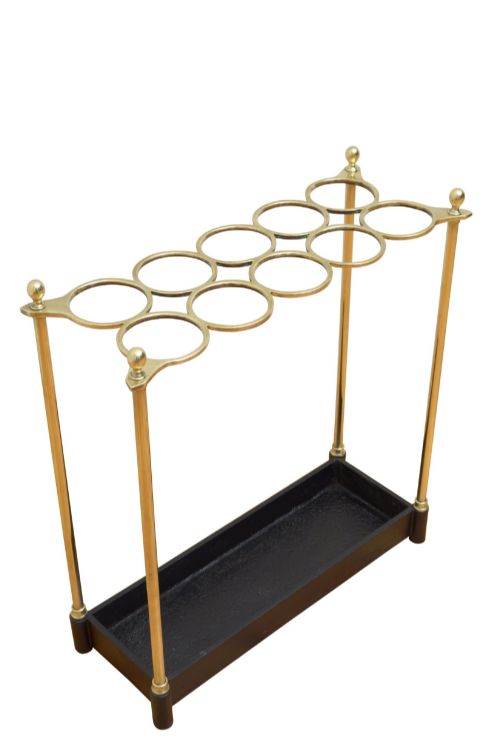
Buyers frequently encounter umbrella and stick stands alongside plant holders and tabletop display pieces formed from cast or sheet metal. These functional objects range from heavy hall umbrella holders with decorative ball finials to smaller desk stands and trivets.
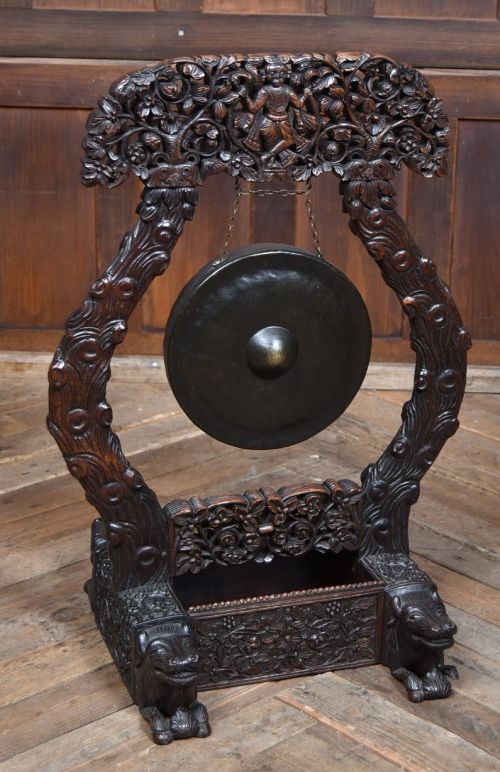
Origins stretch across British, French, Dutch, and colonial workshops, demonstrating how utility items received ornate treatment in period interiors. The category bridges structural metalwork and interior decoration.
How They Were Made
Maker's workshops utilised traditional foundry methods, casting brass, ormolu, and bronze into intricate shapes and structural frames. Metal components were frequently combined with secondary materials such as walnut, mahogany, marble, glass, and copper to create contrast.
Surface finishing involved techniques like embossing, lacquering, and gilding to enhance the visual depth of the metal. Hand-beaten dinanderie work and applied cast ornaments provided surface texture on jardinières and stands.
Decorative Brass Stand Retail Price Guide 2026
Typical asking prices for decorative brass stand among the pieces listed under this phrase on Sellingantiques today, from the lower quarter to the upper quarter. They describe what is for sale here now, not the wider market.
What Varies in Quality
The standard of design separation relies upon the crispness of the cast ornamentation and the weight of the metal utilised in the construction. Pieces displaying refined chasing, balanced proportions, and integrated secondary materials like marble or exotic woods stand apart from simpler utilitarian items.
Execution of period stylistic details, whether flowing Art Nouveau organic lines or formal French Empire symmetry, dictates the refinement of the finished object. Structural integrity in weight-bearing items like plant stands and umbrella holders also distinguishes superior examples.
Coalbrookdale·Barbedienne·Abel Landry·Messenger
The Decorative Brass Stand Glossary
- Ormolu
- Gilded bronze applied to ornamental metalwork and decorative objects. This technique was widely employed in French and British period pieces.
- Dinanderie
- European brass or bronze worked ware, often embossed or engraved. The term derives from the Belgian town of Dinant.
- Pricket candlestick
- A candle holder featuring a central spike to secure the wax candle. These appear in ecclesiastical and domestic Dutch designs.
- Finial
- A distinct decorative ornament terminating the top of a post, handle, or stand. Ball finials are common on nineteenth-century umbrella frames.
Decorative Brass Stand: Frequently Asked Questions
What rooms suit a brass umbrella stand?
Hallways and entrance vestibules accommodate these tall metal holders naturally, providing a functional drop point for walking sticks and umbrellas.
The weighty metal construction and drip trays protect interior flooring while adding period character to the threshold of a home.
How do I care for antique brass?
Gentle dusting with a dry microfibre cloth maintains the surface without removing the accumulated patina built up over decades.
Harsh chemical polishes should be avoided to preserve the original metal finish and historic tone characteristic of older pieces.
Are plant stands structurally sound?
Period plant holders and jardinière tables were engineered to support substantial earthenware pots filled with damp soil and growing plants.
Their robust metal frames and joined timber bases provide stable support for modern interior foliage displays.
How do I identify Art Nouveau stands?
Art Nouveau examples display characteristic whiplash curves, stylized floral motifs, and asymmetrical organic designs typical of the turn of the century.
Makers embraced flowing natural forms in both cast brass photo frames and floor-standing lighting supports.