





Carved Oak Lectern
A carved oak lectern brings ecclesiastical gravity into a room, offering sturdy support for heavy folios and musical scores.
Carved Oak Lectern
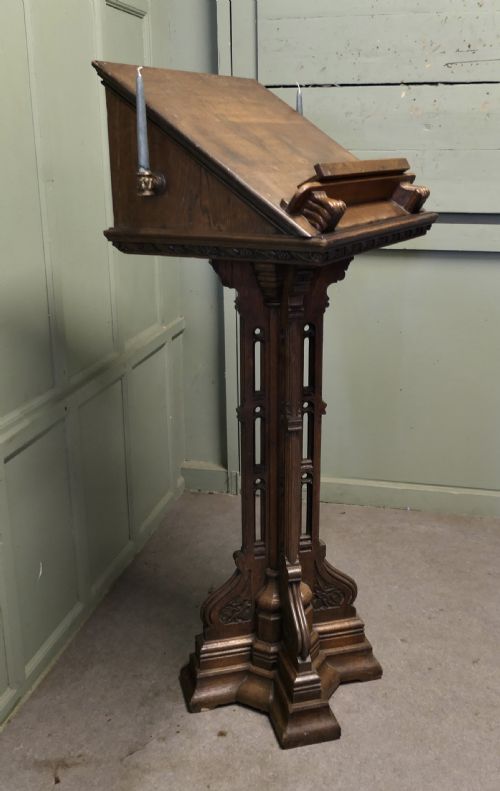
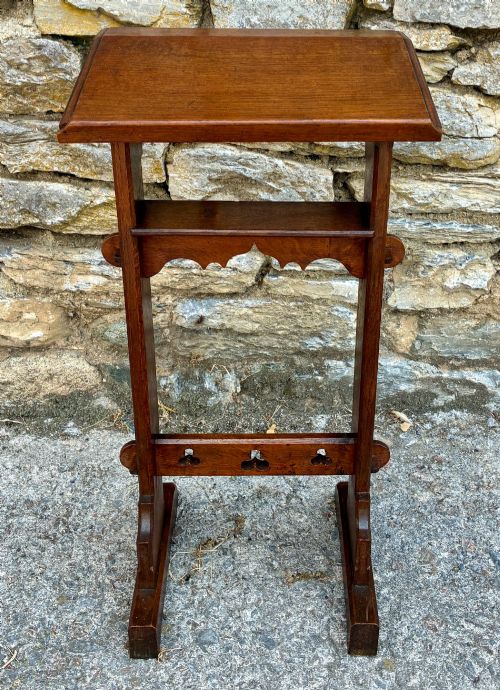
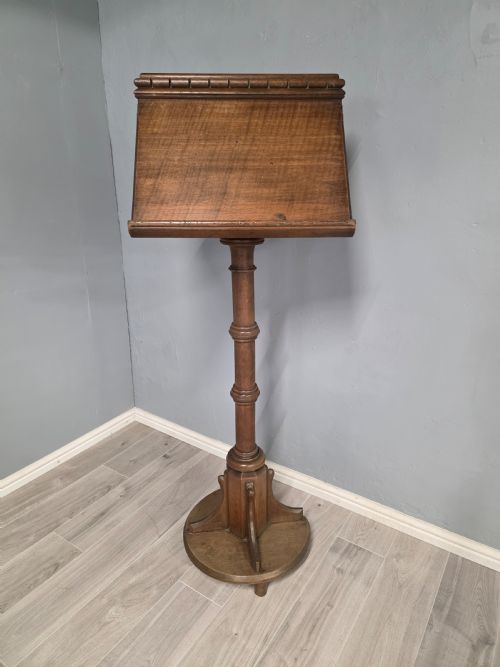
A carved oak lectern is a substantial wooden reading stand designed for ecclesiastical or domestic use, frequently found in forms such as pedestals, prayer desks, and pulpit stands. These pieces range from simple reading stands with brass work to elaborate church furnishings.
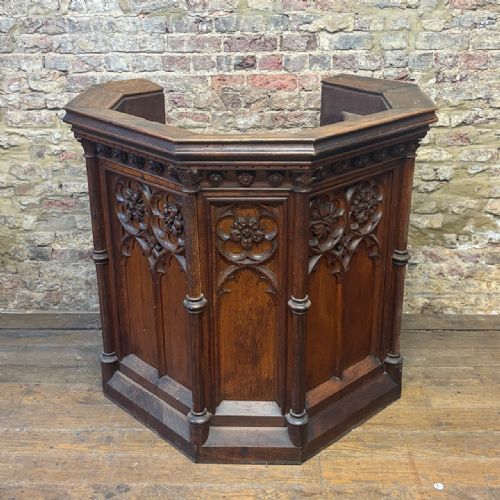
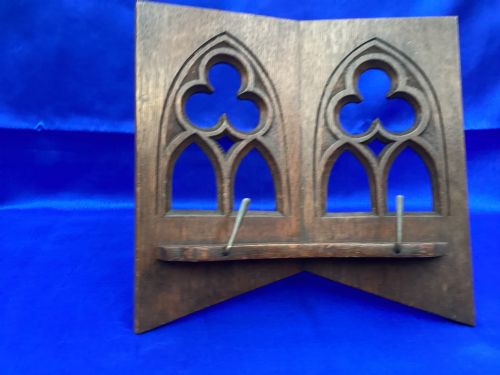
Buyers browsing this selection will most frequently encounter Gothic Revival examples dating from the Victorian era and the turn of the twentieth century. These pieces often feature traditional architectural details associated with nineteenth-century church architecture.
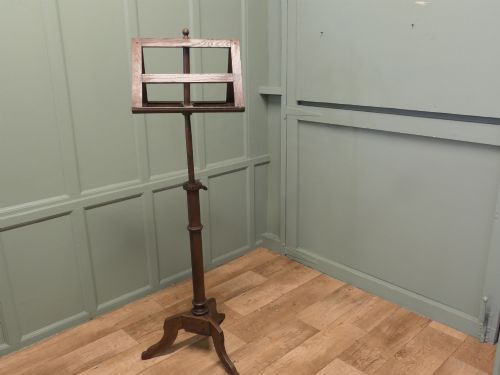
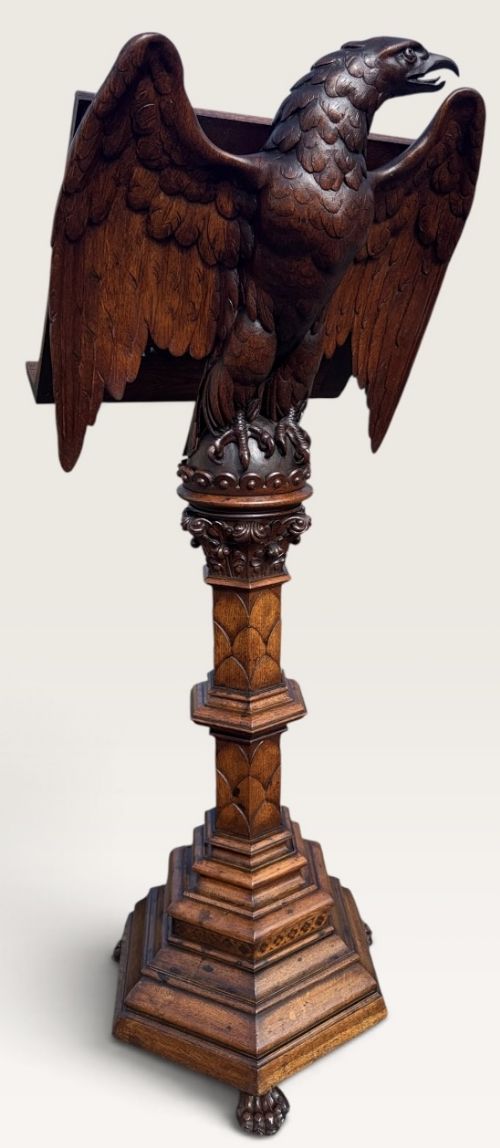
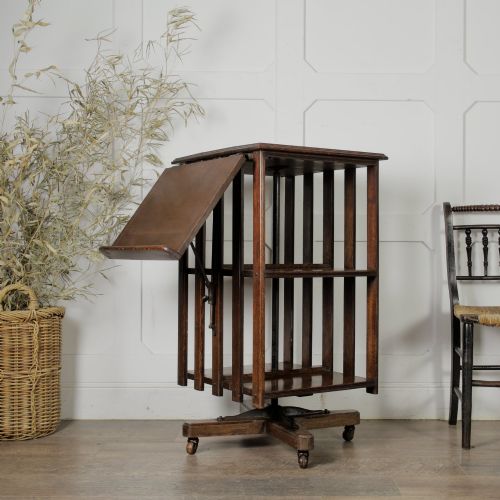
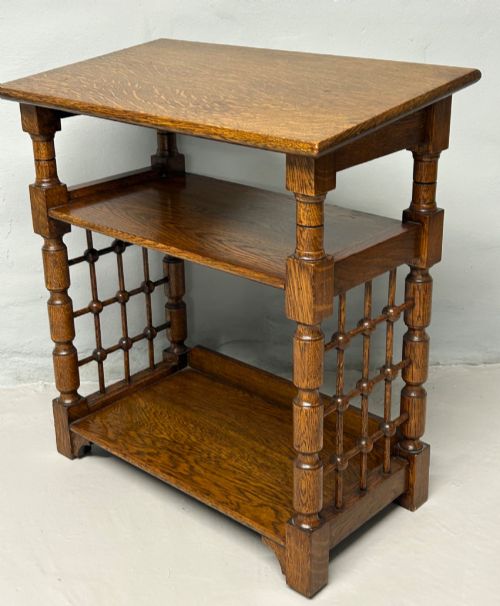
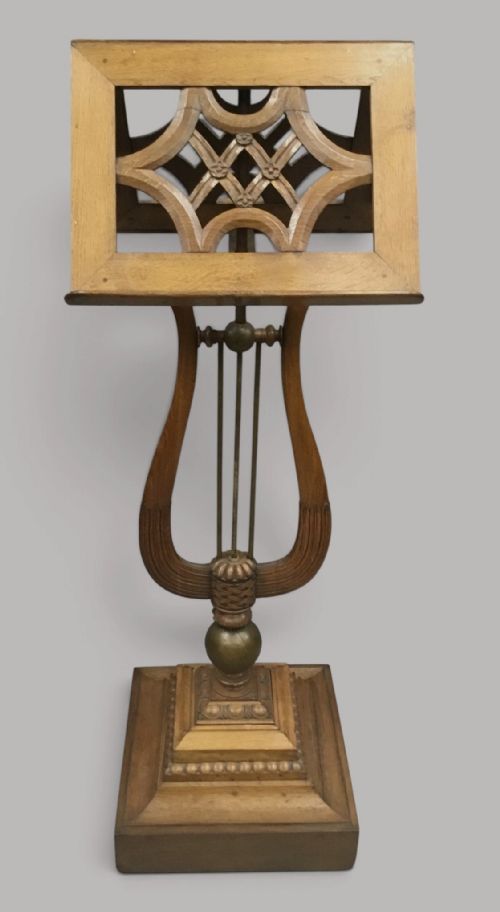
Earlier interpretations also appear, including eighteenth-century continental pieces carved to depict an eagle with outstretched wings. Alongside bird forms, listings include duet stands, music stands, and pedestal tables tailored for holding large volumes.
How they were made
Construction relies upon solid timber worked with traditional joinery methods to support heavy weights without warping. Oak provides the structural foundation for both the upright pedestals and the angled book rests.
Ornamentation is achieved through hand carving, producing deep relief work such as winged cherubs, intricate tracery, and naturalistic bird plumage. Metal components, notably brass work, are integrated to form hinges, brackets, or adjustable fittings.
Carved Oak Lectern Retail Price Guide 2026
Typical asking prices for carved oak lectern among the pieces listed under this phrase on Sellingantiques today, from the lower quarter to the upper quarter. They describe what is for sale here now, not the wider market.
Several pieces feature carved winged cherubs peering out from beneath the book rests.
What varies in quality
The standard of a carved oak lectern depends upon the ambition and execution of its sculptural detail. Pieces featuring finely rendered anatomy in figures like eagles or cherubs represent a higher degree of sculptural skill than simpler geometric mouldings.
Proportion and structural integrity distinguish finer examples, where the balance of the pedestal and the pitch of the reading surface are carefully resolved. The integration of secondary materials, such as quality brass work, also marks the distinction between standard utilitarian stands and bespoke ecclesiastical commissions.
Pugin
The Carved Oak Lectern Glossary
- Gothic Revival
- A nineteenth-century stylistic movement drawing inspiration from medieval architecture, characterised by pointed arches, trefoils, and heavy carved woodwork.
- Lectern
- A freestanding or pedestal-mounted reading stand with a slanted top designed to hold books at a comfortable angle for a standing speaker.
- Prayer Desk
- An ecclesiastical furniture form combining a kneeling bench with an integrated sloped shelf for devotional texts.
- Duet Stand
- A specialised music stand or reading stand configured to accommodate two separate open scores simultaneously.
- Pedestal Lectern
- A reading stand supported by a single central column or pillar rather than traditional legs.
Carved Oak Lectern: Frequently Asked Questions
Where were carved oak lecterns originally used?
These stands were primarily commissioned for churches, chapels, and monastic libraries to hold heavy service books, Bibles, and hymnals during liturgical readings.
Over time, many examples transitioned into secular domestic interiors, serving as imposing book stands in studies, libraries, and large entrance halls.
How do you date a Victorian lectern?
Dating relies upon examining the specific stylistic markers of the Gothic Revival movement, which shifted from restrained early nineteenth-century interpretations toward more exuberant carving by the late Victorian period.
Construction traits, such as the use of machine-sawn timber versus hand-planed surfaces, alongside the style of any integrated brass hardware, also help narrow down the decade of manufacture.
What is an eagle lectern?
An eagle lectern is a specific form where the book rest is supported upon the outstretched wings and back of a carved wooden bird. This traditional Christian symbol represents Saint John the Evangelist and the spread of the Gospel.
Craftsmen often carved these birds with high anatomical detail, showing individual feathers and powerful talons beneath the reading slope.
Can these stands support modern books?
The sturdy oak construction and wide reading ledges make these stands well-suited for holding heavy modern volumes, oversized art books, or heavy dictionaries.
Many period examples include adjustable angles or lips designed specifically to keep large folios securely in place without damaging the bindings.