


Antique Book Rest
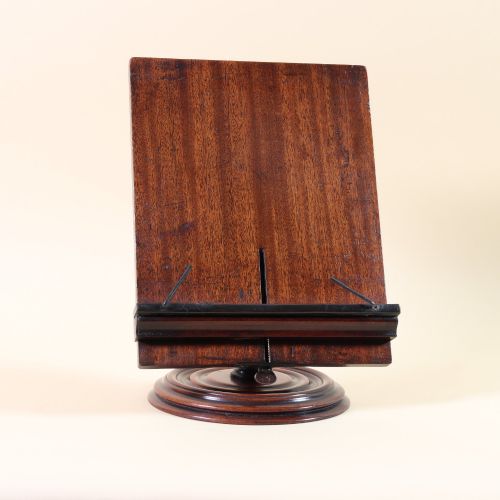
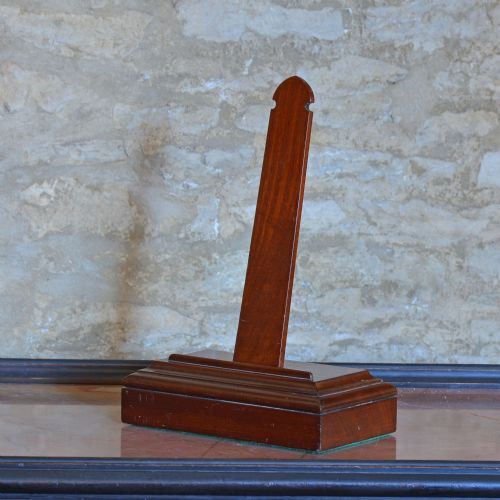
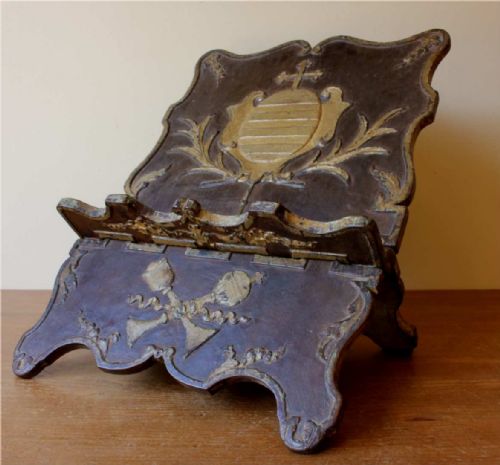
An antique book rest holds volumes at a comfortable angle for reading, bringing period craftsmanship and practical elegance to a library or desk.
Antique Book Rest
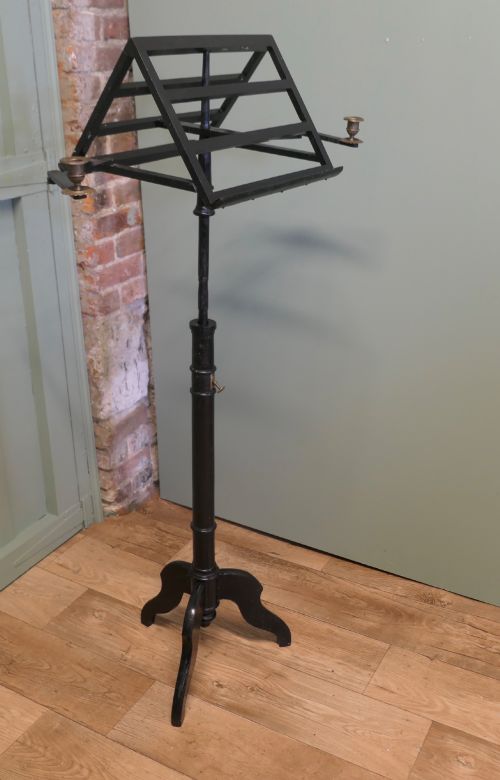
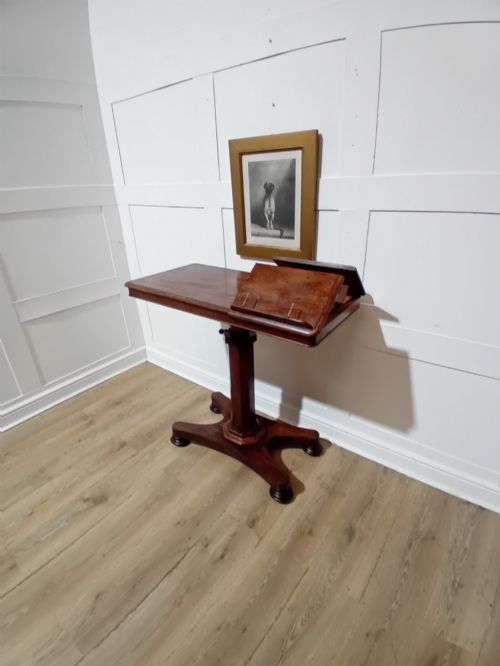
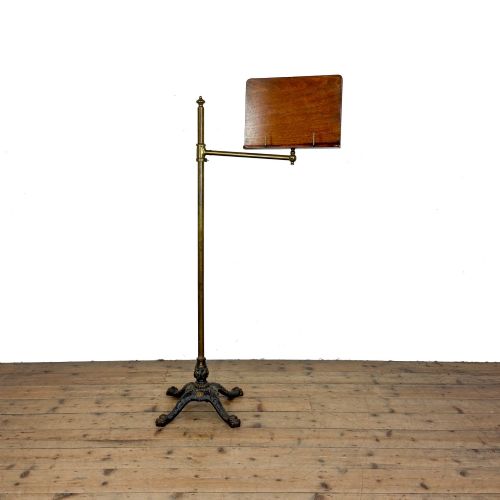
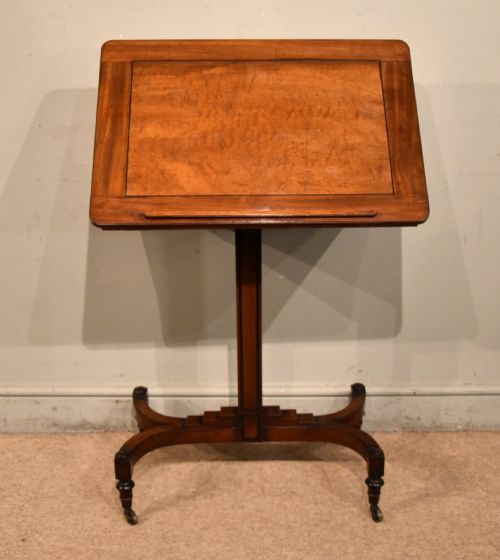
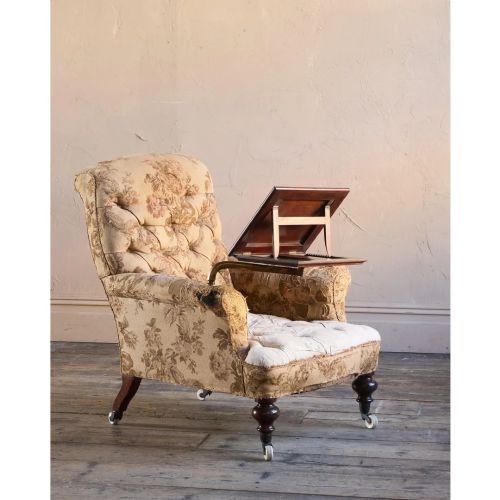
When you search for an antique book rest, you encounter a diverse group of objects designed to hold texts, ranging from desktop slides and heavy ecclesiastical lecterns to folding music stands and carved bookends. The selection spans the eighteenth, nineteenth, and early twentieth centuries, with Victorian and Regency examples appearing most frequently.
The objects serve various domestic and institutional settings, appearing as extending desk slides, heavy church lecterns, and table-top reading stands in woods such as mahogany, oak, and walnut. Many pieces incorporate adjustable ratchets, brass mounts, and folding supports tailored for daily study or display.
Materials and Construction
Cabinetmakers utilised dense timbers like mahogany, walnut, oak, and exotic woods such as coromandel and teak, frequently employing veneers, oyster layering, and detailed hand-carving. Brass fittings, hinges, and extending mechanisms provide structural support and mechanical adjustment for reading desks and slides.
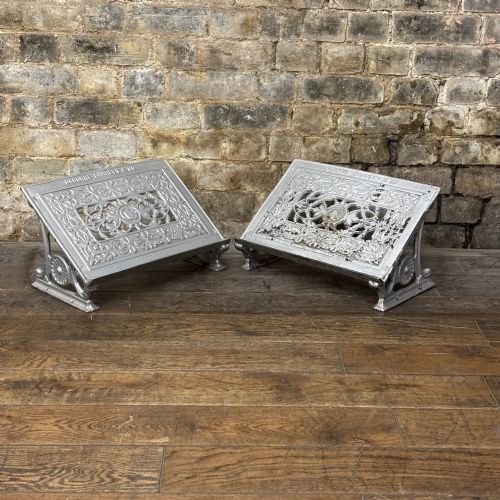
Ecclesiastical and heavy-duty pieces feature cast iron, solid pine, and cast brass, occasionally taking sculptural forms like eagles or figures. Joinery ranges from traditional dovetailing in desk boxes to articulated wooden racks and brass-capped extending slides.
Antique Book Rest Retail Price Guide 2026
Typical asking prices for book rest among the pieces listed under this phrase on Sellingantiques today, from the lower quarter to the upper quarter. They describe what is for sale here now, not the wider market.
Evaluating Craftsmanship
Quality shows in the precision of the mechanical action, where ratchets, extending book slides, and folding hinges operate smoothly without slack or binding. Superior examples display crisp, deep carving in the wood or metal, with well-fitted joints and harmonious grain selection.
The refinement of secondary materials, such as heavy cast brass mounts, inlaid mother-of-pearl, or subtle ebonising, distinguishes standard utility pieces from finer library furniture and decorative showpieces.
Osborne Garrett Co·Mathew Gregson
The Antique Book Rest Glossary
- Book slide
- An extending desktop rack designed to hold a variable number of volumes upright between bookends. The expanding wooden or metal frame adjusts smoothly to fit the collection.
- Lectern
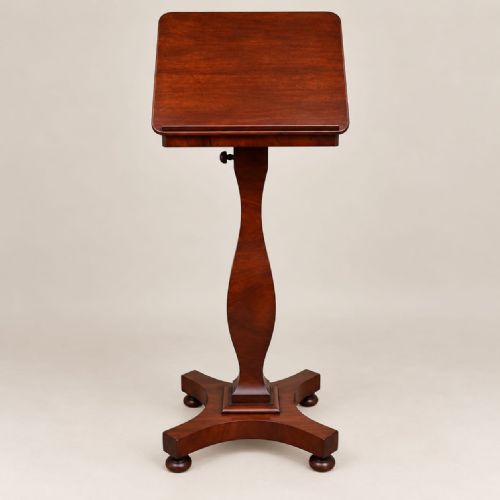
- A tall reading stand, often fitted with a sloping top to support large folios, Bibles, or music sheets. They appear in floor-standing ecclesiastical forms and smaller table-top variants.
- Reading stand
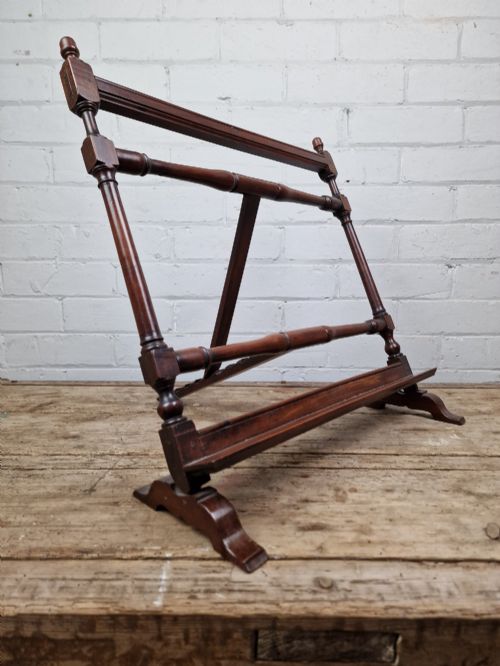
- An adjustable desktop or table-top stand featuring a ratcheted support to angle books or manuscripts for comfortable viewing. These frequently include folding legs or integrated ledges.
- Novel rest
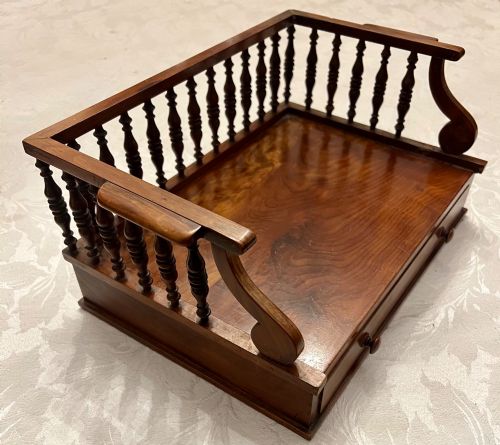
- A nineteenth-century term for a small desktop book trough or extending rack intended for contemporary literature and novels. They often feature decorative wood or brass mounts.
- Folio stand
- A low stand or rack built to hold oversized books, prints, and bound collections flat or at a slight angle. They are constructed primarily in solid oak and mahogany.
Antique Book Rest: Frequently Asked Questions
What is an extending book slide?
An extending book slide is a desktop rack featuring a central channel and sliding ends that expand to accommodate varying numbers of volumes. These pieces kept working libraries organised on desks and tables.
Victorian examples frequently incorporate brass mounts, ebonised finishes, and carved wooden decoration to match study interiors.
How do I use a lectern today?
A lectern provides a sturdy sloping surface suited for holding heavy cookery books, displaying art volumes, or supporting notes while standing. Their adjustable angles reduce neck strain during extended reading.
Table-top and folding variants fit easily onto modern desks, while larger floor-standing pieces serve as statement furniture in studies.
What distinguishes Regency book furniture?
Regency pieces lean towards architectural classical lines, rich mahogany timbers, and precise brass inlay or reeded details. They reflect the refined neoclassical tastes of the early nineteenth century.
Makers focused on functional elegance, producing reading stands and music desks that combined mechanical ingenuity with restrained ornamentation.
Where were ecclesiastical lecterns used?
Ecclesiastical lecterns stood in churches and chapels to support large Bibles, missals, and service books during readings. They were often cast in brass or carved from solid oak and pine.
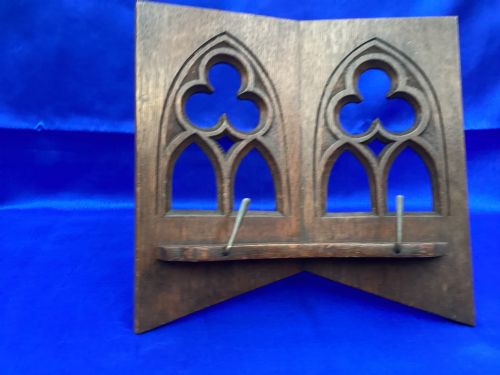
Common motifs include spread eagles, Gothic revival tracery, and architectural framing derived from church architecture.