






Victorian Reading Stand
A victorian reading stand brings mechanical ingenuity and fine cabinet-making together to hold books, sheets and folios at precisely the right angle for study.
Victorian Reading Stand
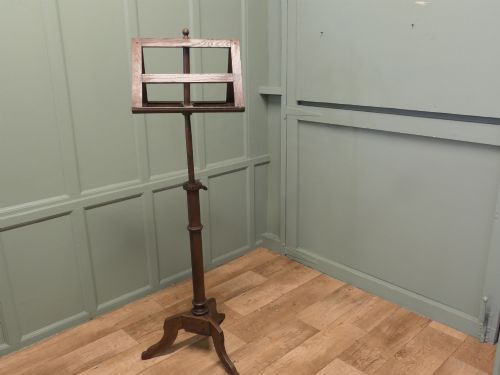
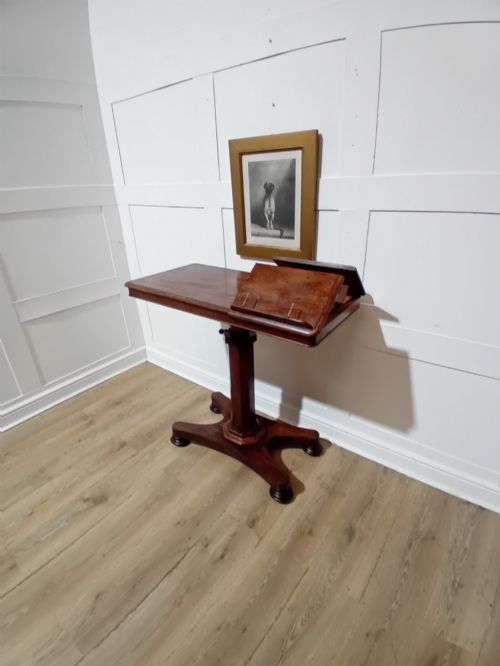
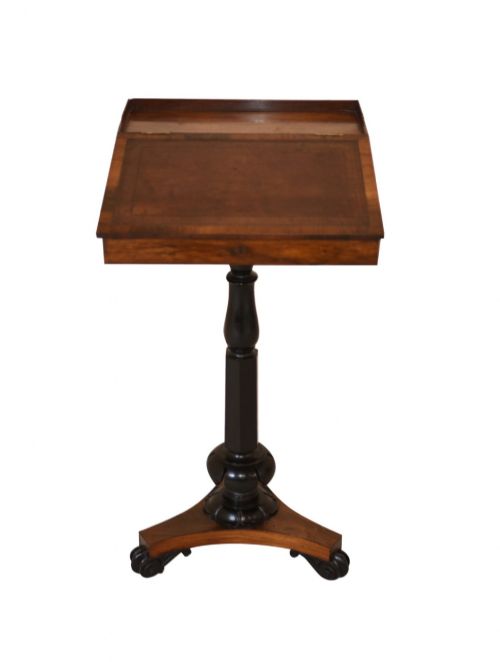
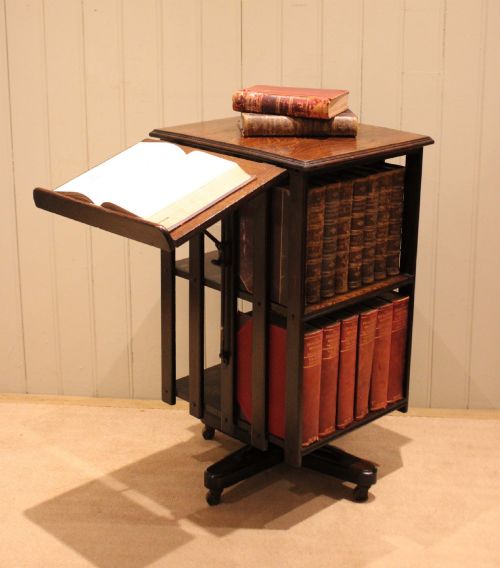
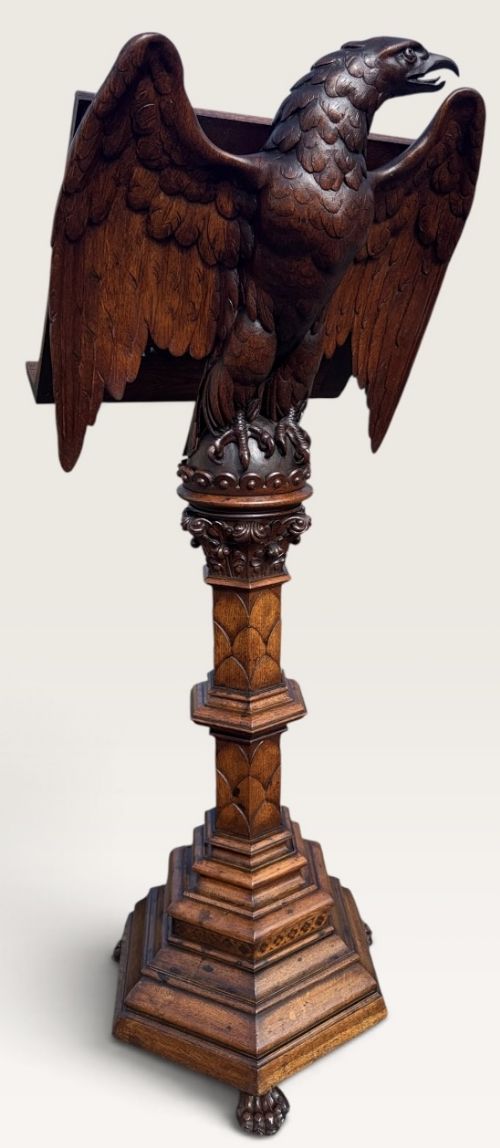
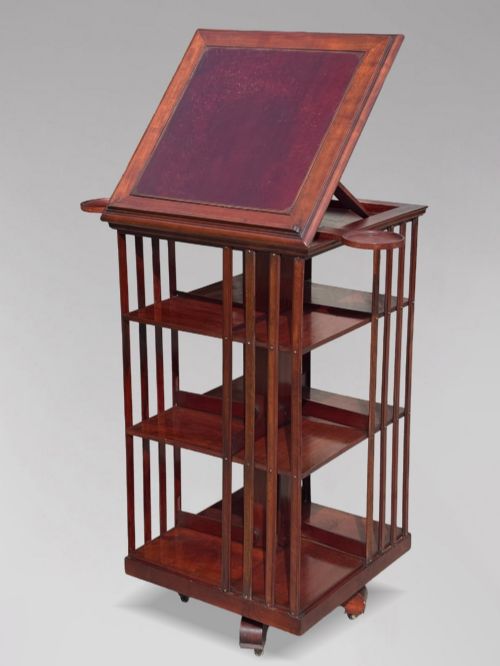
A victorian reading stand encompasses adjustable floor-standing lecterns, table-top book rests, and clever metamorphic library tables designed for hands-free study.
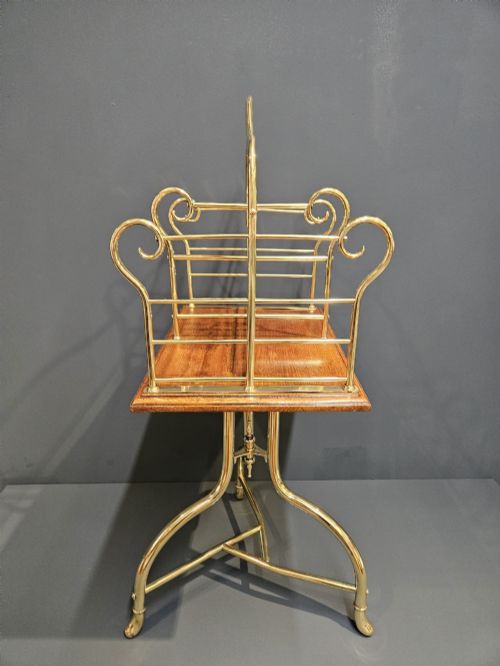
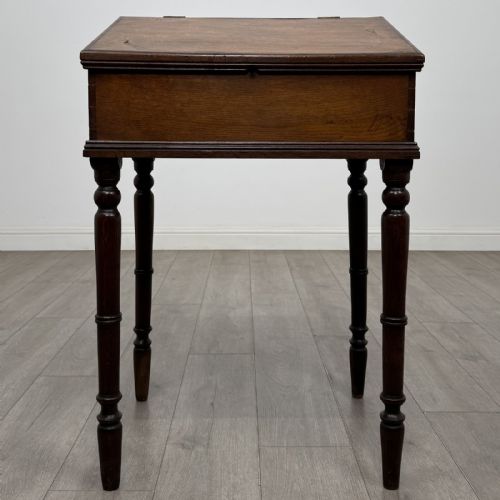
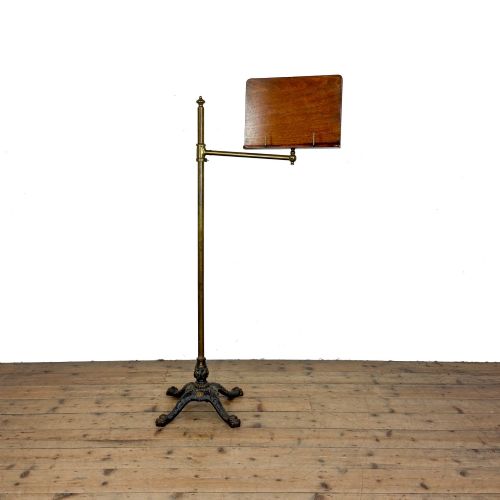
The versions most commonly met on this page are mahogany and oak reading tables featuring ratcheted book rests, brass telescopic columns, and occasional table combinations.
Many examples double as music stands or over-bed writing desks, reflecting the versatile, industrious approach of nineteenth-century domestic design.
How they were made
Cabinet-makers relied heavily on rich timbers like figured mahogany, burr walnut, and solid oak, shaping them into stable bases and hinged reading ledges.
Makers integrated brass extension rods, heavy cast iron weighted feet, and mechanical ratchets to allow smooth height adjustment and tilting without slipping.
Victorian Reading Stand Retail Price Guide 2026
Typical asking prices for victorian reading stand among the pieces listed under this phrase on Sellingantiques today, from the lower quarter to the upper quarter. They describe what is for sale here now, not the wider market.
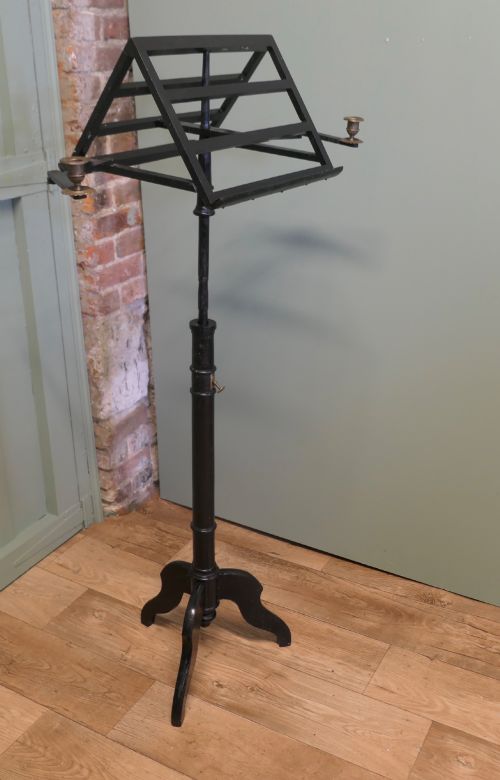
Some over-bed reading stands feature brass candle sconces so studious Victorians could read late into the night.
What varies in quality
Quality rests on the sophistication of the mechanical adjustment: the smoothest actions use finely cut brass screw mechanisms, counterweighted rises, and robust hinges that hold heavy folios without sagging.
Material selection and secondary timber choice separate standard workshop production from exceptional maker-signed pieces, where finely carved mouldings and matched veneers remain crisp and intact.
Carters Of London·Osborne Garrett And Co·W Tonks And Sons
The Victorian Reading Stand Glossary
- Metamorphic
- Describing a piece of furniture that transforms from one form, such as a side table, into another, such as a reading stand or desk.
- Ratchet
- A mechanical device with teeth and a engaging catch that allows a reading ledge to tilt and lock securely at various angles.
- Telescopic
- A mechanism utilising concentric brass or iron tubes that slide inside one another to raise and lower the height of the reading surface.
- Lectern
- A tall standing support with a slanted top designed to hold a book or notes for a speaker or reader.
- Folio
- A large-format book or collection of unbound pages, often accommodated by the wider ledges found on library reading stands.
Victorian Reading Stand: Frequently Asked Questions
How do I adjust the height safely?
Most adjustable stands use a thumbscrew or a sliding brass collar on a central telescopic column. Loosen the fastener gently while supporting the weight of the upper desk, set the desired height, and retighten firmly.
Avoid forcing rusted or stiff brass mechanisms without applying a suitable lubricant. Let the metal adjust naturally to prevent stripping the internal threads.
Were these used for books or music?
Nineteenth-century stands were multitasking items used for reading heavy library volumes, newspapers, and handwritten folios, as well as holding sheet music. The addition of swing-out candle arms or simple ledges often pointed to musical use.
Many examples feature adjustable brass page retainers designed to keep bound volumes open at a specific page without damaging the spine.
How do I care for the wood and brass?
Clean polished mahogany and oak surfaces with a soft, dry cloth and occasional application of traditional beeswax to preserve the grain. Keep them away from direct heat sources to prevent the timber from splitting.
Polish brass components lightly with a non-abrasive cloth if you wish to reduce tarnishing, though many collectors prefer preserving the mellow patina accumulated over decades.
Can I use a reading stand daily?
These stands were engineered for heavy daily use in nineteenth-century libraries and drawing rooms, making them remarkably sturdy. Their joints and ratchets remain fully functional if handled with reasonable care.
Ensure that exceptionally heavy modern reference books do not exceed the balance point of smaller table-top reading rests.