


Antique Lectern Stand
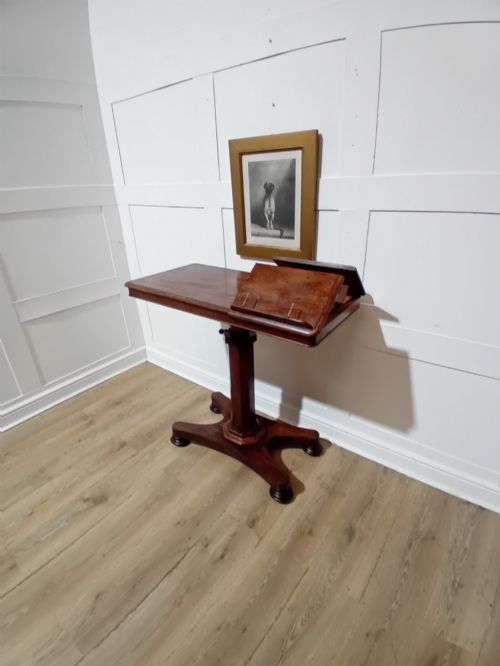
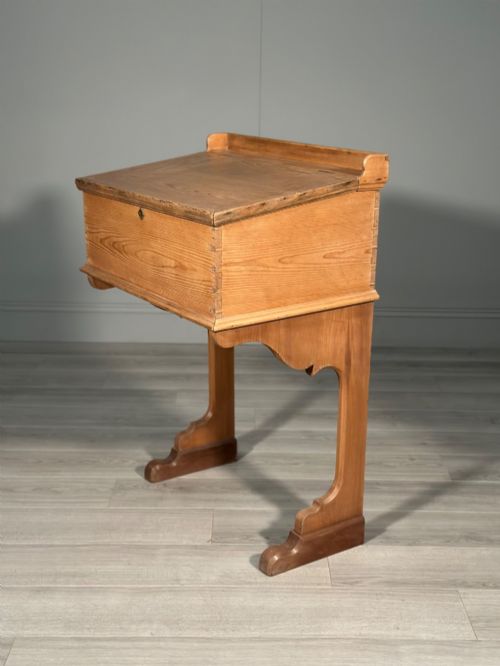
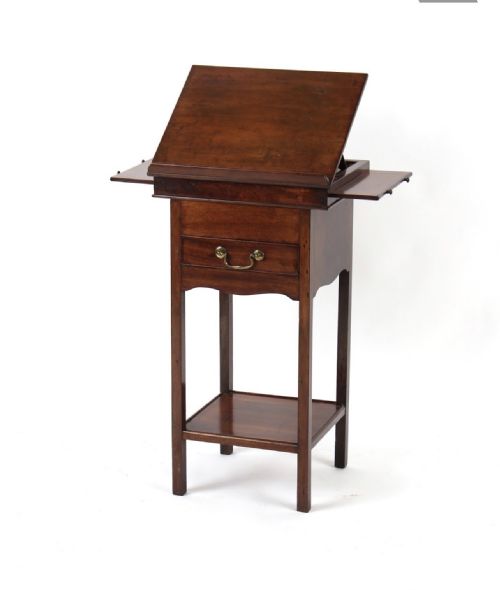
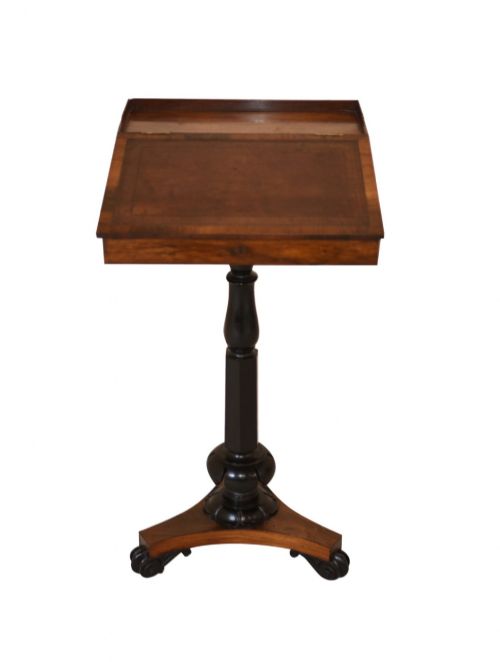
An antique lectern stand holds books and sheets at a comfortable reading angle, uniting practical utility with period craftsmanship.
Antique Lectern Stand
An antique lectern stand encompasses adjustable reading tables, music rests, and folding book supports designed for domestic or ecclesiastical use. The pieces appearing in this collection span the Georgian, Regency, William IV, Victorian, and Edwardian eras.
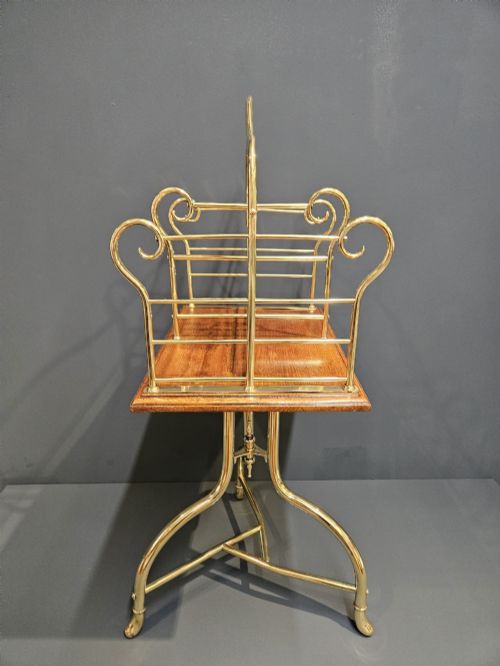
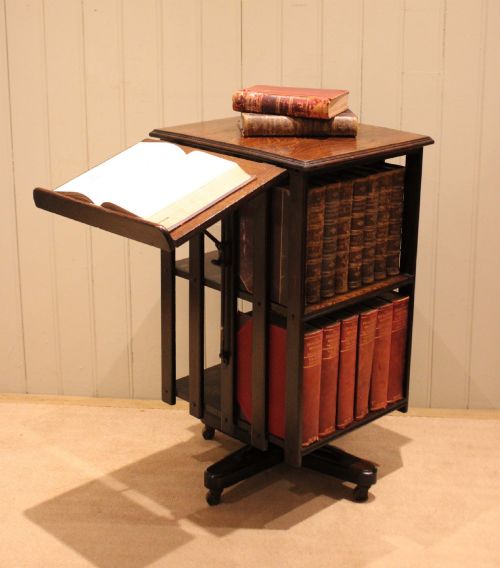
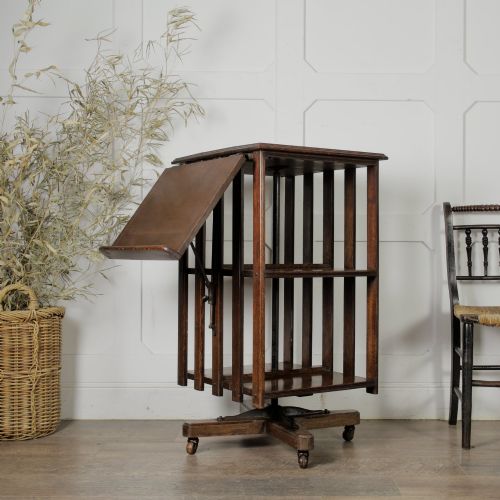
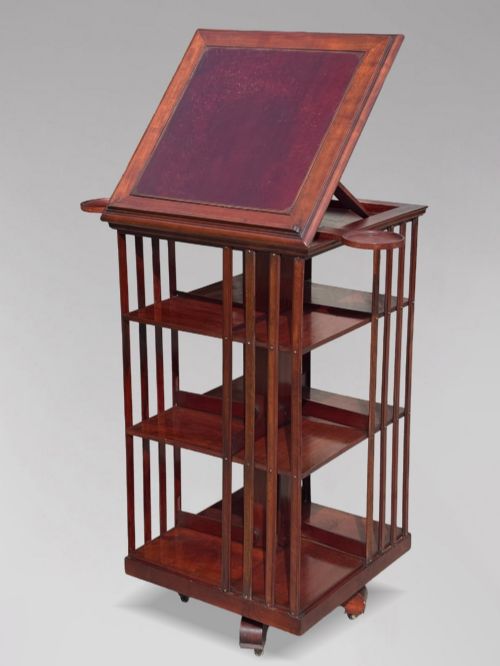
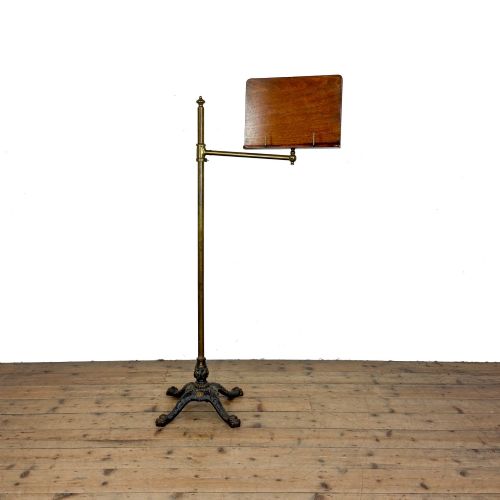
Mahogany and oak form the backbone of the wooden examples, while brass provides a metallic alternative often seen in Victorian designs. Forms range from revolving bookcases and tiered music stands to freestanding reading tables and table-top book rests.
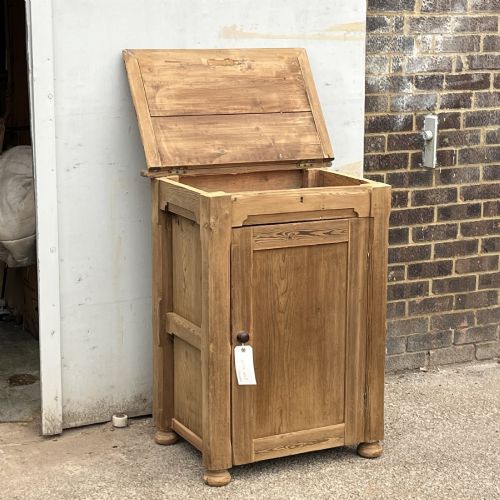
Makers adapted these stands for specific environments, creating clerical desks, conductor stands, and bed tables alongside traditional music lecterns. The evidence shows both English and continental origins, including specific pieces from Germany and the Middle East.
Materials and Construction
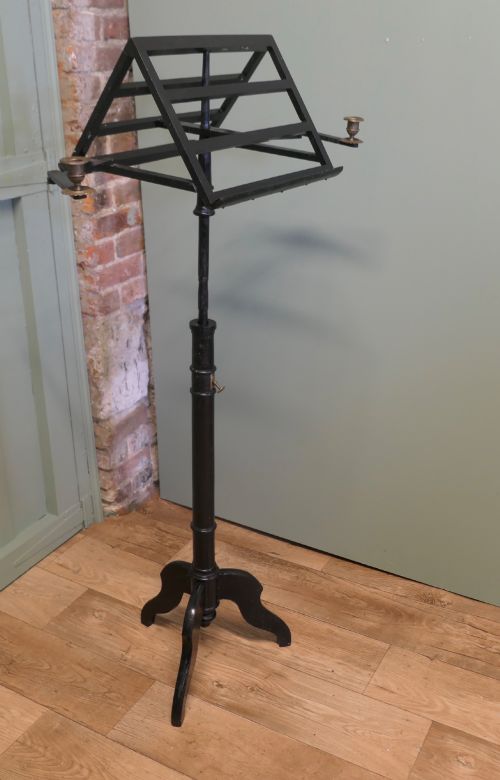
Cabinetmakers utilised dense hardwoods such as mahogany, rosewood, walnut, kingwood, and oak, often finishing them to highlight natural grain patterns. Ormolu mounts, cast iron, and pierced brass appear frequently on metal variants.
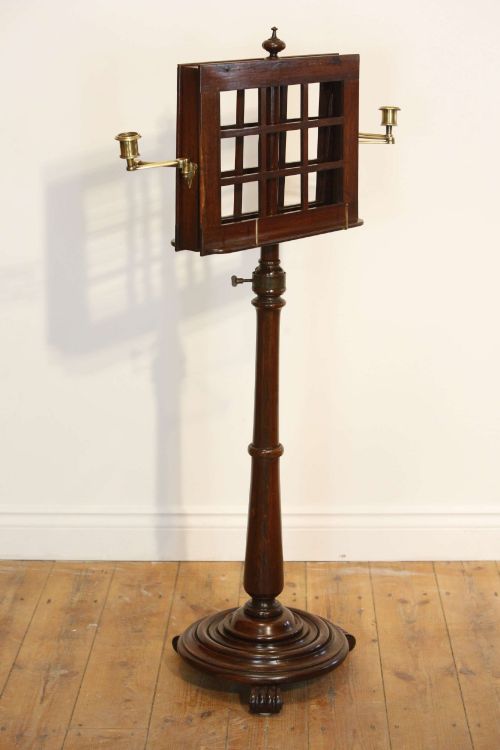
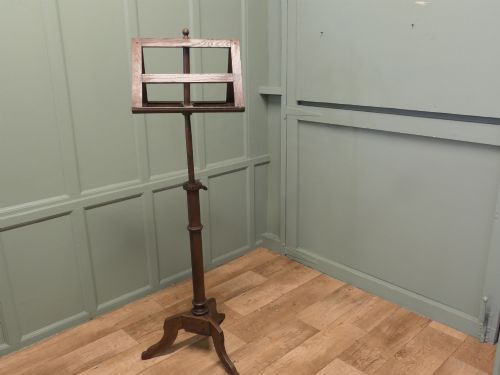
Articulated joints, ratchet mechanisms, and screw adjustments allowed these stands to tilt and alter height for musicians and readers. Carved decoration, turning, and inlays such as Tunbridge Ware distinguish the more elaborate wooden pieces.
Antique Lectern Stand Retail Price Guide 2026
Typical asking prices for lectern stand among the pieces listed under this phrase on Sellingantiques today, from the lower quarter to the upper quarter. They describe what is for sale here now, not the wider market.
Materials in the archive span brass, mahogany, oak, cast iron, rosewood, walnut, kingwood, and ormolu.
Assessing Quality
The sophistication of the mechanical adjustment mechanism dictates much of the standing in this category, separating basic fixed rests from fully articulated pieces with smooth ratchets and screws. The weight and gauge of the brass or the selection of figured veneers indicate the maker's original investment in materials.
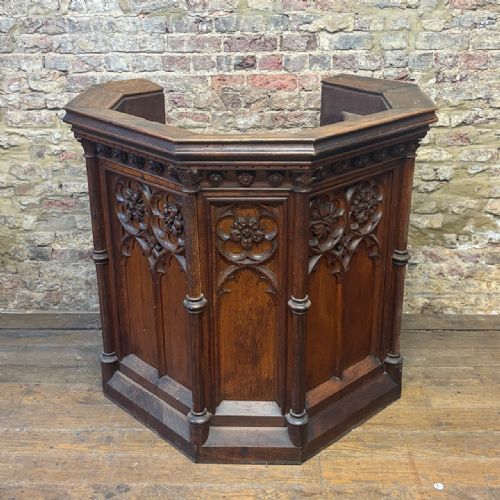
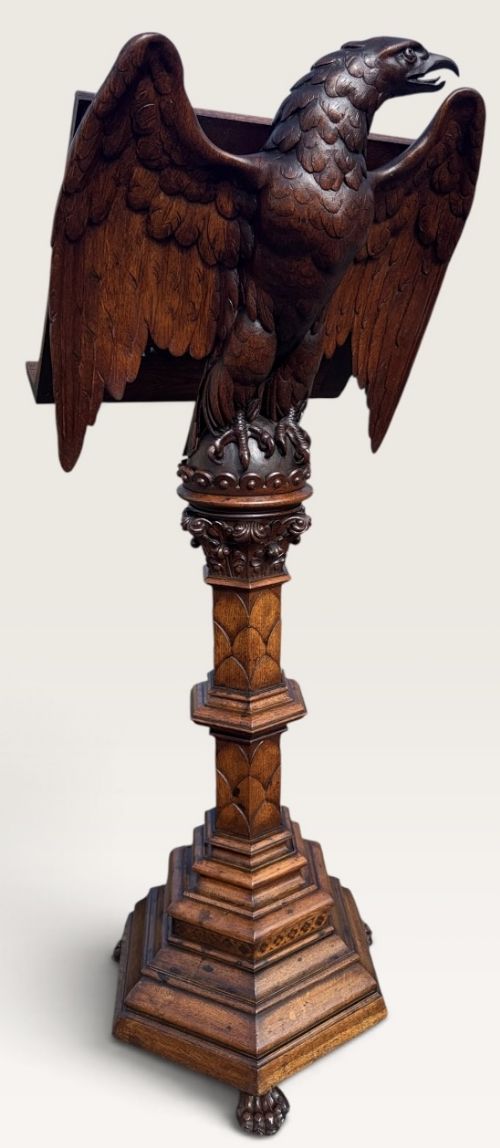
Execution of detail, from the crispness of carved oak Gothic tracery to the precision of cast brass piercing, marks the distinction between standard workshop output and superior production.
Townsend and Co·William Tonk and Sons·Leveson London·Zimmermann·Pugin·Leveson and Sons
The Antique Lectern Stand Glossary
- Lectern
- A stand with a sloping surface to hold a book or music for someone reading or playing standing up.
- Ratchet mechanism
- A notched metal bar and catch that allows the reading surface to lock at various angles.
- Ormolu
- Gilded bronze mounts applied to furniture and stands, popular during the nineteenth century for decorative emphasis.
- Tunbridge Ware
- Small wooden objects decorated with mosaic patterns formed from tiny wood blocks of different natural colours.
- Revolving bookcase
- A small tiered bookcase designed to rotate on a central pivot for easy book selection.
Antique Lectern Stand: Frequently Asked Questions
How do I adjust an antique lectern?
Most antique stands use a brass ratchet mechanism beneath the book rest or a screw clamp on a central pillar. Lift the desk to engage the desired notch or loosen the screw to alter the height carefully.
Forcing a stuck mechanism risks damaging nineteenth-century brass or hardwood. Apply appropriate lubrication to pivot points if movement feels restricted.
Were these stands used for music or books?
These pieces served multiple purposes, functioning as music stands for musicians, prayer stands in ecclesiastical settings, and reading tables for books. Many designs accommodated both sheet music and heavy folios.
Adjustable ledges and folding rests adapted easily to different volumes. Smaller examples sat on tables or pianos, while taller versions stood independently.
Where should I place a lectern stand at home?
An antique lectern stand works well beside an armchair as a book holder or in a study to display a favoured volume. Freestanding reading tables fit comfortably in libraries or living spaces.
Keep wooden and brass stands away from direct heat sources and strong sunlight to protect finishes and prevent timber from drying out.
How do I date a Victorian reading stand?
Dating relies on stylistic clues such as heavy oak Gothic carving from the middle of the century or lighter mahogany and brass forms from the Edwardian era. Patent marks and maker stamps provide precise chronological clues.
Construction methods also help, as machine-sawn components appeared more frequently towards the end of the nineteenth century.